-
E-mail
15589666969@163.com
-
Phone
15589666969
-
Address
Chang'an Industrial Park
Product Categories
- Rural renovation of sewage treatment equipment
- Process of aquaculture wastewater treatment equipment
- Small scale sewage treatment equipment
- Integrated sewage treatment equipment
- Sewage treatment equipment
- New rural sewage project renovation
- Township sewage treatment equipment
- Integrated sewage treatment system
Shandong Miyang Environmental Engineering Co., Ltd

Slaughterhouse sewage treatment equipment and devices
NegotiableUpdate on 01/21
- Model
- Nature of the Manufacturer
- Producers
- Product Category
- Place of Origin
Overview
Slaughterhouse sewage treatment equipment Slaughterhouse sewage treatment equipment is made of glass fiber reinforced plastic, carbon steel, stainless steel anti-corrosion structure, with excellent characteristics such as corrosion resistance and aging resistance, and its service life is more than 30 years; Placed below the surface, the surface above the equipment can be used for greening or other purposes, without the need for building houses, heating, or insulation. Limited system integration has been achieved, reducing the footprint; No pollution, no noise, no odor, reducing secondary pollution; Not limited by the amount of slaughter wastewater, flexible and adaptable, and can be used individually.
Product Details
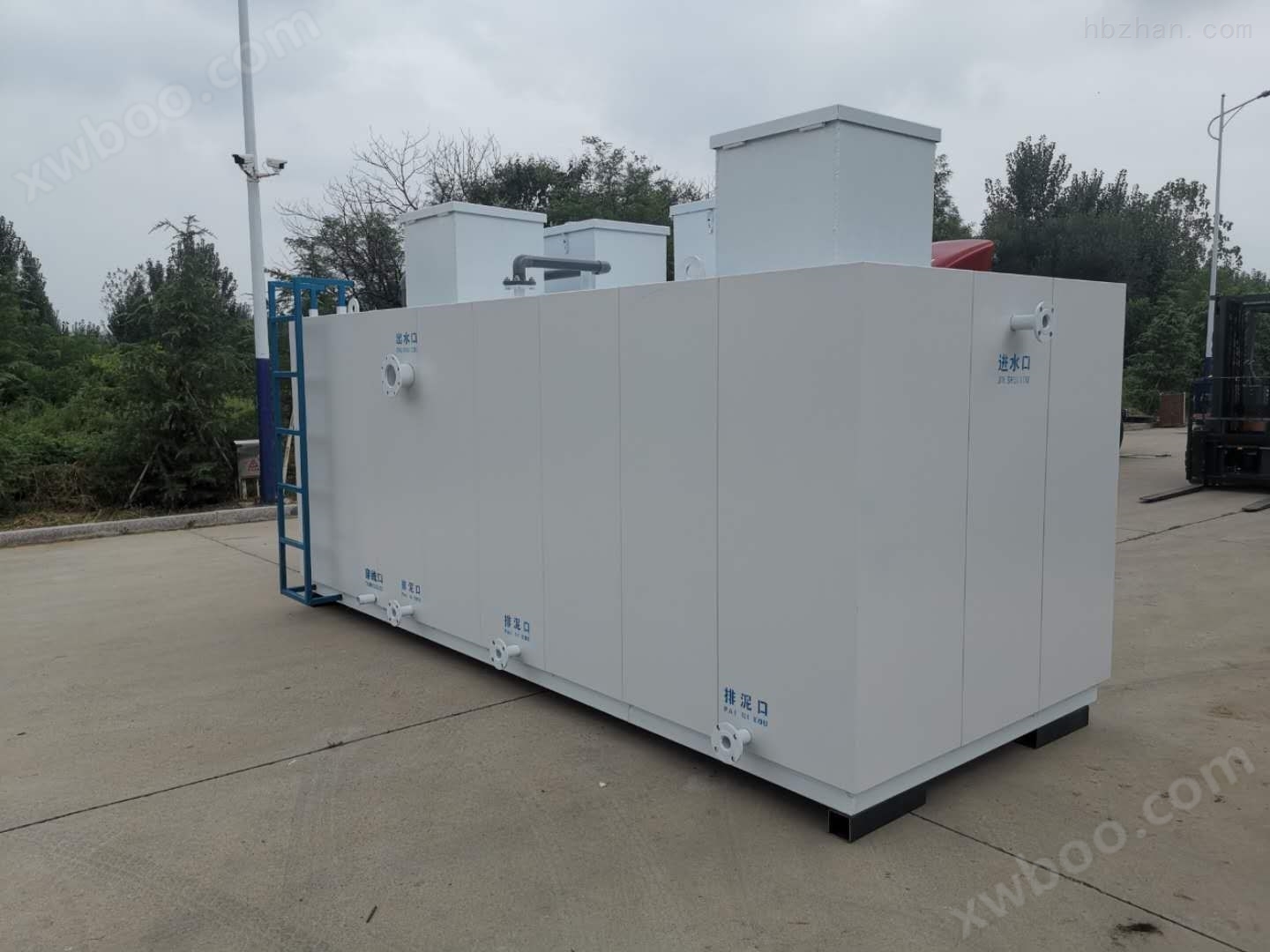
Slaughterhouse sewage treatment equipment and devices
Slaughterhouse sewage treatment equipment and devices
Slaughter sewage treatment equipment is made of glass fiber reinforced plastic, carbon steel and stainless steel, with anti-corrosion structure, corrosion resistance, aging resistance and other excellent characteristics, and its service life is more than 30 years; Placed below the surface, the surface above the equipment can be used for greening or other purposes, without the need for building houses, heating, or insulation. Maximized system integration and reduced footprint; No pollution, no noise, no odor, reducing secondary pollution; Not limited by the amount of slaughter wastewater, flexible and adaptable, can be used individually or in combination with multiple; Highly targeted, it can effectively remove organic matter and ammonia nitrogen from slaughter wastewater; The entire slaughter wastewater treatment equipment treatment system is equipped with a PLC fully automatic electrical control system and equipment fault alarm system, which operates safely and reliably. Generally, there is no need for dedicated personnel to manage it, and only timely maintenance and upkeep of the equipment are required, with low management costs.
Slaughter wastewater mainly comes from processes such as washing and rinsing of enclosures, washing of floors, scalding, dissection, processing of non-staple food, and oil washing in other factory buildings.
Water quality characteristics
① Slaughter wastewater is generally reddish brown in color and has an unpleasant fishy odor. It contains a large amount of blood, oil, hair, meat, bone, internal organs, undigested food, feces, and other pollutants, with a high content of suspended solids.
② Slaughter wastewater has a high content of organic matter and good biodegradability. High concentration organic matter is not easily degraded, making it difficult to treat. The nutrients in slaughter wastewater are mainly nitrogen and phosphorus, with nitrogen mainly existing in the form of organic matter or ammonium salts, and phosphorus mainly existing in the form of phosphates.
Design concept
The general design concept based on the characteristics and treatment difficulties of slaughter wastewater is as follows:
(1) First level treatment: The discharged wastewater flows through two grids, coarse and fine, mainly to remove larger suspended solids and floating objects, and prevent mechanical equipment such as sewage lifting pumps from clogging. Then it flows into the oil separation sedimentation tank, where the wastewater contains sediment and other substances that can be removed through natural sedimentation. The sediment is periodically pumped into the sludge concentration tank using a sludge pump. Oils and fats float on the water surface and can be manually extracted and recycled for processing. Due to the significant fluctuations in the quality and quantity of its wastewater, a regulating tank is installed in the treatment process to ensure subsequent treatment effectiveness and operational stability, in order to homogenize the water quality and quantity. Ensure smooth operation of the system. It is also possible to homogenize the acidity and alkalinity of the wastewater by adjusting the tank, so that the pH value of the wastewater meets the requirements of subsequent treatment processes. The blood stains, oils, and oil blocks contained in wastewater are effectively removed through coagulation and air flotation.
(2) Secondary treatment: For CODCr and BOD5 that are difficult to degrade and have high concentrations in slaughter wastewater, they cannot be removed during the pretreatment process. Therefore, biochemical treatment is used for secondary treatment. This design adopts hydrolysis acidification aerobic biological treatment technology. The main purpose of the hydrolysis acidification tank is to decompose large organic molecules into small organic molecules for further removal during aerobic processes.
(3) Third level treatment: The effluent after aerobic treatment overflows into the sedimentation tank, and after sedimentation, the clean water enters the disinfection tank. The sludge in the sedimentation tank is regularly pumped into the sludge concentration tank by a mud pump.
process flow
Wastewater from slaughterhouses is treated with a grid (net) to remove hair, skin, floating slag, and large suspended particles from the wastewater
Slaughter wastewater treatment equipment
Slaughter wastewater treatment equipment
After the material flows into the oil separation tank, most of the oil and mud are removed before entering the regulating tank. The water quality and quantity are adjusted by the regulating tank to ensure the normal operation of the subsequent treatment facilities. The water from the regulating tank is pumped up to the laminar flow air flotation sedimentation integrated machine. The suspended solids (SS) in the water are removed in advance, with a removal rate of over 90%. The effluent enters the integrated sewage treatment equipment, which consists of a hydrolysis acidification tank, a secondary contact oxidation tank, and a sedimentation tank. The sewage is treated in the hydrolysis acidification tank
Performing acidification treatment, converting high molecular weight organic matter into low molecular weight organic matter through anaerobic bacteria; After being hydrolyzed and acidified in the tank, it flows into the contact oxidation tank for biochemical reaction before entering the sedimentation tank. The effluent is filtered and disinfected to meet the discharge standardsThe product is lightweight and easy to transport. The product is formed as a whole, without the need for assembly, and can be installed quickly.The product has high compressive strength and can be installed in green lawns or under roads.
Similar Product Recommend


