-
E-mail
qdrbxgm@163.com
-
Phone
15192665941
-
Address
China (Shandong) Pilot Free Trade Zone Qingdao Free Trade Building
Product Categories
Qingdao Ruibaixin International Trade Co., Ltd
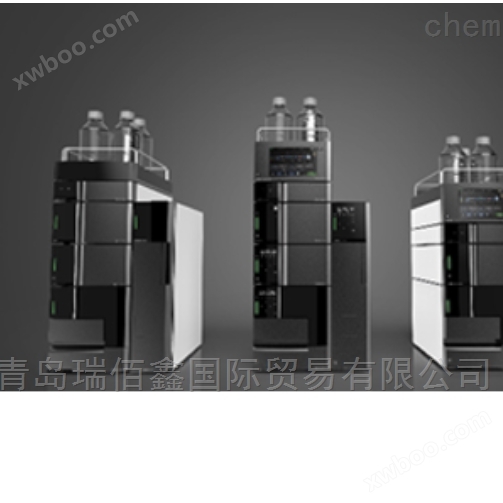
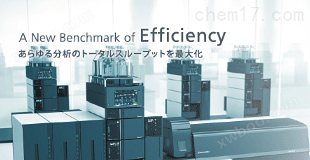
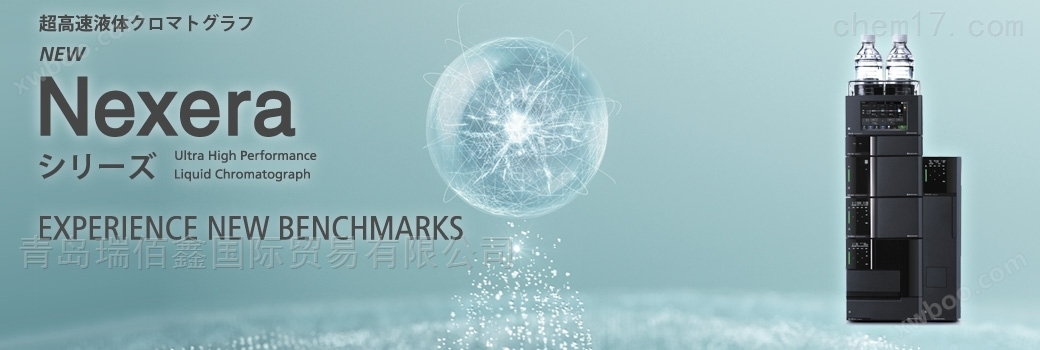
Shimadzu SHIMADZU liquid chromatography Nexera X3 system from Japan
NegotiableUpdate on 01/22
- Model
- Nature of the Manufacturer
- Producers
- Product Category
- Place of Origin
Overview
We have proposed a model for each of various analysis conditions, from general LC analysis to UHPLC analysis, using the Shimadzu SHIMADZU liquid chromatography Nexera X3 system.
Product Details
Nexera X3 System
The Nexera X3 model is the flagship model of the Shimadzu Nexera series, with a system pressure resistance of 130MPa and excellent basic performance. It supports analysis using all chromatographic columns of all particle sizes and lengths, and enables various extended applications with high reliability, ultra-high speed, and high-resolution analysis. For ultra high speed analysis, the newly designed dual pump can achieve high-pressure gradient analysis with reduced internal volume. In addition to shortening analysis time, it is also used in combination with ultra fast injection cycles and plate changers to improve the efficiency of multi analyte analysis. With excellent basic performance such as extremely low residue and reproducibility when injected in small quantities, it is also a model for LC/MS pre LC.
Configuration Example Explanation Nexera X3 High Voltage Gradient Model Example
| Product Name | type name | remark |
| system controller | SCL-40 | Number of controllable units: 8 (12 when using options) Liquid transfer unit: Big 4, automatic sampler: 1, open column: Big 4, detector: Big 2, and so on. |
| Liquid transfer unit | LC-40B X3 |
|
| Gradient mixer | ||
| autosampler | SIL-40C X3 |
Injection method: full injection method (standard), quantitative injection method (optional) Injection volume accuracy: within ± 1% (injection) |
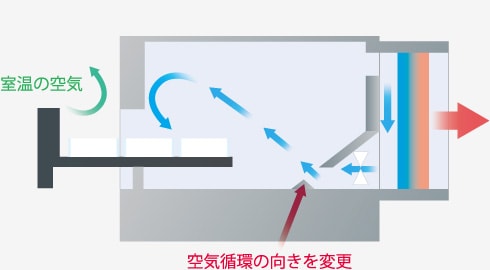
| column oven | CTO-40S | Temperature control system: air circulation system Cooling System: Electronic Cooling Type Temperature control range: Greenhouse -10 to 85 ° C Temperature accuracy: ± 0.8 ° C Temperature accuracy :0.2°C(±0.1°C) |
| detector | SPD-M30A | Light source: D2 lamp photoelectric Number of diode array components: 1024 Wavelength range: 190-700 nm Wavelength accuracy: below ± 1 nm Wavelength reproducibility: below ± 0.1 nm |
| Mobile phase monitor | 1L bottle holder, large capacity bottle holder, controller | |
| workstation | Labsolutions LC / GC Multi LC-PDA | |
Nexera series lineup
We have proposed models for each of the various analysis conditions from general LC analysis to UHPLC analysis.
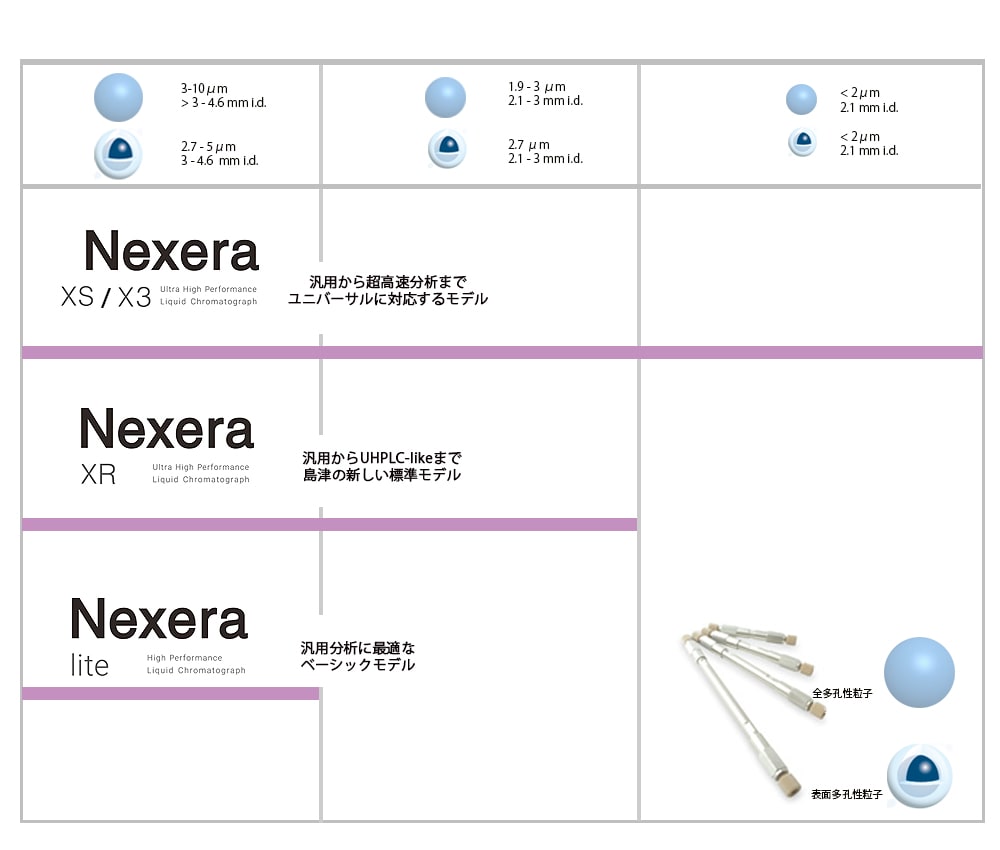
For detailed specifications of each model in the Nexera series, please refer to the table below.
*To improve the performance of the equipment and chromatography column, it is recommended to use them in combination with chromatography columns of the above-mentioned particle size and dimensions, but as long as the pressure limit of the equipment and chromatography column is not exceeded, the use of the above-mentioned chromatography columns is not restricted.
According to the analysis conditions, it may be necessary to adjust the pipeline. Please contact our sales personnel for detailed information.
Nexera series
Nexera series ultra-high performance liquid chromatography instrument
- feature
- application
- option
Maximizing the reliability and uptime of analysis
Realize data reliability through fully automated processes
In order to obtain highly reliable data, it is not only necessary to eliminate errors that may occur due to operational errors and deterioration of consumables, but also to eliminate rare faults.
The new Nexera series integrates the operational knowledge of skilled analysts into a fully automated process from device startup to analysis completion, achieving long-term stable data collection and equipped with many support functions that can automatically eliminate factors that may cause trouble. I am.
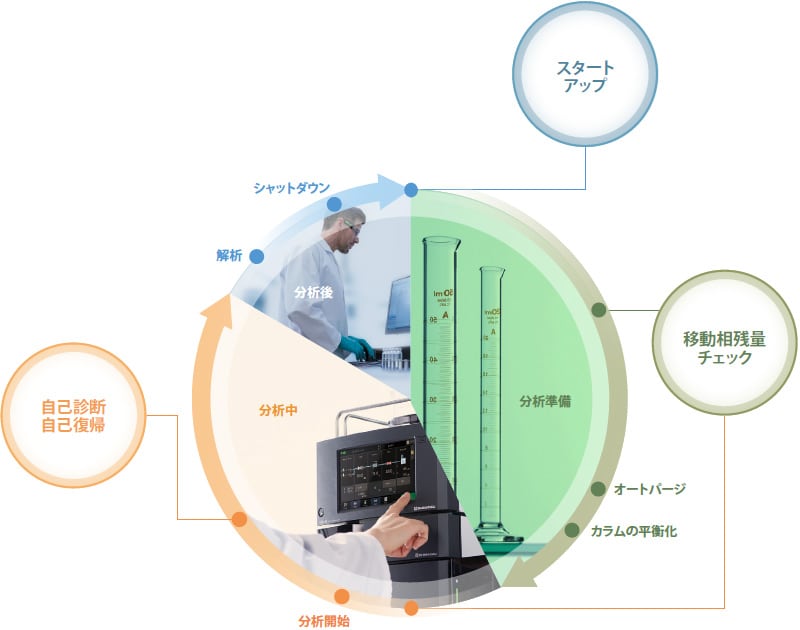

Always monitor yourself just in case
In rare cases, dissolved air in the mobile phase (which has turned into bubbles) may be drawn into the pump, causing poor liquid delivery and abnormal chromatograms. The new Nexera series has the function of detecting this phenomenon (self diagnosis) and eliminating bubbles through automatic blowing to restore the system to normal state (self recovery). Even in unmanned operations, highly reliable data can be obtained, and valuable samples and mobile phases will not be wasted due to data collection failures.
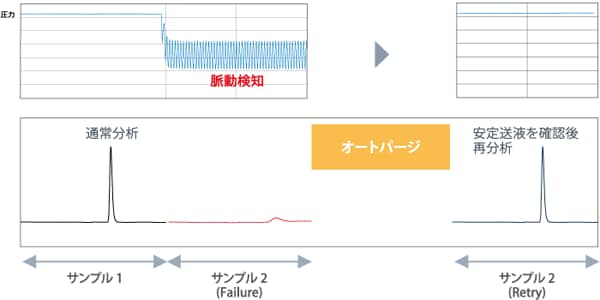
Self diagnosis of bubbles(Currently applying)
When bubbles enter the pump head, the pressure suddenly drops, followed by periodic pressure fluctuations (pulsations). *The bubble detection algorithm can detect and detect characteristic pressure fluctuations when mixing bubbles.
Automation expert manual work: FlowPilot
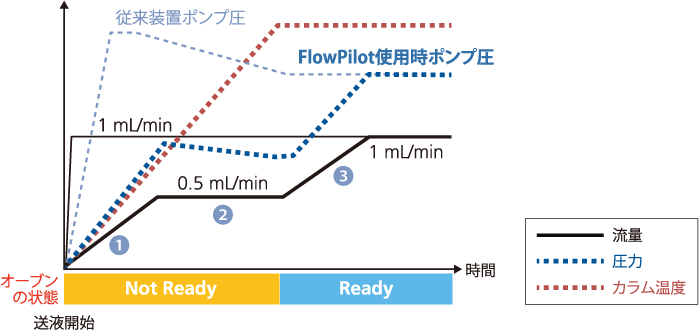
When starting liquid transfer, experts will gradually increase the flow rate of the mobile phase and raise the temperature of the chromatographic column to avoid column deterioration caused by sudden pressure application. FlowPilot is a mobile phase flow rate control function that is used in conjunction with the temperature of the chromatography column box to automatically balance the chromatography column while protecting it in the same way as experts.
FlowPilot(Currently applying)
The pump controls the flow rate based on the oven temperature. Before the temperature of the column box reaches the set value, gradually increase the flow rate ((1) in the figure) and maintain the flow rate at half of the method set value ((2)).
Afterwards, when the oven temperature reaches the set value, the flow rate gradually increases to the method set value (3).
The mobile phase monitor will not deplete the mobile phase during continuous analysis
Use weight sensor*Real time monitoring of the remaining amount of mobile phase and automatic sampler cleaning solution for 12 different liquids. At the beginning of the analysis, if the remaining amount does not meet the required amount, a message will be displayed to notify you. In addition, the remaining amount will be continuously monitored during the analysis process, and if there is a possibility of exhaustion, workers will be notified through PCs or smart devices. This makes it easier to pre determine the time for refilling.
*option
Measurement of solution volume and organization of expected consumption(Currently applying)
Based on the measurement data from the weight sensor, equipment configuration information (including the configuration of the mobile phase and cleaning solution to be used), and analysis methods, predict the required amount of mobile phase at the beginning of the analysis, and notify if it is insufficient.
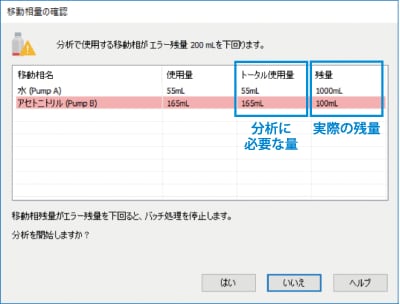
Check if the quantity consumed in the analysis is met
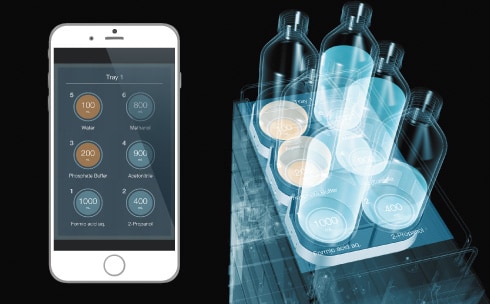
Monitor remaining capacity outside the laboratory
Collective monitoring of laboratory conditions anytime, anywhere
Save time and effort by centrally managing the usage history of chromatography columns in the laboratory
Accumulating usage history and performance information for each column is crucial for confirming whether the column is functioning properly before starting the analysis and reconfirming its status after data collection. Nexera series chromatography column management equipment*(Chromatographic Column Management Device: CMD) collects various information by associating the chromatographic column with LabSolutions data files, such as injection pressure during column use.
It can be connected to any column regardless of column type and manufacturer, and all column information can be confirmed at a glance using a column data browser. You no longer need to spend time checking column performance.
In order to use the new features related to column management, a new CMD compatible with the Nexera series and LabSolutions DB/CS version is required.
*option
Column status checked before analysis(Currently applying)
When connecting to CMD, compare the column information in the analysis method with the relevant column information, and only start analysis when there is a match. Prevent column selection errors and reliably record usage history.
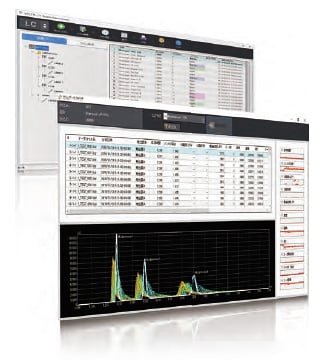
Step 1
List the columns used in the laboratory. In addition, detailed analysis history records for each column can be viewed, and the pressure check status can be checked immediately before injection.
Step2
The chromatogram can cover every component registered in the compound table. Visually inspect for deterioration.
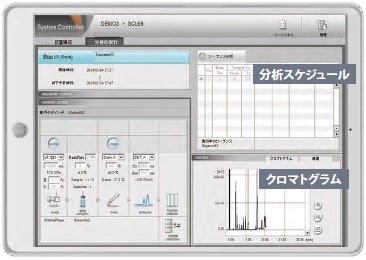
You can check the chromatogram of the running analysis,
When an error occurs during the analysis or when the analysis is completed, you can receive a message from LabSolutions.
Monitor the operating status of the LC system outside the laboratory
You can centrally check the running status of the LC system on the network from a web browser. Due to the ability to remotely monitor the progress of continuous analysis and the collected chromatograms, it is possible to work effectively even in separate workplaces such as laboratories and living rooms.
Supporting the utilization of laboratory assets
Smart Service Net (optional) allows you to immediately grasp the operating speed of the entire laboratory LC system. It helps to improve the utilization of laboratory assets by displaying the system's operating status in a graphical manner.
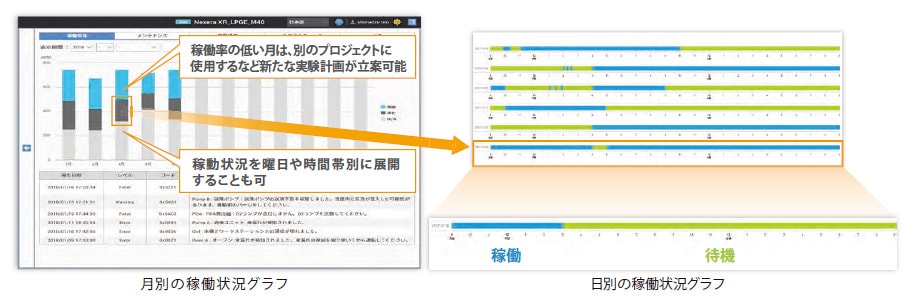
The total flux of any analysis
Simplify
LC-MS analysis work, capable of ultra fast injection and uninterrupted analysis of up to 17000 samples
The injection speed of SIL-40 series is twice as fast as before. In addition, use a board changer*It can continuously analyze up to approximately 17000 samples.
It strongly supports the use of LC-MS for high-throughput screening and analysis.
*When using 3 plate changers and 384 well plates
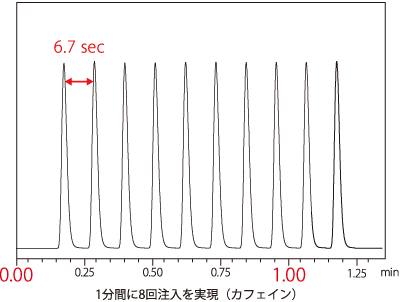
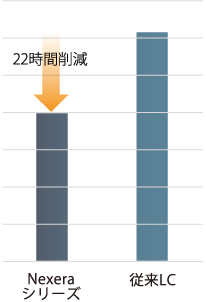
In the pharmacokinetics of drugs using LC-MS, not only high speed but also high reliability at low concentrations are required. Even in ultra high speed analysis of only 30 seconds, ultra high speed injection and ultra-low residual performance can provide high reproducibility and good linearity.
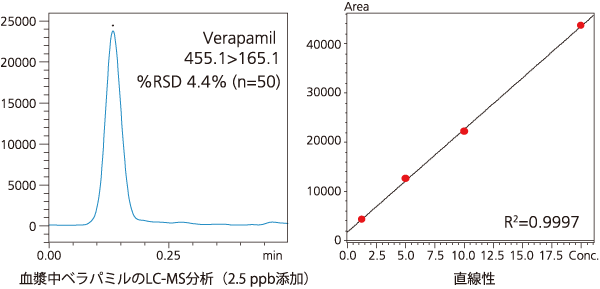
Application of ultra fast analysis
Save sample preparation work and improve reliability
The automatic preprocessing function of the SIL-40 series can perform operations such as sample dilution, addition, mixing, co sampling, and overlapping injection according to the purpose. By automating the preprocessing operation of sample preparation, operational errors have been eliminated, reproducibility has been improved, and the efficiency of the entire analysis work has been enhanced.
Workflow of pre labeled derived amino acid analysis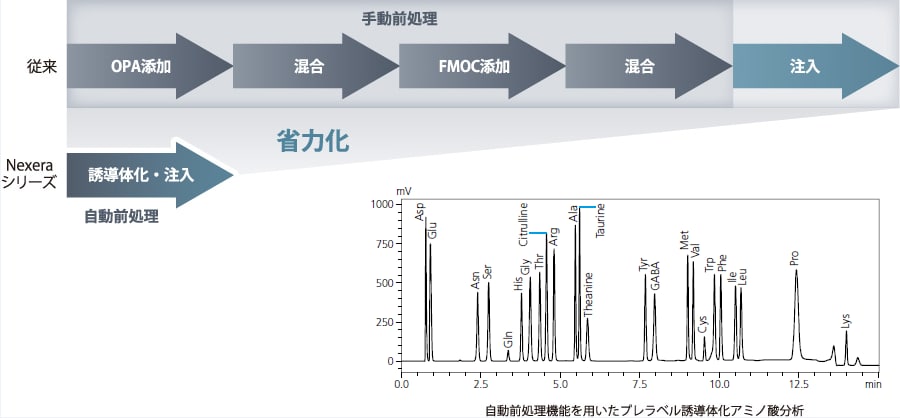
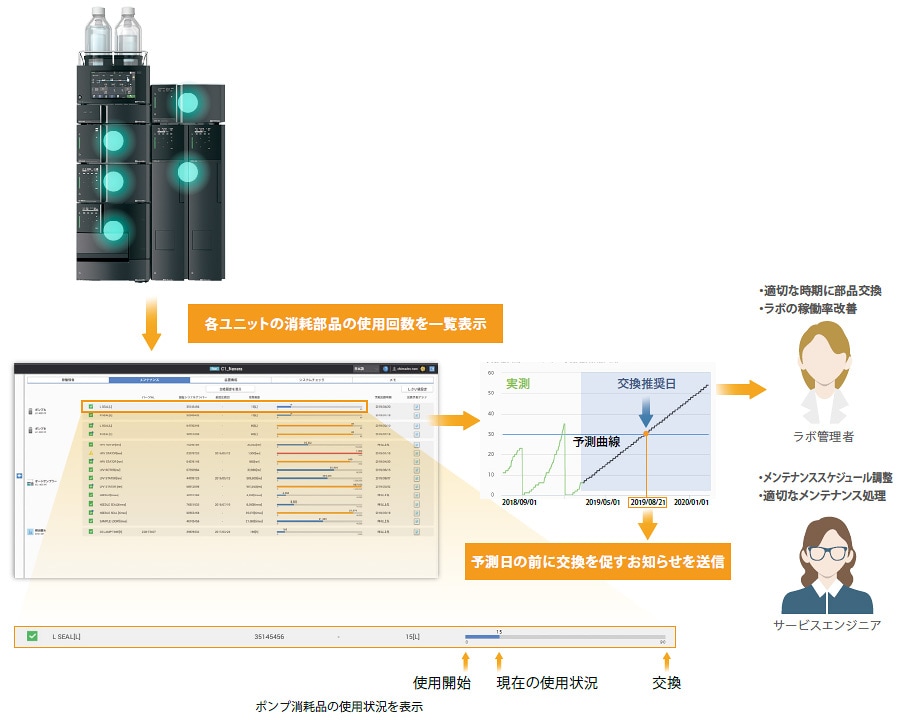
Centralize parts management and optimize maintenance plans to improve equipment utilization
Transfer the usage history, various logs, and error information of the consumable components of each device to the cloud server, predict the replacement time of consumable components based on device usage trends, and notify the administrator in advance. Preventive maintenance before equipment malfunctions can enable laboratory operations to be carried out during small system downtime.
Space saving LC with multiple functions
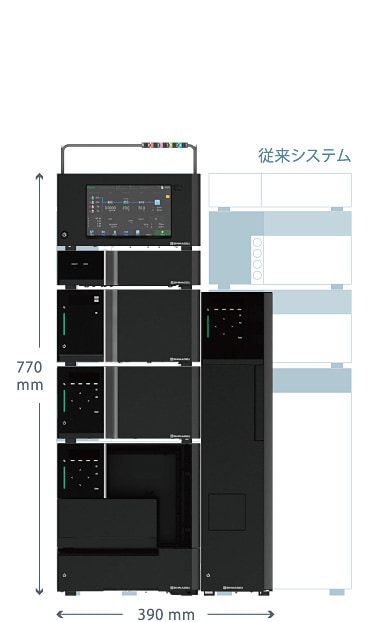
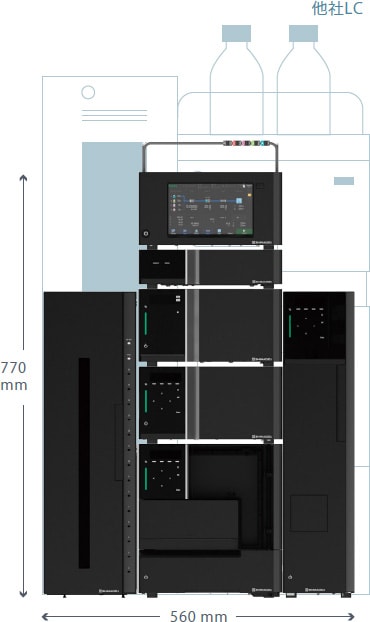
Save 2/3 of space design, reduce standby power consumption by 70%
The Nexera series can achieve space savings through the design of space saving liquid transfer units, automatic samplers, column temperature chambers, etc., without compromising data compatibility with existing LC systems and the number of samples to be installed. The low height design makes it easy to access the mobile phase bottle regardless of the installation foundation.
In addition, compared to traditional models, standby power consumption has been reduced by about 70%, thus supporting laboratory operations.
High pressure gradient standard model
Diversified processing model
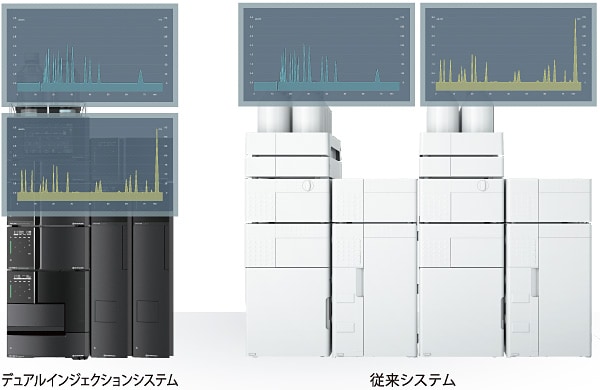
One machine can analyze two systems: multi-faceted analysis (dual injection) selection
If using the dual injection function*Then, a system can be used to perform two independent analyses simultaneously. By not only saving the time required to obtain two types of data and the space to install two devices, but also constructing flow paths that match the samples (such as amino acids, organic acids, sugars, vitamins, and anions), analysis can be efficiently performed.
*option
Comparison with conventional systems
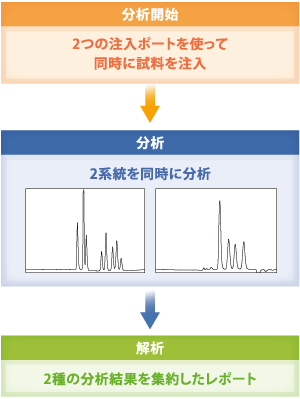
Double injection(Currently applying)
By adding a second injection port and injection valve, one needle can be used to independently inject samples into two analysis channels, and the two analyses can be integrated into one system.
intuitive
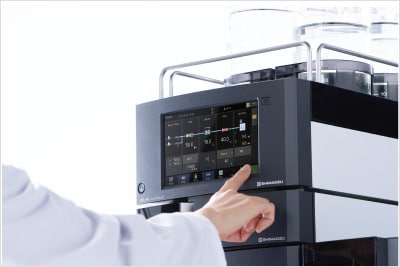
Touch screen, capable of conducting experiments without a PC
The operation and status confirmation of devices without PC are essential for achieving a PC free laboratory. The SCL-40's large LCD touch screen provides intuitive operation, not only confirming device status and controlling operations, but also enabling chromatographic monitoring.
When DI support is required, this feature can be turned off. Please contact our service personnel during installation.
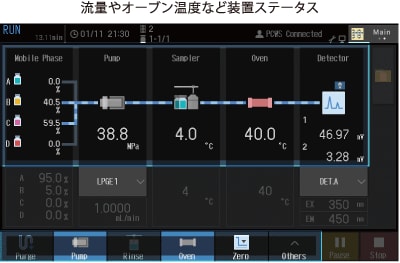
Equipment control, such as automatic blowing
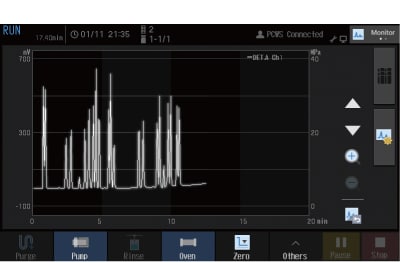
Monitoring chromatogram
The rock solid performance can provide reliable analysis results
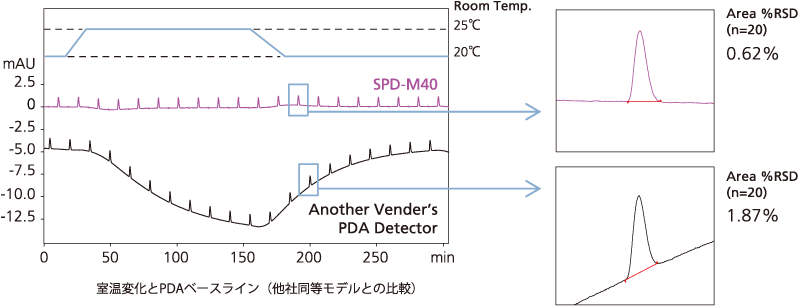
Stable baseline eliminates the influence of temperature changes in the laboratory environment
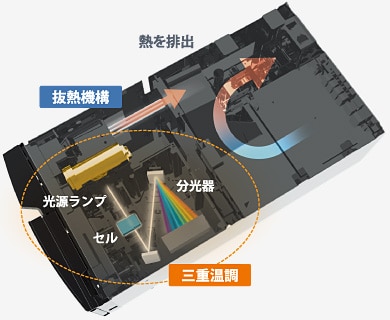
The baseline fluctuations caused by temperature changes in the laboratory have a significant impact on quantitative accuracy. The SPD-M40 photodiode array detector has triple temperature control function (advanced TC Optics) and * heat dissipation mechanism, which can perform stable high-sensitivity analysis at baseline regardless of changes in laboratory temperature. . .
*TC Optics (SPD-M40)(Currently applying)
Using SPD-M40, in addition to the temperature control of the sample cell for conventional products, temperature control was also applied to the lamps and spectrometers that cause absorption temperature effects to further reduce baseline fluctuations caused by the light source. In addition, the heat from the light source is quickly released to the outside without being affected by the external air temperature of the original heat dissipation mechanism, ensuring a stable baseline.
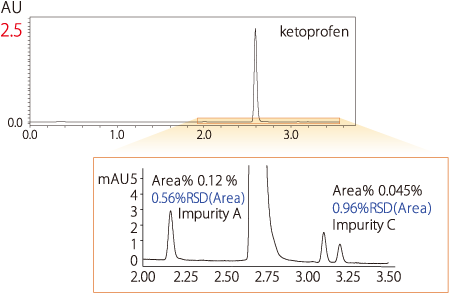
Simultaneously analyze the main drug components and trace impurities without dilution
For example, when analyzing multiple compounds with varying concentrations (such as drug main components and impurities), multiple samples with different dilution rates are typically analyzed. The dynamic range of SPD-M40 is much wider than traditional PDA detectors, allowing for simultaneous analysis of both major components and trace impurities.
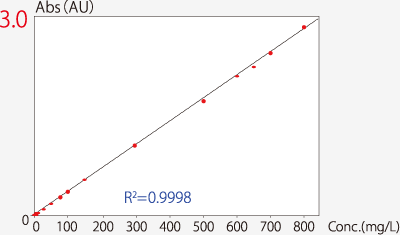
Reduce stray light and improve measurement circuits(Currently applying)
In SPD-M40, we reduced the amount of stray light in the optical system that caused linear errors (less than one-third of the conventional value), and improved the measurement circuit to obtain absorbance linearity (typical value of 2.5 AU, typical value) more than that.
Ensure quantification by inhibiting the photodegradation of compounds
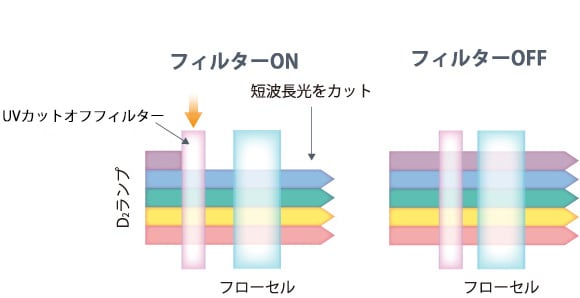
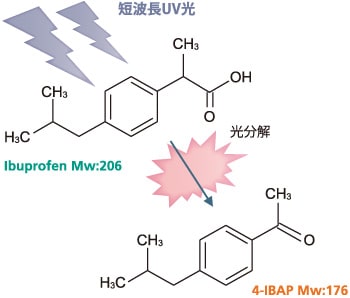
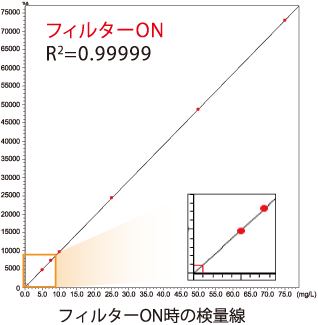
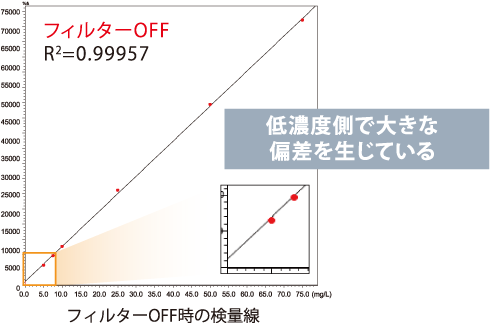
SPD-M40 suppresses the decomposition of compounds in the flow cell and ensures the quantification of target components by using ultraviolet cut-off filters that can block short wavelength ultraviolet light. It helps to improve the quantitative accuracy of photodegradable drugs and natural products.
*This feature was developed based on input from Lion Corporation.
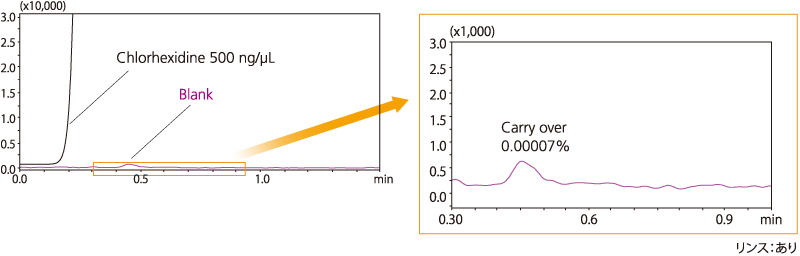
Ultra low residue level supports LC-MS/MS high-sensitivity analysis
The low residual performance of the automatic sampler is * for detecting very small amounts. The SIL-40 series has achieved zero dead volume and successfully further suppressed residue. It can shorten the flushing time before injection, which helps to accelerate the analysis speed and shorten the continuous analysis time.
Zero dead volume(Currently applying)
The dead volume in the flow path contributes to residual samples. The SIL-40 series achieves zero dead volume by connecting the sample quantification ring and injection needle in a straight line, thereby improving residual performance.
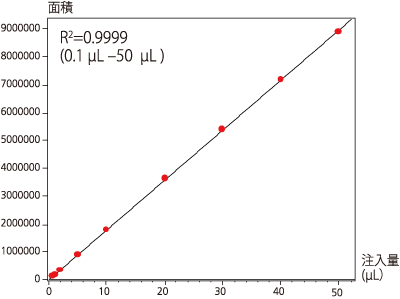
Excellent injection accuracy across multiple injection volume ranges
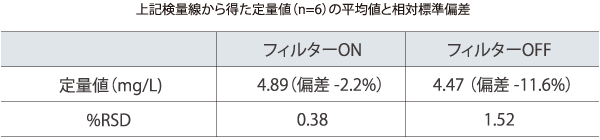
The SIL-40 series exhibits excellent injectability at all injection volumes. Even with various injection volume settings based on column size and sample size, reliable data can still be obtained.
*The structure ensures sample cooling
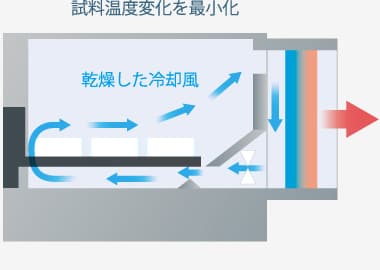
The SIL-40 series has a direct access function, which allows for the insertion of additional sample bottles and MTPs during the analysis process and improves the efficiency of analysis work. Dry air flow control not only ensures sample cooling, but also eliminates the trouble caused by condensation water.
Dry air flow control(Currently applying)
The sample rack is used to control the cooling airflow inside the automatic sampler. Even if the sample holder is pulled out, it can prevent external air from entering and suppress the generation of internal condensation water and rapid increase in sample temperature.
Shimadzu SHIMADZU liquid chromatography Nexera X3 system from Japan
Shimadzu SHIMADZU liquid chromatography Nexera X3 system from Japan
Similar Product Recommend