-
E-mail
980227448@qq.com
-
Phone
15307180902
-
Address
Room 2003, 20th Floor, Building A, Luojiashan Building, No.7 Luojiashan Road, Hongshan District, Wuhan City
Product Categories
Wuhan Baishi Automation Equipment Co., Ltd
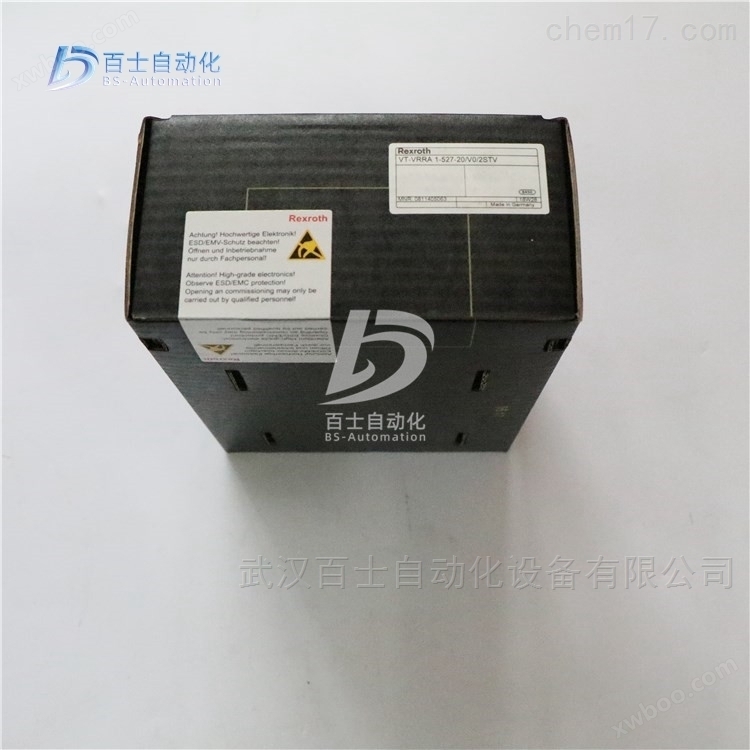

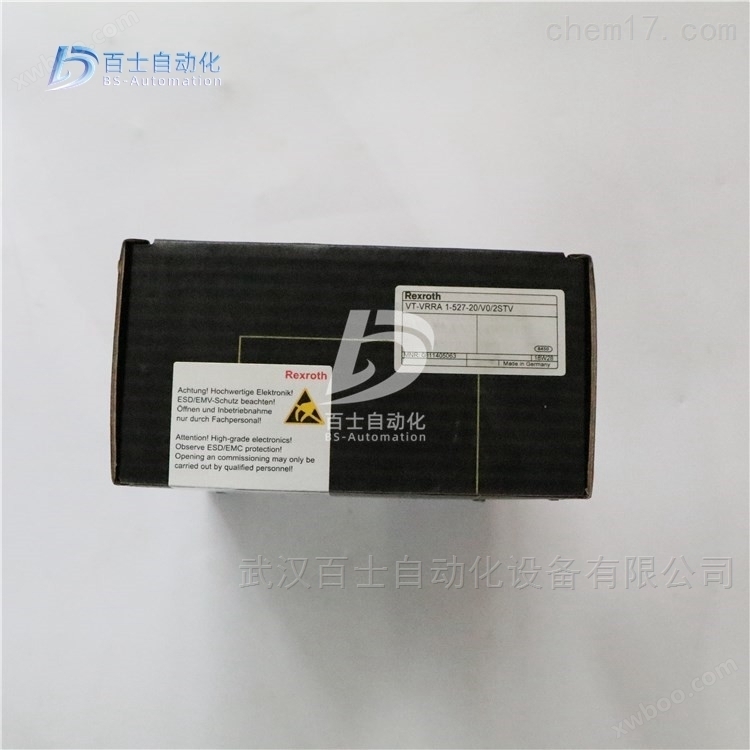
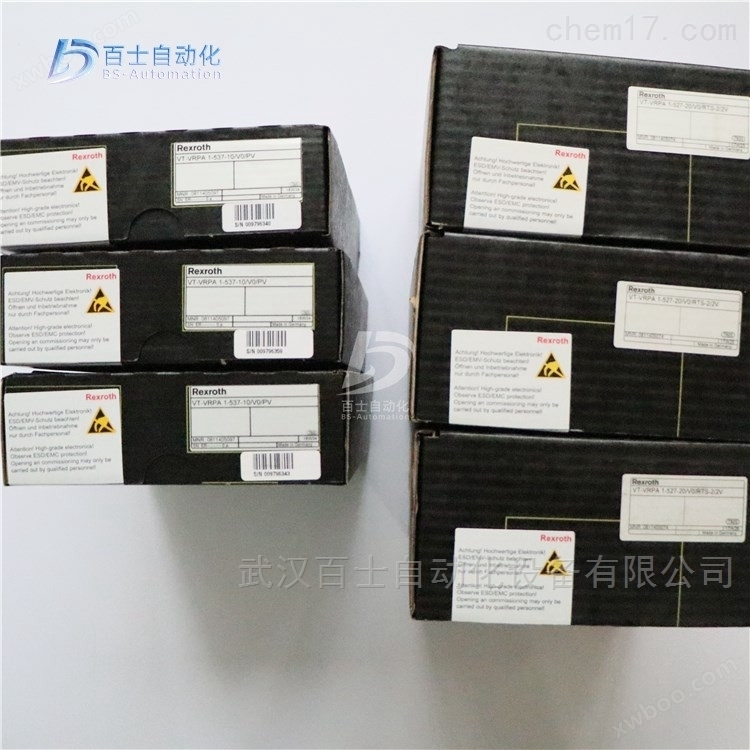
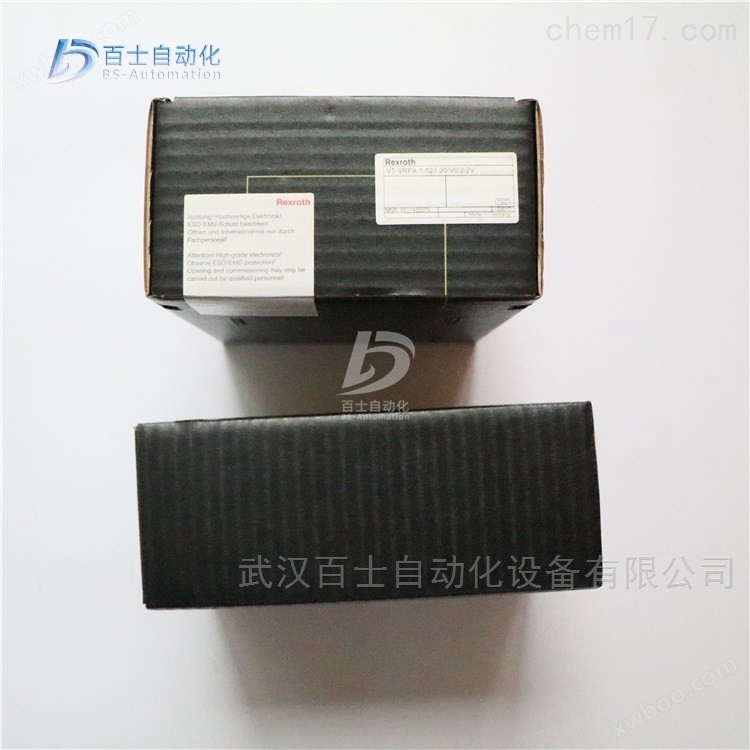
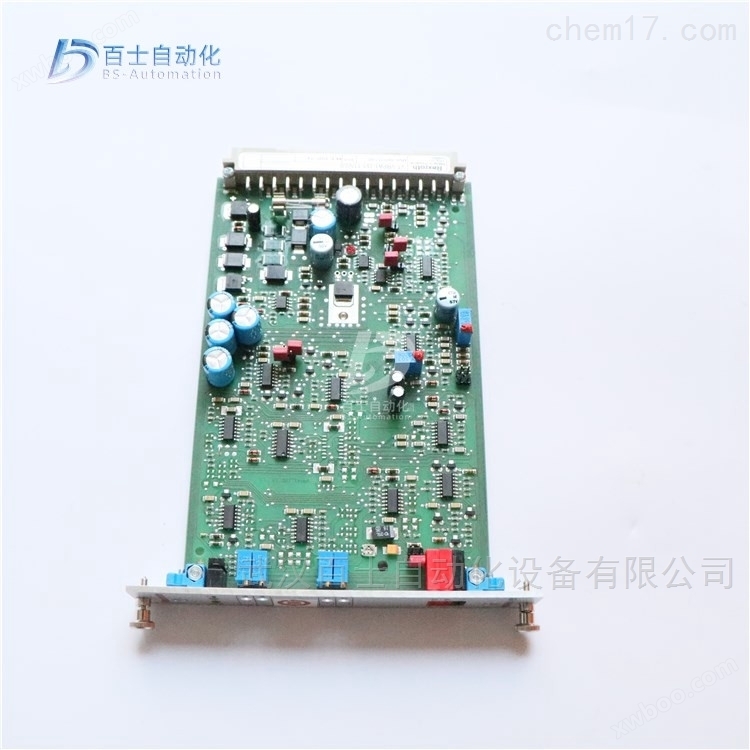
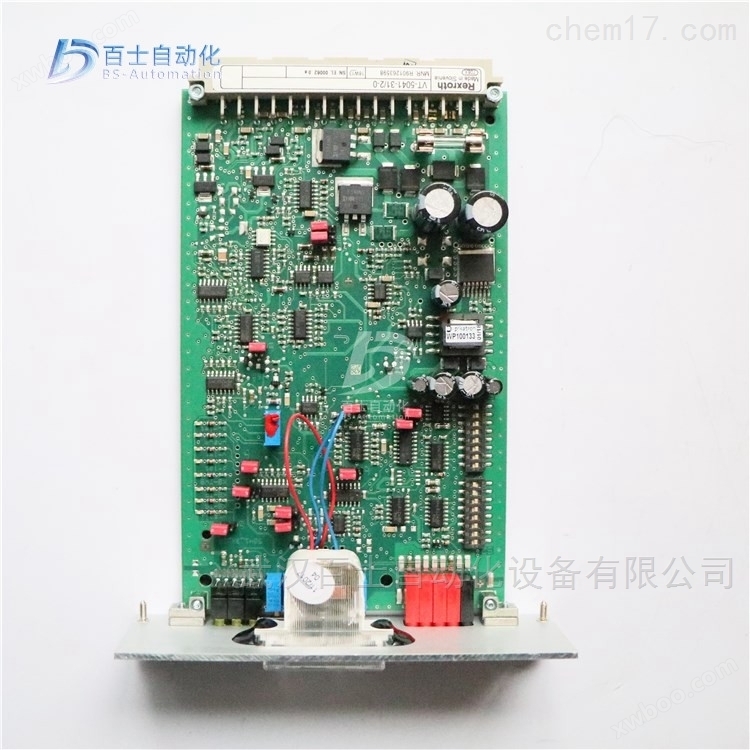
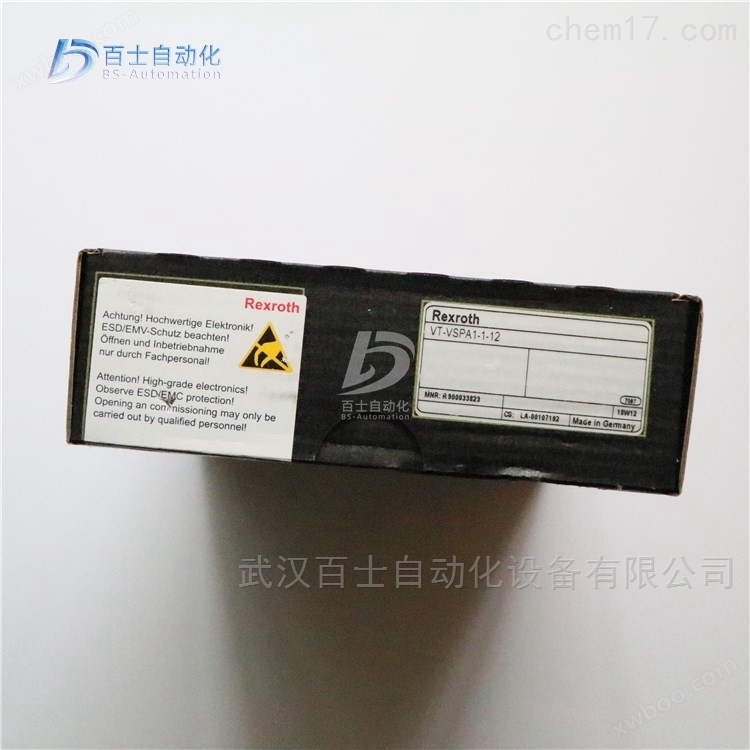
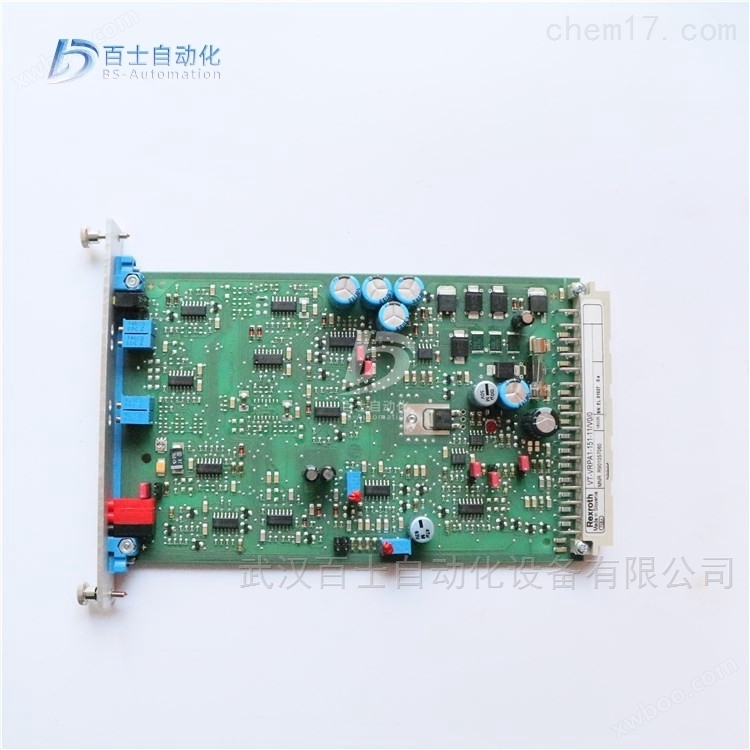
REXROTH enlarged version VT-VRRA1-527-20/V0/2STV
NegotiableUpdate on 01/22
- Model
- Nature of the Manufacturer
- Producers
- Product Category
- Place of Origin
Overview
REXROTH amplification version VT-VRRA1-527-20/V0/2STV 0811405063, German Rexroth amplification version, REXROTH amplifier, Rexroth amplifier, Rexroth proportional valve amplification version, REXROTH high response valve amplification version
Product Details
REXROTH enlarged version VT-VRRA1-527-20/V0/2STV0811405063, German Rexroth amplification version, REXROTH amplifier, Rexroth amplifier, Rexroth proportional valve amplification version, REXROTH high response valve amplification version, Wuhan Baishi Automation Equipment Co., Ltd. specializes in selling products that are original from the factory and refuse high imitation and counterfeit goods. Customers can buy and use with peace of mind. *Common products available in stock, welcome new and old customers to inquire and purchase!


A hydraulic amplifier utilizes the principle of throttling to control the fluid flow or pressure to the actuator using input displacement (angle) signals, and is a mechanical hydraulic conversion device. Due to the low input power and high output power of the control valve, it is also a type of power amplifier component. It, together with a converter and feedback mechanism, forms a synchronous valve and is the core component of the servo system.
In hydraulic servo systems, hydraulic amplifiers typically drive the actuator with their high output power flow, and the actuator converts hydraulic energy into mechanical energy to drive the load.
A hydraulic amplifier can be composed of a single or multiple (usually two) hydraulic amplifiers, referred to as single-stage or multi-stage hydraulic amplifiers.
The basic hydraulic amplification components mainly include slide valves, nozzle baffle valves, and jet tube valves. Among them, slide valves and jet tube valves can be used as single-stage hydraulic amplifiers, with the former being the most common; The nozzle baffle valve is generally used as a preamplifier for multi-stage amplifiers.
The slide valve and nozzle baffle valve are both throttling amplifiers, which control fluid dynamics by changing the impedance of the throttle hole on the liquid flow circuit, but they have different forms of throttle holes. Jet tube valve is a type of diversion component.
A hydraulic amplifier can be a hydraulic servo valve or a servo variable pump (with angular displacement as input and flow rate as output). This chapter mainly introduces hydraulic servo valves.
Types and forms of electro-hydraulic proportional valves
Electro hydraulic proportional valves include proportional flow valves, proportional pressure valves, and proportional directional valves. The hydraulic operation characteristics of construction machinery can be divided into two main types of electro-hydraulic proportional valves based on their structural forms: one is the screw insertion proportional valve, and the other is the slide valve proportional valve.
The slide valve proportional valve, also known as the distribution valve, is one of the basic components of mobile mechanical hydraulic systems and is a composite valve that can achieve directional and flow regulation. The electro-hydraulic slide valve proportional multi way valve is an ideal electro-hydraulic conversion control component. It retains the basic functions of a manual multi way valve and also adds control methods such as position electric feedback proportional servo operation and load sensing. It is a replacement product for engineering machinery distribution valves.
Due to manufacturing cost considerations and low precision requirements for engineering machinery control, the proportional multi way valve generally does not have displacement sensing sensors and has electronic detection and error correction functions. The displacement of the valve core is easily affected by pressure fluctuations caused by load changes, and visual observation is necessary to ensure the completion of the operation. Attention should be paid to external influences when operating electronic control and remote control. Recently, with the development of electronic technology, more and more people are using displacement sensors such as internal differential transformers (LDVT) to detect the movement of valve cores, achieving closed-loop control of valve core displacement. This highly integrated proportional valve, consisting of an electromagnetic proportional valve, position feedback sensor, driver amplifier, and other electronic circuits, has a certain correction function and can effectively overcome one The disadvantage of proportional valves is that they greatly improve control accuracy.
Load sensing and pressure compensation technology for electro-hydraulic proportional multi way valve
Saving energy, reducing oil temperature, and improving control accuracy, while also ensuring that the synchronous action of several executing components does not interfere with each other during movement, load sensing and pressure compensation technology are now widely used in construction machinery. Load sensing and pressure compensation are very similar concepts, both of which use pressure changes caused by load changes to regulate pump or valve pressure and flow to meet system operating requirements. For a quantitative pump system, load sensing refers to directing the load pressure load sensing oil circuit to a remote pressure regulating relief valve. When the load is small, the relief valve's set pressure is also small; The load is large and the set pressure is also high, but there is always a certain overflow loss. The variable pump system introduces the load sensing oil circuit into the pump variable mechanism, so that the pump output pressure increases with the increase of load pressure (always a small fixed pressure difference), making the pump output flow equal to the actual required flow of the system, without overflow loss, and achieving energy saving. Pressure compensation is a guarantee measure taken to improve valve control performance. The load pressure behind the valve port is introduced into the pressure compensation valve, which adjusts the pressure in front of the valve port to maintain a constant pressure difference. This way, the flow regulation characteristics of the throttle port are only related to the opening of the valve port, and are not affected by the load pressure.
REXROTH enlarged version VT-VRRA1-527-20/V0/2STV0811405063, German Rexroth amplifier, REXROTH amplifier, Rexroth amplifier, Rexroth proportional valve amplifier, REXROTH high response valve amplifier
Rexroth REXROTH High Response Valve Valve Enlarged Version
Rexroth REXROTH analog circuit amplification version, European version standard
0811405137 VT-VRPA2-527-10/V0/RTS
0811405138 VT-VRPA2-537-10/V0/RTS
0811405119 VT-VRPA2-527-10/V0/RTP
0811405120 VT-VRPA2-537-10/V0/RTP
0811405123 VT-VRRA 1-527-10/V0
0811405148 VT-VRRA 1-527-10/V0/RV
0811405032 VT-VRRA1-527-20/V0
0811405060 VT-VRRA1-527-20/V0
R901205756 VT-VRRA1-527-2X/V001
R901430294 VT-VRRA1-527-2X/V002
0811405061 VT-VRRA1-537-20/V0
0811405065 VT-VRRA1-527-20/V0/K40-AGC
0811405066 VT-VRRA1-527-20/V0/K60-AGC
0811405067 VT-VRRA1-537-20/V0/K40-AGC
0811405069 VT-VRRA1-527-20/V0/KV-AGC
0811405070 VT-VRRA1-537-20/V0/KV-AGC
0811405069 VT-VRRA1-527-20/V0/KV-AGC
0811405070 VT-VRRA1-537-20/V0/KV-AGC
0811405063 VT-VRRA1-527-20/V0/2STV
0811405064 VT-VRRA1-527-20/V0/PO-IS
0811405068 VT-VRRA1-527-20/V0/K40-AGC-2STV
0811405083 VT-KRRA2-527-20/V0/2CH
0811405082 VT-KRRA2-537-20/V0/
0811405073 VT-VRPA1-527-20/V0/RTS-2STV
081145076 vt -vrppa1-527-20 / V0 / 2 / 2V
0811405062 VT-VRPA1-537-20/V0
Plastic machinery is a general term for various types of machinery and devices used in the plastic processing industry. Some universal machinery and equipment for transporting, separating, crushing, grinding, and drying fluids and solids also play an important role in the plastic processing industry, so they are often listed as plastic machinery.
According to the production process of plastic products, plastic machinery can be divided into four categories: plastic mixing machinery, plastic molding machinery, plastic secondary processing machinery, and plastic processing auxiliary machinery or devices. Plastic mixing machinery is used for the manufacturing of various forms of plastic mixing materials, including kneading machines, plasticizing machines (open and internal mixers), granulators, screening machines, crushers, and grinders. Plastic molding machinery, also known as plastic primary processing machinery, is used for the molding of plastic semi-finished or finished products, including compression molding machines, injection molding machines, extruders, blow molding machines, calendering machines, rolling molding machines, foaming machines, etc. Plastic secondary processing machinery is used for the reprocessing and post-treatment of plastic semi-finished or finished products, including thermoforming machines, welding machines, heat sealing machines, hot stamping machines, vacuum evaporation machines, flocking machines, printing machines, etc. Metal processing machines are also commonly used for secondary processing of plastics. Plastic processing auxiliary machinery or devices are used to rationalize the plastic processing process, including automatic measuring and feeding devices, automatic scrap recycling devices, automatic removal devices for injection molded products, rapid replacement devices for injection molds, injection mold cooling machines, automatic thickness measuring devices, and raw material conveying and storage equipment. These types of auxiliary machinery or devices have become a part of modern plastic processing automation.
Injection molding machine is used to inject molten plastic into a mold, and after cooling, it becomes a product. It has a wide range of applications and is used in different places depending on the type of plastic used. Injection molding machine is a widely used processing machinery in the plastic processing industry, and not only can a large number of products be directly produced by injection molding machine, but it is also a key equipment in the injection pull blowing process.
Blow molding is a common method for manufacturing hollow thermoplastic products, mainly consisting of tubular membranes and hollow containers. Blow molding machine can plasticize pre formed products by heating, and then enter the mold for blow molding. This method is mainly used for high-speed and high-yield production of PET bottles and BOPP bottles, that is, two-step process; Blow molding can also be combined with injection molding technology to become an injection pull blow integrated machine, which is also a common method for producing containers in PET; Blow molding technology can also be combined with extrusion technology, and extrusion blow molding equipment has a wider range of adaptability and can produce a wider variety of products, including multi-layer composite films and various polyolefin hollow containers, which are widely used in the food and cosmetics industry
The blown film machine heats and melts plastic particles before blowing them into a thin film. There are many types of blown film machines, including PE, POF, and so on. The blown film machine produces films suitable for various high-end film packaging. This type of film, due to its good barrier properties, preservation, moisture resistance, frost resistance, oxygen barrier, and oil resistance, can be widely used for light and heavy packaging. Such as various fresh fruits, meat products, Pickled vegetables, fresh milk, liquid drinks, etc.
In plastic machinery, the rolling mill is usually combined with leading devices such as material conveying, screening, metering, kneading, and plasticizing, as well as subsequent devices such as guiding, pulling, embossing, cooling, thickness measurement, coiling, and cutting, and transmission, monitoring, and heating devices to form a complete rolling production line, producing soft and hard films, sheets, artificial leather, wallpaper, and flooring rolls.

Principles and Characteristics of Hydraulic Transmission Technology
1. Introduction to Hydraulic Transmission
Hydraulic transmission is a transmission method that uses liquid as the working medium to transfer energy and control. Hydraulic transmission and pneumatic transmission, also known as fluid transmission, are emerging technologies developed based on the principle of hydrostatic transmission proposed by Pascal in the 17th century. They are widely used in industrial and agricultural production.
2. Advantages of hydraulic transmission
(1) Due to its small size and light weight, the inertia force is relatively small. When suddenly overloaded or stopped, there will be no significant impact,
(2) Can smoothly and automatically adjust the traction speed within a given range, and can achieve infinite speed regulation;
(3) Easy to reverse direction, it can conveniently achieve the conversion between the rotation of the working mechanism and the linear reciprocating motion without changing the direction of motor rotation;
(4) The hydraulic pump and hydraulic motor are connected by oil pipes, and their spatial arrangement is not strictly limited to each other;
(5) Due to the use of oil as the working medium, the relative motion surfaces of the components can self lubricate, resulting in minimal wear and a long service life;
(6) Easy control and high degree of automation;
(7) Easy to implement overload protection.
Hydraulic transmission has many outstanding advantages, so its application is very extensive, such as plastic processing machinery, pressure machinery, machine tools, etc. for general industrial use, engineering machinery, construction machinery, agricultural machinery, automobiles, etc. for walking machinery, metallurgical machinery, lifting devices, roller adjustment devices, etc. for steel industry, flood control gates and dam devices, riverbed lifting devices, bridge beam control mechanisms, etc. for civil and hydraulic engineering; Power plant turbine speed control devices, deck lifting machinery for ships, bow doors, bulkhead valves, stern thrusters, special technology control devices, measuring buoys, lifting and rotating stages, etc.
3. Basic principles of hydraulic transmission
The basic principle of hydraulic transmission is to use pressurized oil as the working medium in a closed container to achieve energy conversion and power transmission. The liquid in it is called the working medium, usually mineral oil, and its function is similar to that of transmission components such as belts, chains, and gears in mechanical transmission. Hydraulic transmission utilizes Pascal's principle! Pascal's principle roughly states that when a force is applied to a liquid in a closed environment, the liquid will transmit this force in all directions! The magnitude of the force remains unchanged! Hydraulic transmission utilizes this physical property to apply a force to an object, and uses Pascal's principle to increase this force! Thus achieving the effect of lifting heavy objects!
Hydraulic transmission has also been widely used in the valve industry, such as machine tool manufacturing and processing equipment for valves, hydraulic testing equipment for valves, and hydraulic transmission devices for valves.
Similar Product Recommend