-
E-mail
980227448@qq.com
-
Phone
15307180902
-
Address
Room 2003, 20th Floor, Building A, Luojiashan Building, No.7 Luojiashan Road, Hongshan District, Wuhan City
Product Categories
Wuhan Baishi Automation Equipment Co., Ltd
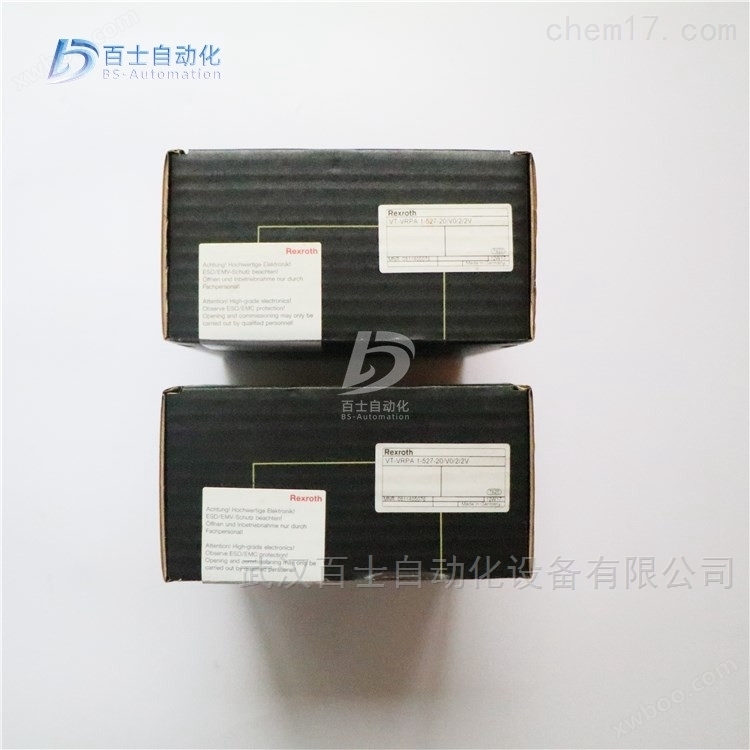
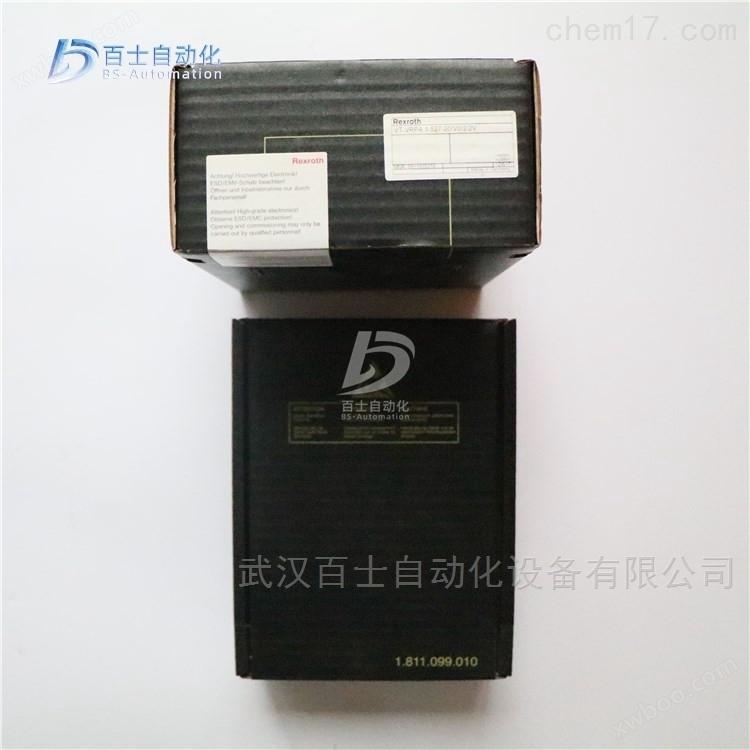
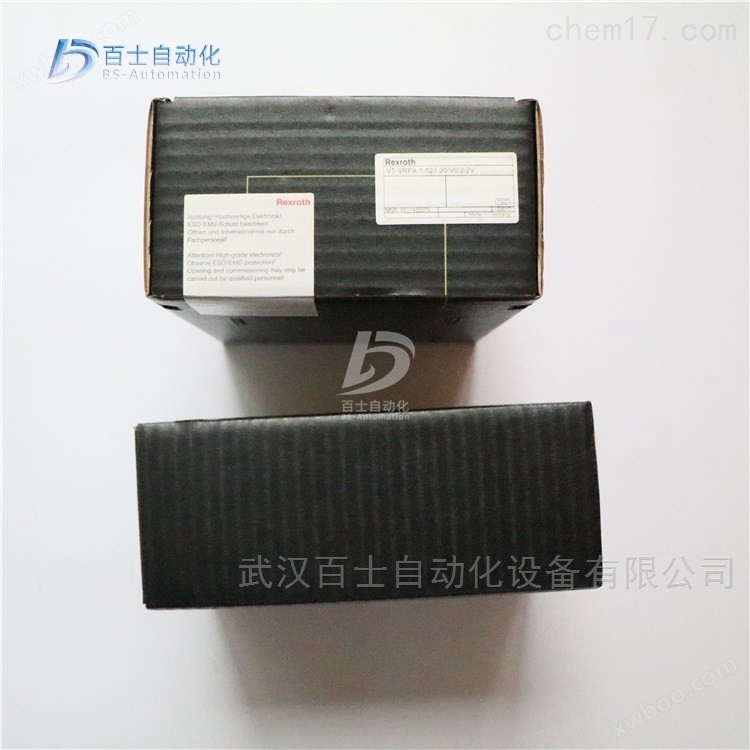
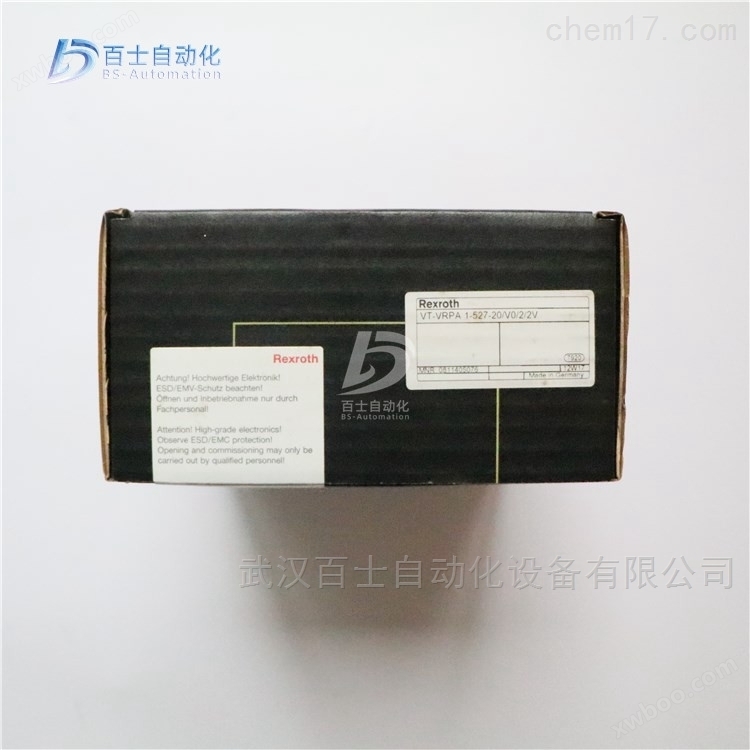
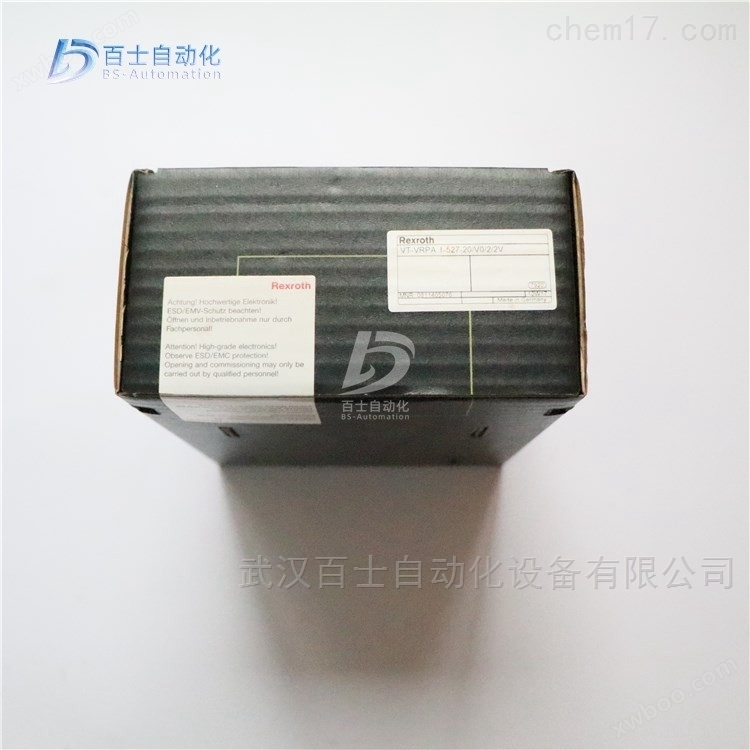
Lux Lego response valve enlarged version
NegotiableUpdate on 01/22
- Model
- Nature of the Manufacturer
- Producers
- Product Category
- Place of Origin
Overview
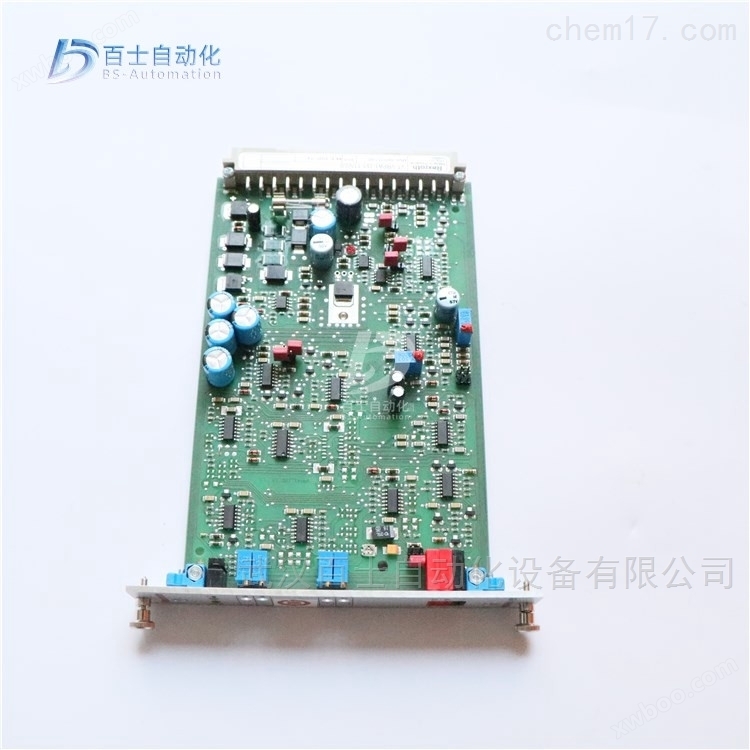
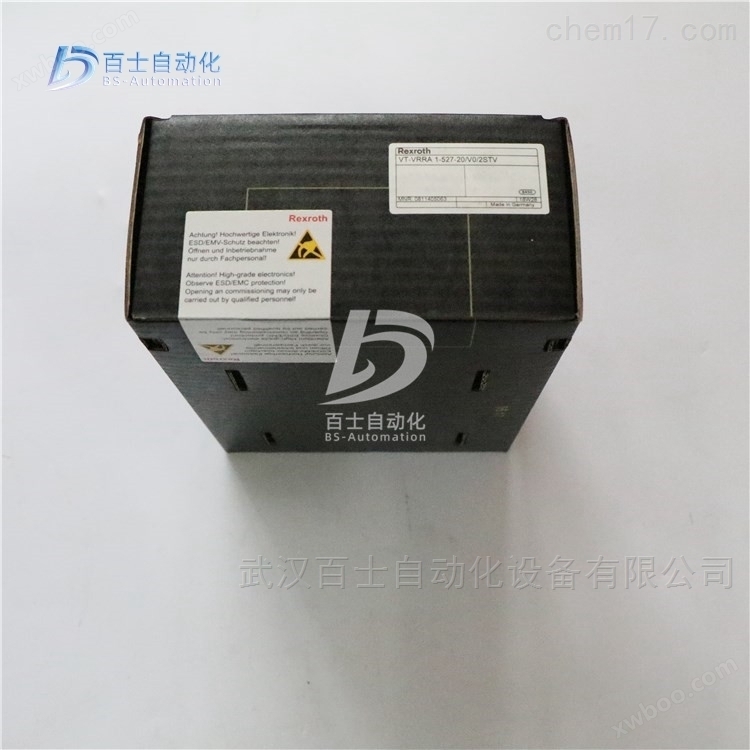
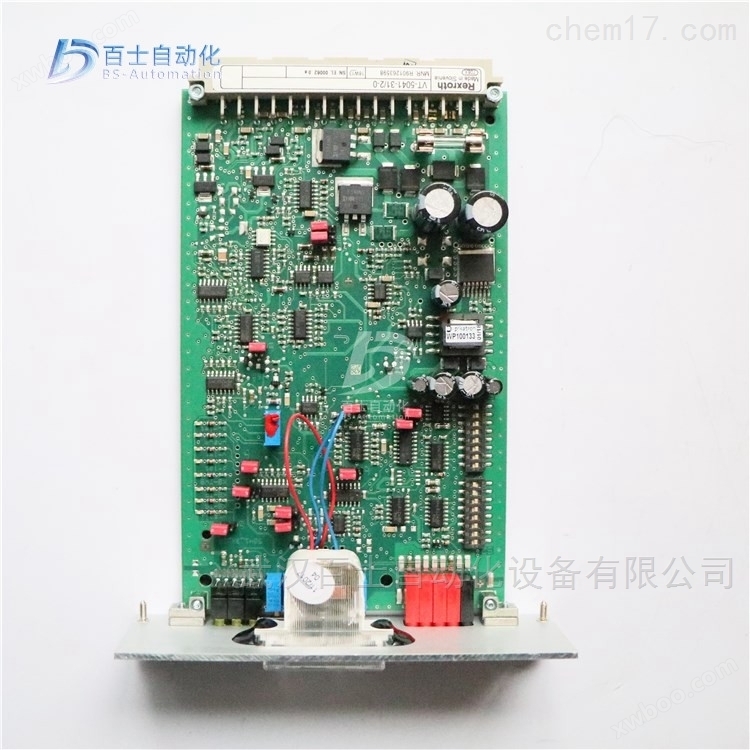
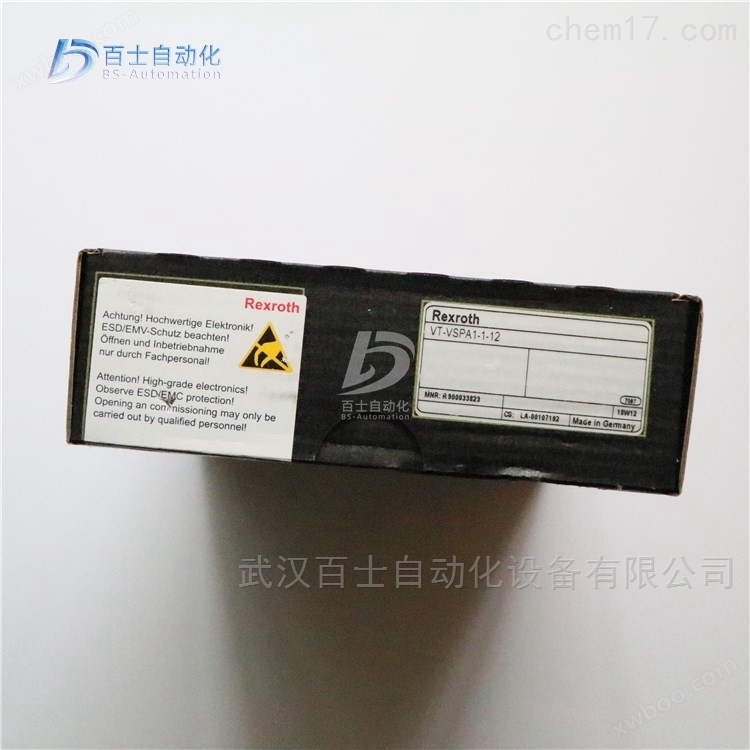
Lux Lego response valve amplification version VT-VRPA1-527-20/V0/2/V, valve amplification version for German REXROTH high response valve, Rexroth amplification version, REXROTH amplifier, Rexroth proportional valve amplification version
Product Details
Lux Lego response valve enlarged versionVT-VRPA1-527-20/V0/2/2V, The valve amplification version of German REXROTH high response valve, Rexroth amplification version, REXROTH amplifier, Rexroth proportional valve amplification version, Wuhan Baishi Automation Equipment Co., Ltd. specializes in selling products that are original from the factory and refuse high imitation and counterfeit goods. Customers can buy and use with peace of mind. *Common products available in stock, welcome new and old customers to inquire and purchase!


An amplifier is an electronic control unit suitable for open-loop proportional valves, rail mounted. The output current of the controller is proportional to the reference signal and independent of temperature changes and load impedance. The proportional electromagnet adopts PWM power supply, which can reduce the magnetic hysteresis of the valve and improve the control accuracy. On the front panel, there is an adjustment potentiometer for parameter setting, which is used to improve system performance. There are three models of this amplifier, which are used for single solenoid proportional valves, dual solenoid proportional valves, and single solenoid proportional valves with dual channel control. The high current and switching frequency (PWM) of each type of electronic control unit are different from each other, and can be selected according to the type of valve used (PWM).
Electro hydraulic proportional valve is a hydraulic component that adopts proportional control technology and is located between switch type hydraulic valves and electro-hydraulic servo valves. It has been widely used in industrial production. The input electrical signals include analog and digital types, and can be used to control parameters such as position (angle), velocity (speed), acceleration (angular acceleration), pressure (pressure difference), force (torque), etc. Components such as electro-hydraulic proportional valves can form the following three types of control circuits and systems
(1) Electro hydraulic proportional pressure control circuit and system. For example, the electro-hydraulic proportional pressure control circuit for the hydraulic auxiliary system of the strip hot rolling mill coiler, the electro-hydraulic proportional pressure control circuit for the hydraulic push up system of the plate and strip rolling mill roll gap control, and the closed-loop electro-hydraulic proportional pressure control circuit for constant tension of the strip coiling equipment;
(2) Electric hydraulic proportional flow control circuit and system. For example, the electro-hydraulic proportional pressure control circuit used for the balance hydraulic system of the precision rolling mill of the strip hot rolling mill, the electro-hydraulic proportional control circuit used for the micro feed of the machine tool, the electro-hydraulic proportional control circuit used for the synchronization of the folding plate machine of the spinning machine, and the electro-hydraulic proportional control circuit used for the elevator;
(3) Electro hydraulic proportional multi parameter control circuit and system. For example, the electro-hydraulic proportional pressure control circuit used for the hydraulic system of the precision rolling and roll changing in the hot strip rolling mill, the proportional control circuit using the wI type valve core for the vertical configuration of the hydraulic cylinder, and the speed and acceleration/deceleration control circuit for the hot rolled steel coil stepper chain conveyor.
Electro hydraulic proportional valve is a component that generates corresponding actions based on the input voltage signal of the proportional solenoid inside the valve, causing displacement of the valve core and changes in the size of the valve port, thereby completing pressure and flow output components proportional to the input voltage. The displacement of the valve core can also be fed back in mechanical, hydraulic, or electrical forms. The electro-hydraulic proportional valve has various advantages, such as diverse forms, easy composition and use of electrical and computer control of various electro-hydraulic systems, high control accuracy, flexible installation and use, and strong anti pollution ability. Its application fields are increasingly expanding. In recent years, the development and production of plug-in proportional valves and proportional multi way valves have fully considered the characteristics of engineering machinery use, and have functions such as pilot control, load sensing, and pressure compensation. Its appearance is of great significance for improving the overall technical level of mobile hydraulic machinery. Especially in terms of electronic control pilot operation, wireless remote control, and wired remote control operation, it has demonstrated its good application prospects.
Types and forms of electro-hydraulic proportional valves
Electro hydraulic proportional valves include proportional flow valves, proportional pressure valves, and proportional directional valves. The hydraulic operation characteristics of construction machinery can be divided into two main types of electro-hydraulic proportional valves based on their structural forms: one is the screw insertion proportional valve, and the other is the slide valve proportional valve.
The slide valve proportional valve, also known as the distribution valve, is one of the basic components of mobile mechanical hydraulic systems and is a composite valve that can achieve directional and flow regulation. The electro-hydraulic slide valve proportional multi way valve is an ideal electro-hydraulic conversion control component. It retains the basic functions of a manual multi way valve and also adds control methods such as position electric feedback proportional servo operation and load sensing. It is a replacement product for engineering machinery distribution valves.
Due to manufacturing cost considerations and low precision requirements for engineering machinery control, the proportional multi way valve generally does not have displacement sensing sensors and has electronic detection and error correction functions. The displacement of the valve core is easily affected by pressure fluctuations caused by load changes, and visual observation is necessary to ensure the completion of the operation. Attention should be paid to external influences when operating electronic control and remote control. Recently, with the development of electronic technology, more and more people are using displacement sensors such as internal differential transformers (LDVT) to detect the movement of valve cores, achieving closed-loop control of valve core displacement. This highly integrated proportional valve, consisting of an electromagnetic proportional valve, position feedback sensor, driver amplifier, and other electronic circuits, has a certain correction function and can effectively overcome one The disadvantage of proportional valves is that they greatly improve control accuracy.
Lux Lego response valve enlarged versionVT-VRPA1-527-20/V0/2/2V, REXROTH High Response Valve Amplification Version from Germany, Rexroth Amplification Version, REXROTH Amplifier, Rexroth Proportional Valve Amplification Version
Rexroth REXROTH High Response Valve Valve Enlarged Version
Rexroth REXROTH analog circuit amplification version, European version standard
0811405137 VT-VRPA2-527-10/V0/RTS
0811405138 VT-VRPA2-537-10/V0/RTS
0811405119 VT-VRPA2-527-10/V0/RTP
0811405120 VT-VRPA2-537-10/V0/RTP
0811405123 VT-VRRA 1-527-10/V0
0811405148 VT-VRRA 1-527-10/V0/RV
0811405032 VT-VRRA1-527-20/V0
0811405060 VT-VRRA1-527-20/V0
R901205756 VT-VRRA1-527-2X/V001
R901430294 VT-VRRA1-527-2X/V002
0811405061 VT-VRRA1-537-20/V0
0811405065 VT-VRRA1-527-20/V0/K40-AGC
0811405066 VT-VRRA1-527-20/V0/K60-AGC
0811405067 VT-VRRA1-537-20/V0/K40-AGC
0811405069 VT-VRRA1-527-20/V0/KV-AGC
0811405070 VT-VRRA1-537-20/V0/KV-AGC
0811405069 VT-VRRA1-527-20/V0/KV-AGC
0811405070 VT-VRRA1-537-20/V0/KV-AGC
0811405063 VT-VRRA1-527-20/V0/2STV
0811405064 VT-VRRA1-527-20/V0/PO-IS
0811405068 VT-VRRA1-527-20/V0/K40-AGC-2STV
0811405083 VT-KRRA2-527-20/V0/2CH
0811405082 VT-KRRA2-537-20/V0/
0811405073 VT-VRPA1-527-20/V0/RTS-2STV
081145076 vt -vrppa1-527-20 / V0 / 2 / 2V
0811405062 VT-VRPA1-537-20/V0
R900903726 VT-SR31-1X/1-2(2WRC32)
R978057614 VT-SR31-1X/1-2/ES43A8-15793/P12
R900031529 VT-SR32-1X/1-2(2WRC40)
R978057615 VT-SR32-1X/1-2/ES43A8-15793/C12
R900903732 VT-SR33-1X/1-2(2WRC50)
R900034725 VT-SR34-1X/1-2(2WRC63)
R978057616 VT-SR34-1X/1-2/ES43A8-15793/C11
R900903748 VT-SR34-1X/1-3(3WRC63)
R900903731 VT-SR35-1X/1-2(2WRC80)
R900903750 VT-SR35-1X/1-3(3WRC80)
R900903734 VT-SR36-1X/1-2(2WRC100)
R900553460 VT-SR37-1X/1-2(2WRC125)
R900903737 VT-SR38-1X/1-2(2WRC160)
R900903754 VT-SR38-1X/1-3(3WRC160)
R900770000 VT-SR41-1X/1-2WRC32-2X
R900770001 VT-SR41-1X/1-3WRC32-2X
R900770002 VT-SR42-1X/1-2WRC40-2X
R900770003 VT-SR42-1X/1-3WRC40-2X
R901285449 VT-SR43-1X/0-2WRC50-2X
R900770004 VT-SR43-1X/1-2WRC50-2X
R900770006 VT-SR43-1X/1-3WRC50-2X
Valve enlarged version of ReXROTH servo valve from Rexroth
Rexroth REXROTH Analog Amplifier Module
R900019567 VT11021-1X/
R901167581 VT11021-1X/V001
R901272388 VT11021-1X/V002
R901335573 VT11021-1X=
Hydraulic press, a forging machinery that uses high-pressure liquids (oil, emulsion, etc.) to transmit working pressure. The stroke of a hydraulic press is variable and can exert a large working force at any position. The hydraulic press works smoothly without vibration, and is easy to achieve a large forging depth. It is suitable for forging large forgings and deep drawing, packaging, and pressing of large-sized sheet metal. Hydraulic presses mainly include hydraulic presses and hydraulic presses. Some bending, straightening, and shearing machines also belong to the category of hydraulic presses.
Working principle of hydraulic press
There are many types of machines that use liquid pressure transmission to make use of Pascal's law. Of course, the uses are also diverse according to needs. According to the type of liquid that transmits pressure, there are two main categories: hydraulic presses and hydraulic presses. The total pressure generated by a hydraulic press is relatively high and is commonly used for forging and stamping. Forging hydraulic presses are divided into two types: forging hydraulic presses and free forging hydraulic presses. Die forging hydraulic presses require molds, while free forging hydraulic presses do not require molds.
Rotary forging press, a forging machinery that combines forging and rolling. The basic transmission mode of a rotary forging press is similar to that of a rolling mill. On the rotary forging press, the deformation process is gradually expanded by local deformation, so the deformation resistance is small, the machine mass is small, the work is stable, there is no vibration, and it is easy to achieve automated production. Roll forging machines, forming rolling machines, plate rolling machines, multi roll straightening machines, rolling mills, spinning machines, etc. all belong to rotary forging presses.
Working principle of rotary forging press
Rotary forging press is a forging machinery that combines forging and rolling. On the rotary forging press, the deformation process is gradually expanded by local deformation, so the deformation resistance is small, the machine mass is small, the work is stable, there is no vibration, and it is easy to achieve automated production. Roll forging machines, forming rolling machines, plate rolling machines, multi roll straightening machines, rolling mills, spinning machines, etc. all belong to rotary forging presses. The specifications of forging machinery are mostly measured in terms of load working force (kilonewtons), but forging hammers are measured in terms of the mass of the falling part of the forging hammer (kilograms), and impact energy (kilojoules). Forging machinery is often measured based on the diameter, thickness, or roll diameter of the large forming material.
Automatic feeding device, also known as automatic feeding device in forging machinery, refers to the automatic feeding device used for sheet metal processing on single machine or stamping automatic lines such as open press, closed press, multi station press, high-speed press, etc.
In the metallurgical industry, various machinery and equipment are used for smelting, casting, rolling, handling, and packaging, also known as equipment metallurgy.
The metallurgical machinery system mainly consists of a power system, a transmission system, an execution system, and a control and manipulation system.
1. Power system: refers to the driving device of the mechanical system, which is the power source of the machine, such as electric motors, hydraulic motors, etc. As a power source for metallurgical machinery, electric motors are generally used.
2. Execution system: refers to the mechanical working mechanism or execution mechanism that uses mechanical energy to change the nature, state, shape, and position of the work object. Such as the hook of a crane, the rollers of a rolling mill, etc.
3. Transmission system: an intermediate link that transmits motion and power between the power source and the actuator, such as a gearbox; Its function is to change the form of motion (speed) or the magnitude of force (torque).
4. Manipulation and control system: enables the coordination of various systems of the machine, generally achieved through manual operation, such as clutch, brake, gear shift, etc.

Hydraulic is a term used in the mechanical and electromechanical industries. Hydraulic pressure can be transmitted through power transmission, known as hydraulic transmission. Hydraulic pressure can also be used as a control method, known as hydraulic control.
Hydraulic transmission uses liquid as the working medium and utilizes the pressure energy of the liquid to transmit power.
Hydraulic control is a control method that uses pressurized fluid as the control signal transmission method. The control system composed of hydraulic technology is called a hydraulic control system. Hydraulic excavation usually includes hydraulic open-loop excavation and hydraulic closed-loop control. Hydraulic closed-loop excavation, also known as hydraulic servo control, constitutes a hydraulic servo system, which usually includes an electro-hydraulic servo system (electro-hydraulic servo system) and a mechanical hydraulic co service system (hydraulic servo system, or hydraulic servo mechanism).
A complete hydraulic system consists of five parts, namely energy device, actuator device, control and regulation device, auxiliary device, and liquid medium. Hydraulic pressure is widely used in industrial and civilian industries due to its characteristics of large power transmission, easy transmission and configuration. The function of the executing components (hydraulic cylinders and hydraulic motors) in hydraulic systems is to convert the pressure energy of liquids into mechanical energy, thereby obtaining
The required linear reciprocating motion or rotary motion. The function of the energy device (hydraulic pump) in the hydraulic system is to convert the mechanical energy of the prime mover into the pressure energy of the liquid.
Composition of hydraulic system
A complete hydraulic system consists of five parts, namely power components, actuating components, control components, auxiliary components, and working medium.
The function of power components is to convert the mechanical energy of the prime mover into the pressure energy of the liquid. The power component refers to the hydraulic pump in the hydraulic system, which provides power to the entire hydraulic system. The structural forms of hydraulic pumps generally include gear pumps, vane pumps, plunger pumps, and screw pumps.
The function of the actuator is to convert the pressure energy of the liquid into mechanical energy, driving the load to perform linear reciprocating or rotary motion. The executing components include hydraulic cylinders and hydraulic motors.
Excavated components (i.e. various hydraulic valves) control and regulate the pressure, flow rate, and direction of fluids in hydraulic systems.
Forklifts are industrial handling vehicles that refer to various wheeled handling vehicles used for loading, unloading, stacking, and short distance transportation of palletized goods. ISO/TC110, the standardization organization, refers to industrial vehicles. Commonly used for the transportation of large objects in storage, usually powered by fuel engines or batteries.
The technical parameters of a forklift are used to indicate its structural characteristics and working performance. The main technical parameters include: rated lifting capacity, load center distance, high lifting height, gantry inclination angle, high driving speed, small turning radius, small ground clearance, wheelbase, wheelbase, etc.
Industrial handling vehicles are widely used in ports, stations, airports, freight yards, factory workshops, warehouses, circulation centers, and distribution centers. They are equipment used for loading, unloading, and handling palletized goods in cabins, carriages, and containers.
Forklifts can usually be divided into three categories: internal combustion forklifts, electric forklifts, and storage forklifts.
Internal combustion forklifts are divided into ordinary internal combustion forklifts, heavy-duty forklifts, container forklifts, and side forklifts.
① Ordinary internal combustion forklift
Generally, diesel, gasoline, liquefied petroleum gas or natural gas engines are used as power sources, with a load capacity of 1.2-8.0 tons and a working channel width of 3.5-5.0 meters. Considering exhaust emissions and noise issues, they are usually used outdoors, in workshops or other places where there are no special requirements for exhaust emissions and noise. Due to the convenience of fuel replenishment, it can achieve long-term continuous operation and is capable of working in harsh environments (such as rainy days).
② Heavy duty forklift
Using diesel engines as power, with a carrying capacity of 10.0-52.0 tons, it is generally used for outdoor operations in industries such as heavy cargo docks and steel.
③ Container forklift
Powered by a diesel engine, with a carrying capacity of 8.0-45.0 tons, it is generally divided into empty container stacker crane, heavy container stacker crane, and container front crane. Applied to container handling, such as container yard or port terminal operations.
④ Side forklift
Powered by a diesel engine, with a carrying capacity of 3.0-6.0 tons. It has the ability to directly fork goods from the side without turning, so it is mainly used to fork long goods such as wooden strips, steel bars, etc.
Similar Product Recommend