-
E-mail
zhangx@gzzike.com
-
Phone
15914450057
-
Address
7th Floor, Building B1, Luogang Wanda Plaza, 2707 Kaichuang Avenue, Luogang District, Guangzhou
Product Categories
Guangzhou Zike Environmental Protection Technology Co., Ltd

Guangzhou Biological Deodorization Device
NegotiableUpdate on 03/21
- Model
- Nature of the Manufacturer
- Producers
- Product Category
- Place of Origin
Overview
Guangzhou Biological Deodorization Device: It is a large surface area biological packing material that is attached and grown by organisms, allowing microorganisms to form a biofilm on the surface of the biological packing material in a suitable environment. The microorganisms in the biofilm use inorganic and organic matter in the exhaust gas as a carbon source and energy source, maintain their life activities by degrading odorous substances, and decompose odorous substances into odorless substances such as water, carbon dioxide, water, minerals, etc., achieving the purpose of purifying odorous gases.
Product Details
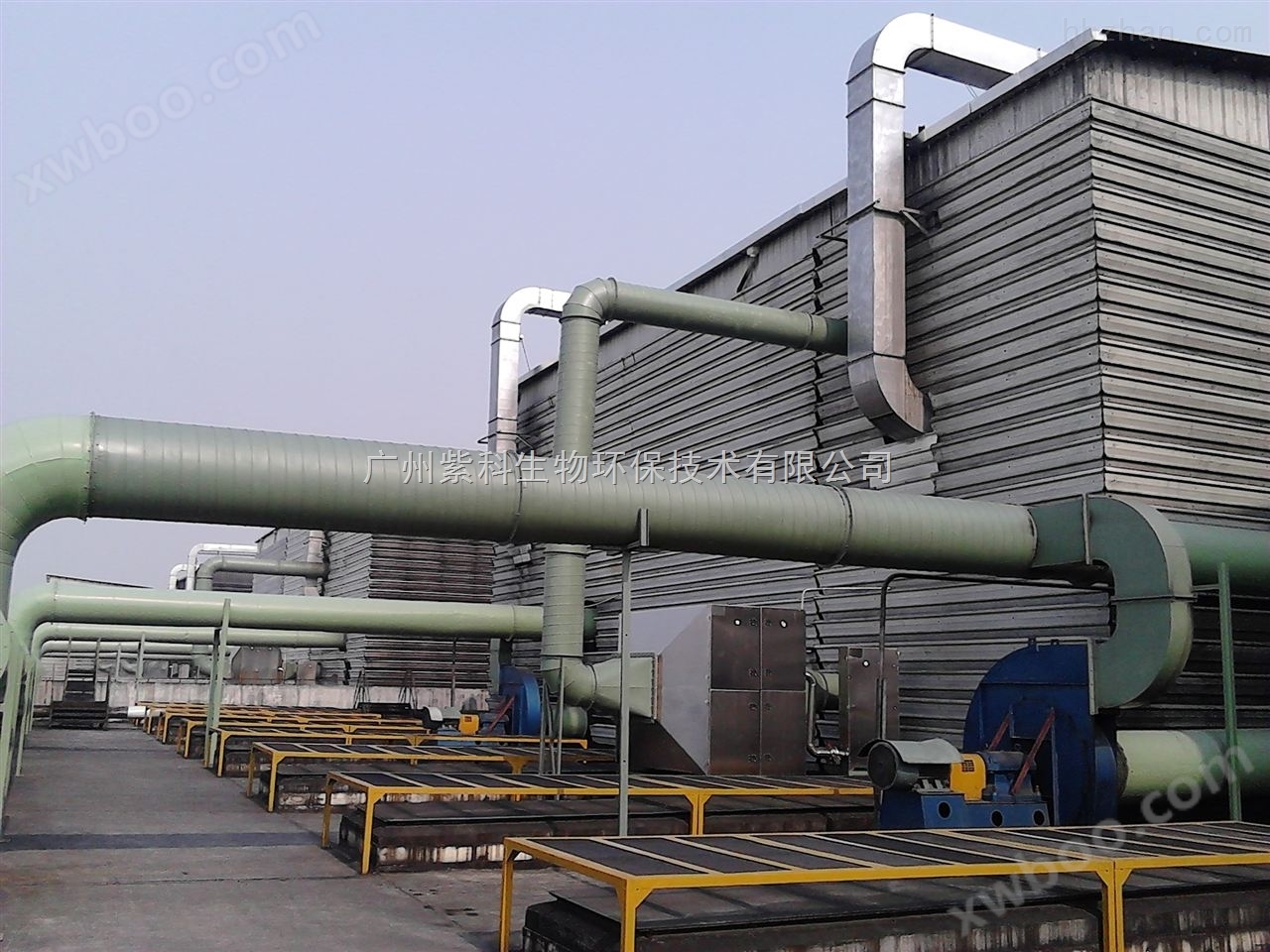
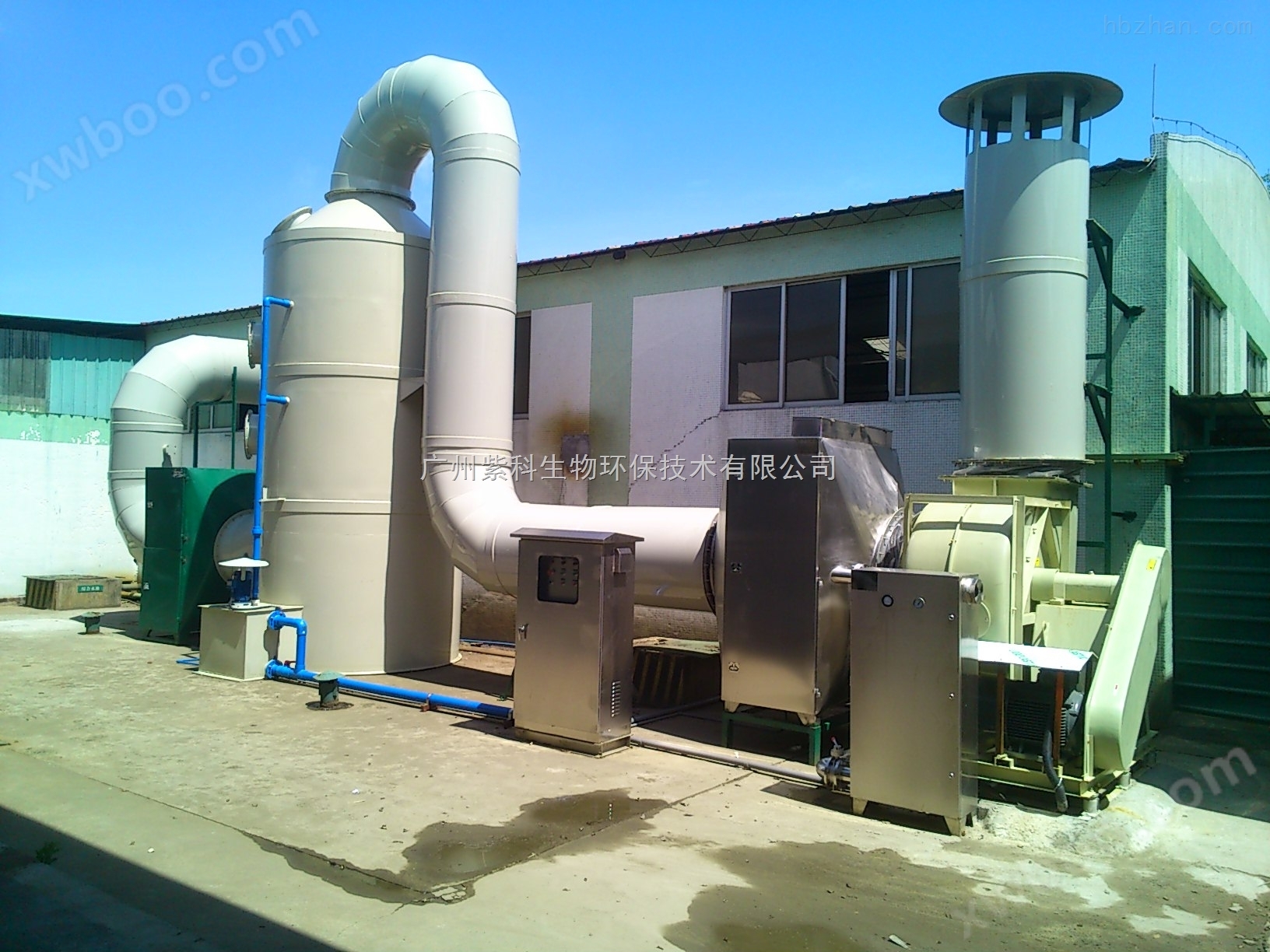
Guangzhou Biological Deodorization Device
Odor gas collection device → biological filtration device → exhaust fan → standard emission
Filter → Regular discharge of filter residue
Design Description of Biological Filtration Purification Process
Biological filtration is a relatively new method for air pollution control, which utilizes microorganisms to degrade or transform volatile organic compounds, as well as odorous substances such as hydrogen sulfide and ammonia in the air. Firstly, introduce the basic principle of biological filtration method for treating organic waste gas, including types of fillers, humidity PH、 Temperature and other factors affect the performance parameters of biological filtration methods. At the same time, the application scope of biological filtration method and the improvement of traditional biological filtration method were summarized.
Guangzhou Biological Deodorization Device
The biological purification process can effectively degrade pollutants such as hydrogen sulfide, ammonia, methane, * amine, methyl mercaptan, methyl sulfide, dimethyl disulfide, carbon disulfide, and styrene generated by various industry related systems. These odorous components are mainly products of organic matter in water under anaerobic conditions. The later stage filter bed can be selected according to the conditions of the waste gas source to enhance treatment. (such as activated carbon adsorption deodorization, plant liquid deodorization, etc.)
Biological filtration can remove odors, volatile organic compounds (VOCs), and harmful substances from the air. The specific application scope includes: removing volatile organic compounds (VOCs) generated in industrial production, production odors in waste treatment processes, volatile substances in contaminated soil and groundwater, odors generated in feces treatment processes, and low-level exhaust gases from high air volume vehicles such as tunnels. Biofiltration can degrade most volatile and semi volatile organic compounds. The substances that have been tested for removal by biofiltration include ammonia, carbon monoxide, hydrogen sulfide, methane, methanol, ethanol, isopropanol, n-butanol, ethylhexanol, propane, isopentane, ethane, butanal, acetone, butyl acetate, acetate, diethylamine, triethylamine, disulfide, skatole, indole, methyl mercaptan, chloromethane, ethylene, trichloroethylene, tetrachloroethylene, nitrogen oxides, dimethyl sulfide, thiophene, benzene, toluene, xylene, ethylbenzene, styrene, etc.
Similar Product Recommend