-
E-mail
zhangx@gzzike.com
-
Phone
15914450057
-
Address
7th Floor, Building B1, Luogang Wanda Plaza, 2707 Kaichuang Avenue, Luogang District, Guangzhou
Product Categories
Guangzhou Zike Environmental Protection Technology Co., Ltd

Direct sales of photocatalytic exhaust gas treatment equipment
NegotiableUpdate on 03/22
- Model
- Nature of the Manufacturer
- Producers
- Product Category
- Place of Origin
Overview
Direct sales of photocatalytic exhaust gas treatment equipment: not only can it effectively remove volatile organic and inorganic compounds such as benzene, formaldehyde, acetone, ammonia, nitrogen dioxide, hydrogen sulfide, etc., but it also has the function of decomposing pathogenic bacteria and toxins.
Product Details
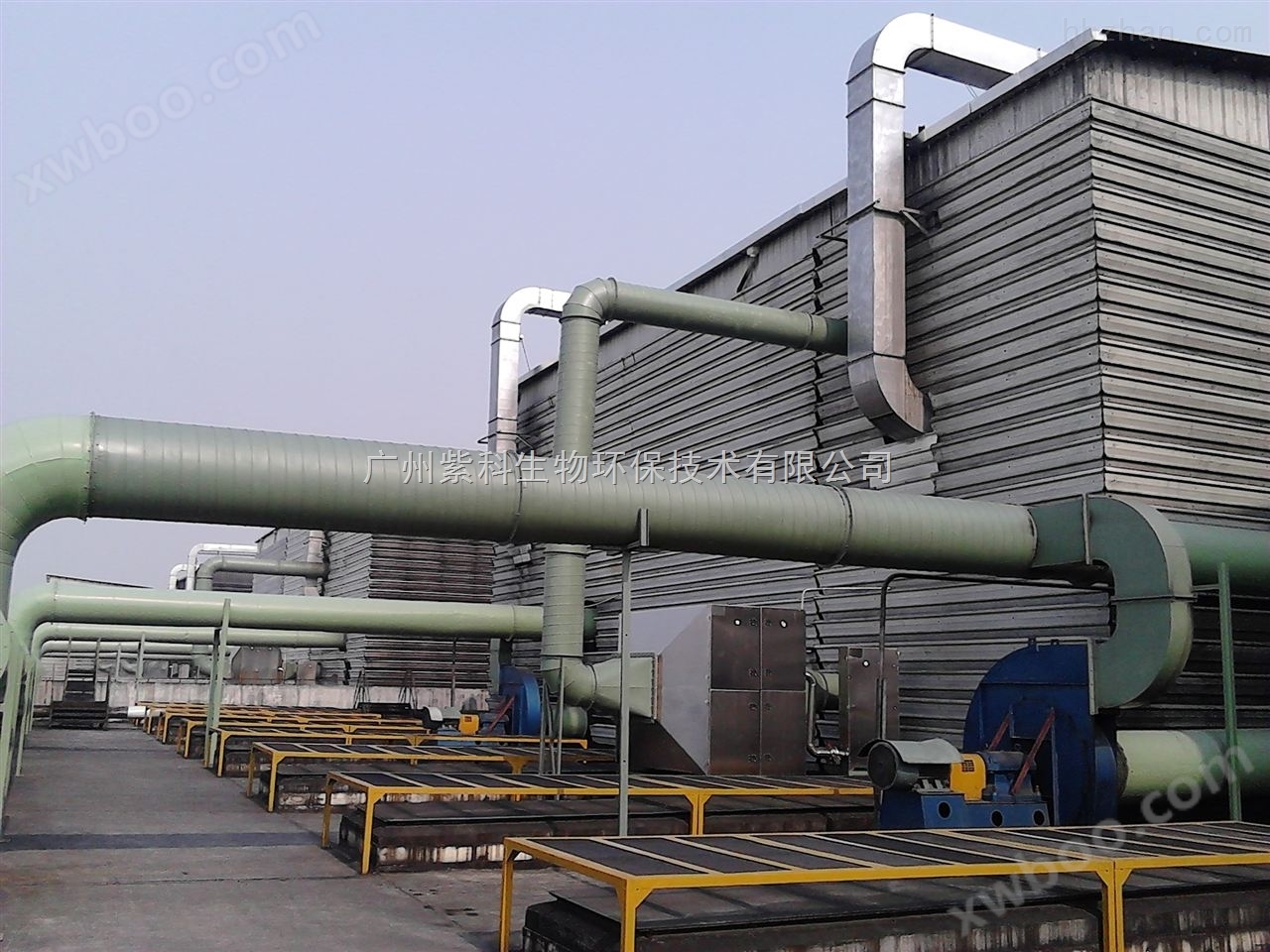
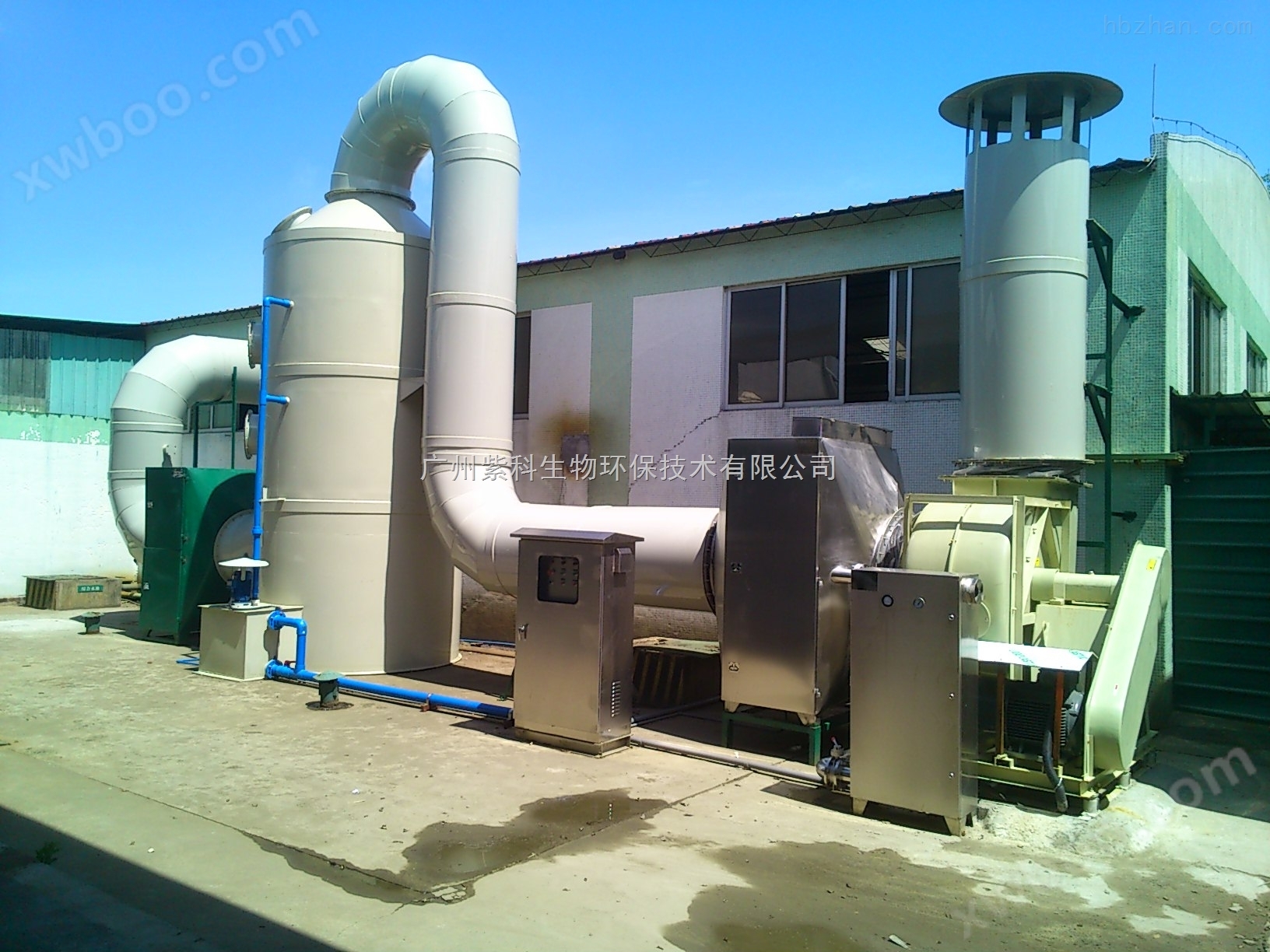
Direct sales of photocatalytic exhaust gas treatment equipment
(1) Photocatalytic oxidation is suitable for oxidizing waste odorous gases into non-toxic and harmless substances at room temperature, and is suitable for treating high concentration, large gas volume, and highly stable toxic and harmful gases in exhaust gas treatment.
(2) Effective Purification *:
Through photocatalytic oxidation, waste odorous gases in the air can be directly oxidized into non-toxic and harmless substances, without leaving any secondary pollution,
(3) Green energy:
Photocatalytic oxidation utilizes the vacuum wave ultraviolet light generated by artificial ultraviolet lamps as energy to activate photocatalysts and drive oxidation-reduction reactions. Moreover, photocatalysts are not consumed during the reaction process, and the use of oxygen in the air as an oxidant effectively degrades toxic and harmful waste gases, becoming the most significant energy-saving feature of photocatalysis.
(4) Strong oxidizing property:
Semiconductor photocatalysis has strong oxidizing properties and can effectively decompose certain organic compounds that are difficult to oxidize by ozone, such as carbon tetrachloride and hexachlorobenzene. Therefore, it has special significance for organic compounds that are difficult to degrade. The effective oxidants for photocatalysis are hydroxyl radicals (OH -) and superoxide ion radicals (O2-, 0-), which have higher oxidizing properties than common ozone, hydrogen peroxide, *, hypochlorous acid, etc.
Direct sales of photocatalytic exhaust gas treatment equipment
1、 The photocatalytic exhaust gas treatment equipment uses a specially designed high-energy high ozone UV beam to irradiate odorous gases, changing the molecular chain structure of odorous gases such as ammonia, * amine, hydrogen sulfide, methylthio hydrogen, methyl mercaptan, methyl sulfide, dimethyl disulfide, carbon disulfide and styrene, sulfides H2S, VOCs, benzene, toluene, xylene, etc., so that the molecular chains of organic or inorganic high molecular weight odorous compounds can be degraded and transformed into low molecular weight compounds such as CO2, H2O, etc. under high-energy UV beam irradiation.
2、 Utilizing high-energy and high ozone UV beams to decompose oxygen molecules in the air to produce free oxygen, also known as reactive oxygen species. Due to the imbalance of positive and negative electrons carried by free oxygen, it needs to combine with oxygen molecules to produce ozone.
UV+O2 → O -+O * (reactive oxygen species) O+O2 → O3 (ozone), * ozone has * oxidation effect on organic matter, and has * removal effect on odorous gases and other irritating odors.
3、 After the odorous gas is input into this purification equipment through exhaust equipment, the purification equipment uses high-energy UV ultraviolet beams and ozone to synergistically decompose and oxidize the odorous gas, causing it to degrade and convert into low molecular weight compounds, water, and carbon dioxide, which are then discharged outdoors through exhaust pipes.
4、 By using high-energy UV beams to break down the molecular bonds of bacteria in odorous gases, the nucleic acid (DNA) of bacteria is destroyed, and then oxidized by ozone to achieve deodorization and kill bacteria.
Similar Product Recommend