-
E-mail
1037149724@qq.com
-
Phone
15221419697
-
Address
No. 8 Nanhong Road, Fengxian District, Shanghai
Product Categories
Shanghai Guiyong Electronics Co., Ltd


GY-ZNJY Food Membrane Filter Fully Enclosed Bacterial Collector Brand
NegotiableUpdate on 01/23
- Model
- Nature of the Manufacturer
- Producers
- Product Category
- Place of Origin
Overview
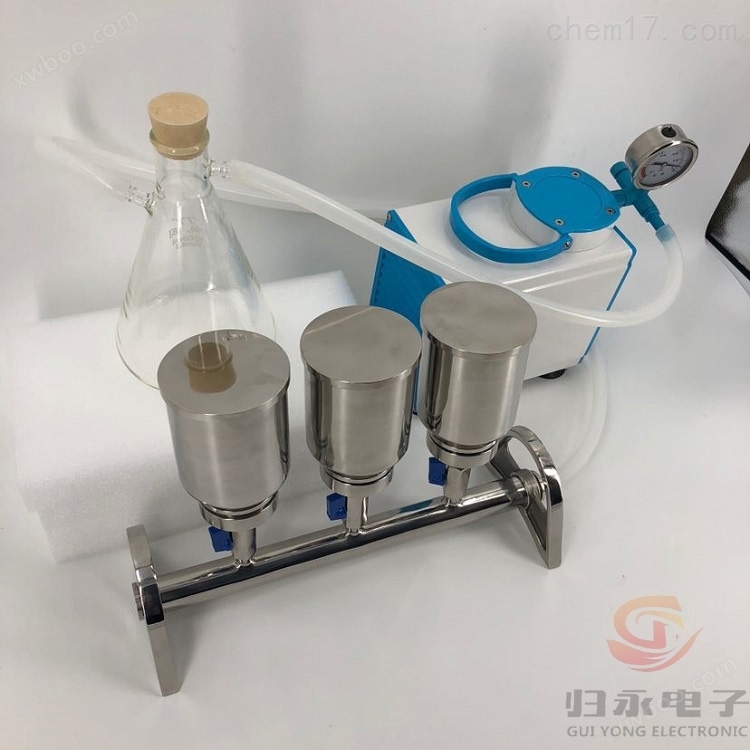
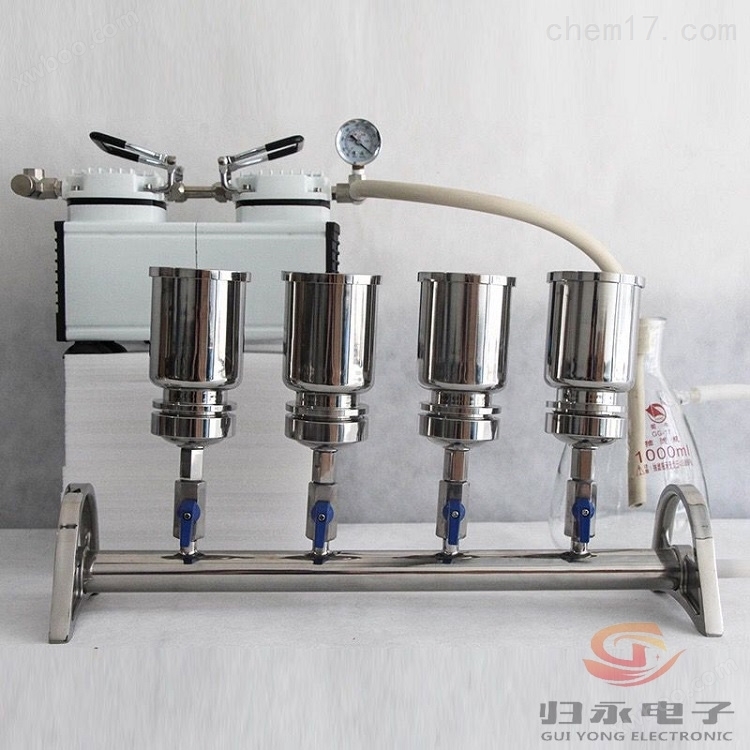
The Guiyong Intelligent Bacterial Collector adopts an integrated stainless steel casing design, and the material is all L304 sanitary grade stainless steel, which solves the problem of sterile space The requirement for high cleanliness instruments in microbiology rooms is to improve the service life of the instruments and reduce the cost of maintenance and replacement caused by surface rust problems of traditional microbial collectors. Avoiding surface corrosion caused by chemical substances, the design of the casing surface leaves no dead corners. GY-ZNJY Food Membrane Filter Fully Enclosed Bacterial Collector Brand
Product Details
Fully enclosed bacterial collection instrument, microbial detection bacterial collection instrument, dual microbial collection instrument
Product Introduction
Guiyong IntelligentBacterial collection instrumentDesigned with an integrated stainless steel casing, all made of L304 sanitary grade stainless steel, it solves the problem of sterile space The requirement for high cleanliness instruments in microbiology rooms is to improve the service life of the instruments and reduce the cost of maintenance and replacement caused by surface rust problems of traditional microbial collectors. Avoiding surface corrosion caused by chemical substances, the design of the casing surface leaves no dead corners.
Product Principle
The function of a bacterial collection instrument is to test whether the test sample contains bacteria, and it is used in conjunction with a bacterial culture apparatus. One of its detection processes is as follows: the test sample is continuously injected into the purification chamber bacterial culture instrument through the injection pipeline, and then the downward pressure formed in the bacterial culture instrument is used to filter through the filter membrane. Microorganisms that may exist in the test sample are intercepted and collected on the filter membrane. We remove the antibacterial components of the test sample by washing the filter membrane. Then, the required culture medium can be directly injected into the bacterial collection incubator through the injection pipeline, and incubated at the specified temperature. The purification room bacterial collection instrument is used to observe whether there is any growth of bacteria. It can be used for microbial limit testing in industries such as food and beverage.GY-ZNJY Food Membrane Filter Fully Enclosed Bacterial Collector Brand
General troubleshooting of purification room bacterial collection instrument:
No display on the screen: Check the power supply, sockets, instrument fuses, etc.
Unstable motor operation: Check if the power supply voltage is too low (the instrument will appear intermittently when the voltage is below 200V).
Pump head impeller does not rotate: Stop the impeller first, remove the pump cover plate, rotate the impeller to expose the fixing screw, and tighten the fixing screw.
Rubbing the impeller with the pump head: Check the deviation of the impeller in the upper and lower positions, and loosen the fixing screws of the impeller. Adjust the position of the wheel appropriately, and then tighten the fixing screws.
The clean room bacterial collection instrument can operate without load. When the load cannot operate, check whether the three rollers on the roller are stuck. If they cannot rotate, the entire roller can be replaced.
Scope of application
1. Pharmaceutical industry: Aseptic testing and microbiological limit testing of purified water, injection water, sterile preparations (large infusion, small injection, powder, biological products, blood products, ophthalmic preparations, maintenance fluids, etc.);
2. Medical device industry: Aseptic testing and microbiological limit testing for purified water, injection water, syringes, infusion sets, blood transfusion sets, intravenous catheters, etc;
3. Food and beverage industry;
4. Environmental protection industry, etc.
Intelligent Production by Shanghai GuiyongBacterial collectorGY-ZNJY is a supporting equipment for disposable fully enclosed bacterial culture equipment, widely used for sterile testing of injectable preparations, including antibiotics and drugs containing antibacterial ingredients, infusion solutions, water injections, sterilized medical equipment, sterile injection water, etc. It can also be used for microbial limit testing in the food and beverage industries.GY-ZNJY Food Membrane Filter Fully Enclosed Bacterial Collector Brand


The content of the 2015 Pharmacopoeia Part IV General Principles remains unchanged. The test quantity refers to the small amount (g or ml) of the test sample inoculated into each culture medium per small package. Unless otherwise specified, the inspection quantity of the test sample shall be in accordance with Table 3. If the volume of each test sample (bottle) is sufficient to inoculate two types of culture media according to regulations, they should be inoculated separately with thioglycolate fluid culture medium and pancreatic casein soy peptone liquid culture medium. When using membrane filtration method, as long as the characteristics of the test sample allow, all contents in all containers should be filtered. Positive control bacteria should be selected based on the characteristics of the test sample: for test samples with no antibacterial effect and mainly anti Gram positive bacteria, * should be used as the control bacteria; The main test sample for anti Gram negative bacteria is Escherichia coli as the control bacterium; The test sample for anaerobic bacteria is Bacillus subtilis as the control bacterium; The test sample for antifungal treatment is Candida albicans as the control bacterium. The preparation of bacterial solution for positive control test is the same as the applicability test of the same method. The amount of bacteria added is less than or not greater than 100 cfu, and the amount of test sample used is the same as the amount of sample inoculated per culture medium during the sterility test of the test sample. The positive control tube should not grow well for more than 5 days within 72 hours of cultivation. There is no change in the content of the 2020 and 2015 editions of the Pharmacopoeia Part Four General Rules for this project. When handling the test sample and inoculating the culture medium, use a suitable disinfectant method to disinfect the surface of the test sample container. If there is a certain degree of vacuum inside the test sample container, use a suitable sterile equipment (such as a needle with a sterilization filter) to introduce sterile air into the container, and then open the container according to the sterile operation to remove the contents. Unless otherwise specified, the following methods should be used for sample processing and inoculation culture medium membrane filtration. Generally, closed membrane filters should be used for membrane filtration, and the membrane material should be selected based on the characteristics of the sample and its solvent. The pore size of the filter membrane used for aseptic testing should not exceed 0.45 μ m, and the diameter of the filter membrane should be approximately 50mm. The filter membrane material should be selected based on the characteristics of the test sample and its solvent. If other sizes of filter membranes are used, the volumes of diluent and rinse solution should be adjusted and revalidated. When using, the integrity of the filter membrane should be ensured before and after filtration. Before filtering the water-soluble test solution, a small amount of flushing solution should generally be filtered to wet the filter membrane. The filter membrane and filter of the oil test sample should be thoroughly dried before use. To maximize the filtration efficiency of the membrane, it is important to ensure that the test solution and rinse solution cover the entire surface of the membrane. After the test solution is filtered through the membrane, if it is necessary to rinse the filter membrane with flushing solution, the amount of flushing per filter membrane is generally 100ml, and the total flushing volume is generally not more than 1000ml, 500ml, or 1000ml, to avoid damage to the microorganisms on the filter membrane. Water solution test sample Water soluble liquid test sample There is no change in the content of the 2020 and 2015 editions of the Pharmacopoeia Part Four General Rules for this project Water soluble solids and semi-solid test samples There is no change in the content of the 2020 and 2015 editions of the Pharmacopoeia Part Four General Rules for this project Non water soluble test samples There is no change in the content of the 2020 and 2015 editions of the Pharmacopoeia Part Four General Rules for this project
The paste and viscous oil soluble in isopropyl tetradecanoate are mixed in the specified amount into an appropriate amount of sterile isopropyl tetradecanoate. The mixture is vigorously shaken to fully dissolve the test substance. If necessary, it can be heated appropriately, but the heating temperature should generally not exceed 40 ° C or 44 ° C. Filter quickly while hot. For the test sample that still cannot be filtered, add at least 100ml of suitable diluent to the test solution containing an appropriate amount of sterile isopropyl tetradecanoate, shake and extract thoroughly, let it stand, and take the lower aqueous phase as the test solution for filtration. Wash the filter membrane after filtration and inoculate the culture medium according to the method under the test item for non water soluble preparations. Take the specified amount of sterile aerosol test sample and transfer it to a closed membrane filter using equipment. Or freeze each container at -20 ° C or other suitable temperature for about 1 hour, remove it, quickly drill a small hole at the top of the container with aseptic operation, release the propellant, then sterile open the container, and transfer the test sample to the sterile container for mixing. Quickly disinfect the opening part or valve door of the test sample, place the container upright, and use sterile steel cone or needle sampling equipment to quickly drill a small hole at a suitable position that matches the valve structure of the container with aseptic operation. The size and depth of the drilling holes in different containers should be basically the same, and there should be no obvious propellant thrown out after drilling. Gently rotate the container to slowly release the propellant, release the propellant, then sterile open the container again, and transfer the test solution to the sterile container for mixing. If necessary, rinse with flushing solution. Container inner wall. The test sample can also be extracted using other suitable methods. Then test the sample as a water-soluble liquid or as a non water soluble liquid
The paste and viscous oil soluble in isopropyl tetradecanoate are mixed in the specified amount into an appropriate amount of sterile isopropyl tetradecanoate. The mixture is vigorously shaken to fully dissolve the test substance. If necessary, it can be heated appropriately, but the heating temperature should generally not exceed 40 ° C or 44 ° C. Filter quickly while hot. For the test sample that still cannot be filtered, add at least 100ml of suitable diluent to the test solution containing an appropriate amount of sterile isopropyl tetradecanoate, shake and extract thoroughly, let it stand, and take the lower aqueous phase as the test solution for filtration. Wash the filter membrane after filtration and inoculate the culture medium according to the method under the test item for non water soluble preparations. Take the specified amount of sterile aerosol test sample and transfer it to a closed membrane filter using equipment. Or freeze each container at -20 ° C or other suitable temperature for about 1 hour, remove it, quickly drill a small hole at the top of the container with aseptic operation, release the propellant, then sterile open the container, and transfer the test sample to the sterile container for mixing. Quickly disinfect the opening part or valve door of the test sample, place the container upright, and use sterile steel cone or needle sampling equipment to quickly drill a small hole at a suitable position that matches the valve structure of the container with aseptic operation. The size and depth of the drilling holes in different containers should be basically the same, and there should be no obvious propellant thrown out after drilling. Gently rotate the container to slowly release the propellant, release the propellant, then sterile open the container again, and transfer the test solution to the sterile container for mixing. If necessary, rinse with flushing solution. Container inner wall. The test sample can also be extracted using other suitable methods. Then test the sample as a water-soluble liquid or as a non water soluble liquid
Similar Product Recommend