-
E-mail
hzhuf@163.com
-
Phone
13503187732
-
Address
Hongwuzhuang Village, Zaoqiang County, Hebei Province
Product Categories
Zaoqiang Runhe Environmental Protection Equipment Co., Ltd
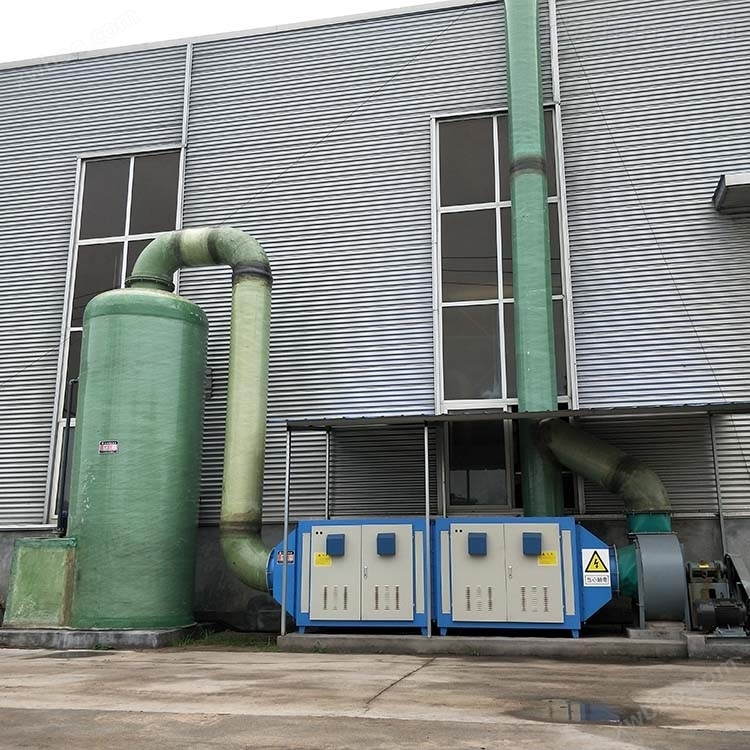
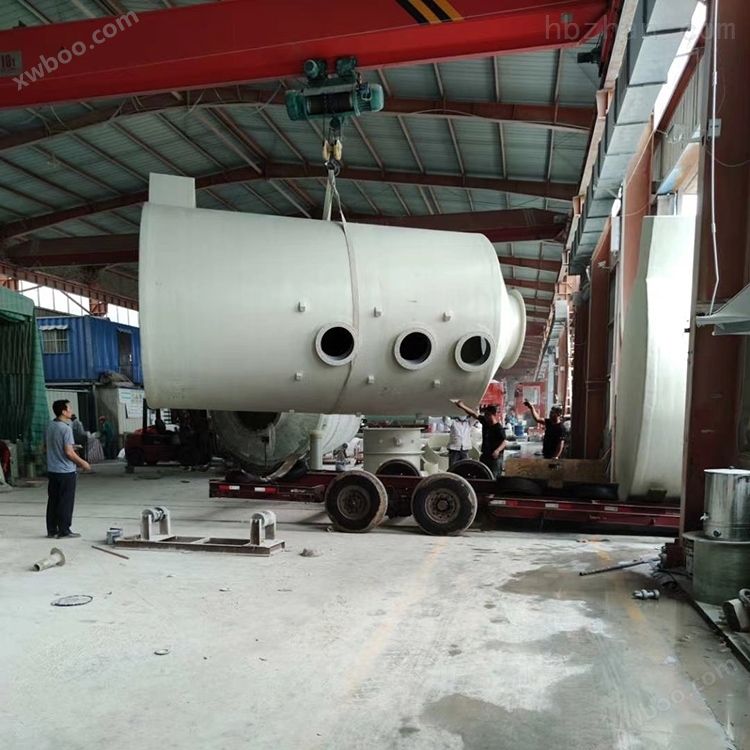
Reaction tank tail gas absorption tower Wudong
NegotiableUpdate on 03/23
- Model
- Nature of the Manufacturer
- Producers
- Product Category
- Place of Origin
Overview
The reaction tank exhaust gas absorption tower in Wudong can also be referred to as a fermentation tank gas absorption tower, fermentation tank exhaust gas absorption tower, or fermentation tank air absorption tower. The reaction tank exhaust gas absorption tower can be divided into parallel flow and counter flow operations according to the direction of gas-liquid flow.
Product Details
Reaction tank tail gas absorption tower WudongAlso known as fermentation tank gas absorption tower, fermentation tank exhaust gas absorption tower, fermentation tank air absorption tower, the reaction tank exhaust gas absorption tower can be divided into parallel flow and counter flow operations according to the direction of gas-liquid flow. The structure of the reaction tank tail gas absorption tower is simple, easy to manufacture, occupies a small area, and is convenient for disassembly, assembly, and transportation.
Working principle of reaction tank tail gas absorption tower:
Fiberglass acid gas absorption tower, the gas inside the tower is sent by a fan and flows from bottom to top. The absorbing liquid is pumped into the top of the tower by an acid resistant pump and uniformly sprayed downwards through a liquid distribution device to form countercurrent absorption. The neutralized gas passes through the dehazing section inside the tower and is discharged into the atmosphere through a chimney. Different acidic gases are absorbed by different absorbing liquids.
The bottom of the tail gas absorption tower of the reaction tank is a circulating water tank, the upper part of the water tank is an air inlet, and the top of the tower is connected to the washing liquid inlet and nozzle. There is an inert solid material attached to the tower, which is called the filling material of the tower. The filling material can provide a large gas-liquid contact area. The exhaust gas diffuses inward from the right inlet of the filling material section and flows in the opposite direction to the liquid sprayed in mist through the gap of the filling material. The "liquid" and "gas" phases are in close contact; The pollutant molecules contained in the gas are absorbed by the circulating washing solution inside the tower. The purified gas is discharged from the washing tower after passing through the dehazing layer of the reaction tank tail gas absorption tower, and then enters the fan to be discharged into the chimney. On the other hand, pollutants in the exhaust gas flow into the circulating water tank at the bottom of the tower with the circulating liquid. After the pollutants reach a certain concentration, the circulating water will be discharged into the wastewater treatment system.
Characteristics of reaction tank tail gas absorption tower:
⑴ Simple process, low operating costs, easy installation, and corrosion resistance;
⑵ Lightweight, easy to install, transport, and maintain;
Operation of reaction tank tail gas absorption tower:
Before operating the tail gas absorption tower of the reaction tank, ensure that it has been installed correctly as required.
2. The operation of the tail gas absorption tower in the reaction tank mainly involves the start of the water pump. The start of the water pump is divided into manual and automatic, and generally it is controlled automatically. During the operation, only the following checks need to be carried out:
1) Before operating the tail gas absorption tower in the reaction tank, it is also necessary to check whether the water level in the circulating water tank meets the requirements; It is strictly prohibited to start the water pump without water.
2) The circulating water pump should start before the system fan starts in manual mode.
3) When starting the tail gas absorption tower of the reaction tank, the operation status of the spray liquid in the packing box inside the tower should be checked to determine the sufficient contact between the gas-liquid phase and whether the packing needs to be replaced or cleaned.
4) If the nozzle spraying status does not meet the requirements or the water pump is abnormal after starting, the machine should be stopped immediately for inspection.
5) Should be replaced dailyReaction tank tail gas absorption tower WudongDiluted liquid in the circulating water tank.
Similar Product Recommend