-
E-mail
1292223807@qq.com
-
Phone
13912479193
-
Address
No. 203 Hongyun Road, Jidian Industrial Park, Xinwu District, Wuxi City, Jiangsu Province
Product Categories
Wuxi Guanya Constant Temperature Refrigeration Technology Co., Ltd
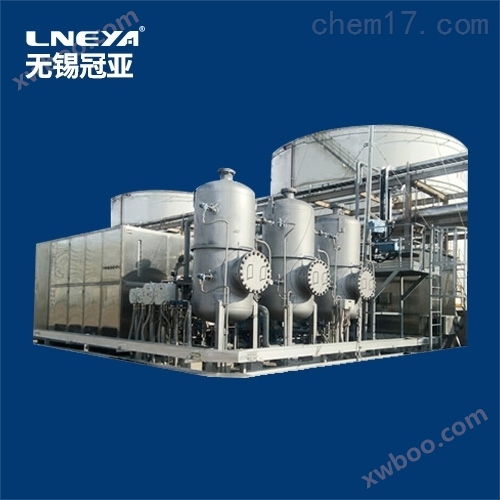
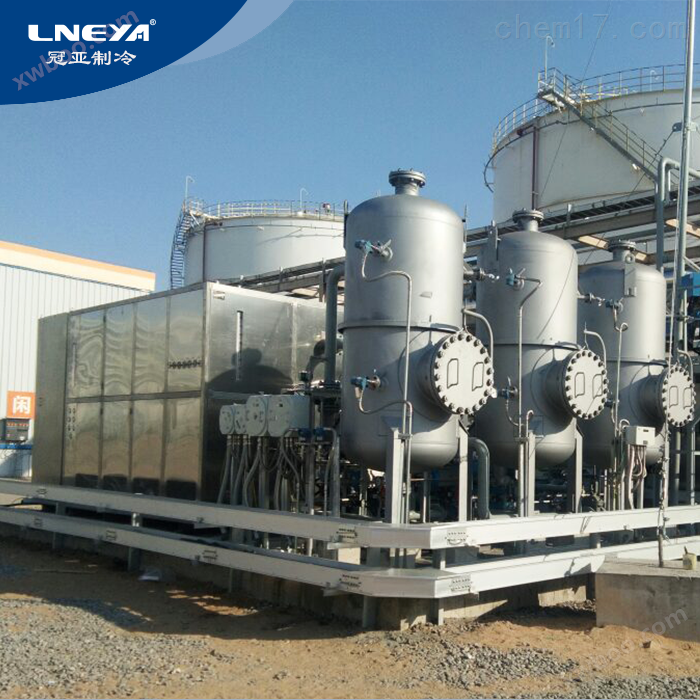
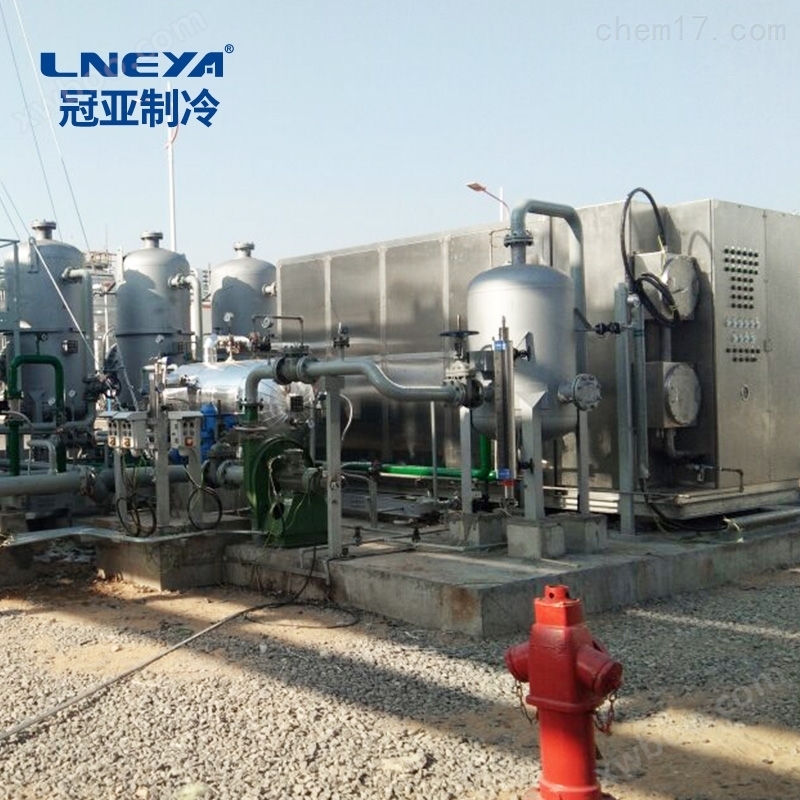
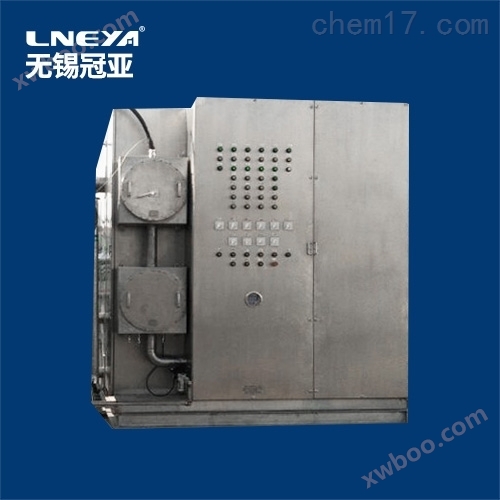
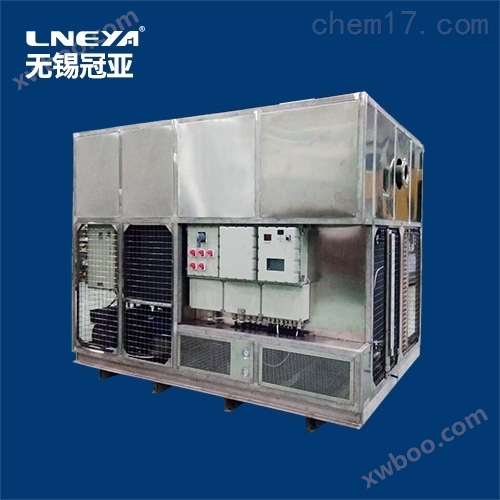
Oil and gas recovery unit at unloading dock - Acetone condensation equipment - VOCs
NegotiableUpdate on 02/28
- Model
- Nature of the Manufacturer
- Producers
- Product Category
- Place of Origin
Overview
The oil and gas recovery device at the unloading dock - acetone condensation equipment - VOCs, introduces volatile VOCs gas into the equipment cold box (the device is set to a condensation temperature of 3 ℃ -40 ℃ -75 ℃ -115 ℃). Other temperature zones can be customized to follow the demand for gradual condensation liquefaction. Part of the continuous production processes have implemented a dual path switching process in the low-temperature section, where one side experiences ice blockage and is directly transferred to another heat exchange cold box for condensation, while the ice blockage side undergoes defrosting treatment.
Product Details


Oil and gas recovery unit at unloading dock - Acetone condensation equipment - VOCs
Oil and gas recovery unit at unloading dock - Acetone condensation equipment - VOCs
Oil and gas recovery device at the unloading dockWhat are the commonly used methods for handling this? Let's look down together next!
Thermal destruction method
Thermal destruction method refers to the direct and auxiliary combustion of organic gases, namely VOCs, or the use of suitable catalysts to accelerate the chemical reaction of VOCs, ultimately reducing the concentration of organic matter and making it no longer harmful.
The thermal decomposition method has a good treatment effect on organic waste gas with low concentration, and therefore has been widely used in the treatment of low concentration waste gas. This method is mainly divided into two types, namely direct flame combustion and catalytic combustion. The heat treatment efficiency of organic waste gas by direct flame combustion is relatively high and can generally be achieved. Catalytic combustion refers to the acceleration of the chemical reaction rate of organic waste gas under the action of a catalytic bed. This method takes less time than direct combustion and is a high concentration, low flow organic waste gas purification technology.
adsorption method
The adsorption method in organic waste gas is mainly suitable for low concentration, high-throughput organic waste gas. At present, the treatment method for organic waste gas is quite mature, with relatively low energy consumption, but very high treatment efficiency, and can purify harmful organic waste gas. Practice has proven that this processing method is worth promoting and applying.
However, this method also has certain drawbacks, as it requires a relatively large equipment volume and a complex process flow; If there are a large number of impurities in the exhaust gas, it is easy to cause poisoning to the workers. So, the key to using this method to treat exhaust gas lies in the adsorbent. Currently, adsorption method is widely used to treat organic waste gas, mainly due to the good pore structure and strong adsorption of activated carbon.
In addition, after treatment with iron oxide or ozone, the adsorption performance of activated carbon will be better, and the treatment of organic waste gas will be safer and more effective.
Liquid absorption method
Liquid absorption method refers to the separation of organic waste gas by transferring harmful molecules from the organic waste gas to the absorbent through contact with the absorbent. This processing method is a typical physical and chemical process. After the organic waste gas is transferred to the absorbent, harmful molecules in the absorbent are removed using analytical methods, and then recovered to achieve the reuse and utilization of the absorbent.
From the perspective of the principle of action, this method can be divided into chemical methods and physical methods. Physical methods refer to the use of the principle of solubility between substances, treating water as an absorbent to remove harmful molecules from organic waste gases. However, for waste gases that are insoluble in water, such as benzene, they can only be removed through chemical methods, that is, by reacting organic waste gases with solvents and then removing them.
Condensation recovery method
At different temperatures,Oil and gas recovery device at the unloading dockThe saturation of organic matter varies, and the condensation recovery method utilizes this characteristic of organic matter to extract organic matter in a steam environment through condensation by reducing or increasing system pressure. After condensation extraction, organic waste gas can be purified to a relatively high degree. Its disadvantage is that it is relatively difficult to operate, and it is not easy to use cooling water to complete at room temperature. It requires cooling the condensed water, so it requires a lot of cost. This treatment method is mainly suitable for the treatment of organic waste gas with high concentration and relatively low temperature.


Similar Product Recommend