-
E-mail
sales@surttz.com
-
Phone
15618522845
-
Address
No. 5588 Cao'an Road, Jiading District, Shanghai
Product Categories
Shanghai Xinci Precision Instrument Co., Ltd

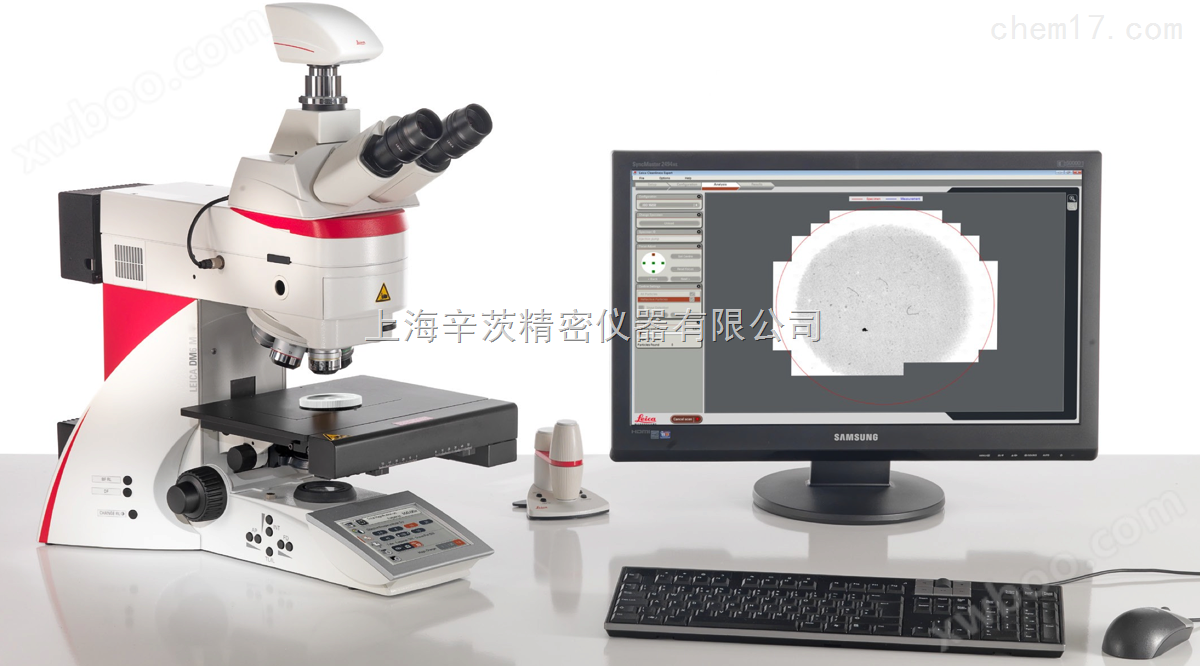
Automatic Cleanliness Analysis System
NegotiableUpdate on 01/21
- Model
- Nature of the Manufacturer
- Producers
- Product Category
- Place of Origin
Overview
Automatic Cleanliness Analysis System: Compliant with ISO16232 VDA19 ISO4406 ISO4407, GB/T-20082, it is a product for cleanliness testing in the automotive industry and particle size testing in the hydraulic and lubrication industries; Developed jointly by Leica and Bosch in Germany, this system is used for measuring cleanliness and particle analysis of automotive components in the automotive industry. Leica and Bosch have jointly developed a complete set of automotive component cleanliness testing systems worldwide. Up to now, it has become the world's largest automobile manufacturer
Product Details
Automatic Cleanliness Analysis System
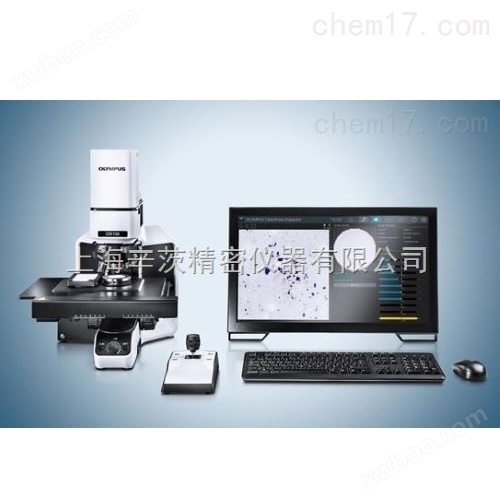
The pollutants on the surface of components are mostly solid particles such as chips, burrs, casting sand, welding slag, abrasives, etc. These pollutants can accelerate the wear of parts, block the throttle holes of components, cause them to lose their adjustment function, enter the clearance of the slide valve, cause the valve core to get stuck, strain the inner surface of the cylinder, increase leakage or reduce output force, damage the oil distribution plate of the pump, and burn or grind the pump to death. The occurrence of these situations will ultimately result in the loss or paralysis of system functionality. Therefore, it is necessary to start from every detail of every link to prevent and reduce the generation of pollutants, in order to ensure the safe and reliable operation of the installed system. Leica in Germany has taken industrial cleanliness control processes to a whole new level. The Leica DM4M and DM6M cleanliness analyzers use a fully automated analysis method to quickly image the pollution particles on the filter membrane, without the need for multiple image analyses. The particle size and morphology analysis can be completed in one step, enabling rapid assessment of pollutant levels and analysis of pollutant sources. The Leica DM4M and DM6M fully automatic cleanliness analyzers have become the top choice for surface cleanliness analysis and pollutant control of components.
Automatic Cleanliness Analysis System- With the help of a fully automatic microscope, the particles filtered on the filter paper are scanned in a full field of view, and the quantity and particle size distribution data of each particle size interval are counted and calculated. The size, quantity, and distribution of pollution impurities are detected, and the quantity and pollution level of pollution particles in lubricating oil are detected. For precision hydraulic systems, solid particle pollution will exacerbate the wear of control components, and for turbine systems, solid particle pollution will exacerbate the wear of bearings and other components.
Common methods for measuring cleanliness:
weighing method
The weighing method is the most commonly used cleanliness measurement method in industrial production and testing. The measurement principle is to clean a certain number of samples under certain conditions, and then filter the cleaning liquid thoroughly through a filter membrane. The dirt is collected on the surface of the dried filter membrane, and the filter membrane is fully dried again. According to the analytical balance, the mass of the dried filter membrane before and after filtration and cleaning is weighed, and the added value is calculated as the mass of solid particle pollutants on the sample.
Microscope method (particle size quantity method)
This is a new method for measuring the cleanliness of parts. The basic principle is based on the different light absorption or scattering rates of the detected surface and pollutant particles. The testing method is to clean a certain number of parts under certain conditions, thoroughly filter the cleaning solution through a filter membrane, collect the dirt on the surface of the filter membrane, dry the filter membrane, and use a microscope (preferably an image recognition and analysis device with shooting function) to detect under light irradiation. By counting the dirt particles according to particle size and quantity, the solid particle pollution results of the tested object parts can be obtained. This is a cleanliness detection method suitable for precision cleaning quantification, especially for detecting small particles and colored impurity particles.