-
E-mail
750556873@qq.com
-
Phone
13838265705
-
Address
11A-1-385, South China City, Longhu Town, Zhengzhou City
Product Categories
Henan Shangzhou Valve Co., Ltd
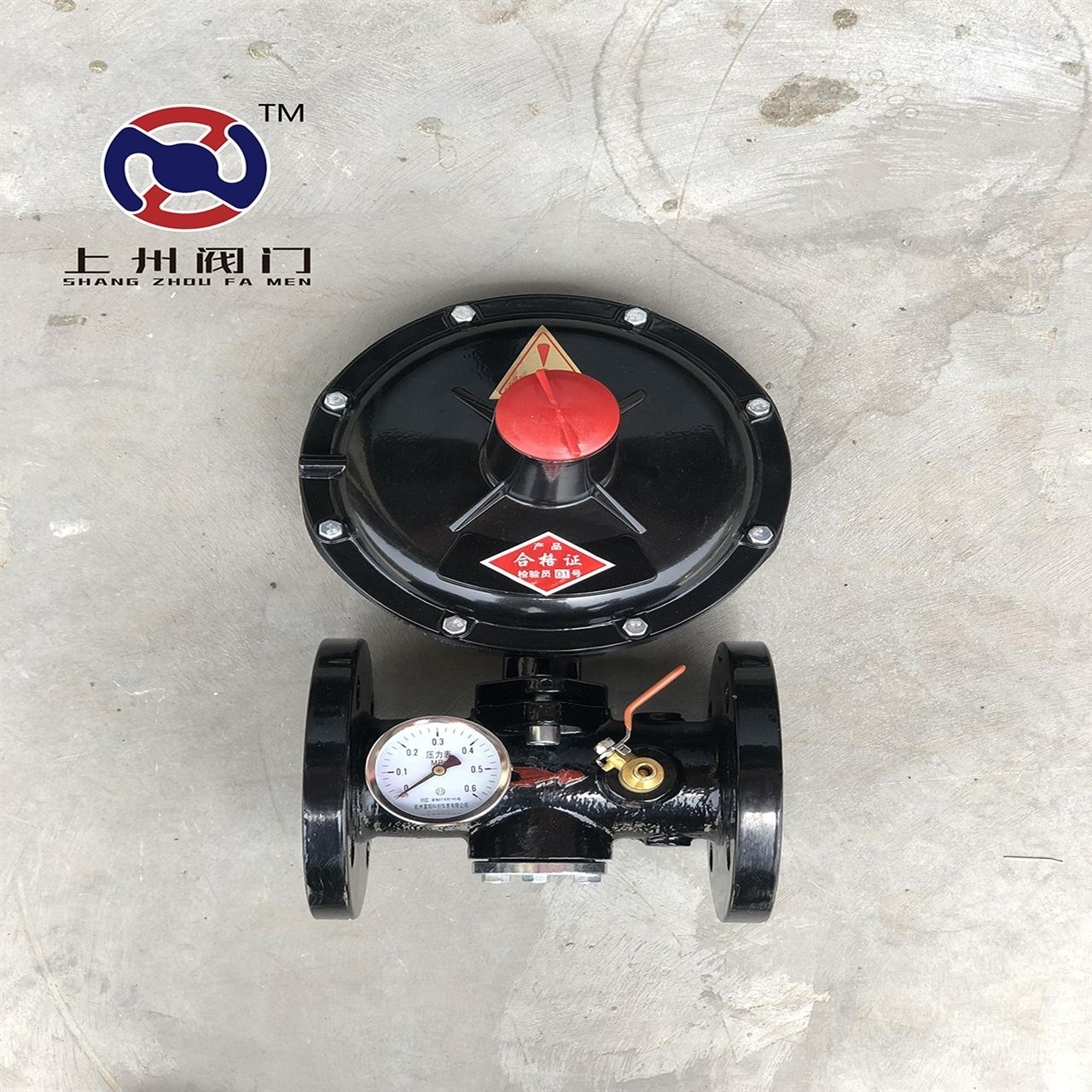
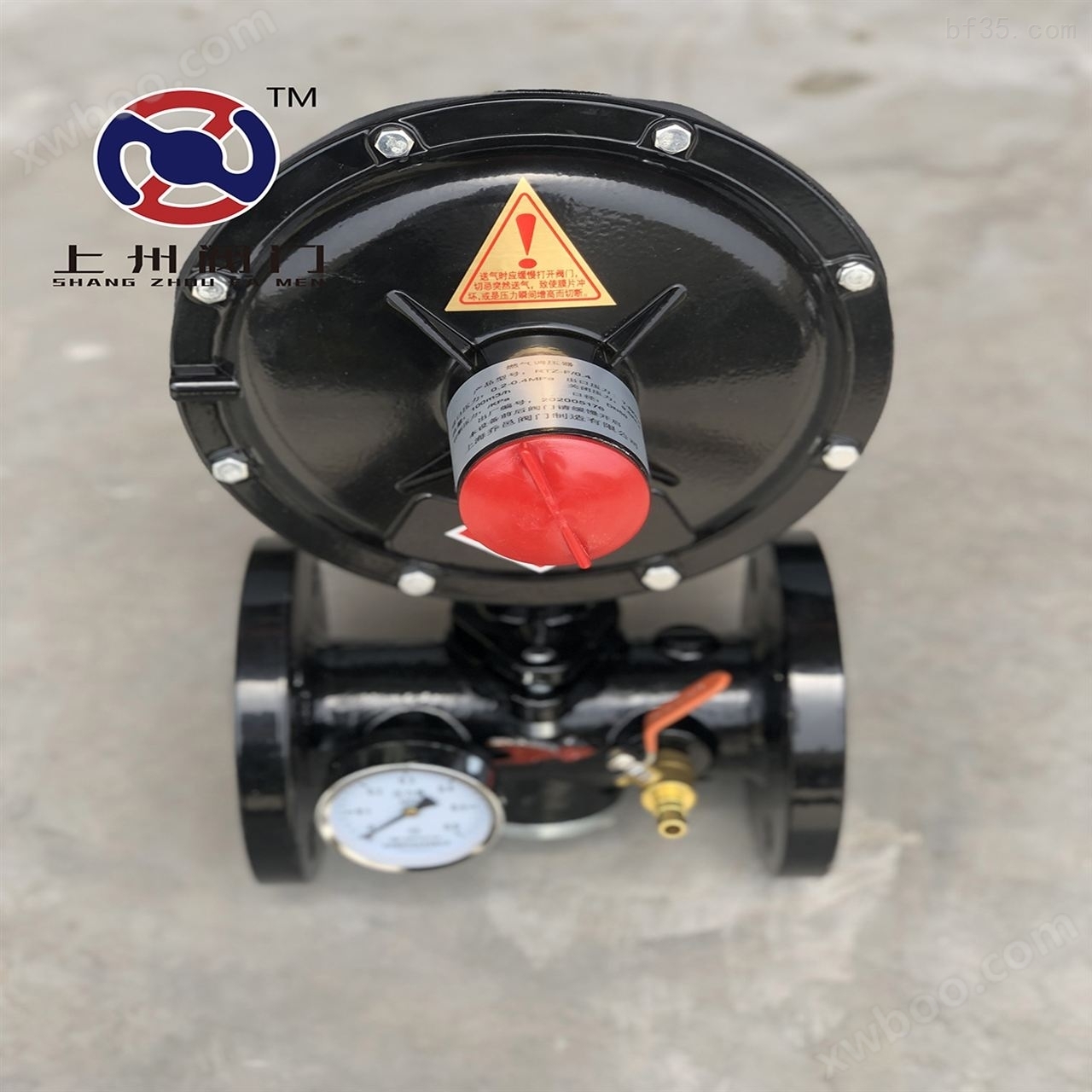
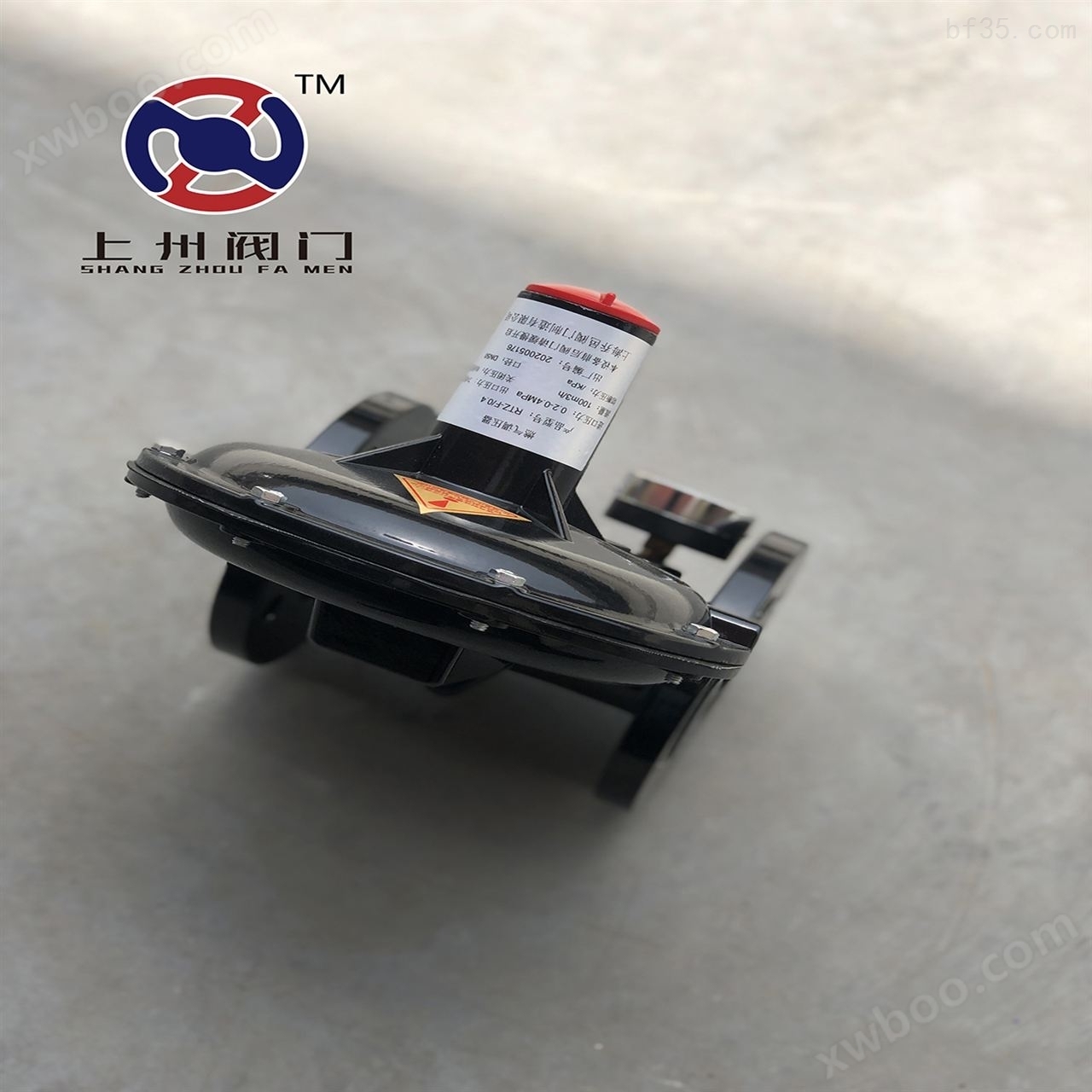
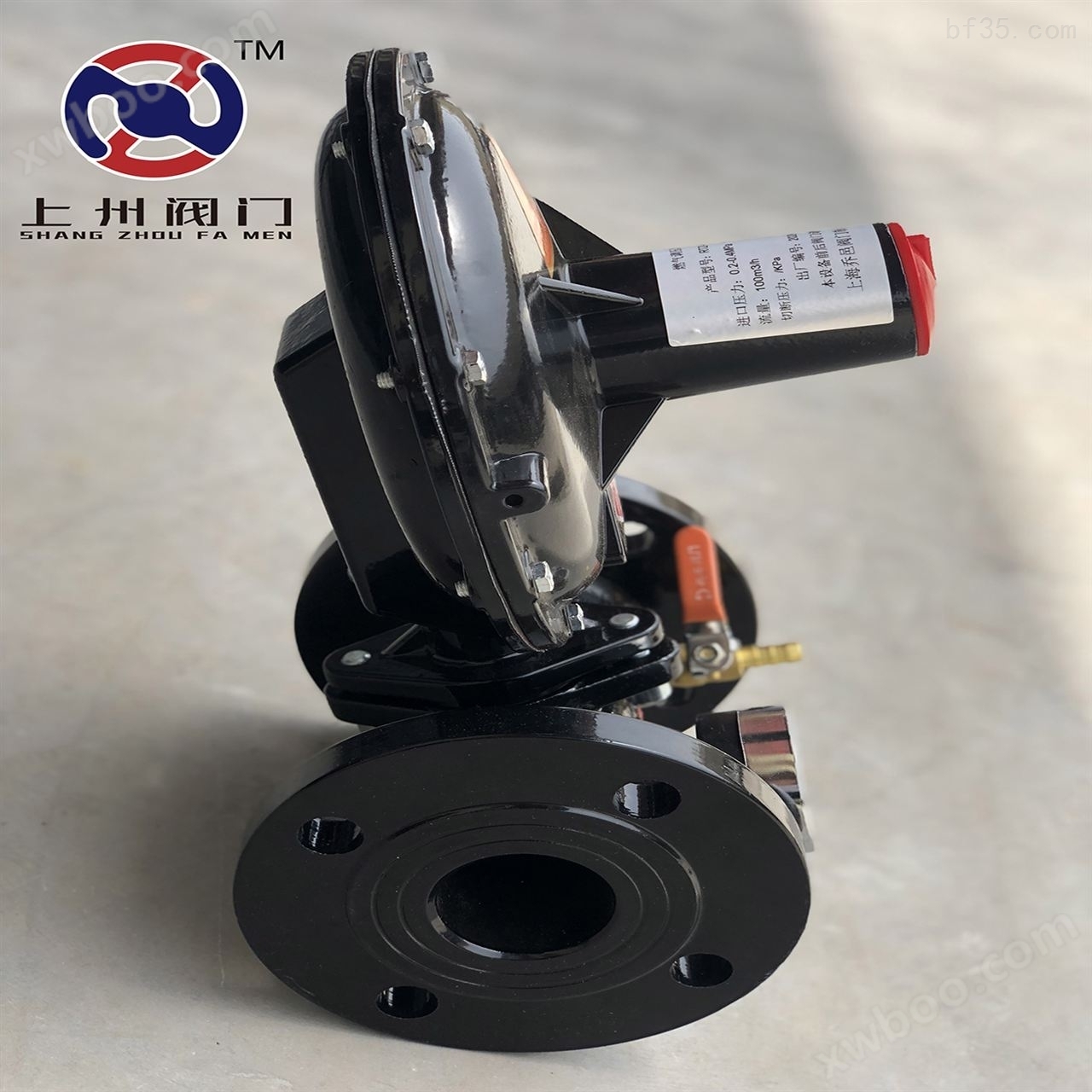
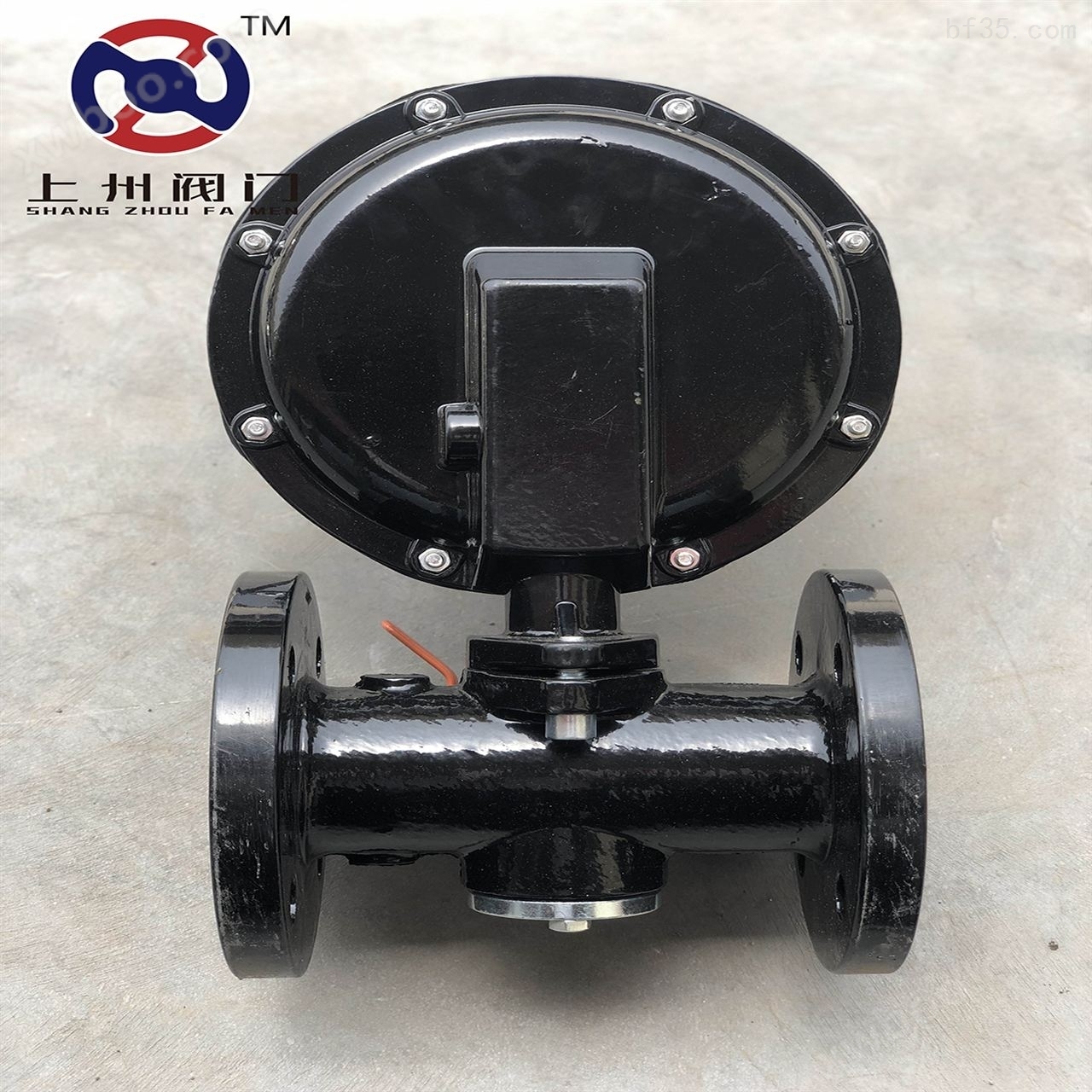
Gas pressure regulating valve
NegotiableUpdate on 01/21
- Model
- Nature of the Manufacturer
- Producers
- Product Category
- Place of Origin
Overview
Gas pressure regulating valve, commonly known as pressure reducing valve, is a device that maintains a specified pressure of outlet gas by automatically changing the gas flow through the regulating valve. It is usually divided into two types: direct acting and indirect acting. A regulator is a device that can maintain stable downstream pressure regardless of changes in gas flow rate and upstream pressure.
Product Details

Henan Shangzhou Valve Co., LtdMain production(Gas pressure regulating valve)Also domestically(gas valve)One of the producers. Company business scope: valves, pipe fittings,automationProduction, processing, sales of equipment, pipeline fittings, building materials, hardware and electrical equipment, sales of self-control equipment, engaged in import and export business of goods and technology! Welcome new and old customers to call or write to us. We will wholeheartedly provide you with satisfactory service!
1Gas pressure regulating valvesummary:
gasvoltage regulatorCommonly known as a pressure reducing valve, it is a device that maintains a specified pressure of outlet gas by automatically changing the gas flow through the regulating valve. It is usually divided into two types: direct acting and indirect acting.voltage regulatorIt is a device that can maintain stable downstream pressure regardless of changes in gas flow rate and upstream pressure.
IIgas pressure regulatorThe role of:
idealgasThe supply system transports gas from the wellhead to the end user without the needvoltage regulatorThe conditions for maintaining such an ideal supply system are constant user demand, constant supply capacity of the mine, and consistency between the two. Such a system is actually impossible to exist. Therefore, corresponding devices - voltage regulators - have emerged.
The main function of a pressure regulator is to maintain a stable pressure of gas during use, thereby ensuring a stable fuel to air ratio (the ratio of gas to air) for gas appliances; In the gas supply system, a pressure regulator is used to reduce the gas pressure and stabilize it at an appropriate level that enables safe, economical, and efficient utilization of the gas.
III gasvoltage regulatorStructure diagram:
gas pressure regulatorIt is an important component for the safe combustion of liquefied petroleum gas, connected between the steel cylinder and the furnace.
voltage regulatorNot only can it convert high-pressure petroleum gas in the bottle into low-pressure petroleum gas (from 980 kPa to around 100 kPa), but it can also stabilize low-pressure gas within a pressure range suitable for safe combustion of furnaces. To achieve the output through itpetroleum gasThe air pressure at the furnace fire hole is constantly about 2940Pa higher than the external atmospheric pressure, so the actual pressure regulator is an automatic pressure stabilizing device
People habitually refer to it aspressure reducerThe only attention paid to its voltage reducing function, while neglecting its voltage stabilizing ability. The clever and delicate design of the regulator is precisely reflected in its voltage stabilizing ability. This article intends to provide a detailed explanation in this regard.
The following figure is the structural diagram of the regulator, which mainly consists of a handwheel, an intake pipeUpper valveCover, bottomvalve coverIt consists of rubber film, intake nozzle, valve gasket, a small lever, exhaust pipe and other components. There is a circular rubber film in the middle of the regulator, which divides the regulator into two chambers, upper and lower. There is a spring in the upper chamber, with an adjusting screw cap connected to the upper end and a rubber film connected to the lower end. There is a small hole with a diameter of 0.8 mm at the edge of the upper valve cover, which allows the upper chamber to communicate with the outside world. This hole is vividly called the breathing hole. There is a lever made of precision brass in the lower chamber, with a total length of about 5cm and very sensitive rotation performance.
The right end of the lever is connected to the center of the rubber film, and the left end is adhered with a valve gasket, which is tightly fastened to the intake nozzle and has a damping effect on the high-pressure petroleum gas sprayed out. The distance between the left and right ends of this lever and the fulcrum is shorter on the left and longer on the right, making it an unequal arm lever. Its characteristic is that a small change in the force acting on the right end of the lever will inevitably cause a significant change in the force acting on the left end of the lever. In principle, it achieves the amplification of force; In terms of effectiveness, it has increased the sensitivity to high-pressure gasDamping effect.
gas pressure regulatorPrecautions:
Gas regulator is a tool used in conjunction with household liquefied gas cylinders. Although the product is small, its quality directly affects the safety of thousands of households. When purchasing products such as gas regulators, one should be careful and cautious, and not be tempted by cheapness.
1. For products that are primarily purchased in large shopping malls and supermarkets, consumers should check the markings on the regulator when making a purchase, and check whether the regulator's outer packaging has the specific manufacturer's name, address, and identification method; Check if there is a production certificate number on the regulator housing and try not to buy bulk regulators.
2. If the outlet pressure of the regulator is too high, it will increase the heat load of the combustion device during use, that is, "fire fiercely". However, if the skills are not up to standard, the safety hazards will also be greater. Select the appropriate regulator based on the gas flow rate of the gas appliance being used. If a JYT0.6 regulator is selected for one *, a fast water heater with a capacity of 8 liters or more, or a fast water heater with a capacity of 8 liters or less, a JYT1.2 regulator should be selected.
3. The device of the regulator and the use of liquefied gas should be correct. The regulator should be installed horizontally according to the specified requirements, with the front facing upwards. Incorrect and simple installation methods can lead to abnormal operation; Liquefied gas cylinders should be placed upright.
4. The layout of gas regulators should ensure safe and reliable use, and do not choose regulators whose settings can be changed arbitrarily. *Do not use JYT1.2 regulators for gas appliances with low gas flow rates; When the type, standard, and gas stove of the regulator do not match, do not manually modify the setting of the regulator; When the flame of the gas appliance is found to fluctuate, it indicates that the regulator is now damaged and should be replaced in a timely manner; When a strong gas flavor is detected, the liquefied gas cylinder should be promptly sealed to check if there is any leakage in the regulator. If there is a leakage, it should be stopped and replaced in a timely manner.
5. You can check for air leaks on a daily basis. Use thicker onesdish soapThe soapy water shall be painted on the joint of the pressure regulator shell and its front and rear interfaces, and then the valve of the liquefied gas cylinder shall be opened. If there is foam, it indicates that there is air leakage, and it shall be replaced in time.


Ordering Notice:
1. If the customer has special requirements for the product, the following instructions must be provided in the order contract:
a. Structural length;
b. Connection form;
c. Nominal diameter;
d. Product usage medium, temperature, and pressure range;
e. Testing, inspection standards, and other requirements.
2. Our factory can configure various driving devices according to specific customer requirements.
3. When the customer provides the determined valve type and model, the customer should correctly explain the meaning and requirements of the model, and sign the contract under the condition of mutual understanding between the supply and demand parties.
4. Futures and ordering customers are requested to first call and provide detailed information on the required valve model, specifications, quantity, delivery time, and location. And 30% of the total contract amount shall be prepaid, and the supplier shall prepare materials for production.