-
E-mail
44658997@qq.com
-
Phone
15901805483,18917106313
-
Address
Platinum Science Park, Lane 332, Shanghai Metropolitan Road (Address: Jianhu Science Park, No. 68 Tingyi Road, Tinglin Industrial Park, Jinshan District, Shanghai, near Nanting Highway), National toll free number: 400-021-5217 (I Love Instruments)
Product Categories
Shanghai Jianhu Instrument Equipment Co., Ltd. [Environmental Test Chamber | Thermal Shock | High and Low Temperature Test Chamber]
The 'standard' for the development of mask and protective clothing testing equipment
NegotiableUpdate on 01/21
- Model
- Nature of the Manufacturer
- Producers
- Product Category
- Place of Origin
Overview
The 'standard' for the development of mask and protective clothing testing equipment
Product Details
The 'standard' for the development of mask and protective clothing testing equipment
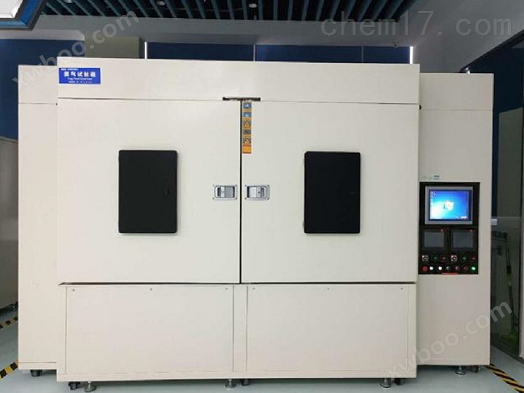
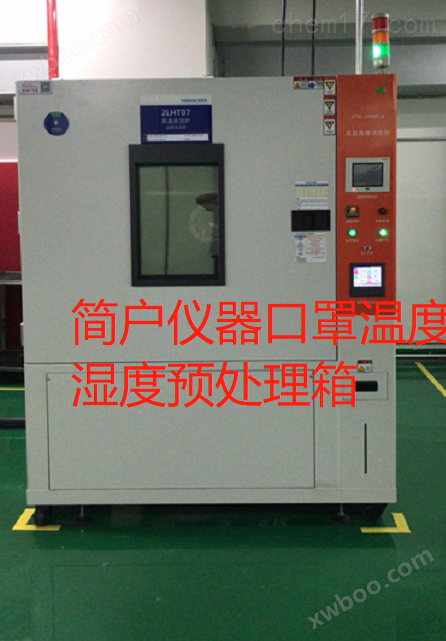
Manufacturers of protective masks/protective clothing testing equipment
 Many pharmaceutical companies are rushing to expand their production lines, and other industries are also joining the mask production army, such as BYD, GAC, SAIC Wuling, Zhuhai Gree, Sanqiang, Hongdou and other enterprises. Companies such as Sinopec and Foxconn have also undergone a transformation and switched to making masks. Joining forces and overcoming difficulties together can help alleviate the shortage of masks.
Let's take a look back at a typical case of the epidemic: on February 4, 2020, a 56 year old male patient in Ningbo was diagnosed with pneumonia. Currently undergoing isolation and treatment at designated medical institutions. According to epidemiological investigation, the patient had no history of living or traveling in an epidemic area within 14 days before the onset of the disease, no history of contact with wild animals, and was unfamiliar with previously diagnosed patients. On the morning of January 23, 2020 at 7:47 am, the patient had a brief (about 15 seconds) close range stay with a passerby (confirmed patient: female, 61 years old) at the same stall while shopping at the market, and neither of them was wearing a mask. At present, a total of 19 close contacts of patient 5 have been traced and all have been placed under centralized isolation and medical observation.
Through this incident, we can see the importance of wearing masks. How can we evaluate the quality of a mask? What are the main indicators to evaluate the quality of a mask? What are the relevant evaluation criteria both domestically and internationally? Can you list the corresponding detection methods?
Recently, we have received inquiries from many companies interested in producing masks. Due to their lack of experience in producing medical devices, we found that some key points were easily overlooked during our communication with them. Therefore, we have compiled several aspects that companies need to pay attention to when preparing mask production testing equipment. Now I would like to share with you to help you better prepare for mask production
The testing of mask products includes factory inspection and type inspection. The factory inspection items should at least include the following: appearance, structure and dimensions, nose clip, mask strap, microbiological indicators, and requirements for residual ethylene oxide (if ethylene oxide sterilization is used). There are other important indicators such as bacterial filtration efficiency, ventilation resistance, particle filtration efficiency, tightness, etc. Please refer to the standard text for details.
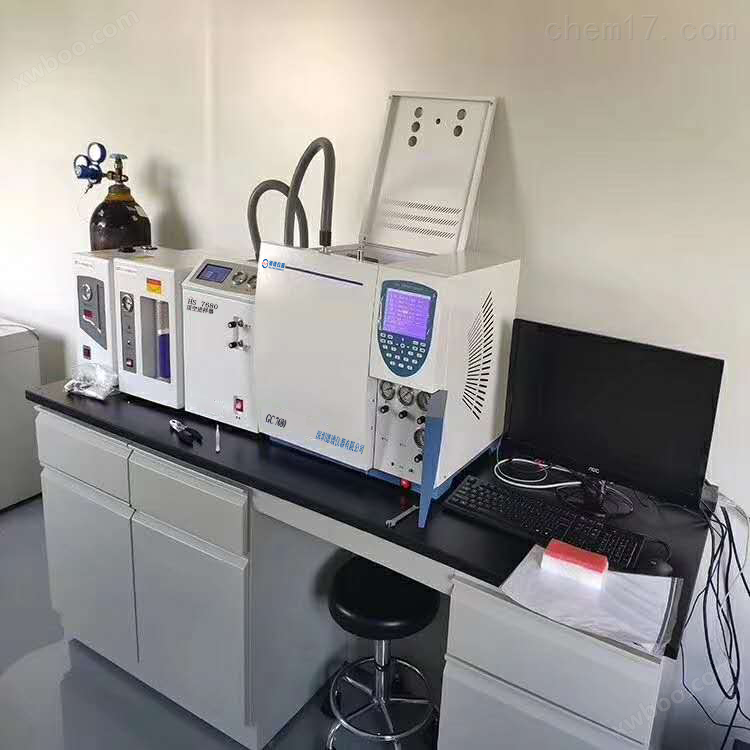
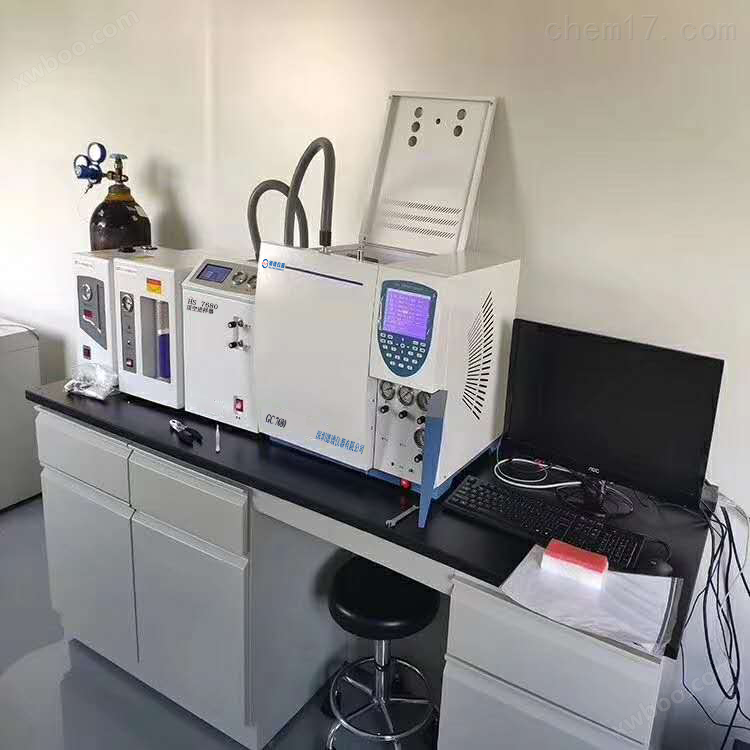
Considering the incoming inspection of raw materials and the factory inspection of masks, enterprises should equip basic inspection instruments such as electronic scales, force gauges, micrometers, vernier calipers, rulers, whiteness meters, etc. If both microbial indicators and residual ethylene oxide are self checked, a microbiological laboratory and corresponding instruments are required.
Waterproof tester for protective clothingApplicable standard
GB19082-2009 Technical Requirements for Disposable Protective Clothing 5.4.1 Waterproof Performance
GB/T 4744-1997 Textile fabrics Determination of water resistance Hydrostatic pressure test
GB/T 4744-2013 Fabric Water Penetration Performance Tester
Manufacturer's Service Commitment
1. The supplier shall strictly manufacture and inspect in accordance with relevant standards and regulations to ensure that materials and components are brand new;
2. The quality assurance period provided by the supplier is 12 months. If during this period, there are indeed quality issues with the supplier's products, the supplier shall bear the costs of instrument materials, maintenance, and round-trip transportation of the instruments;
3. If the instrument is damaged during transportation, the supplier shall bear the cost of instrument materials, maintenance, and round-trip transportation of the instrument;
4. Provide technical support outside the warranty period, with no lifetime repair fees, only basic material fees and shipping fees charged;
5. Respond within 1 hour after receiving service requests, and provide processing suggestions and solutions within 2 hours.
Similar Product Recommend