-
E-mail
2121960783@qq.com
-
Phone
15163670722
-
Address
Manager Li, Gaoxin 2nd Road, Weifang High tech Zone, 15163670722
Product Categories
- Acid washing wastewater treatment equipment
- Underground sewage treatment equipment
- Sewage treatment equipment in gynecological hospitals
- Biological anaerobic filter
- Washing wastewater treatment equipment
- Plastic wastewater treatment equipment
- Enterprise domestic sewage treatment equipment
- Rural sewage treatment equipment
Shandong Qianqiu Environmental Technology Co., Ltd
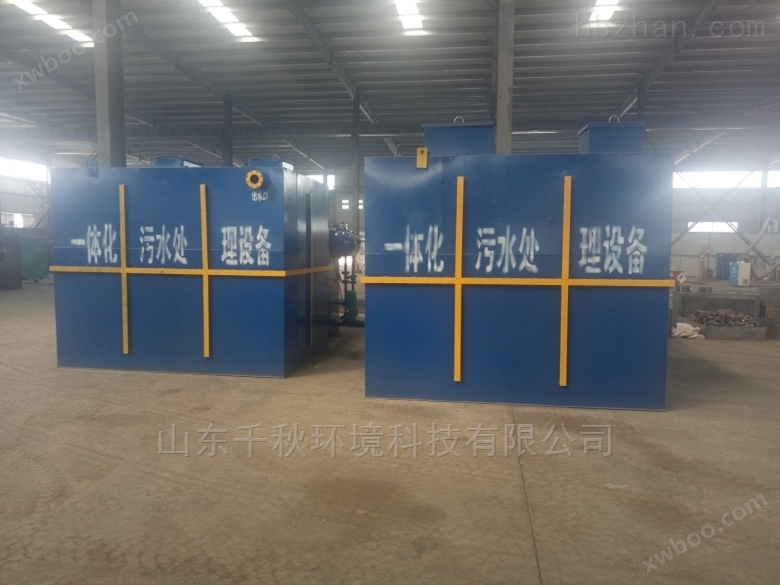

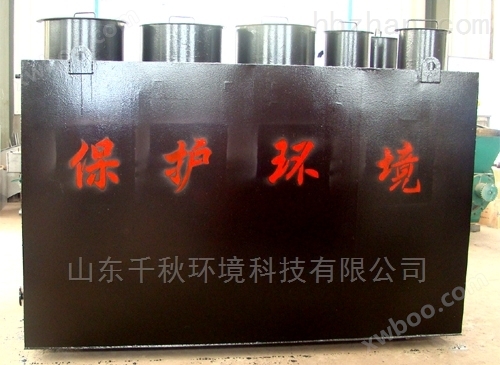

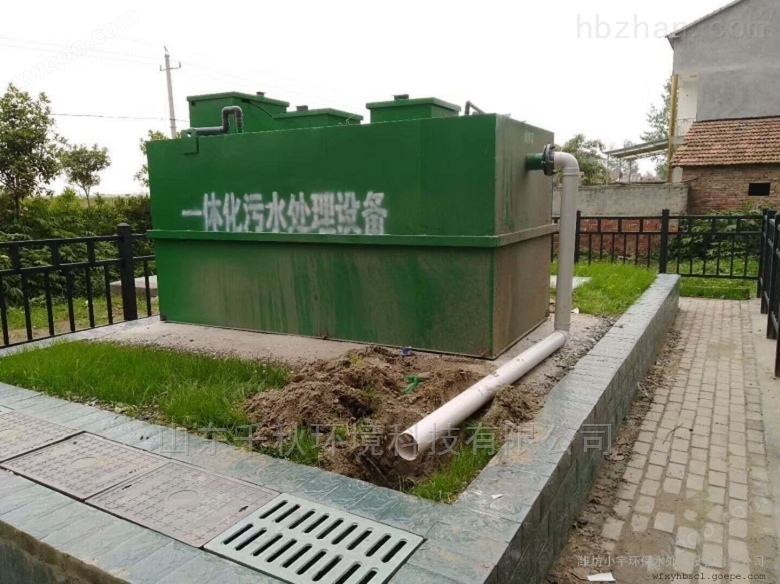
The operation of the sewage treatment equipment for maternal and child specialties is simple
NegotiableUpdate on 01/21
- Model
- Nature of the Manufacturer
- Producers
- Product Category
- Place of Origin
Overview
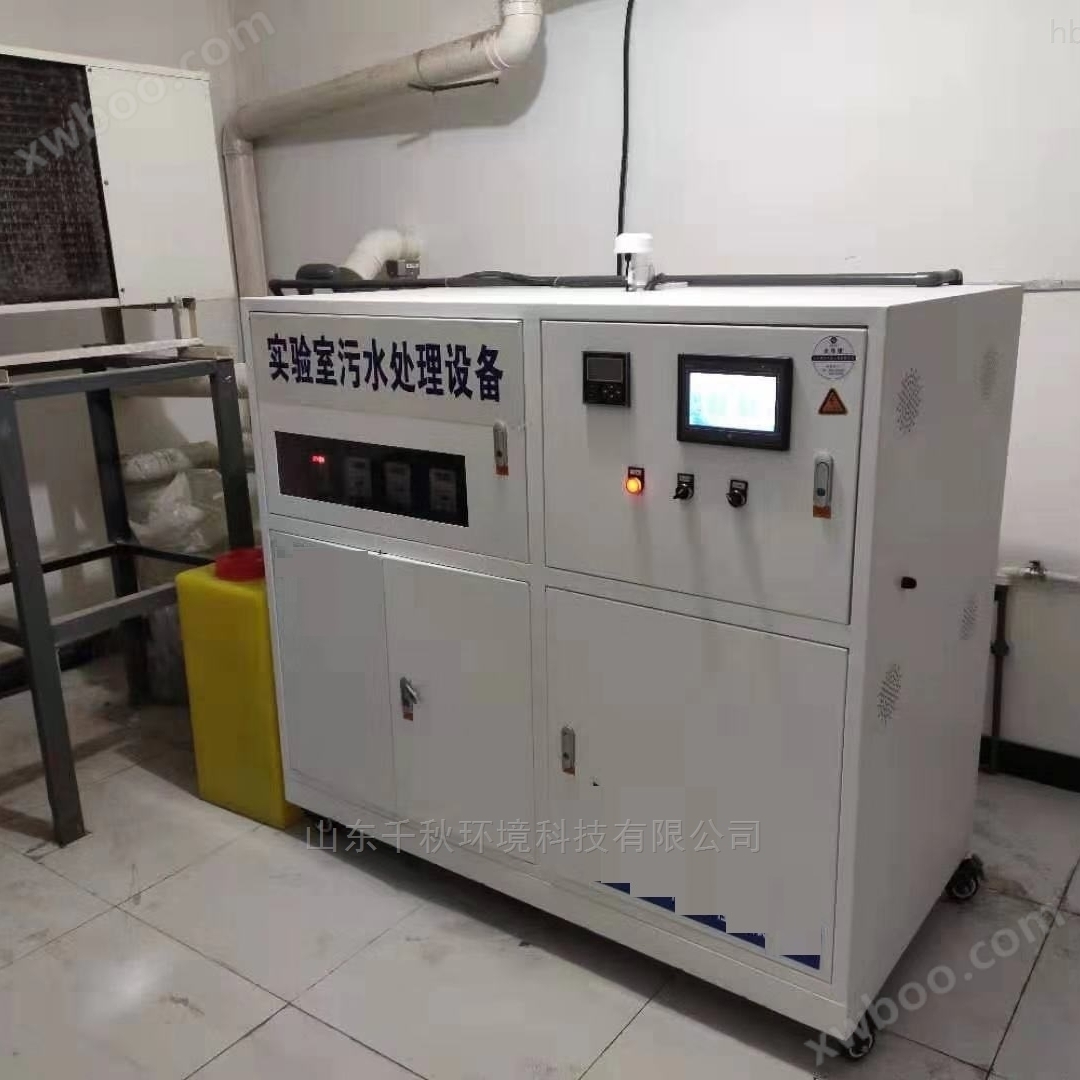
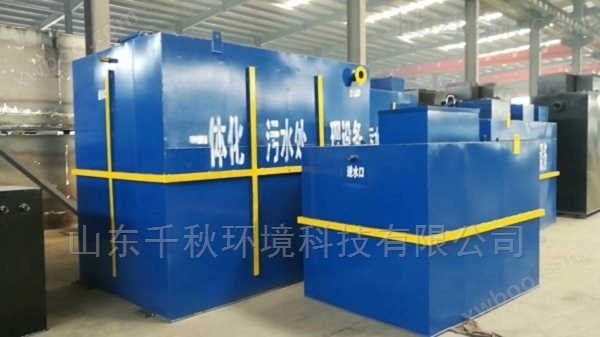
Hospital sewage treatment equipment: infectious disease hospital sewage treatment equipment, outpatient health center sewage treatment equipment, township health center sewage treatment equipment, ophthalmic hospital sewage treatment equipment, small hospital sewage treatment equipment, dental clinic sewage treatment equipment, laboratory sewage treatment, operating room sewage treatment equipment, specialized hospital sewage treatment equipment. Cangzhou Women and Children's Specialized Sewage Treatment Equipment is easy to operate - Weifang Qianqiu Environmental Technology Co., Ltd.
Product Details
The functions, facilities, and personnel composition of each department in the hospital are different. The main departments and facilities that generate sewage include: diagnosis and treatment rooms, laboratories, wards, laundry rooms, X-ray image printing, animal rooms, isotope therapy diagnosis, operating rooms, and other drainage facilities; The domestic sewage discharged by hospital administrative management and medical staff, as well as the drainage of canteens, single dormitories, and family dormitories. The composition and amount of wastewater generated by different departments vary, such as heavy metal wastewater, oily wastewater, printing wastewater, radioactive wastewater, etc. Moreover, the wastewater generated by hospitals of different properties also varies greatly. The discharge of hospital sewage is more complex than that of general domestic sewage.
The sources and components of hospital wastewater are complex, including microorganisms, toxic and harmful physical and chemical pollutants, and radioactive pollution. It has characteristics such as spatial pollution, acute infection, and latent infection. Without effective treatment, it can become an important pathway for disease spread and seriously pollute the environment.
Hospital wastewater is contaminated with pathogenic microorganisms such as feces, infectious bacteria, and viruses, which are contagious and can trigger diseases or cause harm.
Hospital wastewater contains toxic and harmful substances such as acids, alkalis, suspended solids, BOD, COD, and animal and vegetable oils.
The wastewater generated during dental treatment, printing, and laboratory testing contains heavy metals, disinfectants, organic solvents, etc. Some of them are carcinogenic, teratogenic, or mutagenic, posing a threat to human health and having a long-term impact on the environment.
Isotope therapy and diagnosis generate radioactive wastewater. Radioactive isotopes produce a -, β -, and γ - radioactivity during their decay process, which accumulates in the human body and poses a threat to human health. Cangzhou Maternity and Child HealthSpecialized hospital sewage treatment equipmentCangzhouThe operation of the sewage treatment equipment for maternal and child specialties is simple--Weifang Qianqiu Environmental Technology Co., Ltd.
Collection of hospital wastewaterThe sewage from hospital wards and non wards should be separated, and the internal hygiene and safety management system of the hospital should be strictly implemented to control and separate hospital sewage and waste. It is not allowed to dispose of waste generated by the hospital into the sewage system at will. Newly built, renovated, and expanded hospitals should separate sewage that may be contaminated with infectious disease pathogens from other sewage during design. Existing hospitals should collect sewage contaminated with infectious disease pathogens separately from other sewage as much as possible. Infectious disease hospitals (including comprehensive hospitals with infectious disease wards) should be equipped with septic tanks. Infectious pollutants contaminated by pathogens of infectious diseases, such as excrement containing feces, must be strictly disinfected in accordance with relevant regulations on health and epidemic prevention in China. Disinfected feces and other excreta should be disposed of separately or discharged into septic tanks, and their supernatant should enter the hospital's sewage treatment system.
Hospitals without septic tanks should treat disinfected excrement as medical waste. Various special drainage systems in hospitals, such as heavy metal wastewater, oily wastewater, and printing wastewater, should be collected separately and treated with different pre-treatment measures before being discharged into the hospital's sewage treatment system. The radioactive wastewater generated from isotope therapy and diagnosis must be collected and treated separately.
Principle of process selection
Select the process based on the size, nature, and discharge direction of the hospital's wastewater treatment. According to 1.4.1, traditional Chinese medicine hospitals are classified into infectious disease hospitals and comprehensive hospitals. The discharge direction of hospital sewage after treatment is divided into two categories: discharging into natural water bodies and discharging into urban sewage treatment plants through municipal sewers.
The process used for hospital sewage treatment must ensure that the treated effluent meets the standard. The three main processes used are: primary treatment to enhance treatment effectiveness, secondary treatment, and simple biochemical treatment.
The principle of process selection is:
3.1.1 Infectious disease hospitals must adopt secondary treatment and carry out pre disinfection treatment.
Hospitals at or above the county level that discharge treated effluent into natural water bodies must adopt secondary treatment.
3.1.3 Comprehensive hospitals that discharge treated effluent into urban sewers (downstream with secondary sewage treatment plants) must adopt secondary treatment, and for those that use primary treatment processes, the treatment effect must be strengthened.
For small comprehensive hospitals in economically underdeveloped areas, simple biochemical treatment can be used as a transitional measure when conditions are not available, and then gradually achieve secondary treatment or primary treatment with enhanced treatment effects.
3.2 Primary treatment process to enhance treatment effectiveness
For comprehensive hospitals that treat effluent that ultimately enters secondary treatment urban sewage treatment plants, their treatment efficiency should be strengthened, the removal rate of SS should be increased, and the amount of disinfectant used should be reduced. There are two ways to enhance the effectiveness of primary treatment: modifying the existing primary treatment process to improve removal efficiency and adopting primary strengthening treatment technology.
3.2.1 Process flow
1. Upgrade the existing primary treatment process to enhance the treatment effect
The renovation should make full use of existing treatment facilities according to the actual situation, and renovate the structure or operation mode of septic tanks and contact tanks that are widely used in existing hospitals. If necessary, some facilities should be added to improve the treatment effect as much as possible, in order to meet the discharge standards of hospital sewage treatment.
2. First level reinforcement processing
For sewage treatment in general hospitals (without infectious disease wards), the process of "pretreatment → first level enhanced treatment → disinfection" can be adopted. By using coagulation precipitation (filtration) to remove particles carrying viruses and bacteria, the disinfection effect is improved and the amount of disinfectant used is reduced, thereby avoiding the adverse effects of excessive disinfectant use on the environment.
The hospital sewage enters the regulating tank through the septic tank, and an automatic grille is installed at the front of the regulating tank. A lifting water pump is installed inside the regulating tank. After the sewage is lifted, it enters the coagulation sedimentation tank for coagulation sedimentation. The effluent from the sedimentation tank enters the contact tank for disinfection, and the effluent from the contact tank meets the discharge standards.
The sludge and slag generated in the sewage treatment station, such as the regulating tank, coagulation sedimentation tank, and contact tank, are centrally disinfected and transported outside. Disinfection can be achieved through methods such as pasteurization with steam or adding lime.
3.2.2 Process Characteristics
The first level of enhanced treatment can improve the treatment effect, remove particles carrying viruses and bacteria, enhance the effectiveness of subsequent disinfection, and reduce the amount of disinfectant used. The transformation of existing primary treatment processes can fully utilize existing facilities and reduce investment costs.
3.2.3 Scope of Application
The first level enhanced treatment that strengthens the treatment effect is suitable for comprehensive hospitals where the treated effluent finally enters the second level urban sewage treatment plant.
Pre disinfection pool
The purpose of pre disinfection is to reduce the content of pathogenic microorganisms in sewage to minimize the chance of operators being infected by pathogenic microorganisms.
1. The excrement of patients in infectious disease hospitals is pre disinfected and discharged into septic tanks.
2. Infectious disease hospital sewage must be pre disinfected before entering the sewage treatment system, and the contact time of the pre disinfection tank should not be less than 0.5 hours. Common disinfectants include sodium hypochlorite, peracetic acid, and chlorine dioxide, and lime can also be used for fecal disinfection.
3. For general hospitals, pre disinfection pools may not be required.
4. If chlorine is used for pre disinfection in biochemical treatment, dechlorination or ozone should be used for pre disinfection.
Disinfection of hospital sewage is an important process in hospital sewage treatment, aimed at killing various pathogenic bacteria in the sewage. The commonly used disinfection processes for hospital sewage include chlorine disinfection (such as chlorine dioxide, sodium hypochlorite), oxidant disinfection (such as ozone, peracetic acid), and radiation disinfection (such as ultraviolet and gamma rays).
Cangzhou Maternity and Child Specialized Hospital Sewage Treatment EquipmentCangzhouThe operation of the sewage treatment equipment for maternal and child specialties is simple--Weifang Qianqiu Environmental Technology Co., Ltd.
Similar Product Recommend