-
E-mail
2121960783@qq.com
-
Phone
15163670722
-
Address
Manager Li, Gaoxin 2nd Road, Weifang High tech Zone, 15163670722
Product Categories
- Acid washing wastewater treatment equipment
- Underground sewage treatment equipment
- Sewage treatment equipment in gynecological hospitals
- Biological anaerobic filter
- Washing wastewater treatment equipment
- Plastic wastewater treatment equipment
- Enterprise domestic sewage treatment equipment
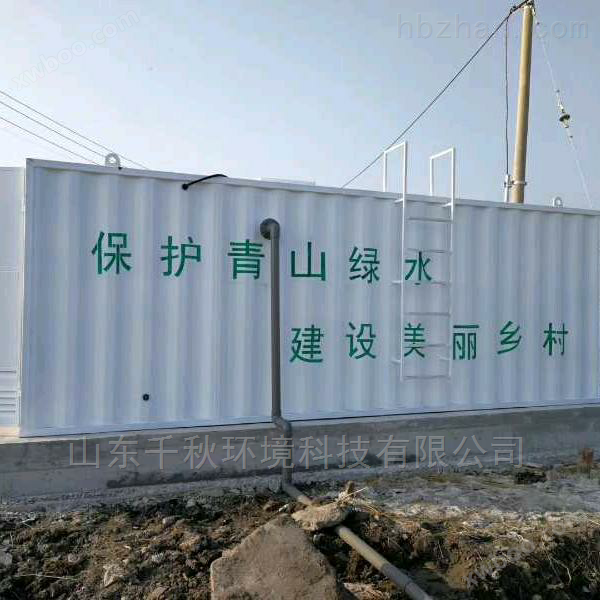
- Rural sewage treatment equipment
Shandong Qianqiu Environmental Technology Co., Ltd
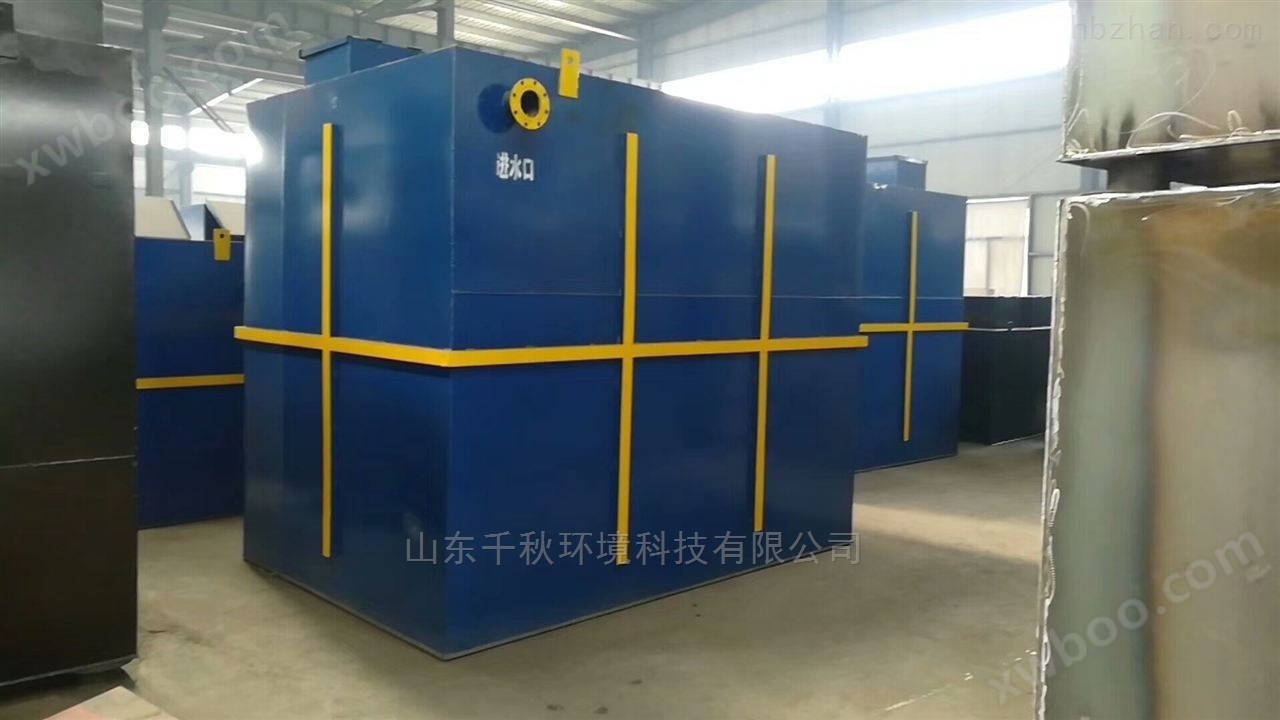
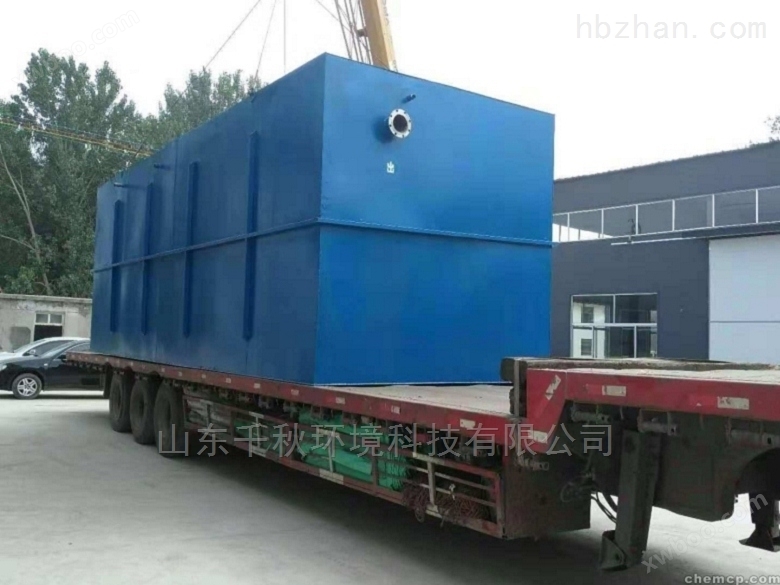
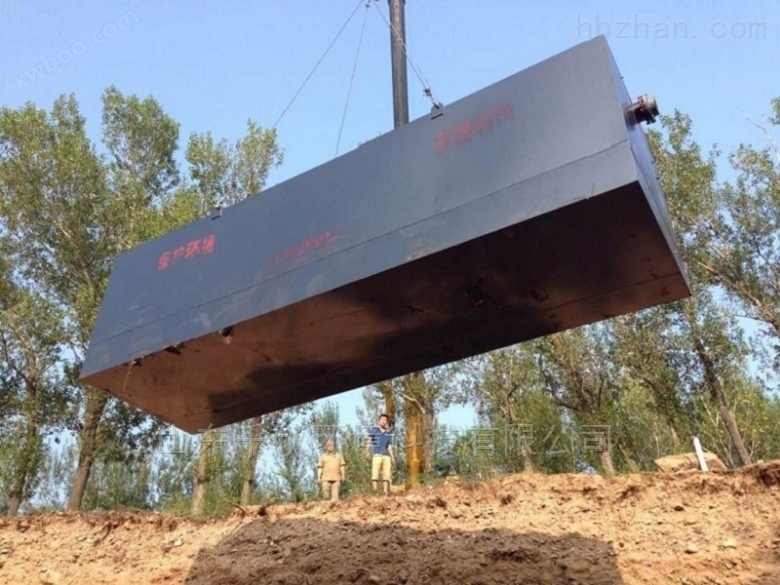
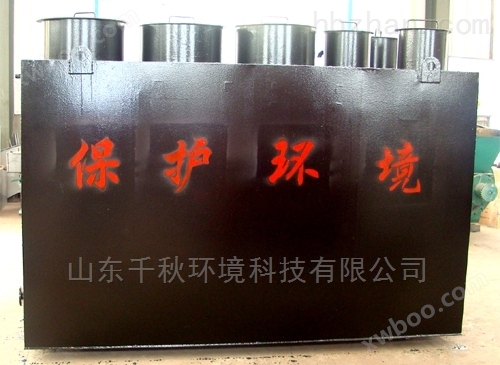
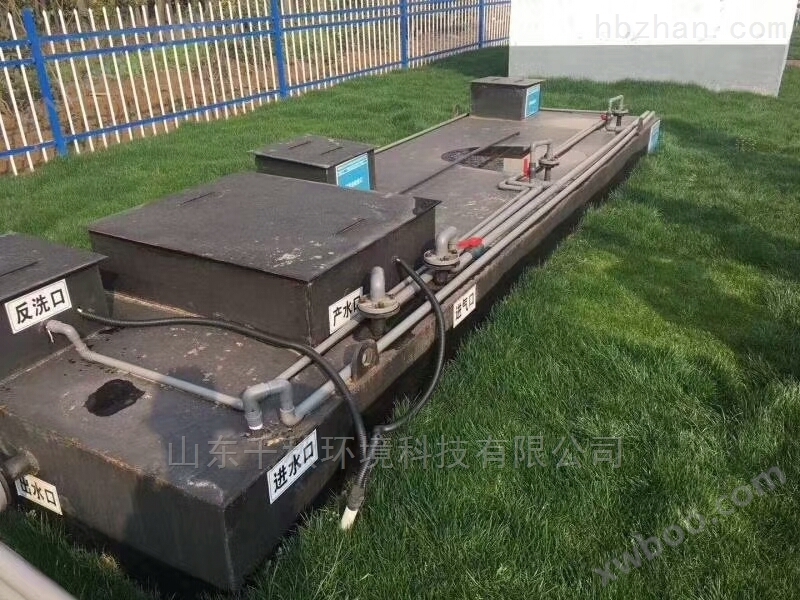
Happy and harmonious new rural sewage treatment equipment and process improvement
NegotiableUpdate on 01/21
- Model
- Nature of the Manufacturer
- Producers
- Product Category
- Place of Origin
Overview
Rural domestic sewage is the general term for the sewage generated by rural residents in their daily lives and household farming processes. Rural domestic sewage includes kitchen and cooking wastewater (water used for washing rice and vegetables, swill, etc.), laundry, bathing, and toilet wastewater, household poultry manure, wastewater, etc. Compared with urban domestic sewage, rural domestic sewage has its own characteristics in terms of distribution of discharge points, discharge volume, pollutant concentration, and resource utilization needs. Happiness and Harmony: New Rural Sewage Treatment Equipment and Process Improvement - Weifang Qianqiu Environmental Technology Co., Ltd
Product Details


The concentration of rural farmers' residential areas is lower than that of cities, and the intensity of domestic sewage production is lower than that of cities. The financial resources of villages and towns are weak, and farmers have low incomes. Therefore, it is encouraged to adopt diversified domestic sewage treatment technologies that are economical, simple, effective, and combined with local agricultural production as much as possible to achieve harmless treatment and resource utilization of sewage.
Rural domestic sewage is the general term for the sewage generated by rural residents in their daily lives and household farming processes. Rural domestic sewage includes kitchen and cooking wastewater (water used for washing rice and vegetables, swill, etc.), laundry, bathing, and toilet wastewater, household poultry manure, wastewater, etc. Compared with urban domestic sewage, rural domestic sewage has its own characteristics in terms of distribution of discharge points, discharge volume, pollutant concentration, and resource utilization needs.Happy and harmonious new rural sewage treatment equipment and process improvement--Weifang Qianqiu Environmental Technology Co., Ltd

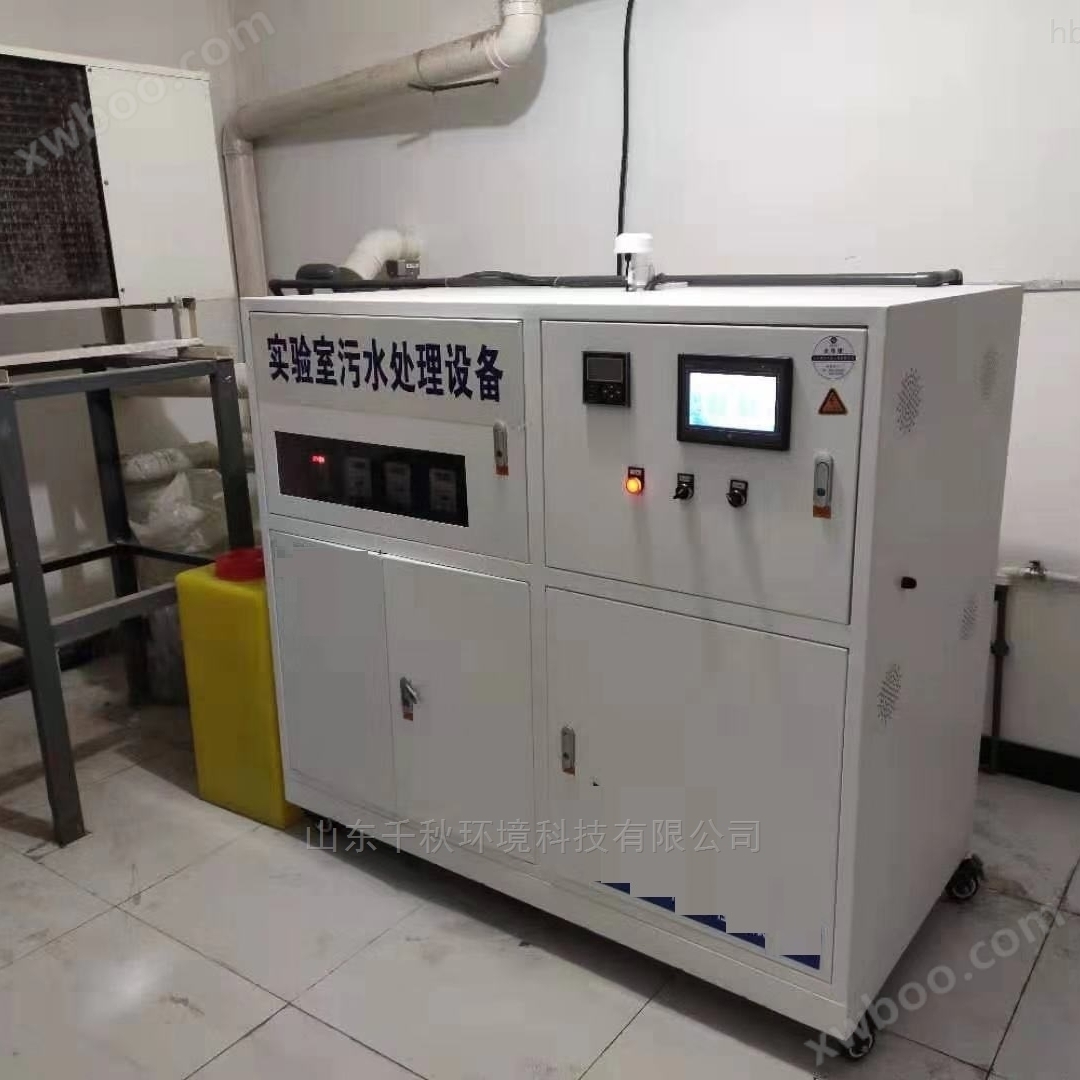
Suitable for domestic sewage treatment in residential areas, restaurants, hotels, nursing homes, schools, mines, factories, and similar industrial sewage treatment.


The main processes for treating rural domestic sewage include septic tanks, biogas fermentation technology, stabilization ponds, land treatment of sewage, artificial wetlands, biofilm methods, activated sludge, oxidation ditches, and combinations of the above processes.


Happy and harmonious new rural sewage treatment equipment and process improvement--Weifang Qianqiu Environmental Technology Co., Ltd


The removal of organic pollutants and ammonia nitrogen by rural domestic sewage treatment equipment mainly relies on the AO biological treatment process in the equipment. The working principle is that due to the high concentration of organic matter in sewage, microorganisms are in a state of hypoxia. At this time, microorganisms are facultative microorganisms. Therefore, the * tank not only has a certain organic matter removal function, but also reduces the organic load of the subsequent aerobic tank. The organic matter concentration decreases, but there is still a certain amount of organic matter and high NH3-N present. In order to further oxidize and decompose organic matter, and ensure smooth nitrification under carbonization, an aerobic biological contact oxidation tank with low organic load is set up at level O. There are mainly aerobic microorganisms and autotrophic bacteria (nitrifying bacteria) in the O-level pool. Aerobic microorganisms decompose organic matter into CO2 and H2O; Autotrophic bacteria (nitrifying bacteria) use inorganic carbon produced by the decomposition of organic matter or CO2 in the air as a nutrient source to convert NH3-N in wastewater into NO-2-N and NO-3-N. The effluent from the O-grade tank is returned to the * tank, providing an electron acceptor for the * tank and eliminating nitrogen pollution through denitrification.

1. Integrated treatment of BOD5, COD, NH3-N, fecal Escherichia coli, and pH;
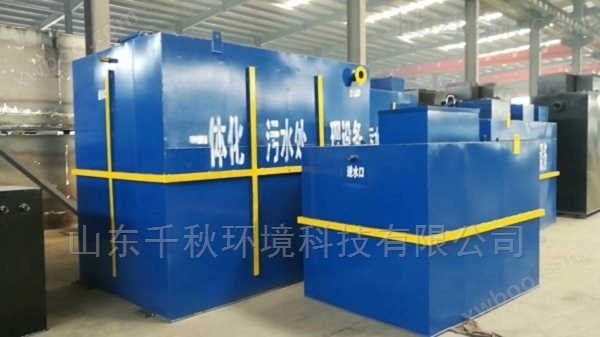
2. The entire equipment can be buried underground and does not occupy surface area;
3. The generated voice is low, with less odor and minimal impact on the surrounding environment;
4. High degree of purification and low sludge production in the entire system;
5. High degree of automation, convenient management, no need for dedicated personnel to manage;
6. Stable technology and easy maintenance;
7. Low energy consumption, saving operating costs.

1. Primary sedimentation tank
The initial sedimentation tank of the equipment is a vertical flow sedimentation tank, and the upward flow velocity of sewage in the deep sedimentation tank is 0.6-0.7 millimeters per second. The settled sludge is lifted to the sludge tank by air.
2. Contact oxidation tank
After initial sedimentation, the water flows automatically to the contact tank for biochemical treatment. The contact tank is divided into three stages with a total residence time of more than 1 hour. The contact oxidation time of the reinforced equipment can reach 6 hours, and the filler is a novel filler that is easy to film and does not clog. The specific surface area of the filler is 160m ²/m ³, and the gas water ratio of the contact tank is around 12:1. (SLZ-A/O0.5-6T/h, contact cell is secondary)
3. Secondary sedimentation tank
The biochemical wastewater flows into the secondary sedimentation tank, which consists of two vertical flow sedimentation tanks operating in parallel. The upward flow velocity is 0.3-0.4 millimeters per second. The sludge is discharged by air lifting to the sludge tank.
4. Disinfection pool and disinfection pool device
The disinfection pool is designed according to the standard of "TJ14-74" for 30 minutes. If it is hospital sewage, the retention time of the disinfection pool can be increased to 1-1.5 hours, and solid chlorine tablets can be used for contact dissolution disinfection. The disinfection device can continuously change the dosage according to the size of the water output, achieving the goal of adding more water and more medicine, and adding less water and less medicine. Other disinfection devices can be prepared separately.
5. Sludge tank
All sludge from the primary and secondary sedimentation tanks is transported by air to the sludge tank of WSZ-A for aerobic digestion. The clear liquid from the sludge tank flows back to the heat exchange oxidation tank for further treatment. After digestion, there is very little residual sludge, usually cleaned once every 1-2 years. The cleaning method is to use a suction truck to extend from the inspection hole of the sludge tank into the bottom of the sludge and carry out suction and transportation.
6. Fan room
Fan: The fan of equipment SLZ-A/O is located above the disinfection area, and the inlet adopts double-layer sound insulation. The inlet has a muffler and a fan filter, so there is no noise during operation. The fan adopts two rotary fans, which can automatically alternate operation. The operating life of a single wind turbine is about 30000 hours.
7. Adjust
Chemical wastewater has the characteristic of variable water quality and quantity, which can vary greatly within a day or a shift, especially when materials flow into the wastewater due to abnormal operation or equipment or pipeline leaks. The changes in wastewater quality and quantity are detrimental to the normal functioning of drainage facilities and wastewater treatment equipment, especially biological treatment equipment, and may even cause damage. In this case, a common measure is to set up a regulating tank before the wastewater treatment system to regulate the water volume (averaging tank) and the water quality (homogenization tank), in order to ensure the normal progress of wastewater treatment. In addition, the averaging tank can also serve as a temporary storage for accident drainage.
8. Centrifugal separation
Centrifugal separation for wastewater treatment is the use of centrifugal force generated by rapid rotation to separate suspended particles in wastewater. When wastewater containing suspended particles undergoes rapid rotational motion, the larger solid particles are thrown to the periphery, while the smaller ones remain in the inner ring, thereby separating the wastewater from the suspended particles and purifying the wastewater.
Similar Product Recommend