-
E-mail
2121960783@qq.com
-
Phone
15163670722
-
Address
Manager Li, Gaoxin 2nd Road, Weifang High tech Zone, 15163670722
Product Categories
- Acid washing wastewater treatment equipment
- Underground sewage treatment equipment
- Sewage treatment equipment in gynecological hospitals
- Biological anaerobic filter
- Washing wastewater treatment equipment
- Plastic wastewater treatment equipment
- Enterprise domestic sewage treatment equipment
- Rural sewage treatment equipment
Shandong Qianqiu Environmental Technology Co., Ltd
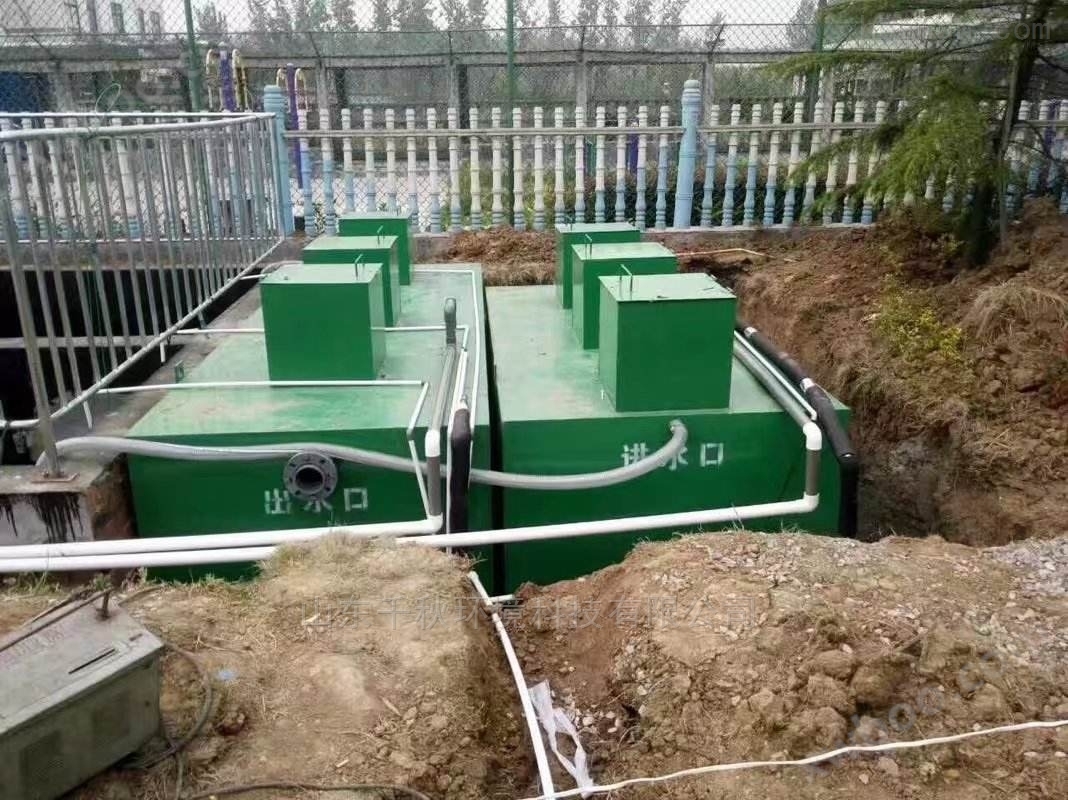
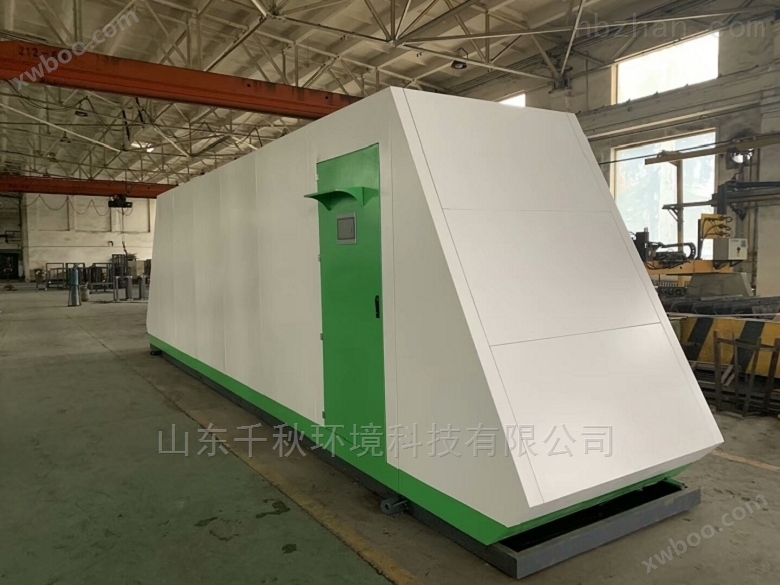
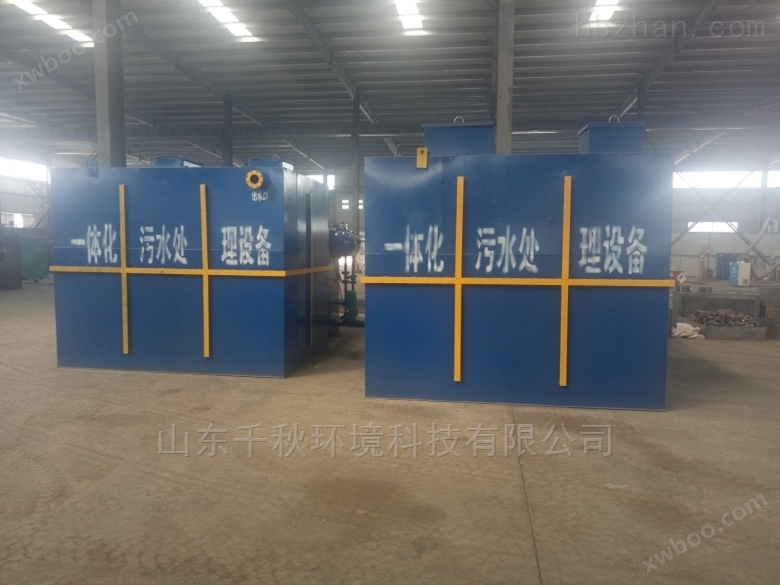
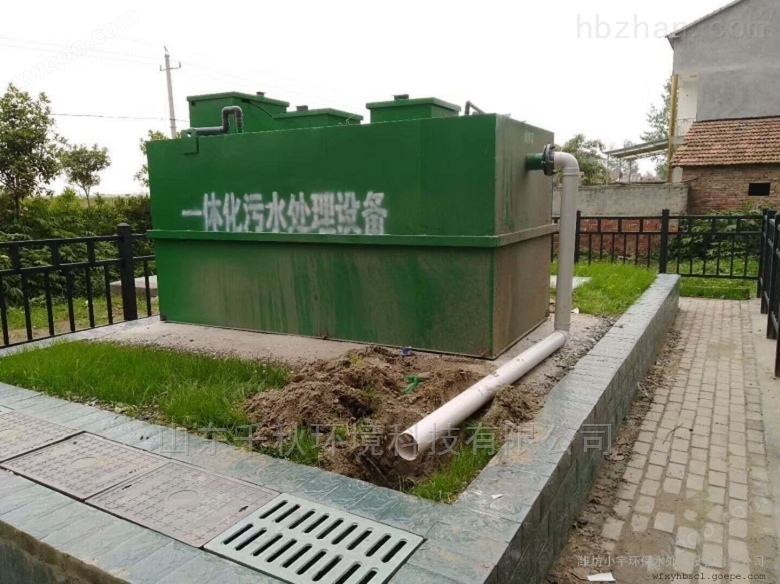
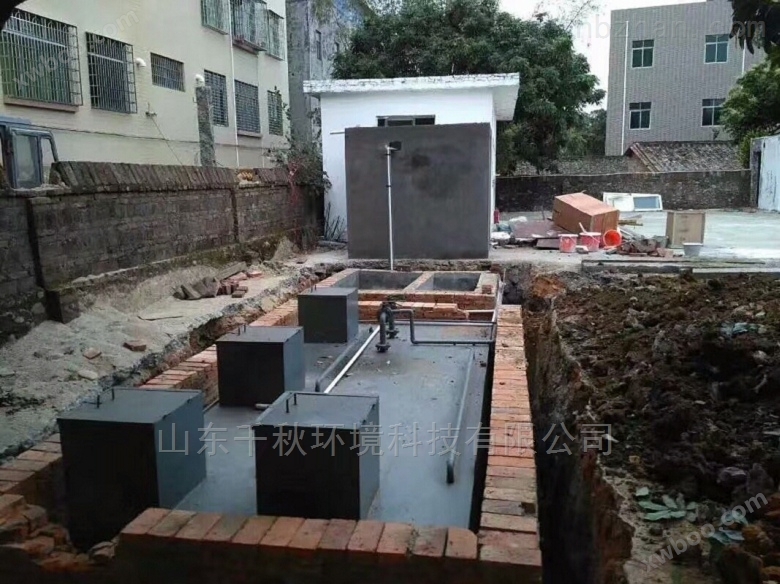
The new plastic sewage treatment equipment has a long service life
NegotiableUpdate on 01/21
- Model
- Nature of the Manufacturer
- Producers
- Product Category
- Place of Origin
Overview
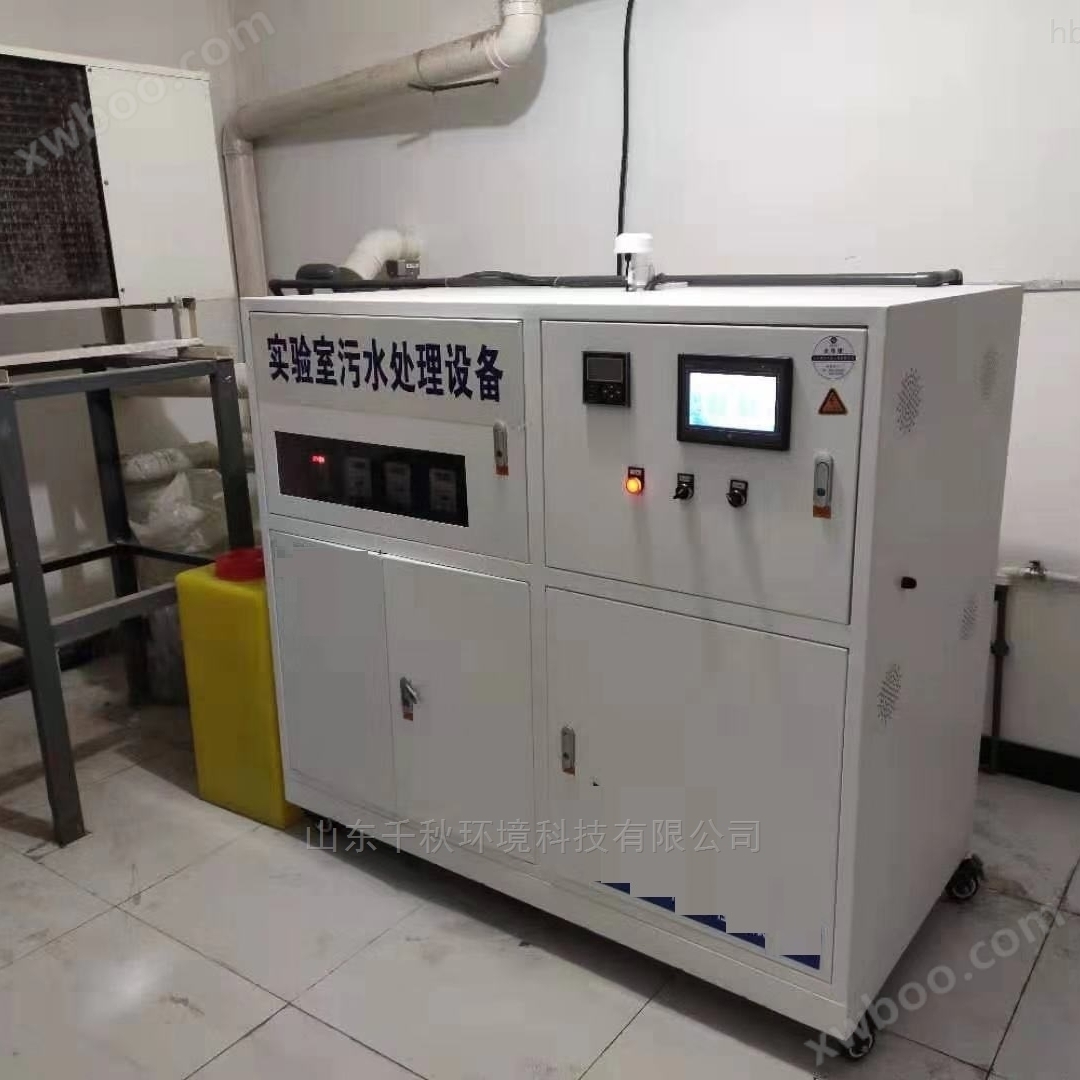
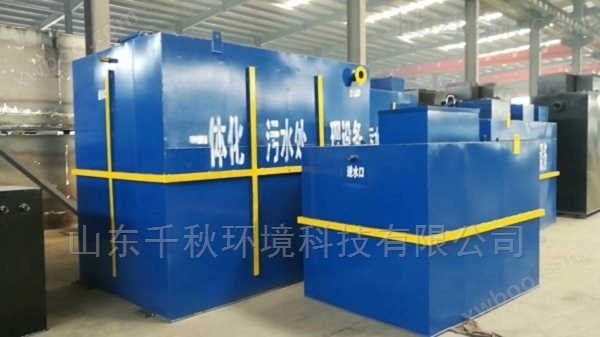
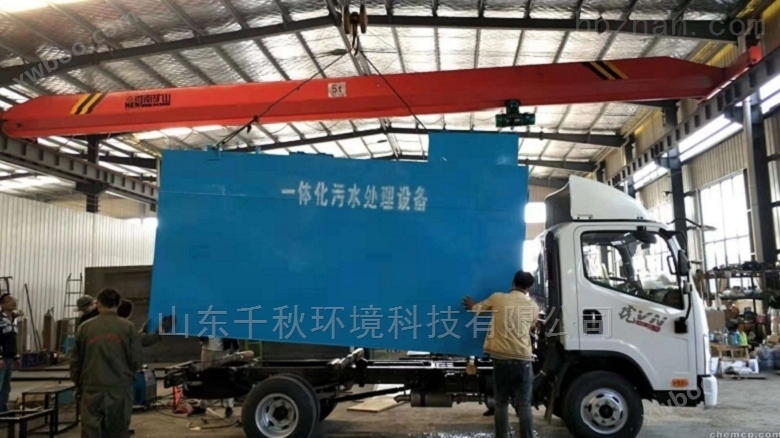
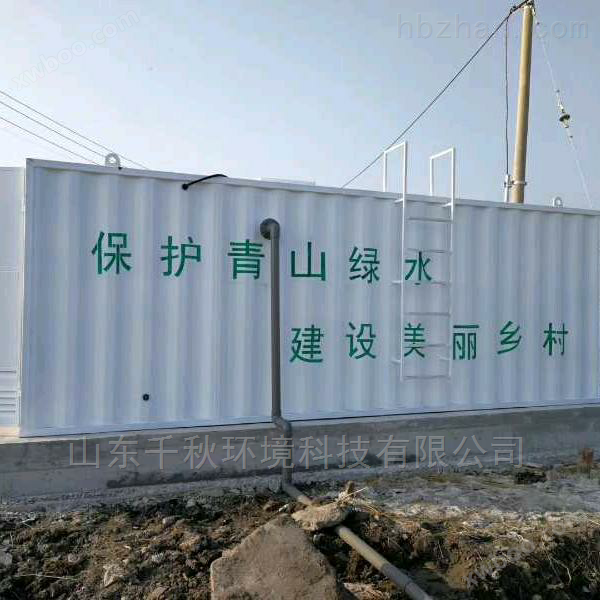
Plastic cleaning wastewater treatment equipment is mainly used for washing mineral water bottles, as well as cleaning waste plastic sheets, plastic woven bags, and plastic bottles before plastic granulation. Most of the wastewater is suspended particulate pollutants with less solubility, and cleaning plastics requires a large amount of clean water. Weifang Qianqiu Environmental Technology Co., Ltd. produces and designs new plastic sewage treatment equipment with a long service life.
Product Details
Plastic cleaning wastewater treatment equipment is mainly used for washing mineral water bottles, as well as cleaning waste plastic sheets, plastic woven bags, and plastic bottles before plastic granulation. Most of the wastewater is suspended particulate pollutants with less solubility, and cleaning plastics requires a large amount of clean water
The recycled plastic industry commonly suffers from phenomena such as water pollution, air pollution, and noise pollution. Mainly because most waste plastics contain dust, sawdust, expired liquids, heavy metal toxic substances, etc., they need to be cleaned and dusted first during the recycling process. Recycled plastics require a large amount of cleaning water during sorting, cutting, crushing, and granulation processes. Wastewater discharge has a large instantaneous flow rate, high sediment content, and contains various specifications of plastic fragments and debris. Due to the influence of the original use of plastics, the composition of wastewater during cutting and cleaning processes is also relatively complex, usually containing a certain amount of oil COD、 Surfactants, chromaticity, etc.
According to research, water pollution in the recycled plastic industry accounts for about 80%. The water pollution in the recycled plastic industry mainly occurs in the crushing and cleaning process, where pollutants are various substances adhered to waste plastics. If the pollutants emitted during the cleaning process are not well treated, it will inevitably increase the pollution of the receiving water body and affect the sustainable development of the enterprise.
The water required for the cleaning process of waste plastics varies depending on the product requirements, but generally the requirements for recycled water are not high. The main requirements are that it should be free of visible suspended solids, strong color, odor, and peculiar smell, while the final processes such as granulation often require higher water quality; The existing process for treating recycled plastic wastewater is difficult to meet the high standards required for reuse.Weifang Qianqiu Environmental Technology Co., Ltd. Production DesignThe new plastic sewage treatment equipment has a long service life
Plastic cleaning and sewage treatment equipmentOrganic pollution: Waste plastics mainly come into contact with or are packaged in food, feed, beverages, etc.
PH pollution: Alkaline substances mainly added during the crushing and cleaning process of waste plastics.
Suspended solids pollution: Waste plastic agricultural film and greenhouse film mainly come into contact with or package chemical fiber soil dust, waste plastic particles, etc.
Oil pollution: Waste plastic PET bottles mainly come into contact with or package oily substances.
For the cleaning and crushing processes, only high requirements are placed on the suspended solids content in the water. The coagulation treatment process can be used to remove most of the suspended solids in the sewage, and then the sewage can be reused in the production process to reduce the amount of sewage discharge. The discharged sewage can be mixed with domestic sewage to improve its biodegradability, and then discharged after biological treatment.
Weifang Qianqiu Environmental Technology Co., Ltd. Production DesignThe new plastic sewage treatment equipment has a long service life
Plastic cleaning and sewage treatment equipmentUsing a complete set of wastewater treatment processes including chemical precipitation, air flotation, and plate and frame filtration to treat plastic cleaning wastewater
The main raw materials for waste plastic pellets are polyethylene terephthalate and polypropylene. In the process of recycling and reusing waste plastics, a high-temperature alkali washing process is adopted, which uses about 500 cubic meters of alkali washing water per day. Due to the recycling of this alkali washing water, a large amount of organic matter concentration accumulates. Although 80% of the water is produced and reused, some high concentration alkali washing wastewater is still discharged. In order to understand the water quality characteristics of the sewage and determine a reasonable and applicable treatment process, chemical analysis, biodegradability tests, and small sample measurements of the sampled sewage were conducted under laboratory conditions. The main consideration for process selection was the recycling of alkaline washing water in the production process. We have determined the design concept of overall physical and chemical treatment of sewage for reuse, and partial discharge after biochemical treatment, which can save the total investment of the project and reduce the load on the biochemical system. The regularly discharged alkaline boiling solution is neutralized by adding acid and directly treated by the sludge drying system.
Plastic cleaning and sewage treatment equipmentThe water quality analysis results show that the alkaline washing wastewater has complex components and high concentrations (cumulative factors), and is a difficult to degrade organic compound. Even after physical and chemical treatment, it is still very low. Under simple long-term aerobic treatment conditions, its molecular structure is difficult to be destroyed, and its biodegradation half-life is long. If applied to engineering, the investment is large and uneconomical. Difficult to degrade organic matter refers to microorganisms that cannot degrade it or cannot degrade it quickly enough under any environmental conditions to prevent its accumulation in the environment. There are various reasons why organic matter cannot be degraded, but they can be roughly divided into two categories: toxic to microorganisms; The chemical structure is stable. In response to the complex composition of alkaline washing wastewater generated during the recycling process of waste plastics, physical and chemical methods are used for pretreatment to change the structure of biologically recalcitrant organic compounds, eliminate or reduce their toxicity, and increase their biodegradability; Simultaneously designing a biodegradation pathway and developing microorganisms suitable for degradation and toxicity resistance, improving the biochemical treatment process and equipment, are the key to the successful treatment of waste plastic alkali washing wastewater. One of the important ways to improve the current activated sludge process is to cultivate microorganisms and bacteria that can decompose difficult to biodegrade organic matter through cultivation, modification, regulation, mutation, and inoculation. The domesticated activated sludge can resist high concentration pollutionPlastic cleaning and sewage treatment equipmentIn the initial stage of process debugging, active anaerobic bacteria from natural anaerobic tanks are selected for inoculation and cultivation, with controlled inflow and gradually increasing stages. Regular mud samples are collected to observe the biological phase, and the growth of bacterial communities is monitored at any time. The inflow and aeration rates are adjusted in a timely manner. The key to the effectiveness of the entire project operation lies in whether the air flotation physicochemical treatment process is operating normally; Wastewater removal mainly relies on aerobic biological treatment; Medication coagulation and chemical treatment ensure that the effluent meets the standard. Our company has designed a complete set of wastewater treatment processes, including chemical precipitation, air flotation, and plate and frame filtration, to treat waste plastic alkali washing wastewater. After more than a year of practical operation, the entire treatment system has operated stably and achieved good treatment effects. All effluent quality indicators have met or exceeded the discharge standards required by the design.
A process for treating recycled plastic wastewater, comprising the following steps:
1) Collect wastewater and sand it in a sedimentation tank to separate sand particles and heavy inorganic sludge from the wastewater;
2) The wastewater treated by sand settling is sent to the collection tank and then to the rotating machinery grid to intercept and filter the fine plastic particles in the wastewater;
3) The filtered wastewater enters the initial sedimentation tank to settle the sludge, and the supernatant is discharged into the regulating tank;
4) Wastewater enters the clarification tank after passing through the regulating tank, and coagulation agents are added to the clarification tank;
5) The effluent from the clarification tank flows into the biological treatment tank to remove CODcr, BOD5, some phosphates, and ammonia nitrogen;
6) The effluent from the biological treatment tank flows into the secondary sedimentation tank for sludge water separation. The separated supernatant meets the standard and is discharged outside. The sludge is treated by centrifugal dewatering and then transported for disposal;
7) Collect the effluent from the secondary sedimentation tank, filter it through a multi-media filter and an activated carbon filter in sequence, and then perform membrane separation treatment through a nanofiltration system and a reverse osmosis system in sequence to ultimately meet the reuse water standard.
Furthermore, in step 2), the retention time of the wastewater in the collection tank is 1-2 hours, during which the wastewater is stirred in the collection tank by an underwater stirring device.
Furthermore, in step 3), the residence time of the wastewater in the regulating tank is 8-12 hours, during which the wastewater is stirred in the regulating tank by an underwater stirring device.
Furthermore, the coagulation agent is composed of polyaluminum chloride and polyacrylamide, with 60-110g of polyaluminum chloride and 1-2g of polyacrylamide added per ton of wastewater. The added agents are prepared into a solution and added, with a concentration of 5% for the polyaluminum chloride solution and 1.0 ‰ -1.5 ‰ for the polyacrylamide solution.
Furthermore, the biological treatment tank consists of a hydrolysis acidification tank and an activated sludge tank, and the wastewater is sequentially treated by the hydrolysis acidification tank and the activated sludge tank before flowing into the secondary sedimentation tank.
Furthermore, the inflow method of the activated sludge tank is multi-point inflow, and the wastewater in the activated sludge tank needs to go through multiple stages of diversion.
Furthermore, the bottom of the secondary sedimentation tank is equipped with a sludge return pump, which returns the sludge from the bottom of the secondary sedimentation tank to the front end of the activated sludge tank.
Furthermore, in step 7), polyaluminum chloride is added to the front end of the multi-media filter at a rate of 15-30g per ton of wastewater; The front end of the nanofiltration system is equipped with a security filter, which uses a filter cartridge size of 5 μ m, and the recovery rate of nanofiltration is controlled between 85% and 90%.
Furthermore, the concentrated water generated by the nanofiltration system and reverse osmosis system in step 7) can be discharged when it meets the discharge requirements. If it does not meet the discharge requirements, the concentrated water will be sent back to the front end of the biological treatment tank for further treatment.
Furthermore, the sludge treatment method generated by the entire process is as follows: the sludge generated by the initial sedimentation tank is filtered and dehydrated by a box type filter press, and the sludge generated by the clarification tank and secondary sedimentation tank is filtered and dehydrated by a horizontal screw centrifuge. The sludge cake produced after dehydration is transported to the landfill site for landfilling; And the filtrate and flushing water discharged during each filter press dewatering process are discharged into the regulating tank for reprocessing.
Advantages:
1. Based on the characteristics of wastewater, precise treatment measures can be taken to ensure stable treatment and reuse effects.
2. Good adaptability to the variability of wastewater quality and the large daily variation coefficient of wastewater volume.
3. For high content of waste cement sand, natural sedimentation and mud settling are adopted first, followed by chemical coagulation and clarification, saving the cost of chemical additives.
4. Strong ability to withstand impact loads.
5. Good preprocessing effect, low investment cost in processing and reuse engineering, and easy operation and management.
6. The processing and reuse processes and equipment have stable performance and long service life.

Similar Product Recommend