-
E-mail
mingsheng2020@qq.com
- Phone
-
Address
Liangshan
Product Categories
Liangshan Mingsheng Second hand Equipment Purchase and Sales Department
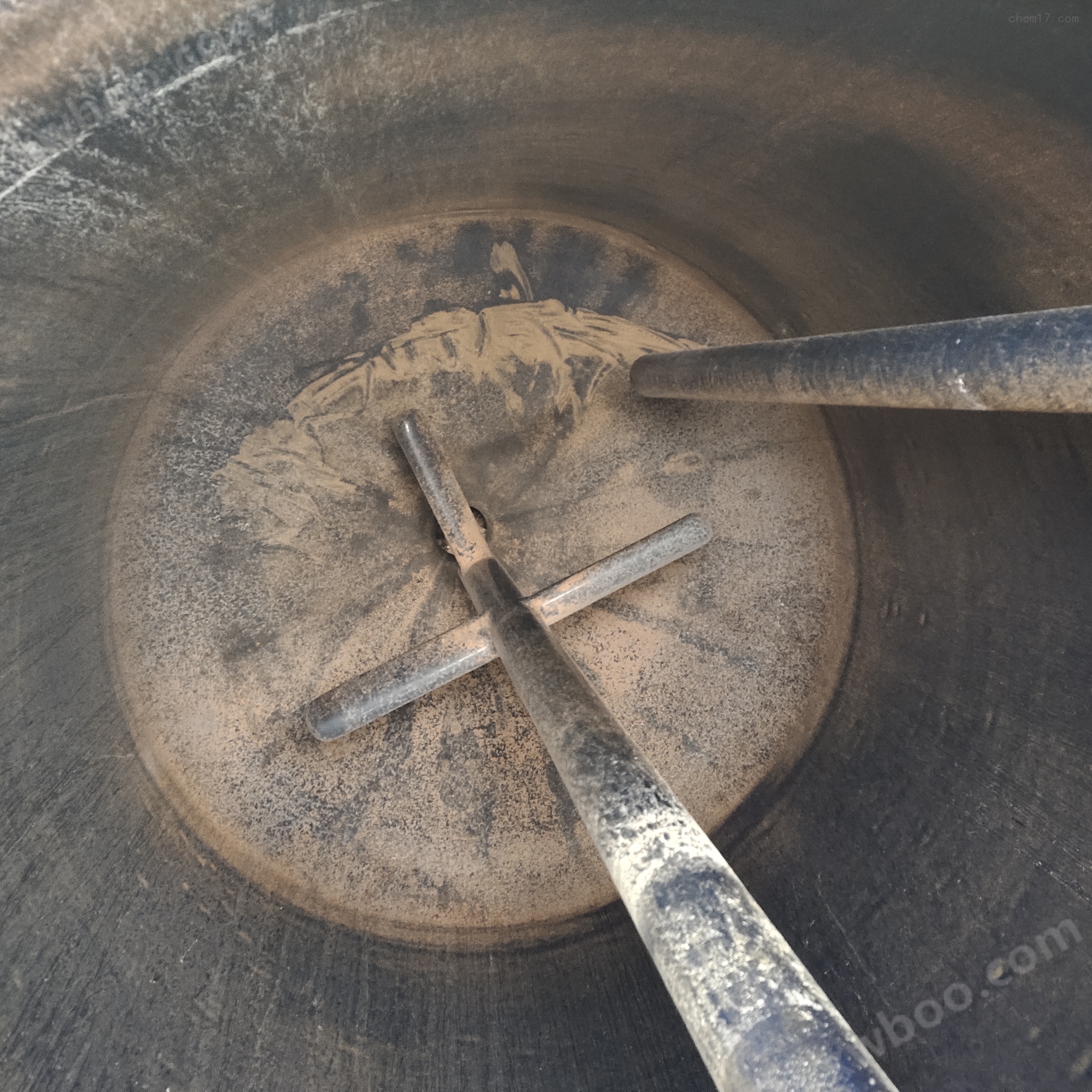
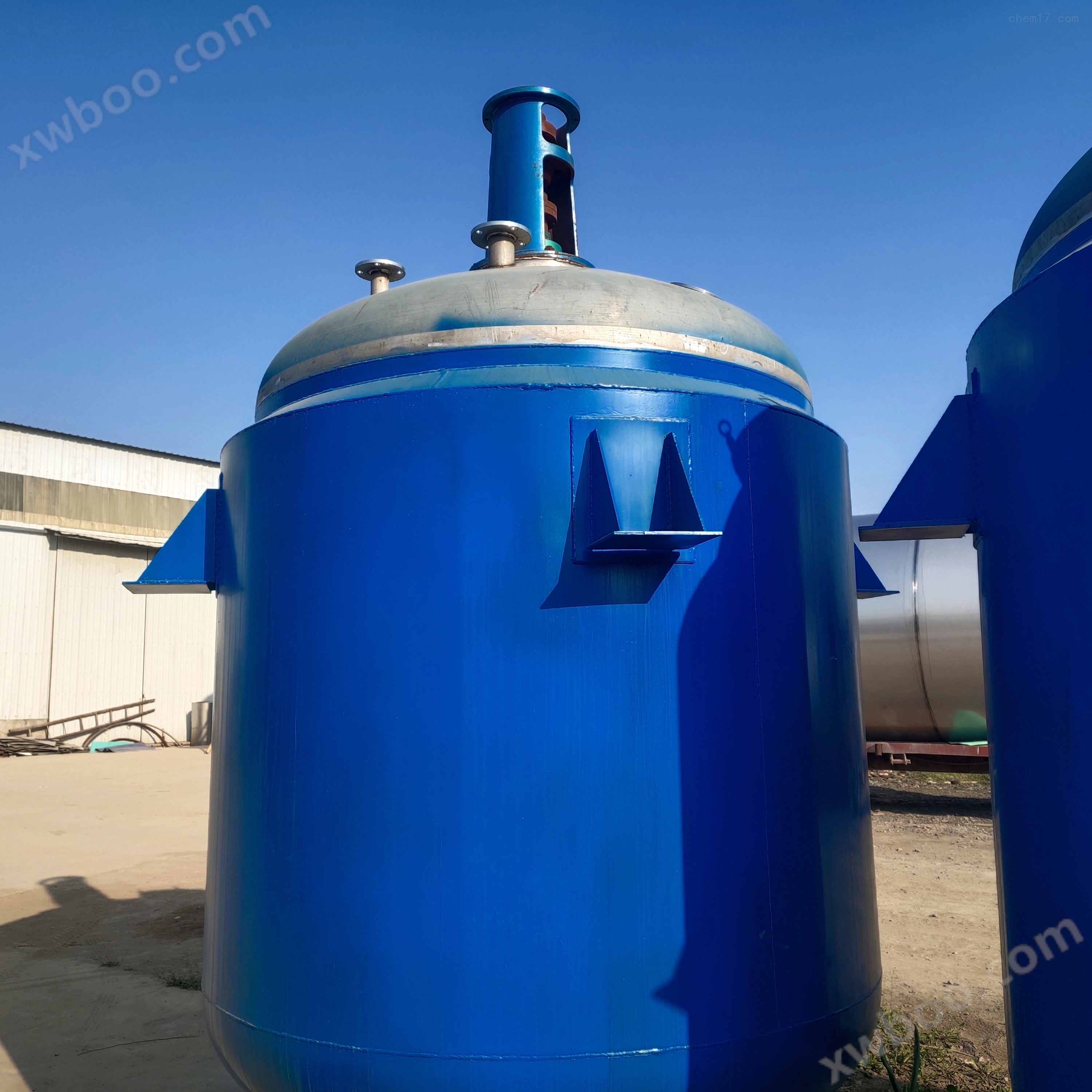
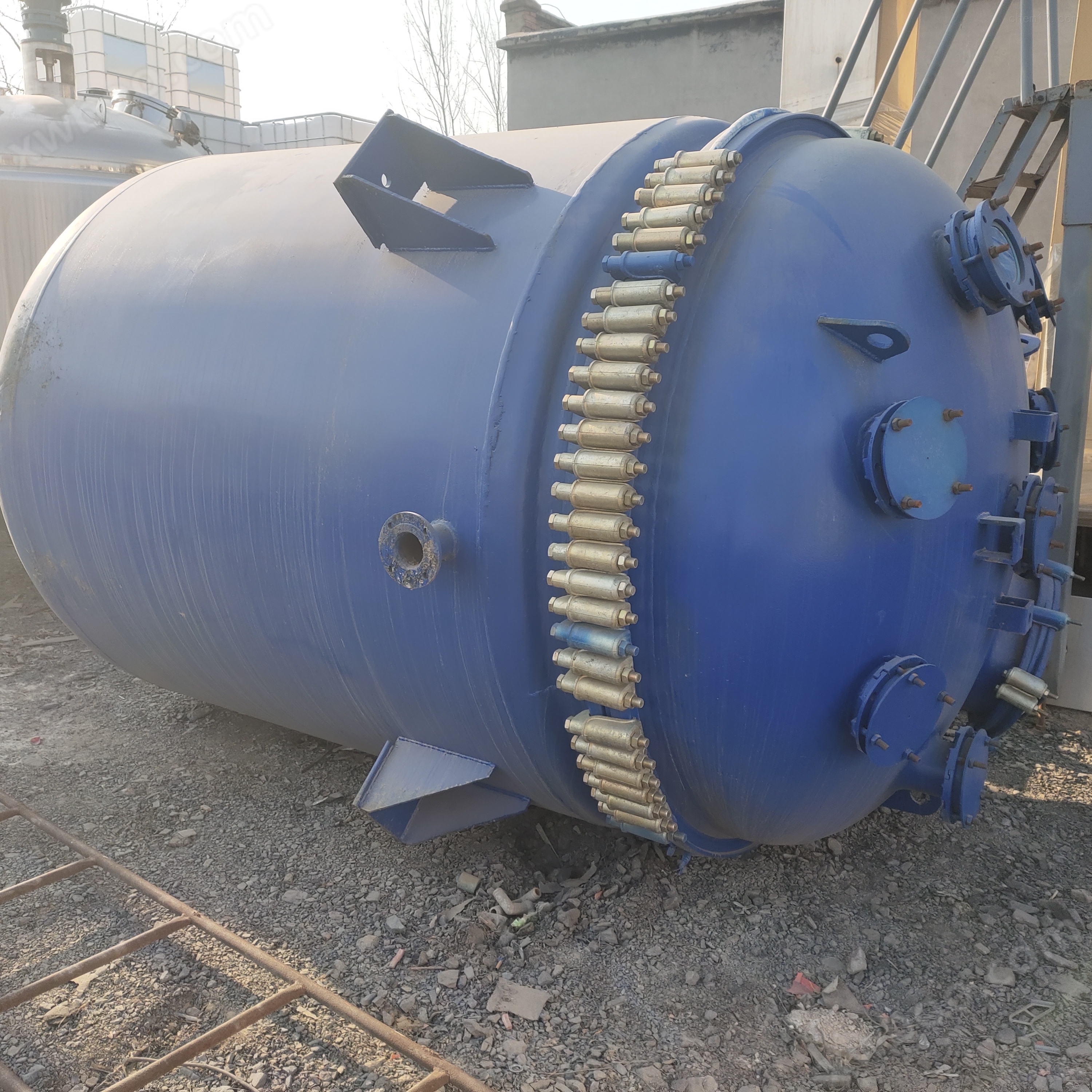
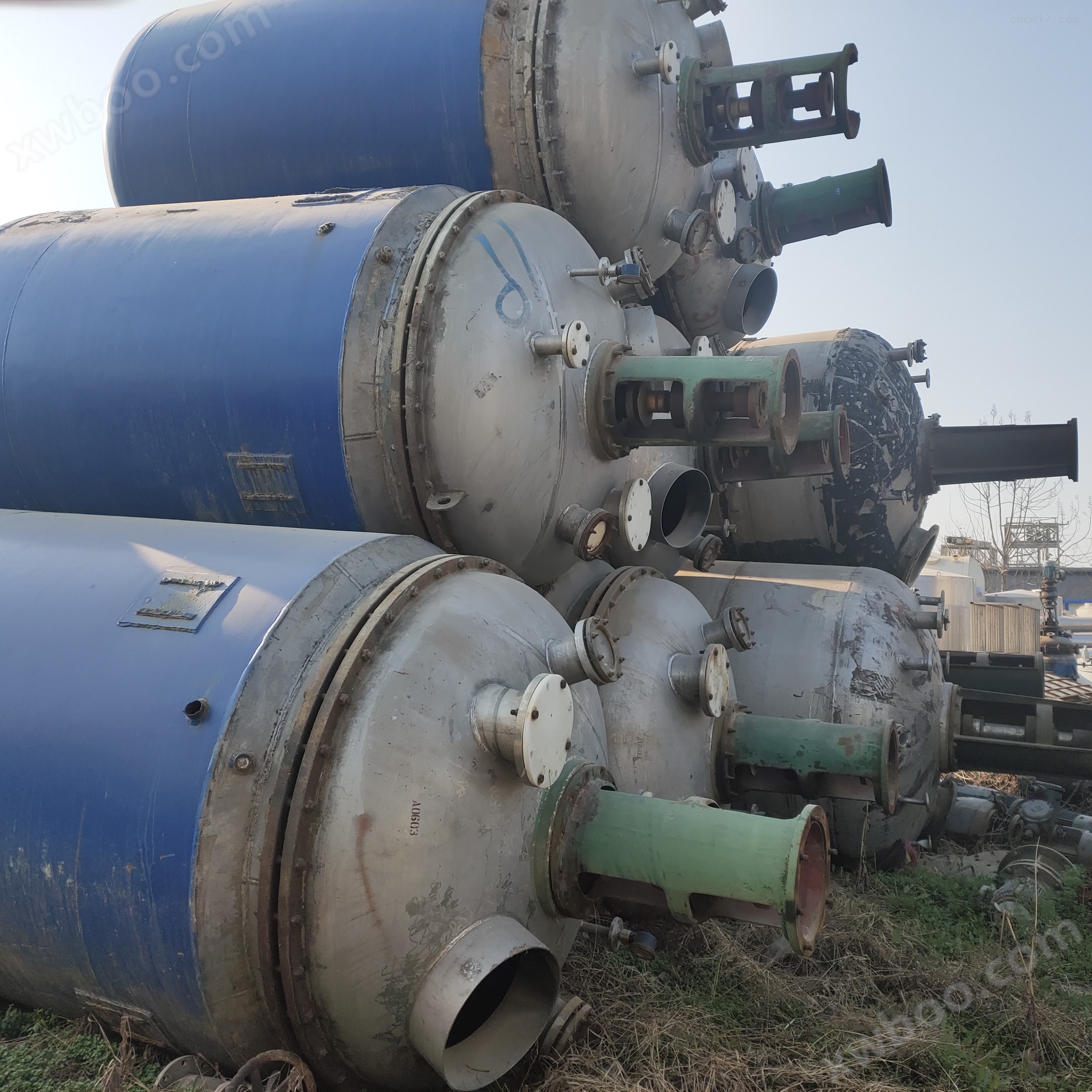
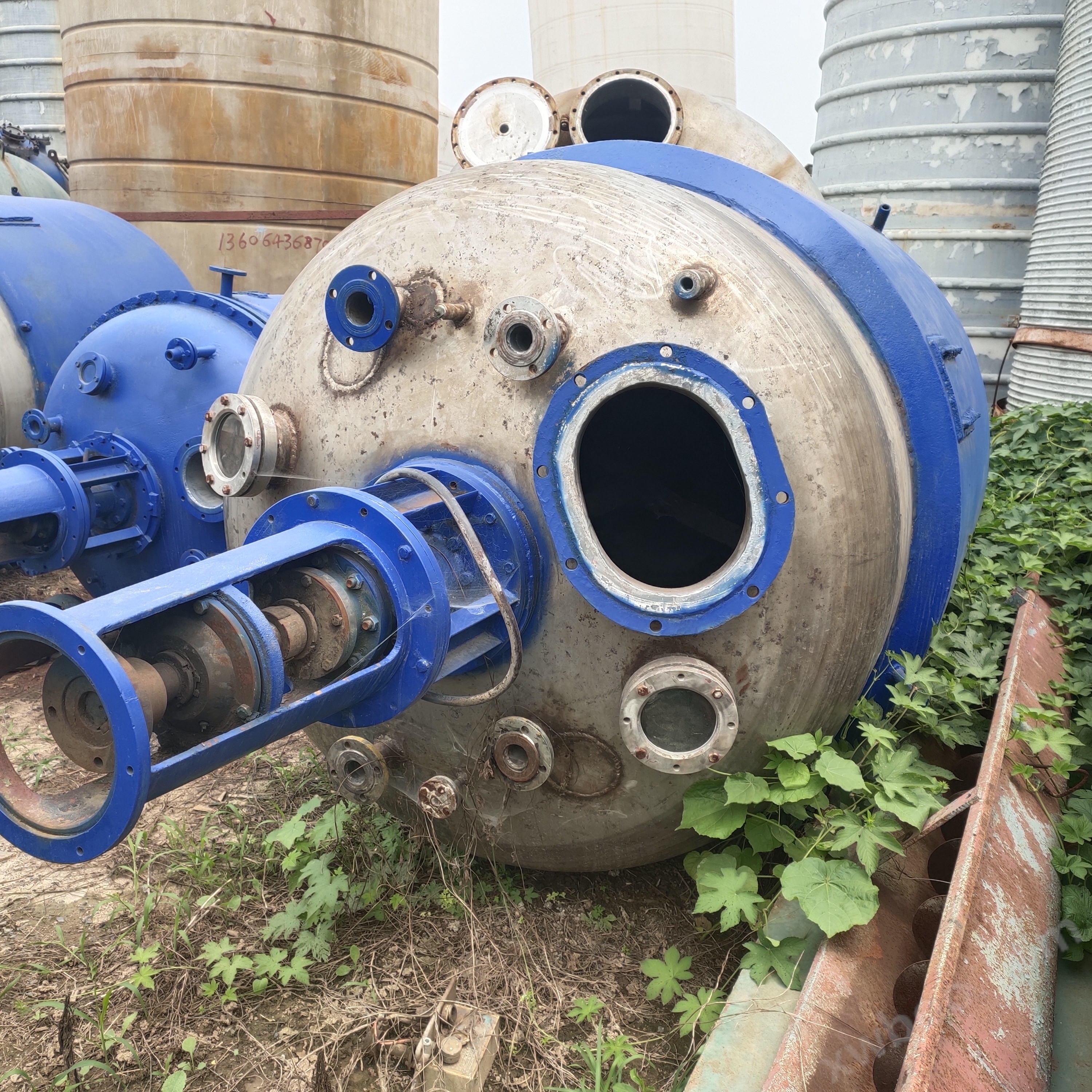
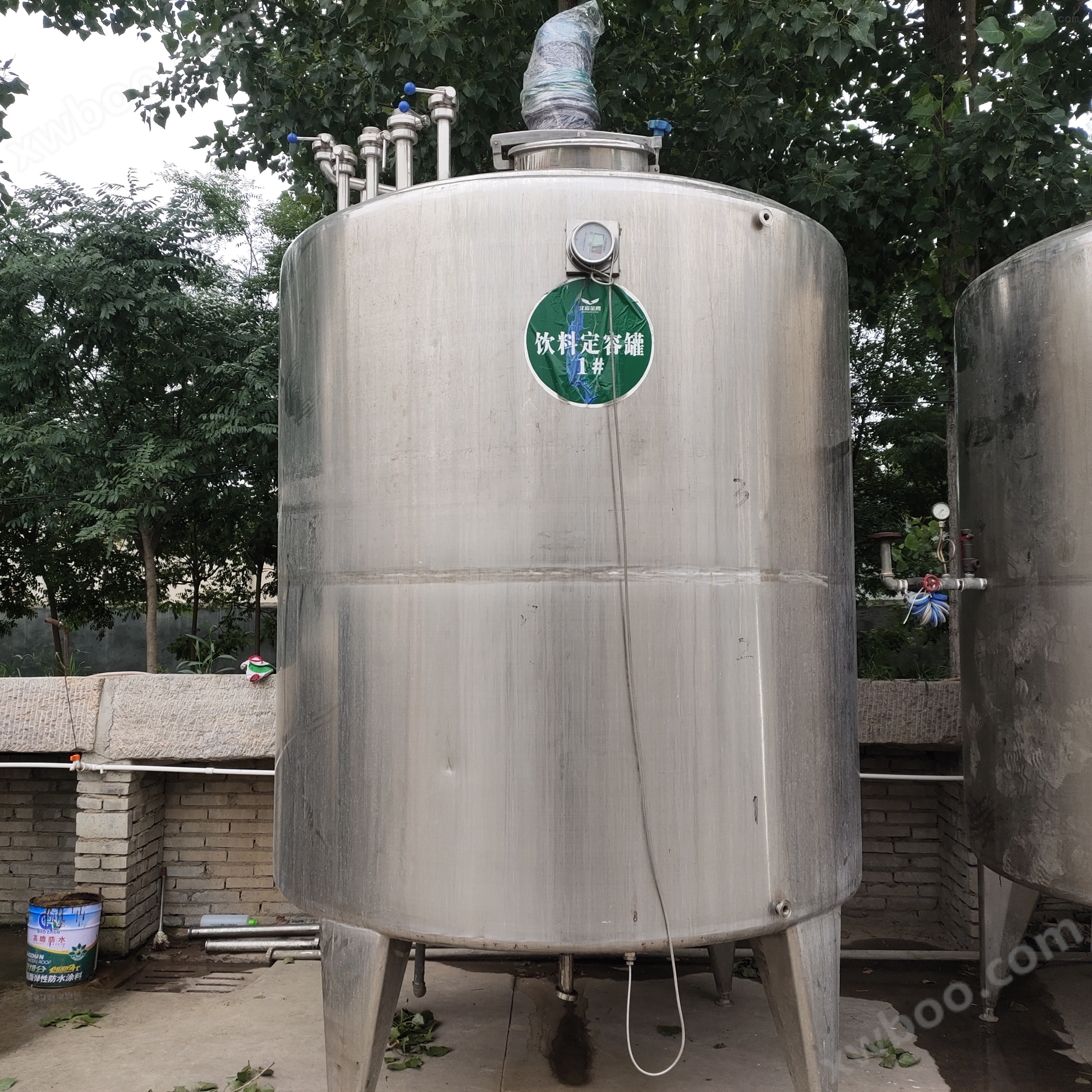
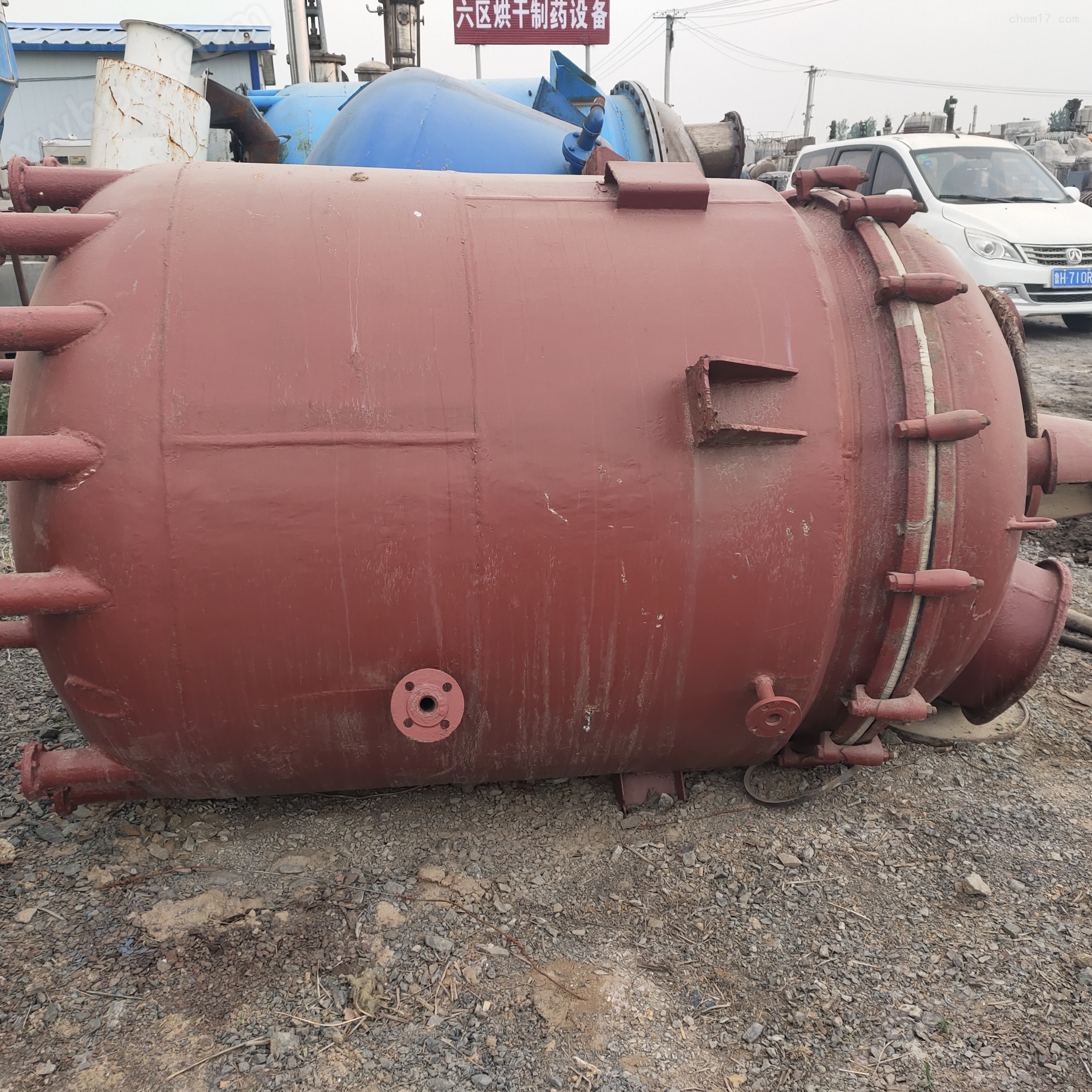
Reactor * Stainless steel enamel
NegotiableUpdate on 01/21
- Model
- Nature of the Manufacturer
- Producers
- Product Category
- Place of Origin
Overview
Company Operations Reactor * Stainless Steel Enamel Second hand Enamel Reactor Second hand Stainless Steel Reactor Second hand High pressure Reactor Second hand Electric Heating Reactor Second hand Electric Heating Stainless Steel Reactor Second hand Drum Drying Machine Second hand Stainless Steel Reactor Second hand Stainless Steel Condenser Second hand Stainless Steel Storage Tank Second hand Centrifuge Second hand Filter Press Second hand Mixing Tank and Other Second hand Chemical Equipment Second hand Beverage Equipment Second hand Environmental Protection Equipment Second hand Pharmaceutical Equipment Second hand Food Equipment Second hand Drying Equipment Second hand Granulation Equipment Sewage Treatment Equipment Sludge Treatment Equipment Model Complete
Product Details
Reactor * Stainless steel enamel
Enamel reaction kettle is a composite material product made by lining high silica glass on the inner surface of a steel container and firmly adhering it to the metal surface through high-temperature burning. So, it has the dual advantages of glass stability and metal strength, making it an excellent corrosion-resistant equipment
Overview
Enamel reaction kettle, with two types of structures: separated and closed. The open type has a separate body and lid, connected by a cushion and clip in the middle. Generally, it has a capacity of less than 5000L; Closed type with integrated body and cover, generally with a capacity of over 5000L. These two structures each have their own advantages. Open disassembly is more convenient, and if there is a problem with the pipe opening on the can cover, it is easy to remove and repair separately. Closed disassembly has better sealing performance. Generally speaking, there are two types of open structures: flat welding butt flange connection and flat cover connection.
Maintenance and upkeep of enamel reaction kettle
(1) Every shift (frequently) conducts a patrol inspection to ensure that the operating pressure, temperature, vacuum degree, etc. inside the enamel reaction kettle and jacket are within the safe operating range allowed by the equipment (especially the use pressure of the reaction kettle jacket should not exceed the allowable limit). When stirring, pay attention to the sound of the equipment during operation and check for any abnormalities in the thermometer sleeve and stirring inside the kettle.
(2) Equipment operators and maintenance workers should use visual, tactile, and auditory methods to inspect equipment. They should check the appearance, touch the temperature rise, and listen to the sound to determine whether the equipment is operating normally. If there are any hidden dangers, they should be reported in a timely manner.
(3) Regular maintenance of enamel reaction kettle
① According to the maintenance cycle regulations for enamel reaction vessels, maintenance is scheduled twice a year, usually around the Spring Festival and during major repairs.
② Only the thermometer sleeve and inlet pipe of the enamel reaction kettle are disassembled and inspected before and after the Spring Festival every year.
③ During the annual overhaul period, in addition to checking the thermometer sleeve and intake pipe, it is also necessary to complete inspections of the mixing slurry and enamel on the inner wall of the reactor, pressure testing of the reactor jacket, oil change of the reducer, external anti-corrosion of the reactor, and insulation and cooling checks.


Installation operation
1. The high-pressure reactor should be placed indoors. When equipping multiple high-pressure reactors, they should be placed separately. Each operating room should have an exit directly leading to the outside or passage, and the equipment grounding point should be ensured to have good ventilation.
2. When installing the kettle cover, it is necessary to prevent the sealing surfaces between the kettle body and the kettle cover from colliding with each other. Carefully place the kettle lid in a fixed position on the kettle body, and when tightening the main nut, it must be tightened diagonally and symmetrically in multiple steps. Apply even force and do not allow the kettle lid to tilt to one side to achieve a good sealing effect.
3. At the joint of the positive and negative nuts, only the positive and negative nuts are allowed to be rotated, and the sealing surfaces of the two circular arcs must not be rotated relative to each other. When all nut pattern connections are assembled, lubricating oil should be applied.
4. The needle valve system is sealed with a thread. Simply rotate the valve needle gently and press the cover tightly to achieve a good sealing effect.
5. Rotate the rotating body on the kettle by hand to check if it operates flexibly.
6. The controller should be placed flat on the operating platform, with a working environment temperature of 10-40 ℃ and a relative humidity of less than 85%. The surrounding medium should not contain conductive dust or corrosive gases.
7. Check whether the movable parts and fixed contacts on the panel and back panel are normal, remove the cover, and check whether the connector contacts are loose, whether there is damage or rust caused by poor transportation and storage.
8. The controller should be reliably grounded.
9. Connect all wires, including power lines, electric furnace lines between the controller and the kettle, motor lines, temperature sensor and speedometer wires.
10. Close the "power" air main switch on the panel, and the digital display should show.
11. Set various parameters (such as upper limit alarm temperature, working temperature, etc.) on the digital display, then press the "heating" switch to turn on the electric furnace, and the indicator light on the "heating" switch will light up. Adjust the "pressure adjustment" knob to adjust the heating power of the electric furnace.
12. Press the "Mixing" switch to power on the mixing motor, and the indicator light on the "Mixing" switch will light up. Slowly turn the "Speed Control" knob to make the motor rotate slowly, observe whether the motor is rotating in the forward direction, and when there is no error, stop the machine, hang the belt, and restart.
13. After the operation is completed, it can be cooled naturally, cooled with water, or placed on a bracket for air cooling. After the temperature drops, release the pressurized gas inside the kettle to reduce the pressure to atmospheric pressure (the pressure gauge shows zero). Then, loosen the main nut symmetrically and evenly, remove the main nut, and carefully remove the kettle cover and place it on the bracket.
14. After each operation, the residue on the kettle body and lid should be removed. The main seal should be cleaned regularly and kept clean. It is not allowed to wipe it with hard objects or rough surfaces.
Reactor * Stainless steel enamel
(1) Installation location: The reaction vessel should be installed in a high-pressure operating room that meets explosion-proof requirements. When multiple reaction vessels are equipped, they should be placed separately, and a safe explosion-proof wall should be used to separate each two vessels. Each operating room should have a passage and outlet to the outside, and good ventilation should be ensured when explosive media is present.
(2) After opening the packaging, check for any damage to the equipment. Install the equipment according to the structural diagram based on the equipment model, and verify the components provided according to the packing list. If the heating method is thermal oil electric heating, please purchase the corresponding model of thermal oil according to the operating temperature (note: thermal oil does not allow moisture) and add it. When adding, open the oil filling port on the upper part of the jacket and the oil level port on the upper part of the jacket. Add oil through the filling port until the oil level flows out; Twist the oil level port tightly afterwards, do not twist the oil filling port tightly to avoid pressure.
(3) Installation and sealing of kettle body and kettle cover: The kettle body and kettle cover are in line contact with the circular arc surface using gaskets or conical surfaces, and are tightly pressed against each other by tightening the main nut to achieve a good sealing effect. When tightening the nut, it must be diagonally symmetrical and gradually tightened multiple times with even force. It is not allowed for the kettle cover to tilt to one side to achieve a good sealing effect. When tightening the main nut, do not exceed the specified tightening torque range of 40-120N. M to prevent the sealing surface from being crushed or overloaded for wear. Special care should be taken for the sealing surface. Before each installation, use a relatively soft paper or cloth to wipe the upper and lower sealing surfaces clean. Pay special attention not to scratch the sealing surfaces of the kettle body and lid. If operated reasonably, it can be used more than tens of thousands of times. After the sealing surface is damaged, it needs to be reprocessed and repaired to achieve good sealing performance. When disassembling the kettle cover, it should be slowly lifted up and down to prevent the sealing surfaces between the kettle body and the kettle cover from colliding with each other. If gaskets (PTFE, aluminum, copper, asbestos, etc.) are used for sealing, a good sealing effect can be achieved by tightening the main nut.
(4) The installation of valves, pressure gauges, and safety valves achieves a sealing effect by tightening the positive and negative nuts. The circular sealing surfaces at both ends of the connection must not rotate relative to each other. When assembling all screw connections, lubricant or graphite mixed with oil must be applied to prevent them from biting. The use of valves: Needle valves are line sealed, and good sealing performance can be achieved by gently rotating the valve needle and compressing the sealing surface. Excessive force is prohibited to avoid damaging the sealing surface.
(5) After the equipment is installed, introduce a certain amount of nitrogen and maintain pressure for 30 minutes to check for any leaks. If any leaks are found, use soap foam to locate the leakage points in the pipelines and pipe openings. After finding them, release the gas and tighten them. Then, conduct a nitrogen pressure test again to ensure that there are no leaks before starting normal operation.
(6) When cooling down, water can be used for internal cooling through the cooling coil. Rapid cooling is prohibited to prevent excessive temperature stress from causing cracks in the cooling coil and kettle body. When the temperature inside the kettle exceeds 100 ℃ during operation, the water jacket between the magnetic stirrer and the kettle cover should be filled with cooling water to ensure that the water temperature is less than 35 ℃, in order to prevent demagnetization of the magnetic steel.
(7) Safety device: It adopts a positive arch type metal blasting disc, made of stainless steel, manufactured according to the standard GB567-89 "Technical Conditions for Arch Type Metal Blasting". It has been tested before leaving the factory and cannot be adjusted arbitrarily. If it has already exploded, it needs to be replaced again. The replacement period is determined by the using unit according to the actual situation of the unit. For those that exceed the calibrated bursting pressure of the bursting disc but have not exploded, they should be replaced. If they are frequently used, they should not exceed 80% of the lower limit pressure of the bursting disc. When replacing, attention should be paid to the convex surface of the bursting disc facing upwards.
(8) After the reaction is complete, cool down and release the gas inside the kettle through the pipeline to reduce the pressure inside the kettle to atmospheric pressure. It is strictly prohibited to disassemble under pressure. Then, loosen the main bolts and nuts symmetrically and carefully remove the kettle cover (or lift the kettle cover) and place it on the bracket. During the disassembly process, special attention should be paid to protecting the sealing surface.
(9) Cleaning inside the kettle: After each operation, use cleaning solution (be careful not to corrode the main material when using cleaning solution) to remove the residue on the kettle body and sealing surface. It should be cleaned regularly and kept clean. Hard substances or rough surfaces are not allowed to be used for cleaning.
Similar Product Recommend