-
E-mail
mingsheng2020@qq.com
- Phone
-
Address
Liangshan
Product Categories
Liangshan Mingsheng Second hand Equipment Purchase and Sales Department
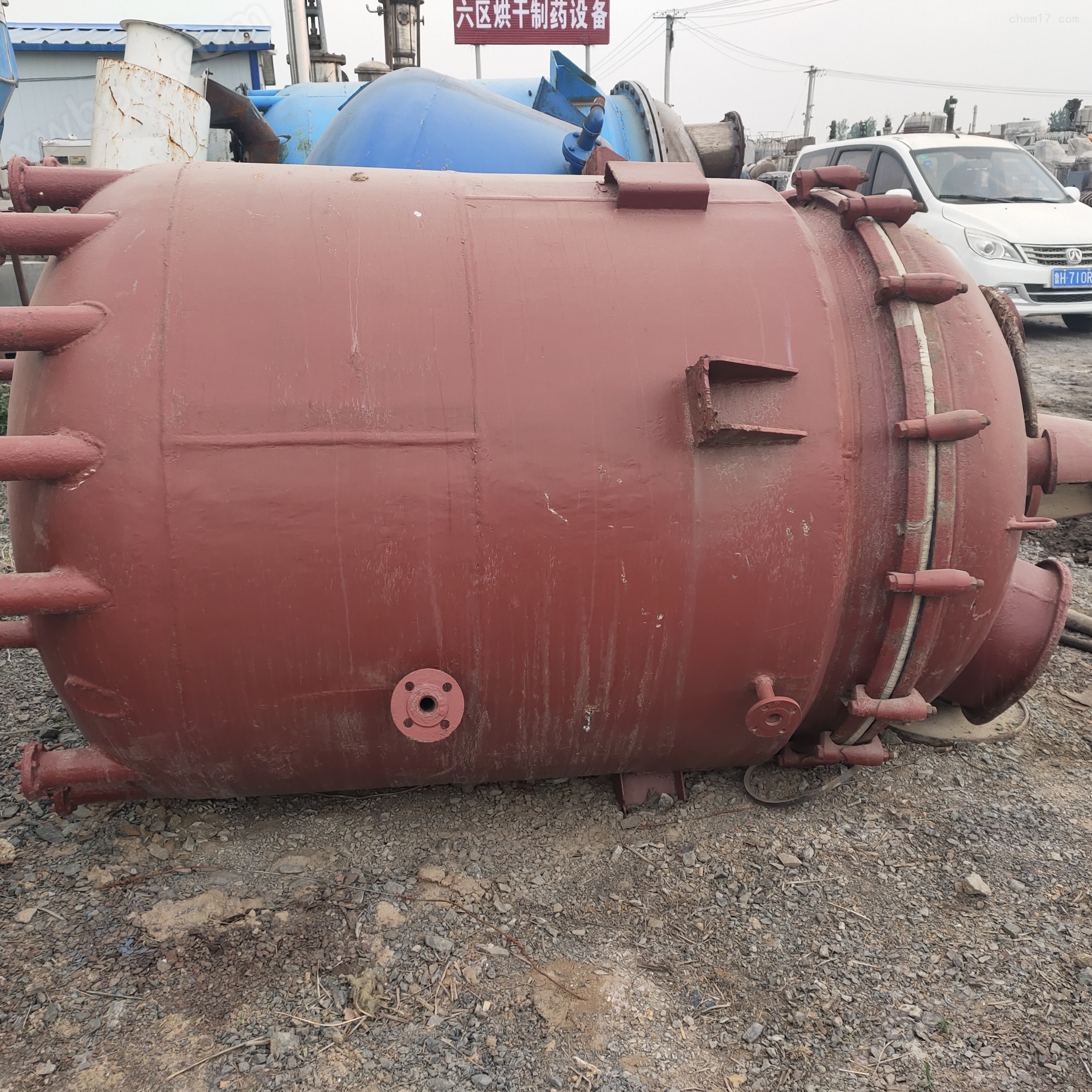

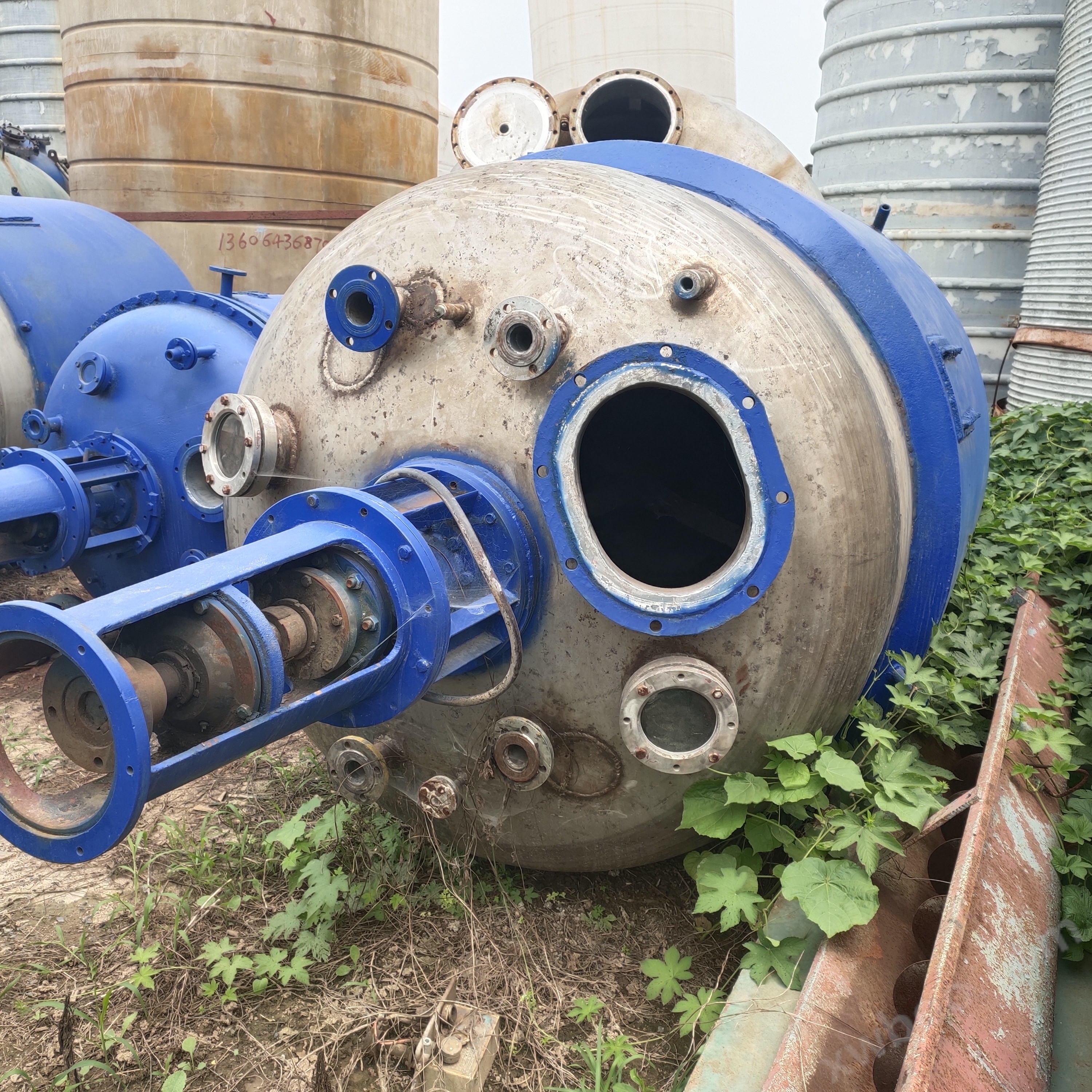
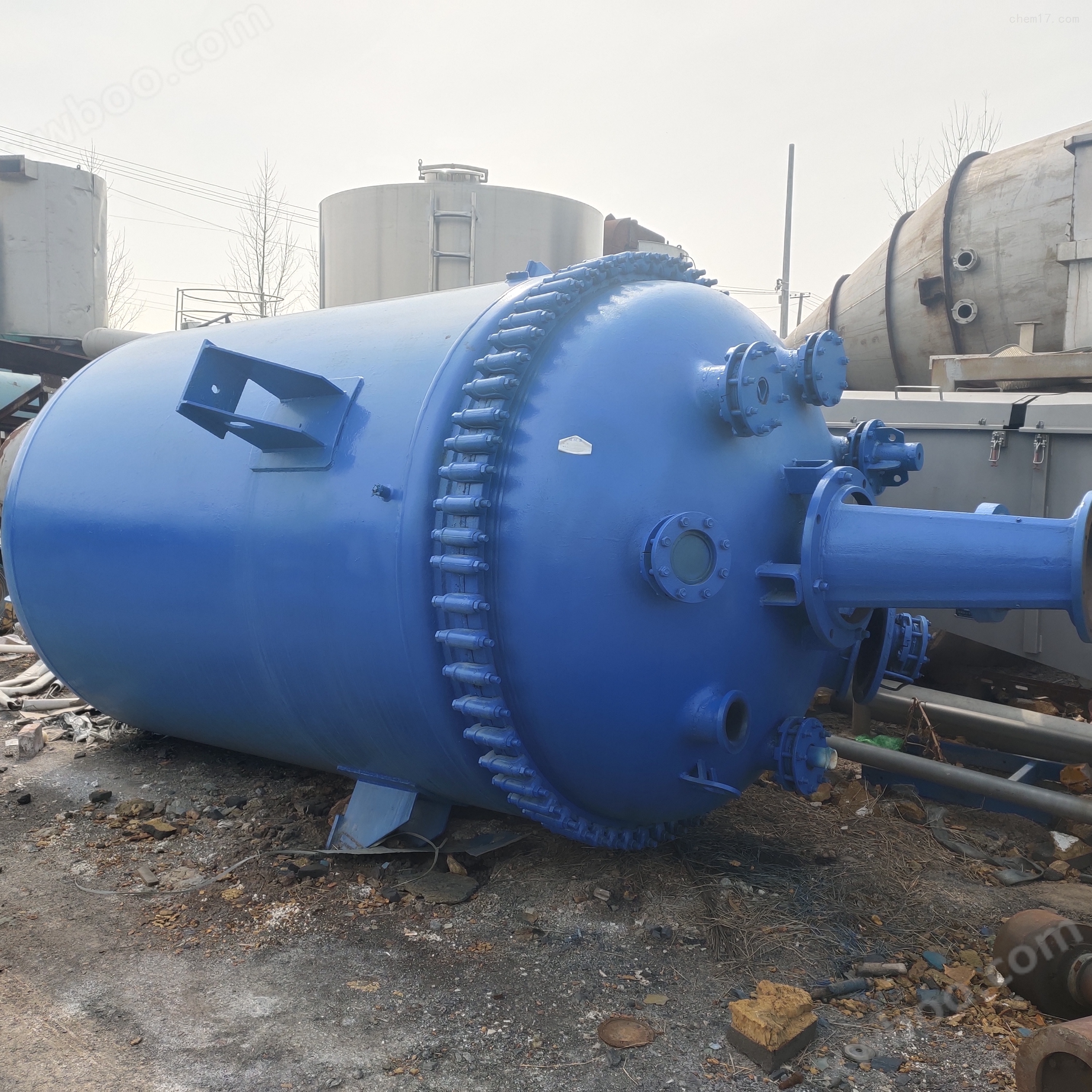

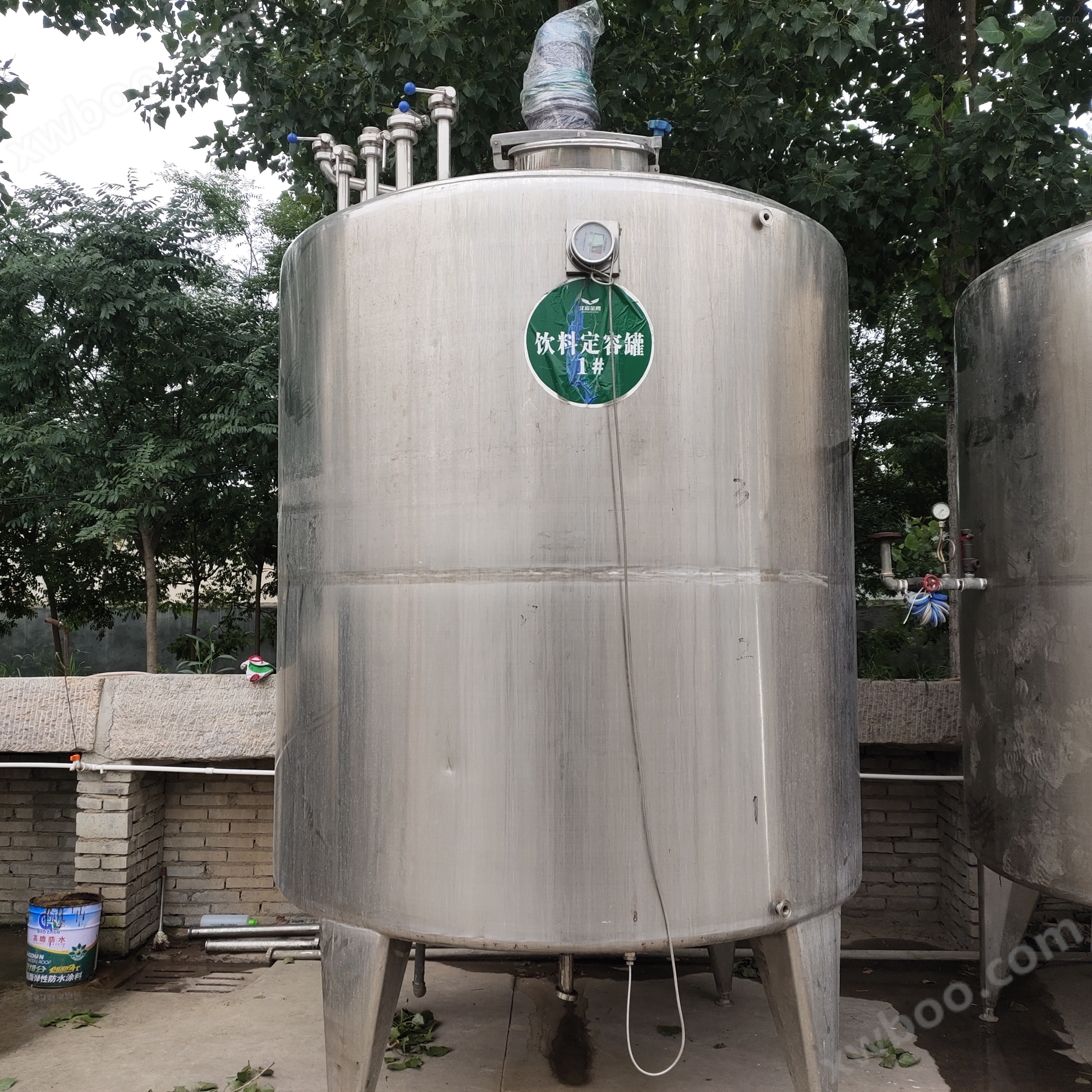
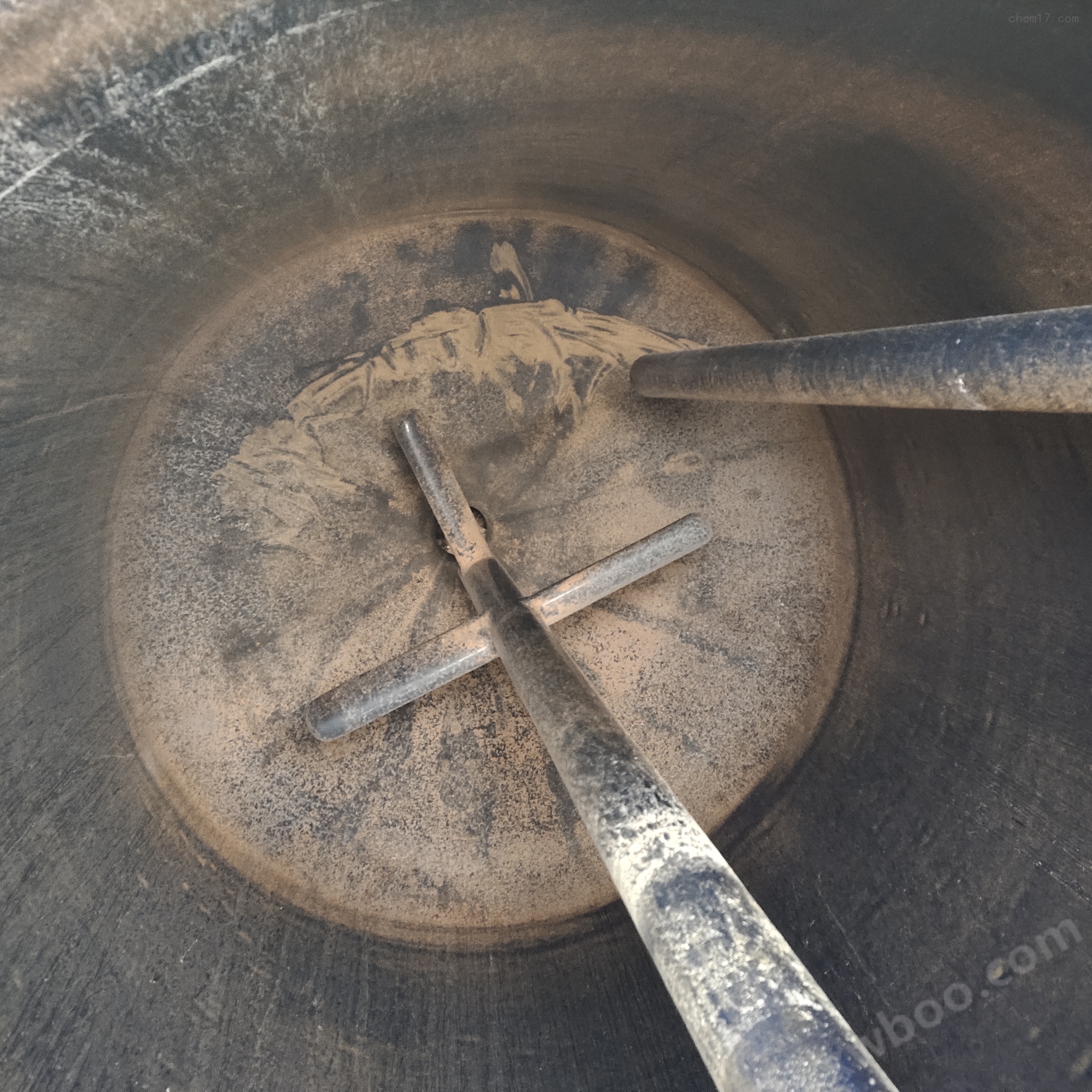
A new batch of 6-ton second-hand stainless steel reaction vessels has arrived
NegotiableUpdate on 01/21
- Model
- Nature of the Manufacturer
- Producers
- Product Category
- Place of Origin
Overview
A new batch of 6-ton second-hand stainless steel reaction kettle, second-hand enamel reaction kettle, second-hand stainless steel reaction kettle, second-hand high-pressure reaction kettle, second-hand electric heating reaction kettle, second-hand electric heating stainless steel reaction kettle, second-hand 1-ton stainless steel reaction kettle, second-hand 2-ton stainless steel reaction kettle, 3-ton stainless steel reaction kettle, 5-ton stainless steel reaction kettle, 10 ton stainless steel reaction kettle, all made of 304 material, 90% new. Second hand enamel reaction kettle volume: 100L, 200L, 500L, 1000L, 2000L, 3000L, 5000L, 6300L. The enamel inside the enamel reaction kettle is intact
Product Details
A new batch of 6-ton second-hand stainless steel reaction vessels has arrived
The broad understanding of a reactor is a container that contains physical or chemical reactions. By designing the structure and configuring the parameters of the container, the heating, evaporation, cooling, and low-speed mixing functions required by the process can be achieved.
Reactor vessels are widely used in petroleum, chemical, rubber, pesticide, dye, pharmaceutical, and food industries as pressure vessels to complete processes such as vulcanization, nitration, hydrogenation, alkylation, polymerization, and condensation. Examples include reactors, decomposition pots, polymerization pots, etc; Materials generally include carbon manganese steel, stainless steel, zirconium, nickel based (Hastelloy, Monel, Inconel) alloys, and other composite materials.
A reactor is a type of reaction equipment that must be operated carefully, otherwise it may be damaged due to various reasons, leading to production being forced to stop. There are many aspects to pay attention to when operating a reactor.
Attention to use
Firstly, it is necessary to strictly operate the reactor according to the rules and regulations.
Secondly, before operation, carefully check for any abnormalities. During normal operation, do not open the upper cover or touch the wiring terminals on the board to avoid electric shock; It is strictly prohibited to operate under pressure; During the nitrogen pressure test, carefully observe the changes in the pressure gauge. Once the test pressure is reached, immediately close the nitrogen valve switch; The heating rate should not be too fast, and the pressurization should also be carried out slowly, especially the stirring speed, which is only allowed to increase slowly.
Afterwards, when the kettle body is heated to a higher temperature, do not come into contact with the kettle body to avoid burns; After the experiment, the temperature should be lowered first. Do not cool quickly to prevent damage caused by excessive temperature and pressure differences. At the same time, it is necessary to unplug the power supply in a timely manner.
At the same time, attention should be paid to maintenance of the reaction kettle after use, so that the high-pressure kettle can have a better service life.
A reaction vessel is a comprehensive reaction vessel, and the design of the structure, function, and configuration accessories of the reaction vessel is based on the reaction conditions. From the beginning of the feeding reaction discharging process, the pre-set reaction steps can be completed with a high degree of automation, and important parameters such as temperature, pressure, mechanical control (stirring, blowing, etc.), and reactant/product concentration during the reaction process can be strictly regulated. Its structure generally consists of a kettle body, transmission device, stirring device, heating device, cooling device, and sealing device. Corresponding auxiliary equipment: fractionation column, condenser, water separator, collection tank, filter, etc.
The materials of reaction vessels generally include carbon manganese steel, stainless steel, zirconium, alloys, and other composite materials. The reaction vessel can be made of stainless steel materials such as SUS304 and SUS316L. Blenders come in anchor, frame, paddle, turbine, scraper, and combination types. The rotating mechanism can use cycloidal pinwheel reducers, continuously variable speed reducers, or variable frequency speed reducers to meet the special reaction requirements of various materials. The sealing device can adopt sealing structures such as mechanical seals and packing seals. Heating and cooling can be achieved through structures such as jackets, half tubes, coils, and Miller plates. Heating methods include steam, electric heating, and thermal oil to meet the process requirements of different working environments such as acid resistance, high temperature resistance, wear resistance, and corrosion resistance. And it can be designed and manufactured according to the user's process requirements.
The broad understanding of a reaction kettle is a stainless steel container with physical or chemical reactions. The structural design and parameter configuration of the container are carried out according to different process conditions. The design conditions, process, inspection, manufacturing, and acceptance need to be based on relevant technical standards to achieve the heating, evaporation, cooling, and low-speed mixing reaction functions required by the process. Pressure vessels must comply with the GB150 {Steel Pressure Vessels} standard, and atmospheric pressure vessels must comply with the NB/T47003.1-2009 {Steel Welded Atmospheric Pressure Vessels} standard. The pressure requirements during the reaction process also vary in terms of the design requirements for the container. Production must strictly follow the corresponding standards for processing, testing, and trial operation. Stainless steel reaction vessels vary according to different production processes, operating conditions, etc. The design structure and parameters of reaction vessels are different, that is, the structural style of reaction vessels is different, and they belong to non-standard container equipment.
Scope of application of stainless steel outer coil reaction kettle:
1、 Stainless steel reaction kettle equipment has a wide range of applications: it is suitable for high-pressure and high-temperature chemical reaction tests in metallurgy, petroleum, chemical, pharmaceutical, scientific research, universities and other departments, and can achieve high stirring effect on viscous and granular substances.
2、 Scope of application of carbon steel reaction kettle: environments without corrosive liquids, such as certain oil processing
3、 Glass lined reaction kettle is widely used in industries such as petroleum, chemical, food, medicine, pesticides, and scientific research. The corrosion resistance of enamel kettles is superior to that of stainless steel reaction kettles. When selecting, it is necessary to choose according to the properties of the materials, each with its own advantages and disadvantages.
4、 Small laboratory high-pressure vessel equipment is suitable for mixing high-speed, low-speed, and low viscosity materials. It is an ideal device for conducting various chemical reaction experiments.
5、 Magnetic stirring reactor equipment is widely used in industries such as food, medicine, and scientific research. It is a reaction equipment used to complete chemical processes such as vulcanization and hydrogenation, as well as many processes involving organic dyes and intermediates.
6、 Electric heating reaction kettle equipment is widely used in industries such as petroleum, chemical, food, medicine, pesticide, scientific research, etc. It is a reaction equipment used to complete chemical processes such as polymerization, condensation, sulfurization, alkylation, hydrogenation, and many other processes involving organic dyes and intermediates
7、 Multi functional dispersion reaction kettle equipment Multi functional dispersion reaction kettle is widely used in industries such as pharmaceuticals, pesticides, and scientific research. It is a reaction equipment used to complete chemical processes such as alkylation and hydrogenation, as well as many processes involving organic dyes and intermediates.
8、 Steam heated reaction kettle equipment is widely used in industries such as chemical, petroleum, and food. It is a reaction equipment used to complete chemical processes such as condensation, polymerization, hydrogenation, and many other processes involving organic dyes and intermediates.
9、 The complete set of unsaturated polyester resin reflecting equipment is suitable for key equipment used in the production of epoxy resin, ABS resin, unsaturated polyester resin, phenolic resin, and paint.


 The company has received a new batch of 6-ton second-hand stainless steel reaction vessels. The company's products include second-hand chemical equipment Pharmaceutical equipment Starch equipment Flour equipment Drying equipment Feed equipment Dairy equipment Beverage equipment Food equipment Oil and grease equipment Alcohol equipment Environmental protection equipment Biomass pellet equipment Plastic environmental protection equipment Biological fermentation equipment Centrifuge. reaction kettle. evaporator Extraction tank Fermentation tank. Drying machine Filter press. Laboratory equipment. Fiberglass storage tank Stainless steel storage tank Recycling Demolition and purchase and sale
Similar Product Recommend