-
E-mail
1016090194@qq.com
-
Phone
13853428248
-
Address
1186 University East Road, Dezhou Development Zone, Shandong Province
Product Categories
Dezhou Tailai HVAC Equipment Sales Co., Ltd
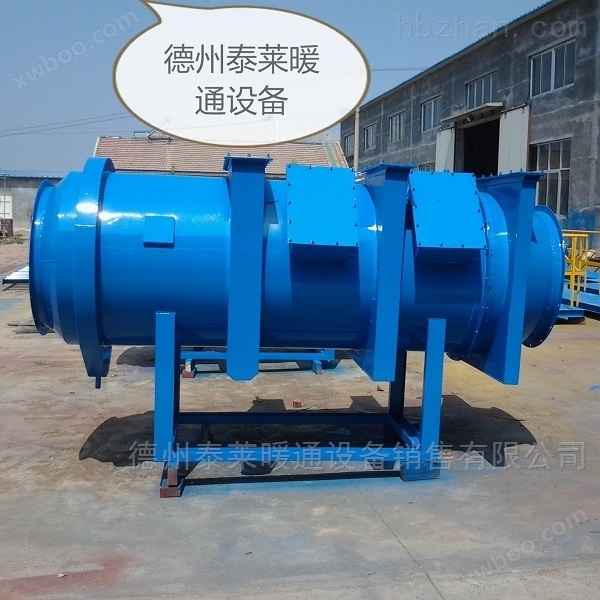


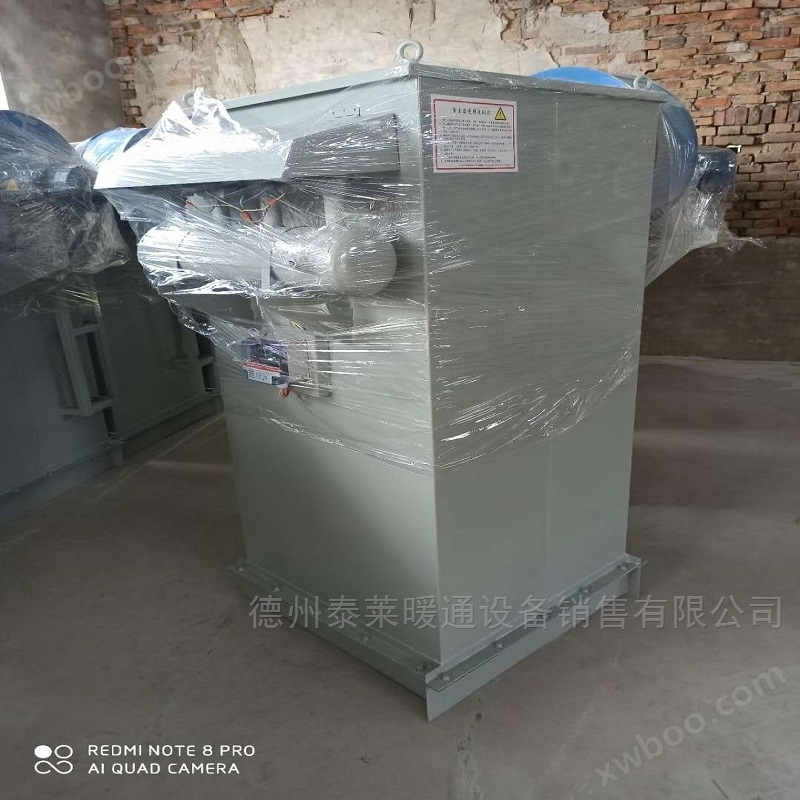
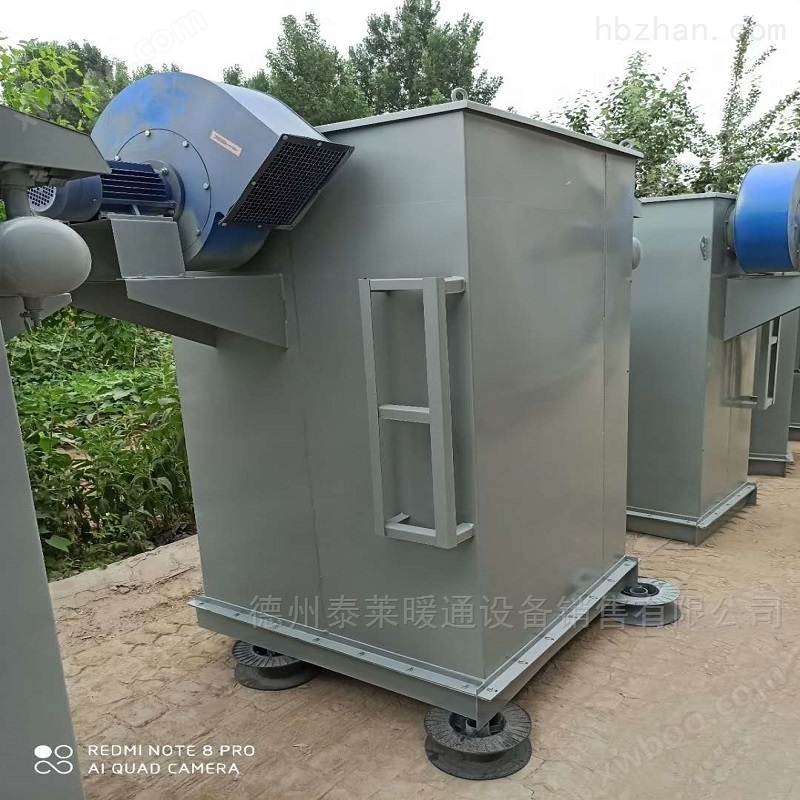
Purification dust collector JSK mining wet scrubber
NegotiableUpdate on 05/05
- Model
- Nature of the Manufacturer
- Producers
- Product Category
- Place of Origin
Overview
Purification dust collector JSK mining wet scrubber, screening: using a perforated screen surface to separate mixed materials of different particle sizes into various particle sizes for operation
Product Details
Purification dust collector JSK mining wet scrubber,
Coal receiving: Coal receiving refers to a coal bunker with a certain capacity located near the wellhead, which receives coal lifted from underground to the surface, ensuring balanced and continuous production above and below the wellhead.
Screening: The operation of dividing mixed materials of different particle sizes into various particle sizes using perforated screening surfaces. The machine used for screening is called a screening machine or sieve. In coal preparation plants, screening operations are widely used for raw coal preparation and processing. According to different screening methods, it can be divided into dry screening and wet screening.
Crushing: The process of crushing large pieces of material into small particles. The machine used for crushing is called a crusher. The main requirements for crushing operations in coal preparation plants are as follows:
Purification dust collector JSK mining wet scrubber① Adapt to the requirements of selected particles; The coal particles that can be processed by selected machinery have a certain range, and large pieces beyond this range need to be crushed before washing.
② Some coal blocks are interbedded with gangue coal, and in order to select clean coal from them, they need to be crushed into smaller particles to separate coal and gangue coal
③ To meet the particle requirements of users, the selected products or coal blocks are crushed to a certain particle size. Material crushing mainly uses mechanical methods, including crushing, splitting, breaking, crushing, and grinding.
Coal preparation: It is the use of different physical and physicochemical properties from other substances to remove impurities mixed in raw coal by mechanical methods in the coal preparation plant, dividing it into products of different qualities and specifications to meet the needs of different households.
According to the relationship between the location of coal preparation plants and coal mines, coal preparation plants can be divided into: mine coal preparation plants, group mine coal preparation plants, central coal preparation plants, and user coal preparation plants; Most of the existing coal preparation plants in our country are mine coal preparation plants. A modern coal preparation plant is a continuous mechanical processing process consisting of many operations.
Heavy medium coal preparation: In a medium with a density greater than 1g/cm, coal preparation is carried out according to the difference in particle density, which is called heavy medium coal preparation or heavy medium coal preparation. There are two types of heavy media used in coal preparation: heavy liquid and gravity separation float. The main advantage of heavy medium coal preparation is its high separation efficiency compared to other coal preparation methods; The selection range is wide, and the feeding particle size of the sorting machine is 1000-6mm, while the cyclone is 80-0.15mm. The production control is easy to automate. The disadvantages of heavy medium coal selection are complex production process, high production cost, fast equipment wear and tear, and large maintenance volume. Heavy medium coal selection is generally classified and selected. The sorting of lump coal is generally carried out using a heavy medium separator under the action of gravity; The separation of foam coal is carried out using a heavy medium cyclone under centrifugal force.
Storage: Coal storage bin: A coal bin with a certain capacity set up to regulate the imbalance between production, transportation, and sales, ensure the normal and balanced production of mines and transportation departments, accept the production of finished coal, and ensure smooth delivery and entryThe loading phase.
Loading: including loading (ship), crane, and metering.
1.1.2 The task of this design
Due to the generation of a large amount of harmful dust at the transfer point during belt transmission, it is necessary to treat it to remove the harmful dust and make the workshop environment suitable. This design is to design a dust removal system for the belt transfer point.
1.2 Dust from coal beneficiation plants and its production areas is one of the main factors affecting the efficient, safe, and clean production of beneficiation plants. It not only pollutes the environment, but also causes loss of raw materials, and is extremely harmful to the health of surrounding residents and workers. At the same time, it accelerates equipment wear and tear, and reduces product quality. When certain dust particles reach a certain concentration, it can also cause explosions.
Coal generates a large amount of coal dust at screening, crushing, and conveyor belt transfer points. Due to the inability to clean the fallen coal dust, the secondary flying of coal dust is severe. From the specific processing steps of coal preparation, dust is generated through transportation, crushing, crushing, screening, and cleaning.
The dust in the coal preparation plant is mainly composed of coal powder and other powdery substances, and the material properties belong to viscous materials. From the existence state, it can be divided into dry dust and wet dust. Once the dry dust breaks, it will cause secondary pollution.
The main hazard of dust in coal preparation plants is coal dust, with an average content of free SiO2 in coal dust of 4.9%. [1]
1.3 Causes of serious system pollution
Low moisture content of incoming coal (when the moisture content of coal is below 6%, coal dust flies severely); There is no ventilation and dust removal equipment at the dust production point, and the dust cannot be effectively controlled; Secondary dust is generated due to the accumulation of coal in reposting points, wharf floors, and some sanitary dead corners; The abnormal operation of the tape machine (deviation, poor sealing) causes serious coal falling from the tape. From the above analysis, it can be seen that the key to generating coal dust is the large amount of dust generated by the falling coal at each transfer point, followed by the overflow of dust from the sieve and crusher body, as well as the secondary dust generated by the coal at transfer points, wharf floors, and some sanitary blind spots. [2]
1.4 Hazards of Dust ① Explosion: The dust in coal preparation plants is mainly composed of coal dust, followed by particles of rocks and other substances. When the concentration of hazardous coal dust reaches a certain level, it can cause a violent explosion under the action of the ignition heat source, posing a serious threat to the safety of workers and instantly destroying the working face, production plant and equipment. Coal dust explosion is one of the main disasters in coal preparation plant production, with extremely painful consequences, serious casualties, and significant losses. ② Causing pneumoconiosis. Pneumoconiosis is caused by the inhalation of large amounts of airborne dust (mainly respiratory dust) and the deposition of dust in the lungs during work in dust polluted areas. The dust and lung tissue cells undergo a series of physiological and pathological changes, leading to gradual fibrosis of the lung tissue. When the fibrotic lesions develop to a certain extent, it can cause respiratory dysfunction in the human body.
Similar Product Recommend