-
E-mail
18317003557@163.com
-
Phone
18317003557
-
Address
Room 319, Building B, Greenland, No. 5558 Chuansha Road, Pudong New Area, Shanghai
Product Categories
Shanghai Xiangrun Industrial Co., Ltd
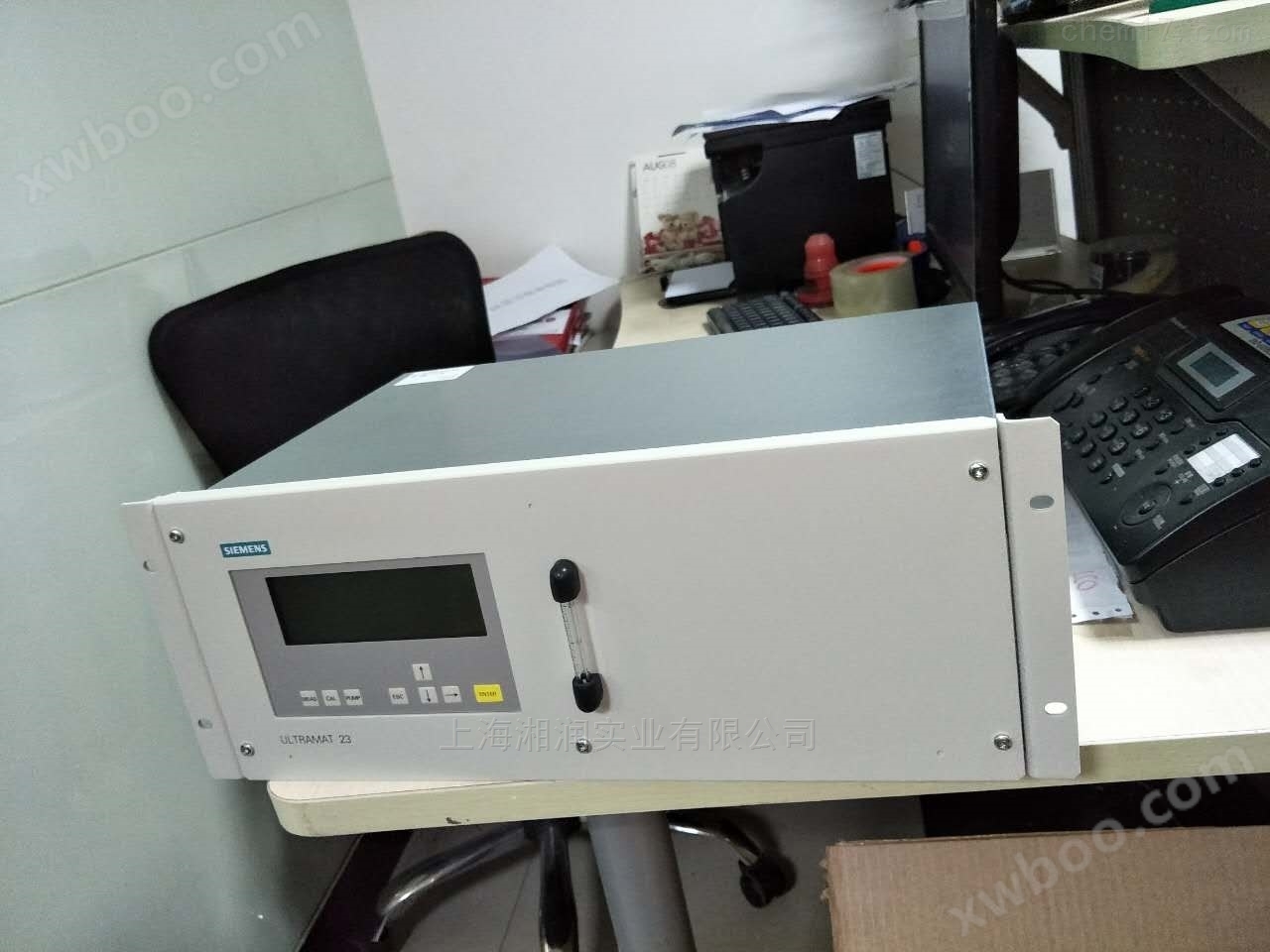

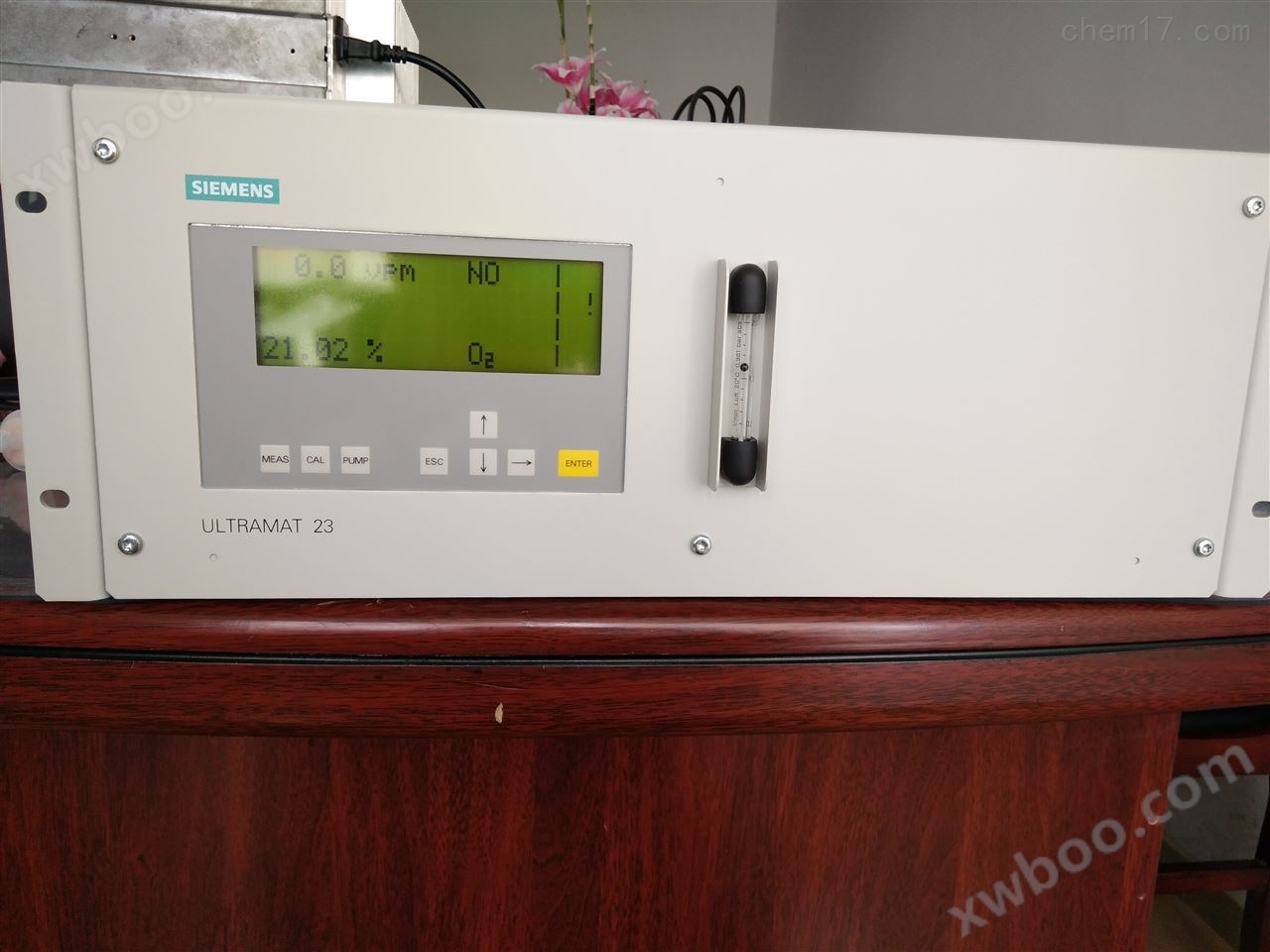
Passionate * - The use of Siemens U23 in ultra-low emissions
NegotiableUpdate on 01/21
- Model
- Nature of the Manufacturer
- Producers
- Product Category
- Place of Origin
Overview
Warm * - The use of Siemens U23 in ultra-low emissions. Regarding the reasons and solutions for negative values displayed by Siemens 6 series analyzers in normal measurement of zero or near zero, Siemens U23 analyzers, U6 air separation analyzers, O6 magnetic oxygen analyzers, C6 hydrogen analyzers, Siemens chromatography accessories, Siemens process instruments 7ME6910/7ME6920/7ME6110/7ME6140 flow meters, 7ML5221 ultrasonic level gauges, 6DR locators and other price advantages,
Product Details
Passionate * - The use of Siemens U23 in ultra-low emissions
After the ultra-low emission transformation of the thermal power plant, due to the traditional pretreatment system's inability to remove water, the Siemens U23 analyzer suffered from severe SO2 drift at the outlet caused by water and gas interference. The data frequently returned to zero or jumped, and the environmental data could not be monitored and adjusted normally, seriously affecting the safe and stable operation of the unit
Our company, Shanghai Xiangrun Instrument Co., Ltd., has accumulated a large number of Siemens U23 users and has also visited numerous CEMS sites for thermal power generation. I am very familiar with the on-site usage situation and have carefully studied and explored the problems that exist on site.
background
With the continuous improvement of environmental requirements, the importance of CEMS analyzers has become increasingly important. After the ultra-low emission transformation of thermal power plants, most of the power plant desulfurization equipment has been upgraded. By increasing the height of the absorption tower, adding the spray layer, and improving the SCR efficiency, the desulfurization efficiency basically meets the ultra-low emission standards. However, for small-scale sulfur dioxide measurement, due to insufficient attention before the transformation, the CEMS pretreatment system was not synchronously transformed, resulting in frequent data drift and sudden return to zero phenomenon in the pretreatment system, which brings great difficulties to the safe and economic operation of the power plant. It can be said that the reliability of the pretreatment system directly affects the stability of the desulfurization system equipment operation and the monitoring and transmission of environmental data, directly affecting the assessment of the environmental and economic indicators of the power plant.
Equipment status
The Siemens U23 analyzer uses a direct extraction method, with non dispersive infrared spectroscopy principle for sulfur dioxide and nitrogen oxides, and electrochemical measurement principle for oxygen. The range of the desulfurization outlet analyzer for sulfur dioxide, nitrogen oxides, and oxygen is 100mg/m3, 3100mg/m3, and 0-25%, respectively.
The ultra-low emission standard: Under the condition of a benchmark oxygen content of 6%, the emission concentrations of smoke, sulfur dioxide, and nitrogen oxides are not higher than 10, 35, and 50mg/m3, respectively. After the ultra-low emission transformation, in order to meet the measurement of smoke data, we replaced the small range analyzer and changed the sulfur dioxide and nitrogen oxide from 0-500mg/m3 to 100mg/m3.
Due to the unmodified pre-treatment of desulfurization CEMS, small range analyzers often experience range drift and zero drift during use (many standard zero gases are directly extracted from untreated air on site, resulting in incorrect zero points). According to on-site observations, the solubility of SO2 is very high at a condenser temperature of 3-5 ℃, which often leads to inability to measure and frequent data return to zero. To ensure the accuracy of the analyzer, the zero self calibration time of the analyzer must be set to 1 hour, which can cause data jumps before and after calibration, up to 20-30mg/m3, as shown in the following figure
Due to frequent sudden changes or zero returns in SO2 data, it poses great difficulties for operators to adjust their operations, often resulting in abnormal or excessive SO2 data at the desulfurization outlet. With increasingly strict environmental requirements, thermal power plants are required to ensure normal environmental data and not exceed the environmental red line due to desulfurization equipment failures or excessive emissions. However, the current situation is often caused by CEMS analyzer problems, resulting in data exceeding the standard, which has a significant negative impact on the company's external image and also faces expensive environmental electricity price assessments. How to ensure accurate and reliable measurement of environmental meters after ultra-low emission transformation has become a major challenge for thermal power plants to increase electricity generation and ensure environmentally friendly electricity prices. The transformation is urgent.
Root cause analysis
For CEMS analyzer data drift and data fluctuation returning to zero, the main reason for data fluctuation after analysis is the presence of water in the sample gas and the standard zero gas, with unremoved water vapor entering the analyzer. As the measurement principle of Siemens U23 analyzer SO2 is infrared spectroscopy measurement, the concentration of the corresponding gas is mainly measured by measuring the attenuation amplitude of the infrared radiation in the relevant band. This measurement principle has a significant impact on the data due to water vapor interference.
The traditional cold dry direct extraction method sets the water removal temperature of the condenser at 3-4 ℃. In fact, the temperature display instrument displays the temperature at the monitoring point of the heat exchanger, which is different from the outlet sample gas temperature. For example, if the condenser works under positive or negative pressure, there will be a significant difference in the dew point of the sample gas. It is a technical misunderstanding to use the displayed temperature of the export sample gas as the dew point of the export sample gas. The actual dew point is about 6-10 ℃ (monitored by a handheld dew point meter). Due to the high actual dew point, it is easy to cause condensation water to precipitate. The soluble gas SO2 in flue gas will dissolve in condensed water and generate corresponding acids, resulting in the measured concentration of the target acidic gas being lower than the actual value. In severe cases, due to severe absorption, SO2 * cannot be measured. According to relevant research, it is known that after the quantitative condensation of SO2 containing flue gas, a portion of SO2 in the flue gas is always dissolved and absorbed, which is manifested in the extension of the equivalent response time of the measurement system from a few minutes to tens of minutes, and the measurement error is very serious; Especially when measuring flue gas with low SO2 concentration and high moisture content, the measurement error problem is particularly serious. For example, in a simulated flue gas composed of 170ppm SO2 and 34.52% water vapor, the loss of SO2 can reach up to 60%.
Solubility curves of SO2 in water at different temperatures
The above figure shows the solubility curves of SO2 in water at different temperatures. It can be seen from this curve that as the temperature decreases, the solubility of SO2 in water gradually increases. When the operating temperature of the condenser is in the range of 3-5 ℃, the solubility of SO2 is very high. In addition, the presence of a condenser will inevitably precipitate condensed water. Therefore, the loss of SO2 in the condenser is relatively high. Meanwhile, due to the strong corrosiveness of the corresponding acid, it can severely corrode the gas chamber of the analyzer, causing damage to the analyzer and increasing the maintenance and equipment replacement costs of the CEMS system.
After detailed analysis, it was found that there are still the following issues with the existing preprocessing:
1. The probe does not use a heated probe rod, which can cause condensation of the sampled flue gas at the sampling point of the probe, resulting in the absorption of SO2.
2. The temperature of the heat tracing pipeline is insufficient (there are still many uses on site that can only be heated to around 120 degrees, so it is recommended to replace them with 180 degrees or above), the sampling pipeline is too long, and there may be water accumulation at U-shaped turns (regular flushing is recommended). During the sampling process of CEMS, when the flue gas temperature drops to a constant value, the steam in it will condense into water, and SO2 can react with water to generate sulfurous acid. If there is water in the sampling pipeline, it will not only affect the measurement accuracy, but also seriously affect the service life of the instrument. To ensure that the steam in the flue gas does not condense, the temperature must be above the condensation point. In order to avoid the steam in the sampling pipeline from condensing into water, the sampling pipeline has a heat tracing device. Due to the long distance of the heat tracing pipeline, the heat tracing temperature is high. Setting it to the previous 120 ℃ can no longer meet the requirements of ultra-low emission transformation
3. The heat tracing inside the cabinet is incomplete. Usually, the heat tracing pipeline is only connected to the control cabinet inside the CEMS cabin. However, there are some sample gas pipelines inside the cabinet that do not have heat tracing, which makes condensation very easy to occur.
4. The condenser has poor condensation effect (it is recommended to set the temperature to around 2 degrees).
The current pre-treatment only involves filtration and a peristaltic pump. During the cooling process of the flue gas through the condenser, the condensed water vapor cannot be discharged in a timely manner, resulting in water hanging at the inlet of the protective filter instrument for pre-treatment.
5. The standard zero gas is extracted indoors or outdoors without treatment, resulting in incorrect SO2 zero point and inaccurate measurement (it is recommended to preprocess. If the measured SO2 * is 10MG/M3, it is recommended to use high-purity air or zero gas generation gas)
6. The zeroing cycle is too long or there is no automatic zeroing function. (Recommended zeroing cycle is 2-4 hours)
Suggested renovation plan
The CEMS analyzer data fluctuates and frequently returns to zero, mainly due to the significant interference of water and gas on SO2. The purpose of the modification is to ensure pre-treatment and water removal * to avoid SO2 dissolution in water.
Based on the current situation of on-site pre-processing, we have conducted a detailed analysis and made the following improvement suggestions:
1. Replace the heat tracing pipeline with good quality and high temperature resistance, raise the heat tracing temperature to 180 ℃ or above, and use full heating for the sampling probe to ensure that there is no water accumulation in the pipeline from the sampling point to the CEMS chamber.
2. Improve the heat tracing and insulation inside the cabinet, lay all exposed sample air pipes for heat tracing and wrap them with insulation tape to prevent smoke condensation inside the cabinet.
3. Replace the high-quality condenser (such as adding acid), replace the previous refrigeration with two, and add a peristaltic pump to ensure smooth water discharge from the condenser.
4. Strictly ensure that the temperature inside the CEMS chamber is maintained at around 20 ℃, especially in summer to ensure the normal operation of the air conditioning. There have been incidents on site where the condenser's cooling effect was poor and the SO2 data at the desulfurization outlet suddenly returned to zero due to air conditioning failure. After handling the air conditioning, the fault disappeared. Moreover, if the temperature of the analyzer is too high, it can easily cause temperature drift (refer to the analyzer selection manual).
5. Add Nafion permeation dryer
The migration of gas in a Nafion tube is based on its chemical affinity for sulfonic acid groups. Due to the high hydrophilicity of sulfonic acid groups, the water absorbed by the Nafion tube wall will be transferred from one sulfonic acid group to another and eventually reach the outer tube wall. In the continuous dehumidification process, the Nafion tube selectively removes water from the flue gas. The water and gas are separated by a sodium tube, and the separated water and gas are blown away by connecting filtered, dried, and oil-free instrument gas to ensure stable and reliable data entering the analyzer. It can be discharged in a timely manner, forming a protective filter for pre-treatment. There is a phenomenon of water hanging at the inlet of the instrument.
6. Ensure the accuracy of zero gas calibration
When automatic zeroing, the air used for automatic zeroing is also important. It is recommended to preprocess it, as the presence of water vapor in the zeroing gas can also affect the deviation of SO2 zero point (depending on the weather, the difference may vary from three to five, and from many to dozens). If the actual measurement is small, a zero gas generator can be used, and high-purity air can be used for particularly small ones
Conclusion:
It has been proven that the modified desulfurization outlet CEMS analyzer has stable and accurate measurement of SO2 and NOX data, meeting environmental protection requirements.
Passionate * - The use of Siemens U23 in ultra-low emissions
Similar Product Recommend