-
E-mail
admin@leshi-tech.com
-
Phone
13261220577
-
Address
13th Floor, Building E, Chang'an Center, Financial Street, Shijingshan District, Beijing
Product Categories
Beijing Leshi Lianchuang Technology Co., Ltd
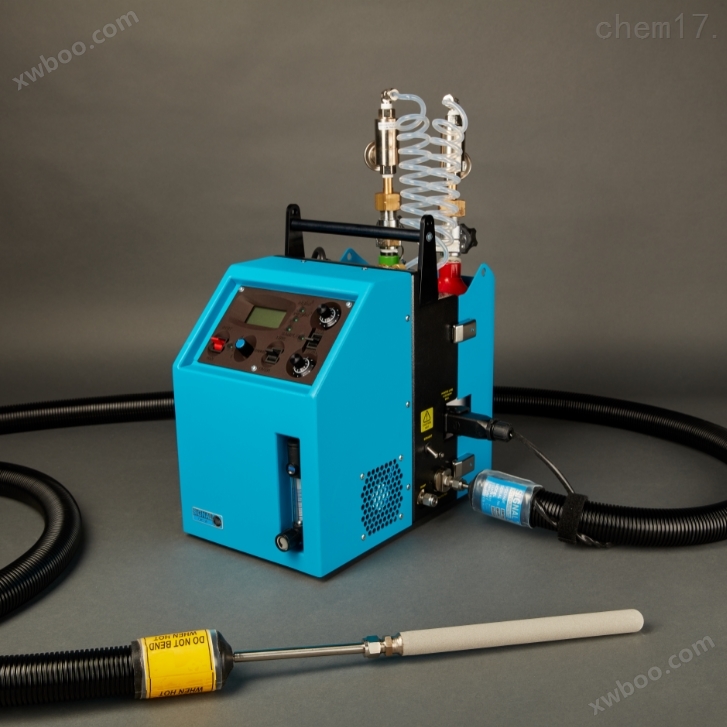
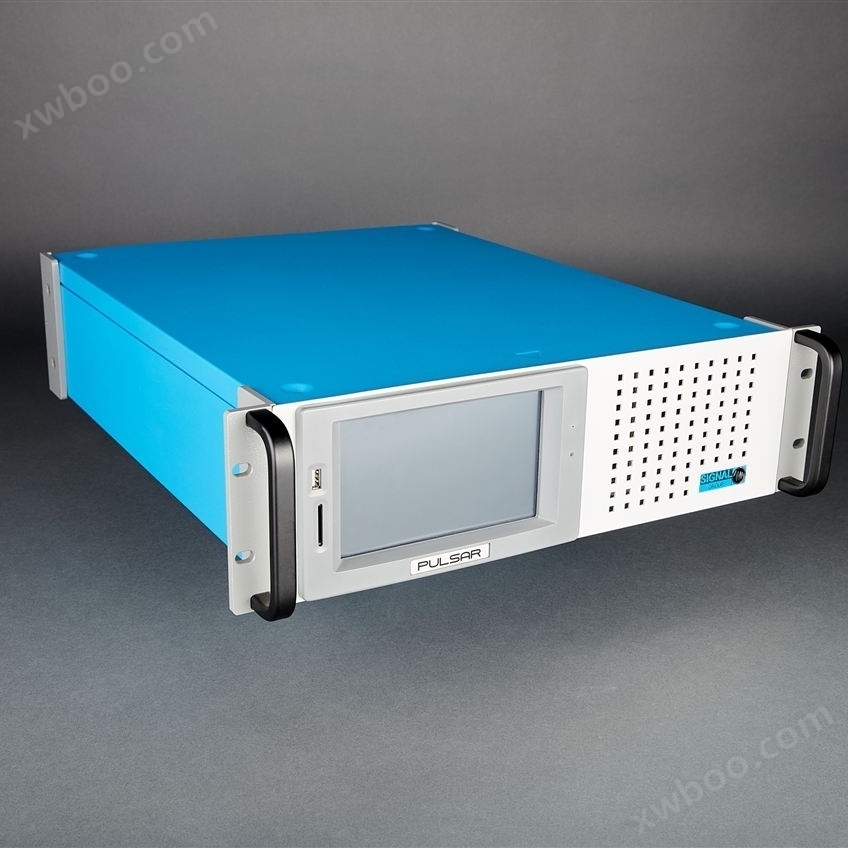
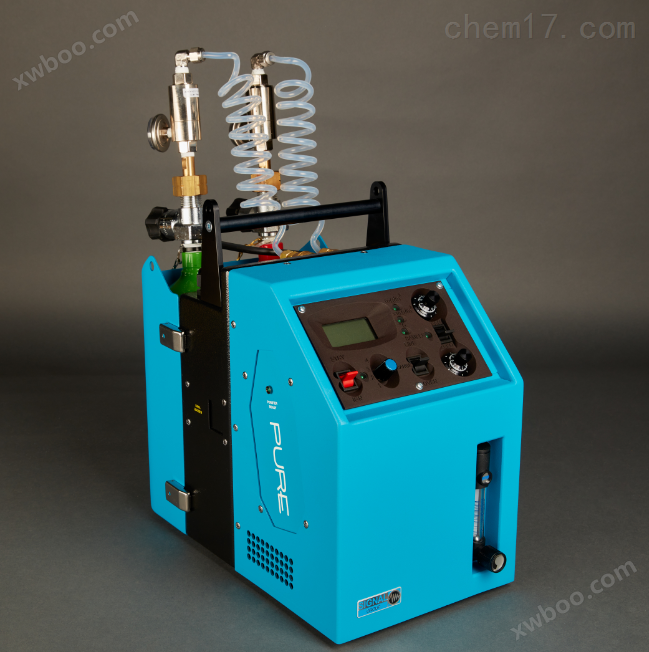
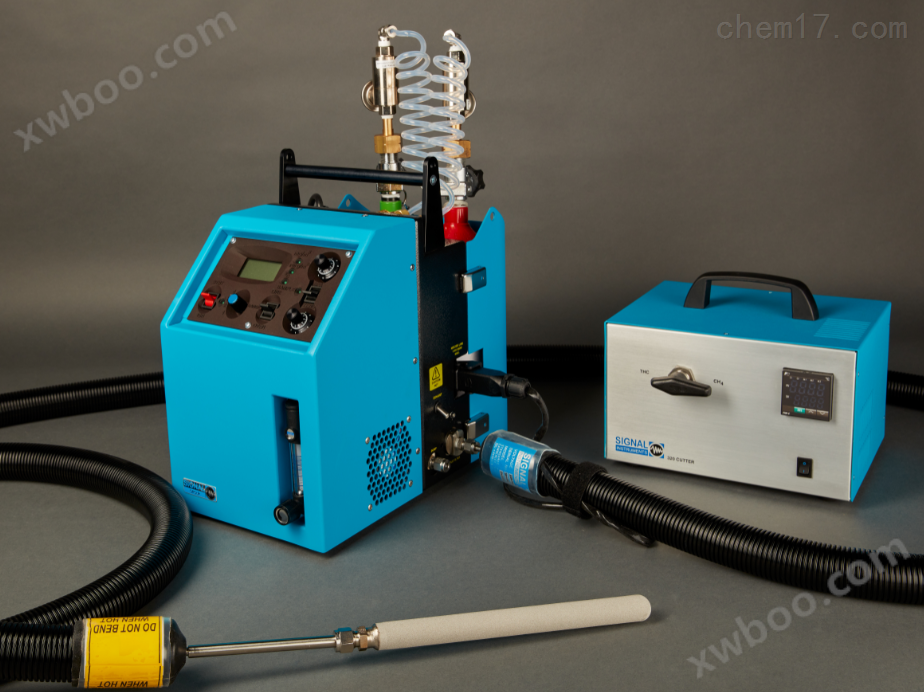
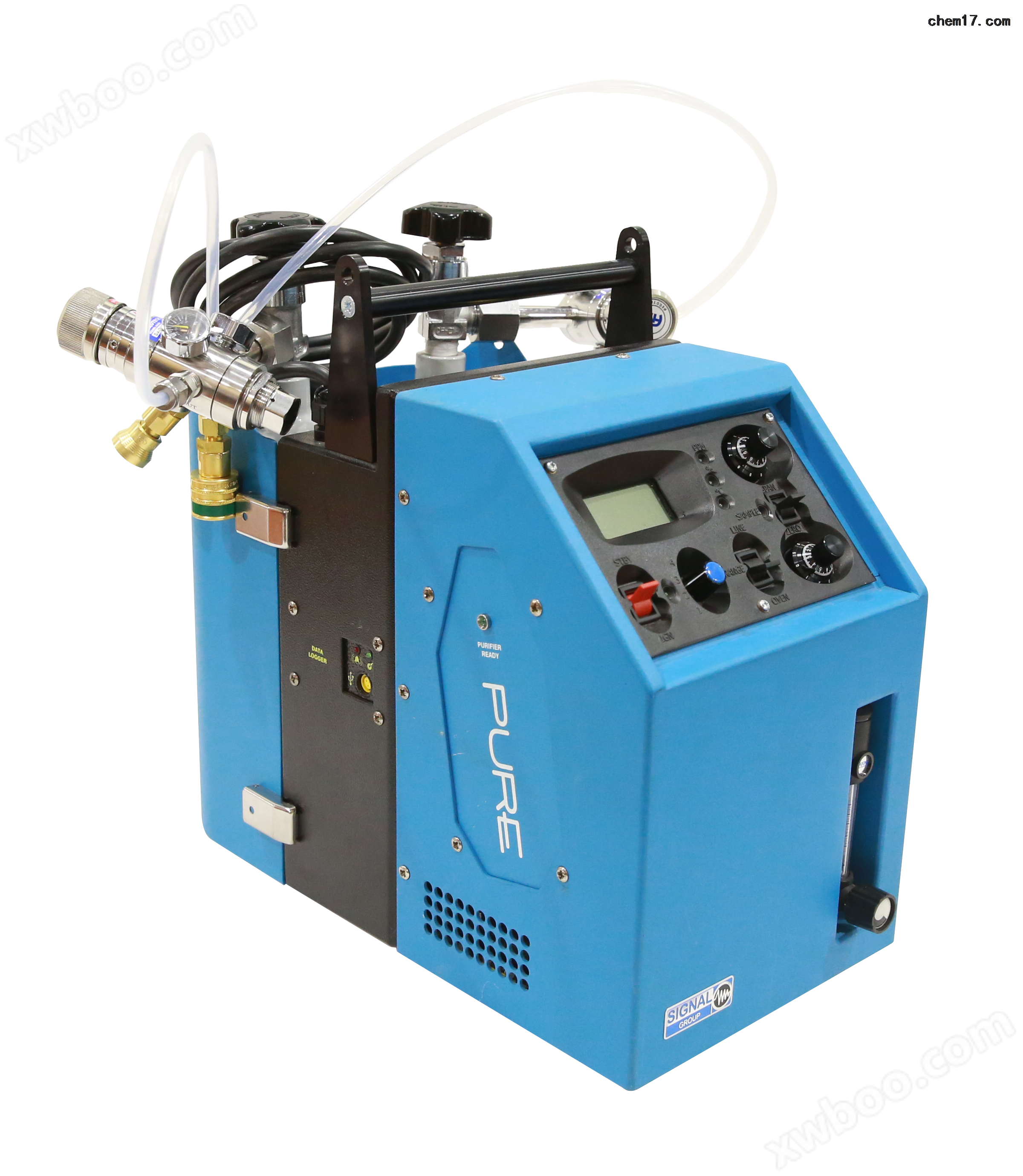
Non methane total hydrocarbon analyzer
NegotiableUpdate on 04/03
- Model
- Nature of the Manufacturer
- Producers
- Product Category
- Place of Origin
Overview
The Model 3010HFID non methane total hydrocarbon analyzer and the heated flame ion detector use correlation technology to measure total hydrocarbons (THC, VOC, TOC). The advantage of this method is that both wet and hot sample gases can be measured. Moreover, maintaining high temperatures continuously can effectively prevent the leakage of total hydrocarbons in the sampling pipeline. 3010 is widely used, from incinerators to high concentration solvent users. Because it has a good carbon correlation with fats, alcohols, esters, ketones, and aromatic agents, the instrument can accurately measure the total carbon and hydrogen content.
Product Details
Model 3010Non methane total hydrocarbon analyzerThe use of a heated hydrogen flame ionization detector is a classic method for measuring volatile organic compounds (THC, VOC, TOC, NMHC). The advantage of this method is that it can accurately measure hot/wet gas samples, and the entire sampling and analysis process is maintained at a high temperature (191 ℃), which can effectively prevent the loss of hydrocarbons caused by the condensation of high molecular weight hydrocarbons in the injection pipeline.

Model 3010Non methane total hydrocarbon analyzerIt is an instrument for measuring the total concentration of volatile organic compounds, with a wide range of applications, such as boiler flue gas detection, incinerator flue gas detection, and volatile organic solvent leakage detection. 3010 HFID has a good correlation with lipids, alcohols, esters, ketones, and aromatic compounds, and is a reliable classic method for detecting total carbon and hydrogen concentrations.
Application scenarios
Universities, research institutions, laboratories, etc
Environmental monitoring station
Automobile exhaust emissions
Catalytic conversion and thermal combustion testing
Engine combustion efficiency testing and emission monitoring process monitoring
Industrial boiler renovation optimization and emission detection Natural gas leakage detection
Semiconductor Electronic Device Products Factory
tobacco industry
Plating and paint spraying workshop
Solvent incineration and absorption
System Characteristics
The instrument uses the High Temperature Hydrogen Flame Ionization (HFID) method to detect the sample gas. To minimize the impact of sample gas condensation on measurement accuracy, the instrument samples at a high temperature of 191 ℃ throughout the entire process. At the same time, a compensating air bypass system is used to prevent sample gas condensation at the back pressure regulator.
Model 3010 features an ignition/shutdown optimization scheme design, where the flame ignites and the sample gas is introduced when the combustion measurement chamber and heating pipeline reach temperatures above 130 ℃. Shutdown: As soon as the FID flame is extinguished or the fuel source is turned off, the built-in sensor will immediately shut off the corresponding electromagnetic control valve.
Built in heated catalytic air purifier and zero point gas automatic generator can provide zero point gas and organic free combustion air for the instrument, avoiding the problems of cumbersome operation and high subsequent use costs caused by wearing an additional bottle of zero point gas or auxiliary gas for the instrument.
Fuel gas and standard gas are consumables. To ensure convenient use of the instrument in the later stage, the gas cylinder used is a domestically standardized gas cylinder that can be filled and flushed by any gas distribution company in China
advantage
◆ Easy to operate
◆ Equipped with carbon washing
◆ MCERTS certification
◆ Certified by CPA
◆ Small size, sturdy and durable
Integrated heating sampling pipeline
◆ Compliant with EU and US EPA regulations
◆ Removable PTFE sample gas filter
◆ Built in air catalytic converter
◆ Built in data logger
The sample gas pressure regulator provides high stability sample gas flow rate
◆ Oxygen synergy function avoids the influence of flame temperature changes on measurement
Operation
In practical applications where oxygen content is unpredictable, we recommend using a hydrogen/helium mixture as fuel to reduce the impact of oxygen synergy. In environments with stable oxygen content, Model 3010 can also choose hydrogen as fuel.
The instrument operation mode is simple, and people who have not been exposed to the instrument can operate it after simple training.
option
Signal computer version/mobile APP software/printer, etc. can be used for data collection, data monitoring, historical data verification, and providing detection reports.
The host, in conjunction with a methane cutter, can measure NMHC and perform conversion measurements of total hydrocarbons/CH4/non methane total hydrocarbons
Measuring principle
It is a flame generated by the combustion of hydrogen and air as energy source. When organic compounds enter the flame generated by the combustion of hydrogen and oxygen, chemical ionization occurs at high temperatures, producing ions several orders of magnitude higher than the base flow. Under the directional action of a high-voltage electric field, an ion flow is formed. The weak ion flow is amplified by high resistance to obtain an electrical signal proportional to the amount of organic compounds entering the flame, and the organic matter is quantitatively analyzed based on the size of the signal.
Applicable standards:
HJ/T38 1999 Determination of Non Methane Total Hydrocarbons in Fixed Source Exhaust Gas by Gas Chromatography
QSH0546-2012 Specification for Leakage Detection of Volatile Organic Compounds in Petrochemical Plants
DB 11/T 1367-2016 Determination of methane/total hydrocarbons/non methane total hydrocarbons in fixed pollution source exhaust gas in Beijing
DB 37 2017 Determination of Methane/Total Hydrocarbons/Non Methane Total Hydrocarbons in Fixed Pollution Source Waste Gas in Shandong Province
DB51/2377-2017 Emission Standards for Volatile Organic Compounds from Fixed Pollution Sources in Sichuan Province