-
E-mail
329491655@qq.com
-
Phone
13311404717
-
Address
Room 5B # 205, Boji Smart Park, No. 11, Lane 911, Hulan Road, Baoshan District
Product Categories
Beijing Zhongke Huiren Technology Co., Ltd
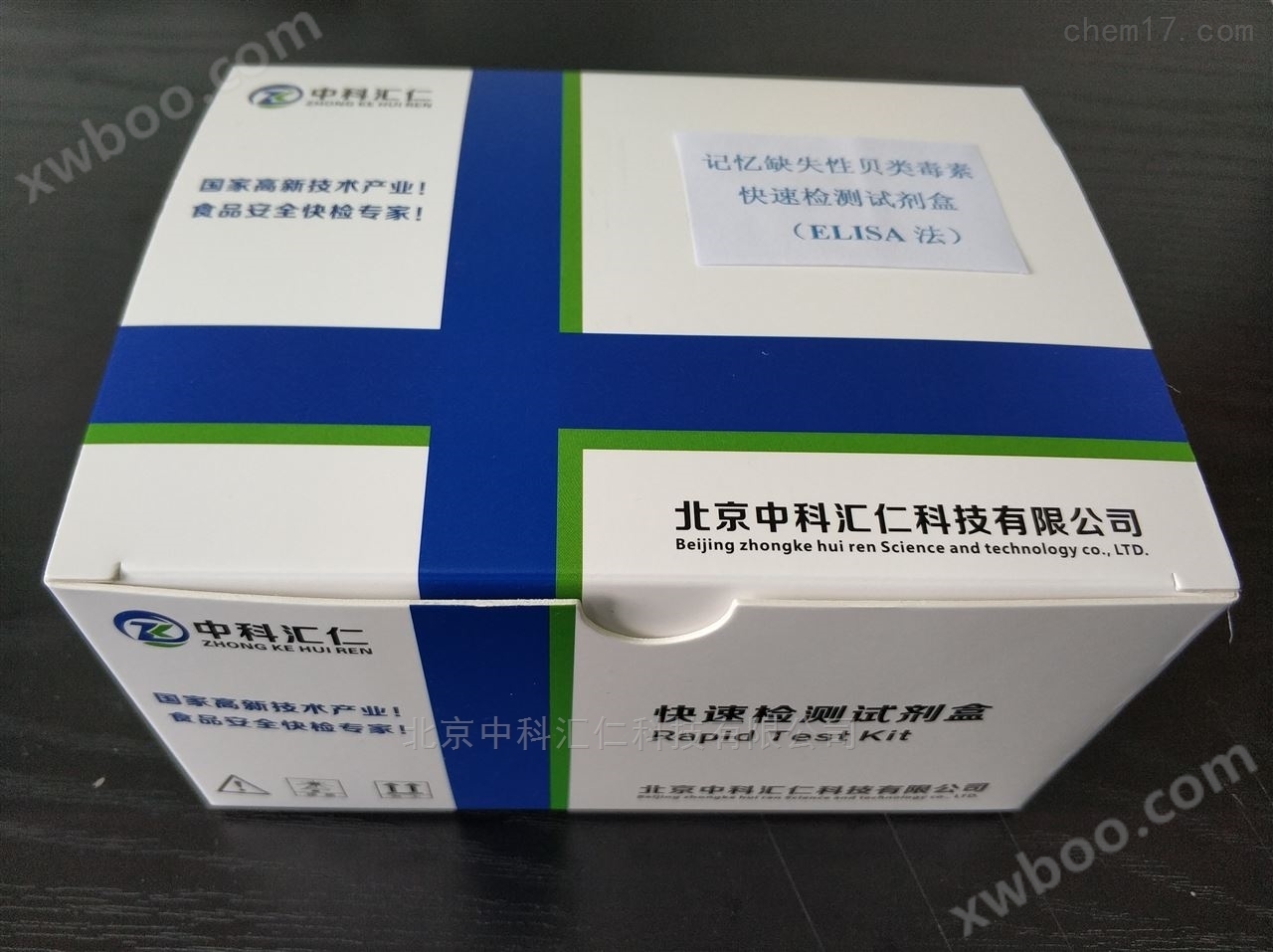
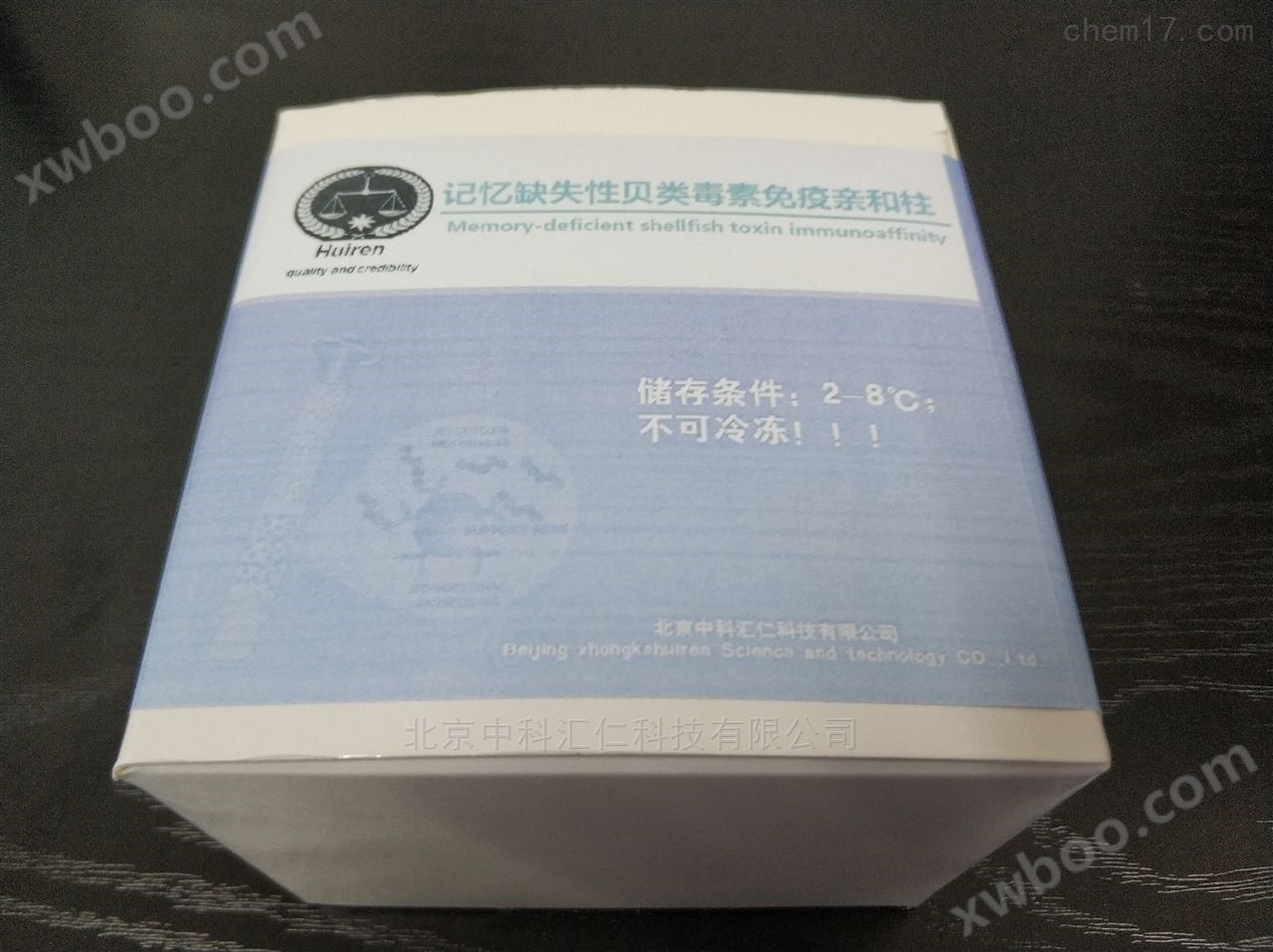
Memory loss shellfish protein ELISA detection kit
NegotiableUpdate on 01/21
- Model
- Nature of the Manufacturer
- Producers
- Product Category
- Place of Origin
Overview
The amnesic shellfish extract ELISA detection kit is used for quantitative detection of chondroitin sulfate in shellfish meat, shellfish digestive glands, and algae. Sensitivity: 20ppb Quantitative range: 200-5000ppb
Product Details
Amnesia shell (ASP) is a highly neurogenic diatom produced by a marine diatom called diatom, Rhodontoidea, and is chemically known as domoic acid (DA). When diatoms multiply in large numbers, lower marine animals such as bivalves can accumulate a large amount of DA in their bodies by feeding on algae feed; once ingested by other animals, it may cause death in these animals. Through pathological research on this substance, it has been found that DA can bind to receptors in the human central nervous system (hippocampus), causing nervous system paralysis and leading to brain damage; Mild cases can cause confusion and memory loss, while severe cases can lead to death.
Memory Loss Shellfish ELISA KitBased on the competitive ELISA enzyme-linked immunosorbent assay method, antibodies against memory loss shellfish protein are encapsulated in enzyme labeled wells. The sample and memory loss shellfish protein enzyme label are added to the micropores. If there is residual memory loss shellfish protein in the sample, it will compete with the shellfish protein enzyme label for the antibody coated on the enzyme-linked immunosorbent assay plate. After adding TMB substrate, the color changes, and the content of memory loss shellfish protein in the sample is determined by measuring the reading with an enzyme-linked immunosorbent assay (ELISA) reader. The depth of color is inversely proportional to the residual amount of pigment.
Precautions
1. The standard contains amnesic shellfish extract, please use with caution.
2. Do not use expired reagent kits.
3. Do not mix different batches of reagent kits, as antibodies and microplates have box to batch specificity.
4. Try to maintain a room temperature of (25 ± 2.5) ° C and avoid operating at ventilation openings to prevent low temperatures, overheating, and/or evaporation. Similarly, do not conduct experiments under direct sunlight to prevent overheating and evaporation. During the incubation period, if the temperature of the workbench is too low, several tissues or other materials should be laid on top.
5. Water quality is important, ensure the use of distilled or deionized water.
6. When adding samples or reagents to an empty microplate, place the suction nozzle close to the bottom of the microplate and maintain contact.
7. The more standardized the calculation of incubation time, the better. To maintain the consistency of adding standards, add standards first and then samples.
8. Add standard samples from low to high concentrations to reduce the risk of affecting the quality of the standard curve.
9. Place the microplate in a sealed bag with desiccant and store it in the refrigerator.