-
E-mail
3062169055@qq.com
-
Phone
13335254075
-
Address
Weifang Zhongqiao Environmental Engineering Co., Ltd
Product Categories
Shandong Zhongqiao Qidi Environmental Protection Equipment Co., Ltd
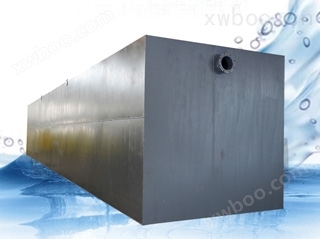
MBR membrane integrated sewage treatment equipment
NegotiableUpdate on 01/21
- Model
- Nature of the Manufacturer
- Producers
- Product Category
- Place of Origin
Overview
Overview: The MBR membrane integrated sewage treatment equipment adopts a biological treatment process that combines the removal of BOD5, COD, and NH3-N. It has the advantages of stable and reliable technical performance, good treatment effect, low investment, small land occupation, and easy maintenance
Product Details
summary:
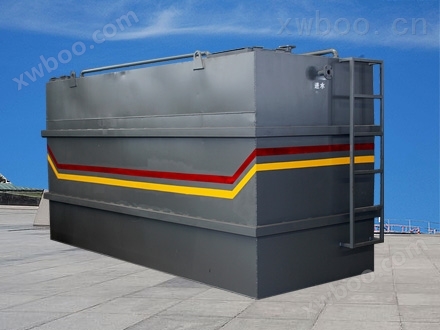
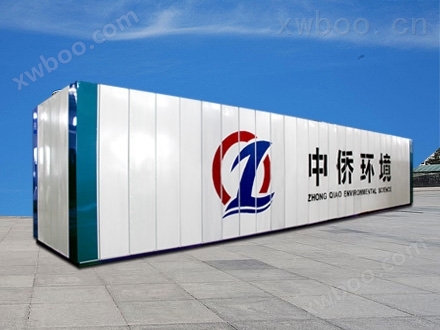
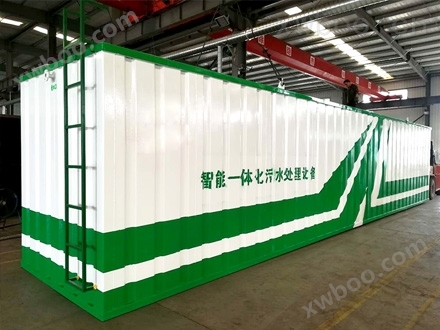
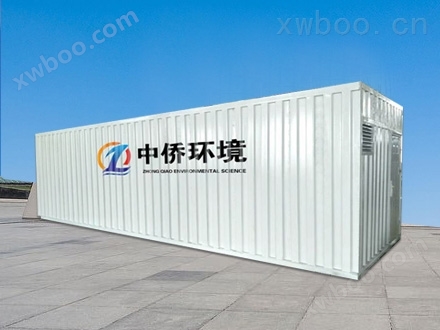
The MBR membrane integrated sewage treatment equipment adopts a biological treatment process to collect and remove BOD5、COD、NH3-All in one, it has the advantages of stable and reliable technical performance, good processing effect, low investment, small land occupation, and easy maintenance. Our company can also provide supporting reclaimed water reuse equipment according to customer requirements.
Name: MBR membrane integrated sewage treatment equipment
Main body: Carbon steel main body production
Process: AO/A2O/MBR film
Scope of use: domestic sewage, livestock and slaughter wastewater

Product Features
1. This equipment is buried underground, and the surface above the equipment can be used for greening or other purposes without the need for building houses, heating, or insulation.
2. The secondary biological contact oxidation treatment process adopts push flow biological contact oxidation, which has a better treatment effect than mixed or two-stage series mixed biological contact oxidation tanks. And it has a smaller volume than activated sludge tanks, strong adaptability to water quality, good shock load resistance, stable effluent quality, and will not cause sludge expansion. A new type of elastic three-dimensional packing material is used in the pool, with a large specific surface area and easy biofilm formation and detachment by microorganisms. Under the same organic load conditions, it has a high removal rate of organic matter and can improve the solubility of oxygen in the air in water.
3. The biochemical tank adopts the biological contact oxidation method, which has a relatively low volume load of the filling material, and the microorganisms are in their own oxidation stage, resulting in low sludge production. It only takes more than three months (90 days) to discharge the sludge (using fecal trucks to suction or dehydrate into sludge cakes for external transportation).
4. The deodorization method of this buried domestic sewage treatment equipment not only uses conventional high-altitude exhaust, but also includes soil deodorization measures.
5. The entire equipment processing system is equipped with a fully automatic electrical control system and equipment fault alarm system, which operates safely and reliably. Generally, there is no need for dedicated personnel to manage it, and only timely maintenance and upkeep of the equipment is required.
equipmentInstructions for use
1. Capable of treating comprehensive wastewater from living systems and similar organic wastewater;
2. The complete set of equipment is simple to construct and easy to operate. All mechanical equipment is automatically controlled, and all devices can be installed underground;
3. Easy to manage and maintain, the equipment is equipped with a fully automatic control system. The service life is over 30 years.
Equipment Process
According to the current water quality and quantity, there are generally the following types of sewage treatment processes:
1 Physical and chemical processing
Physical and chemical methods are often used as a pretreatment method in wastewater treatment. The purpose of pretreatment is to recover useful components from wastewater or treat some difficult to biodegrade substances, thereby removing organic matter, improving biodegradability, reducing biochemical treatment load, and improving treatment efficiency. The commonly used physical and chemical methods include flocculation precipitation (air flotation), adsorption, etc.
1) flocculation sedimentation
Wastewater contains colloids, esters, and suspended solids, making it a highly dispersed colloidal solution. These colloids are generally stable, and the first step in treating such wastewater is to destroy their colloidal state. The chemical flocculation method uses the physical and chemical action of chemicals to destroy the colloids in wastewater, causing the dispersed organic matter to become unstable and coagulated, forming aggregated coarse particles that are separated from water.
In wastewater treatment research, flocculation sedimentation method is widely used because it can effectively reduce the turbidity and chromaticity of wastewater, and remove various high molecular weight organic compounds. In recent years, the development of coagulants has evolved from traditional inorganic coagulants to inorganic and organic polymer coagulants, and is currently further exploring microbial coagulants.
2) adsorption method
There are many types of adsorbents, including activated carbon, macroporous resin, activated clay, diatomaceous earth, etc. The commonly used adsorbents in organic wastewater include activated carbon and macroporous resin. Although activated carbon has high adsorption capacity, it is rarely used in China due to the difficulty of regeneration and high cost.
2 chemical treatment
Chemical oxidation methods can be divided into two categories. One is to use strong oxidants (such as hydrogen peroxide, *, hypochlorite, ozone, etc.) at room temperature and pressure to oxidize organic matter in wastewater into carbon dioxide and water; Another type is the decomposition of organic matter in wastewater under high temperature and pressure, including supercritical water oxidation and humid air oxidation processes. The oxidants used are usually oxygen or hydrogen peroxide, and catalysts are generally used to reduce reaction conditions and accelerate reaction rates.
Chemical oxidation method has fast reaction speed and simple control, but it is costly and usually difficult to oxidize difficult to degrade organic matter into inorganic substances in one step. Moreover, there is currently limited research on the control of intermediate products. This technology is also often used as a pretreatment method for biochemical treatment. The main methods are:
Chemical oxidation method has fast reaction speed and simple control, but it is costly and usually difficult to oxidize difficult to degrade organic matter into inorganic substances in one step. Moreover, there is currently limited research on the control of intermediate products. This technology is also often used as a pretreatment method for biochemical treatment. The main methods are:
1) Fenton oxidation method
Fenton reagent has strong oxidation ability, therefore the Fenton oxidation method plays a huge role in the treatment of organic matter in wastewater. However, due to the presence of a large amount of Fe2+ions in the system, the utilization rate of H2O2 is not high, which hinders the degradation of organic matter.
2) Ozone oxidation method
Ozone has strong oxidation ability, fast reaction speed, no sludge production, and no secondary pollution in water treatment. It has special effects in removing synthetic detergents and reducing BOD, COD, and other pollutants in water. The oxidation of recalcitrant organic compounds by ozone usually causes partial breakage of the cyclic or long-chain molecules, thereby transforming large molecules into small molecules and generating easily biodegradable substances, thereby improving the biodegradability of wastewater.
3) Electrochemical oxidation method
Electrochemical oxidation, also known as electrochemical combustion, is the oxidation of organic compounds under the action of electric oxidation on the electrode surface or free radicals generated by an electric field. Electrochemical oxidation is divided into direct electrochemical oxidation and indirect electrochemical oxidation. Direct electrochemical oxidation is the process of causing oxidation-reduction reactions of recalcitrant organic compounds on the electrode surface.
3 Biological processing technology
Biological treatment technology is one of the most important processes in general organic wastewater treatment systems. It utilizes microorganisms, mainly bacteria, to oxidize, decompose, adsorb soluble organic matter and some insoluble organic matter in wastewater, and convert them into harmless stable substances to purify water. In modern biotechnology treatment processes, there are mainly three types: aerobic biological oxidation, facultative biological degradation, and anaerobic digestion degradation. Biological treatment technology has attracted increasing attention due to its economic feasibility and lack of secondary pollution.
For a long time, aerobic biological treatment technology, especially activated sludge process, has been the main process of sewage treatment in China. It has the characteristics of high treatment efficiency and good effluent quality, but it also has disadvantages such as high energy consumption, high operating costs, and large excess sludge production. Anaerobic biological treatment technology is an important technology in environmental and energy engineering due to its low energy consumption and low sludge production. It is one of the powerful methods for treating organic wastewater. Although anaerobic treatment has some advantages, anaerobic effluent is difficult to directly meet discharge standards and is generally used for the initial biological treatment of high concentration organic wastewater. Therefore, the subsequent biological treatment still needs to undergo aerobic treatment to meet discharge standards.
Process selection
Based on the above treatment introduction, biological treatment technology is preferred as the main treatment process for domestic sewage treatment. The main reason is that biological treatment technology has lower operating costs and better treatment effects.
Scope of Application
1. Hotels, restaurants, sanatoriums, hospitals;
2. Residential communities, villages, and towns;
3. Stations, airports, seaports, and ships;
4. Factories, mines, tourist attractions, scenic spots;
5. Various industrial organic wastewater similar to domestic sewage.
Installation, use, and maintenance
1. Foundation: If the WSZ series equipment is placed above the floor, only a concrete floor with the same appearance as the equipment needs to be prepared as the foundation. The basic pressure must be greater than 4T/m2, and it is also required to be horizontal and flat.
If the equipment is buried below the floor, the foundation elevation must be less than or equal to the equipment elevation and ensure that there is no water accumulation during rain. The foundation is generally made of plain concrete (whether reinforcement is required depends on the local geological conditions).
2. Installation: Position according to the installation diagram, and place each box in sequence. The position and direction of the boxes must not be misplaced, and the spacing between them must be accurate, and the pipes must be connected properly.
3. Inject clean water into the equipment and check for any leaks in the pipes. If not, cover the area around the box with soil until the equipment inspection hole is reached, and level the ground. Connect the control line of the electrical control box to the water pump, and connect the electrical control box to the power supply. When wiring, pay attention to the direction of the fan and motor, which must be the same as the direction pointed by the fan.
structure of the equipment
All pipelines of the equipment are made of PVC or stainless steel, and the connections between pipelines are bonded with PVC adhesive or welded with stainless steel.
Suspended biological fillers are used as biological carriers, with high biomass, easy membrane formation, no balling, and no clogging.
Summary:
MBR membrane integrated sewage treatment equipment adopts the international advanced biological treatment process, which can remove BOD5, COD and nh3-n in one. It has the advantages of stable and reliable technical performance, good treatment effect, low investment, small footprint and convenient maintenance. Our company can also provide water reuse equipment according to customer's requirement.
Name: MBR membrane integrated sewage treatment equipment
Main body: made of carbon steel
Process: AO/A2O/MBR membrane
Application: domestic sewage, breeding and slaughtering wastewater,
Complete set of integrated sewage treatment equipment
Product features
1. The equipment is buried below the surface, and the surface above the equipment can be used as green or other land, without the need of building, heating and insulation.
2. The treatment process of secondary biological contact oxidation adopts the push-flow biological contact oxidation, and its treatment effect is better than that of the complete mixed biological contact oxidation tank or the two-stage tandem complete mixed biological contact oxidation tank. Compared with activated sludge tank, the volume is smaller, the adaptability to water quality is strong, the impact load resistance is good, the effluent water quality is stable, will not produce sludge expansion. New elastic stereoscopic packing is adopted in the pool, with large specific surface area, and microorganisms are easy to hang the film and remove the film. Under the same load condition of organic matter, the removal rate of organic matter is high, and the solubility of oxygen in air can be improved in water.
3. The biochemical pool adopts the biological contact oxidation method. The volume load of the filler is relatively low, and the microorganism is in the stage of its own oxidation.
4. The deodorization method of the buried domestic sewage treatment equipment adopts conventional high-altitude exhaust and is equipped with soil deodorization measures.
5. The whole equipment processing system is equipped with automatic electrical control system and equipment fault alarm system. It is safe and reliable in operation.
Equipment usage
1. Able to treat the comprehensive wastewater of the living system and similar organic sewage;
2. The complete set of equipment is simple to construct and easy to operate. All mechanical equipment is automatically controlled and all devices can be set below the surface;
3. The equipment is equipped with automatic control system for convenient management and maintenance. Service life of more than 30 years.
Process equipment
According to the existing water quality and quantity, there are generally the following sewage treatment processes:
1. Materialized treatment
Physicochemical method is often used in sewage treatment as a pretreatment method. The purpose of pretreatment is to remove organic matter, improve biochemical properties, reduce biochemical treatment load and improve treatment efficiency by recycling useful components in wastewater or treating some refractory biodegradable substances. The commonly used physical and chemical methods include flocculation precipitation (air floatation), adsorption, etc.
1) flocculation and precipitation
The wastewater contains colloids, esters and suspensions, making the wastewater a highly dispersed colloidal solution, which is generally more stable. The chemical flocculation method is to destroy the colloid of waste water through the physical and chemical action of agents, so that the organic matter in the dispersed state can be de-stabilized and condensed, and the coarse particulate matter in the aggregation state can be separated from the water.
Flocculation sedimentation is widely used in wastewater treatment because it can effectively reduce the turbidity and chromaticity of wastewater and can remove a variety of macromolecular organics. In recent years, the development of flocculants has changed from traditional inorganic flocculants to inorganic and organic polymer flocculants.
2) adsorption method
There are many kinds of adsorbents, such as activated carbon, macroporous resin, activated clay, diatomite and so on. The adsorbents commonly used in organic wastewater are activated carbon and macroporous resin. Although activated carbon has a high adsorption, but because of difficult regeneration, high cost and less use in China.
2. Chemical treatment
Chemical oxidation method is divided into two categories, one is under normal temperature and pressure using strong oxidants (such as hydrogen peroxide, potassium permanganate, hypochlorite, ozone, etc.) in the wastewater of organic oxidation into carbon dioxide and water; The other is the decomposition of organic matter in wastewater under high temperature and pressure, including the process of supercritical water oxidation and wet air oxidation. The oxidant used is usually oxygen or hydrogen peroxide. Generally, the catalyst is used to reduce the reaction condition and speed up the reaction rate.
Chemical oxidation reaction is fast and easy to control, but the cost is high, it is usually difficult to decompose difficult organic matter into inorganic matter in a single step, and the control of intermediate products is rarely studied. The technique is also often used as a pretreatment method for biochemical treatment. The main methods are:
1) Fenton oxidation method
Fenton reagent has a strong oxidation ability, so Fenton oxidation method plays an important role in the treatment of organic compounds in wastewater. However, because the system contains a large number of Fe2 + ions, the utilization rate of H2O2 is not high, so the organic degradation is not complete.
2) ozone oxidation method
Ozone has strong oxidation ability in water treatment, fast reaction speed, no sludge, no secondary pollution and other characteristics, in the removal of synthetic detergent and reduce BOD, COD and other aspects of water have special effect. The oxidation of refractory organics by ozone usually breaks part of the ring molecules or long chain molecules, so that the macromolecules become small molecules to generate biodegradable substances and improve the biodegradability of wastewater.
3) electrochemical oxidation method
Electrochemical oxidation, also known as electrochemical combustion, oxidizes organic matter under the action of electrooxidation on the electrode surface or free radicals generated by the action of electric field. Electrochemical oxidation is divided into direct electrochemical oxidation and indirect electrochemical oxidation. Direct electrochemical oxidation is a kind of REDOX reaction on the surface of electrode.
3. Biological processing technology
Biological treatment technology is one of the most important processes in the general organic wastewater treatment system. It is a technology that utilizes the metabolism of microorganisms, mainly bacteria, to oxidize, decompose and absorb the soluble organics and some insoluble organics in the wastewater, and converts them into harmless stable substances so as to purify the water. In the process of modern biotechnological treatment, there are mainly three categories: aerobic biooxidation, facultative biodegradation and anaerobic digestion and degradation.
For a long time, aerobic biological treatment technology, especially activated sludge process, has been the main process of sewage treatment in China. It has the characteristics of high treatment efficiency and good effluent quality. Anaerobic biological treatment of wastewater is an important technology in environmental engineering and energy engineering because of its low energy consumption and low sludge yield. Although anaerobic treatment has some advantages, it is difficult for anaerobic effluent to directly meet the discharge standard. Generally, it is used for the biological treatment of high concentration organic sewage in the first stage. Therefore, the biological treatment in the second stage must still go through aerobic treatment to reach the discharge standard.
Treatment selection
Based on the above treatment introduction, biological treatment technology is preferred as the main treatment process for domestic sewage treatment process. The main reason is that the biological treatment process has low operation cost and good treatment effect.
Scope of application
1. Hotels, restaurants, nursing homes and hospitals;
2. Residential communities, villages and market towns;
3. Stations, airports, seaports, docks and ships;
4. Factories, mines, troops, tourist spots and scenic spots;
5. All kinds of industrial organic wastewater similar to domestic sewage.
Installation, use and maintenance
1. Foundation: if WSZ series equipment is placed above the floor, only a concrete floor with the same appearance as the equipment is needed as the foundation. Foundation pressure must be greater than 4T/m2, but also horizontal and flat.
If the equipment is buried below the floor, the elevation of the foundation must be less than or equal to the elevation of the equipment and ensure that there is no rain or water. The foundation is generally plain concrete (whether the reinforcement depends on the local geological conditions).
2. Installation: according to the installation drawing, each box shall be placed in place successively. The position and direction of the box shall not be misplaced.
3. Pour clean water into the equipment to check whether there is leakage in each pipe. If there is no leakage, cover the box with soil until the inspection hole of the equipment and level the ground. Connect the control line of the electric control box with the water pump, connect the electric control box with the power supply, pay attention to the direction of the fan and motor when wiring, must be the same as the direction indicated by the fan.
Equipment construction
All pipes of the equipment are made of PVC or stainless steel, and the connection between pipes is made of PVC adhesive or stainless steel welding.
The packing adopts suspension biological packing as biological carrier, with large biomass, easy to hang film, no balling and no clogging.
Similar Product Recommend