-
E-mail
15931661151@163.com
-
Phone
15931661151
-
Address
Chengnan Industrial Park, Dacheng County, Langfang City, Hebei Province
Product Categories
Langfang Xingyu Sealing Materials Co., Ltd



How strong is the performance of polytetrafluoroethylene board
NegotiableUpdate on 01/22
- Model
- Nature of the Manufacturer
- Producers
- Product Category
- Place of Origin
Overview
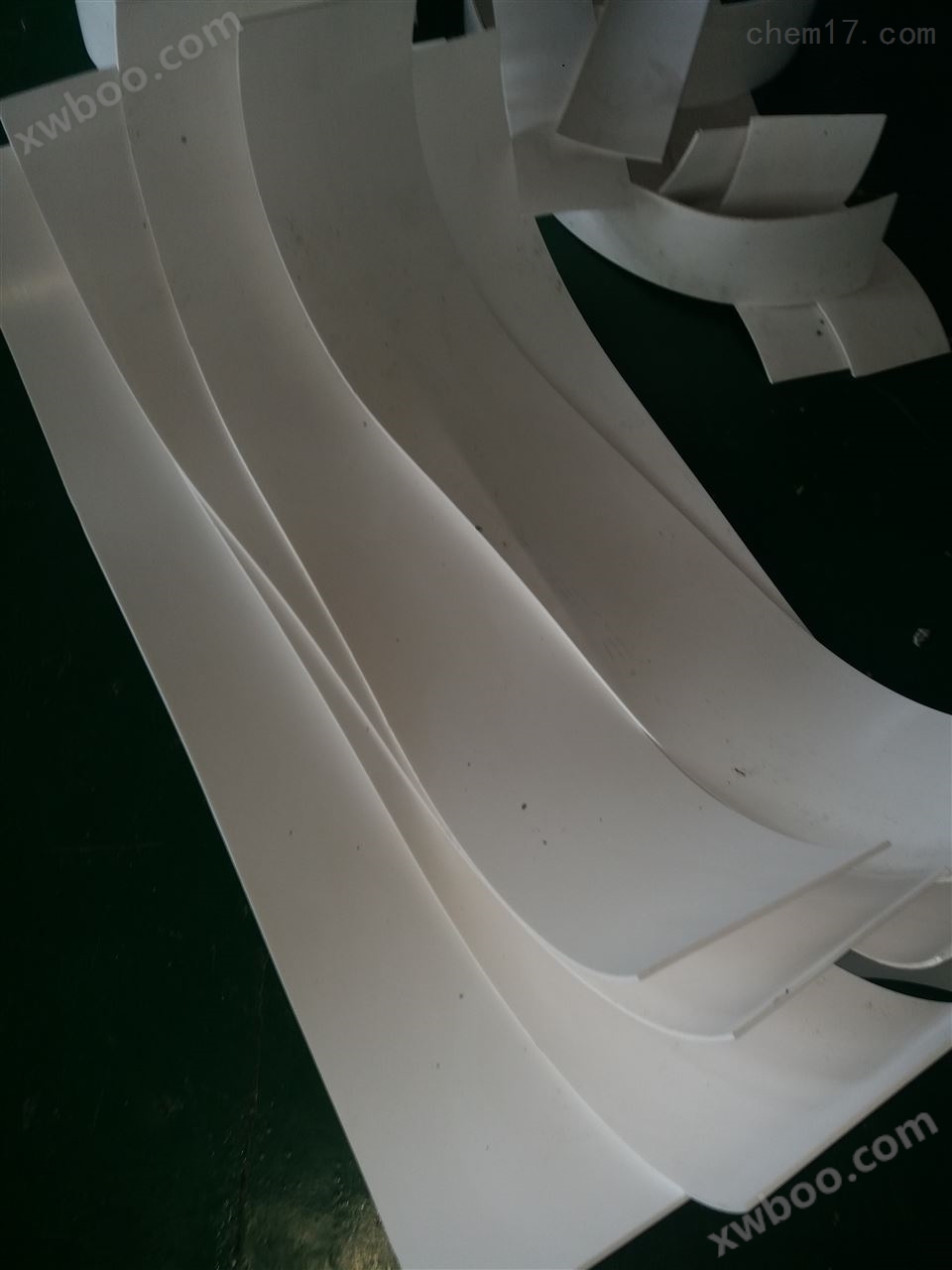
How strong is the performance of polytetrafluoroethylene (PTFE) board? The appearance of PTFE board is: 1. The color of the board is the natural color of the resin. $r$n2、 The texture should be uniform, the surface should be smooth, and there should be no defects such as cracks, bubbles, delamination, mechanical damage, knife marks, etc. $r$n3、 Allow for slight cloud like looseness. $r$n4、 Allow 10 amp; amp; #215; There should be no more than one non-metallic impurity with a diameter of 0.1-0.5mm and no more than one non-metallic impurity with a diameter of 0.5-2mm on a 10cm2 area.
Product Details
How strong is the performance of polytetrafluoroethylene board Polyethylene tetrafluoroethylene board (PTFE) is commonly known as the plastic king F4、 Or Teflon. The suspended polytetrafluoroethylene resin can be molded into sheets, turning films, and pipes. It can be pressed and molded. It can be mixed with graphite to make plates, rods, packing, ropes, and raw material strips.
The temperature range for the use of polytetrafluoroethylene plates is very wide (from -200 degrees Celsius to+360 degrees Celsius). Basically, it has corrosion resistance to all chemicals except for some fluorides and alkaline metal liquids. *Its mechanical properties include anti-aging properties, especially for bending and swing applications. Outstanding flame retardancy (compliant with ASTM-D635 and D470 testing procedures, classified as a flame retardant material in air). Excellent insulation properties (regardless of frequency and temperature) with extremely low water absorption, and a series of * properties such as self-lubricating and non stick properties.
Stair PTFE board is mainly used in engineering stairs as a hard PTFE stair support, which is widely used in current staircase applications. Because the stairwell does not participate in the overall seismic calculation of the structure, sliding supports need to be designed according to traffic restrictions. The variety and specifications of PTFE boards used for stairs must comply with the design requirements and construction specifications. Require the surface of polytetrafluoroethylene board to be flat, clean, and free from any damage.
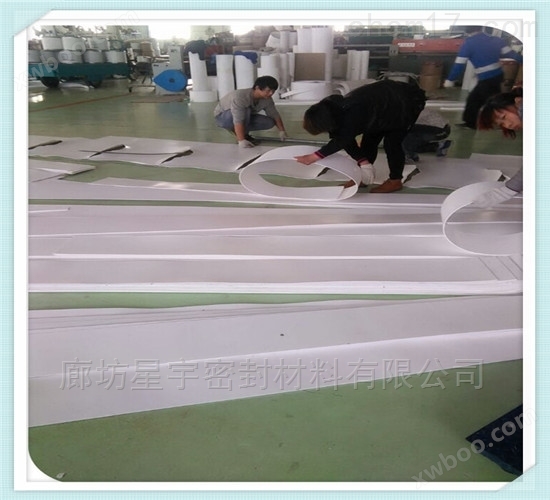
Usage: The thickness of the PTFE board for stairs is generally 5mm, and its length is the length of the stair board; The width is the step width. Cutting the PTFE board on the stairs requires the use of a profile cutting machine for cutting. After the installation of the staircase PTFE board is completed, cover the easily contaminated areas with adhesive paper iron covers or plastic film for protection. Safety guardrails should be installed to protect the easily scratched areas.
Polytetrafluoroethylene plates and turning belts are made by machining polytetrafluoroethylene molded blanks, which have excellent dielectric properties, anti-aging, chemical corrosion resistance, and a wide range of application strength scales. The film is an non oriented film, which is limited to oriented and semi oriented films.
Application scope of polytetrafluoroethylene board
In terms of chemical engineering, it can be used as an anti-corrosion material and can be used to produce various anti-corrosion components, such as pipes, valves, pumps, and pipe fittings. In terms of chemical equipment, it can produce fabrics and coatings for reactors, distillation towers, and anti-corrosion equipment.
In terms of machinery, it can be used as self-lubricating bearings, piston rings, oil seals, and sealing rings. Self lubrication can reduce mechanical wear and heat generation, and lower power consumption.
In terms of electronic appliances, it is primarily used to make various wires and cables, battery electrodes, battery separators, printed circuit boards, etc.
Medical materials: With their heat resistance, water resistance, and non-toxic properties, they can be used as materials for various medical devices and artificial organs. The former includes disinfection filters, beakers, and artificial cardiopulmonary equipment, while the latter includes artificial blood vessels, hearts, and esophagus. It has been widely used as a sealing material and filling material.

How strong is the performance of polytetrafluoroethylene board
Principles for seismic design of polytetrafluoroethylene board stairs:
Article 3.6.6, Paragraph 1 of the Code for Seismic Design of Buildings GB50011-2010: The establishment of calculation models, necessary simplified calculations, and processing should comply with the actual working conditions of the structure, and the influence of stair components should be considered in the calculation. The article further states that depending on the specific structure, the possible impact of stair components may be significant or minor, and then treated differently. The stair components themselves should be calculated for seismic resistance, but it is not required to participate in the overall structural calculation uniformly.
This regulation was added to the revised version in 2008 after the Wenchuan earthquake. The new seismic code further clarifies whether to participate in the overall calculation based on the impact of stairs on the seismic performance of the main body, and adds the following provisions: Article 6.1.15 (2) of GB50011-2010: For frame structures, the layout of stairwells should not cause particularly irregular structural planes; When pouring the staircase components and main structure together, the influence of the staircase components on seismic action and its effects should be taken into account, and the seismic bearing capacity of the staircase components should be verified; Structural measures should be taken to reduce the impact of staircase components on the stiffness of the main structure. The article further points out that for frame structures, when the stair components are poured together with the main structure, the stair slab plays a diagonal support role, which has a significant impact on the structural stiffness, bearing capacity, and regularity, and should be included in seismic calculations; When measures are taken, such as sliding support of stair slabs on platform slabs, the impact of stair components on structural stiffness is relatively small, and there is little difference in whether they participate in the overall seismic calculation. For structures with sufficiently rigid seismic walls installed in stairwells, the influence of stair components on the structural stiffness is relatively small, and they can also be excluded from the overall seismic calculation.
Similar Product Recommend
