-
E-mail
15931661151@163.com
-
Phone
15931661151
-
Address
Chengnan Industrial Park, Dacheng County, Langfang City, Hebei Province
Product Categories
Langfang Xingyu Sealing Materials Co., Ltd


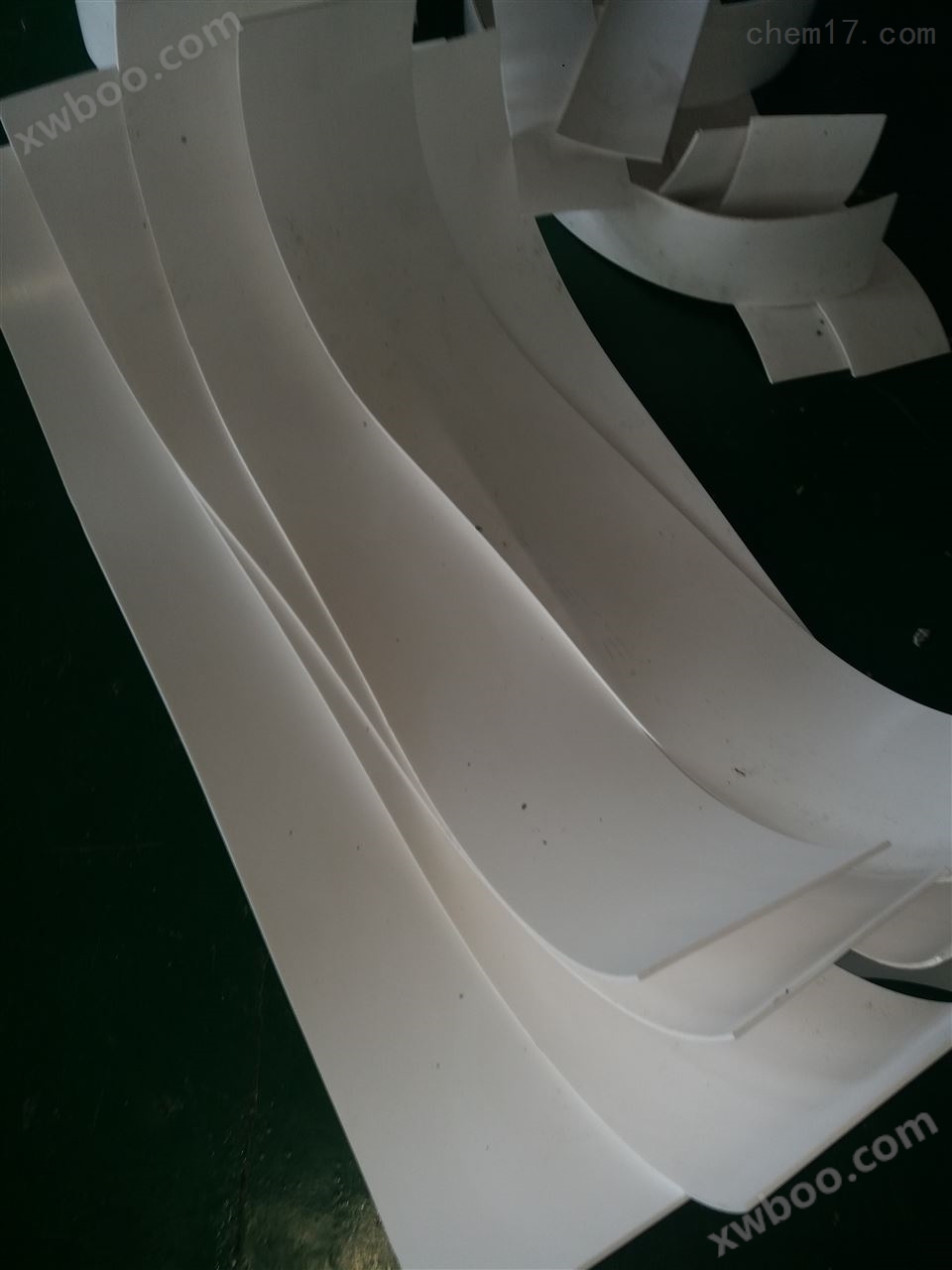
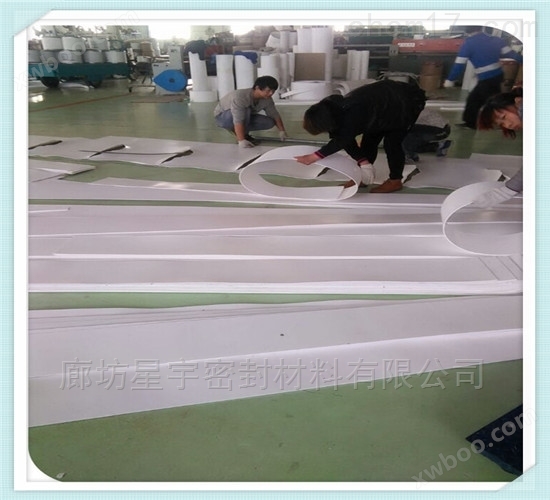

How much is a 5mm thick polytetrafluoroethylene board
NegotiableUpdate on 01/22
- Model
- Nature of the Manufacturer
- Producers
- Product Category
- Place of Origin
Overview
How much does a 5mm thick polytetrafluoroethylene plate cost? The quality is guaranteed. The tensile strength of polytetrafluoroethylene plate is 21-28MPa, the bending strength of polytetrafluoroethylene plate is 11-14MPa, and the elongation rate is 250% -300%. The message friction coefficient of polytetrafluoroethylene plate against steel is 0.04. The friction coefficient of 5mm polytetrafluoroethylene plate is smaller than that of nylon, polyoxymethylene, polyester plastic. Currently, various types of polytetrafluoroethylene plate polytetrafluoroethylene products have played a crucial role in the national economy fields such as chemical industry, machinery, electronics, electrical appliances, military, aerospace, environmental protection, and bridges.
Product Details
How much is a 5mm thick polytetrafluoroethylene board Polytetrafluoroethylene is a material with a low coefficient of friction among known solid materials (much smaller than ice). At the same time, the production process of polytetrafluoroethylene plates requires a pressure greater than 30MPa, and the tensile strength of the product itself is greater than 15MPa (equivalent to the strength of C15 concrete in buildings) and the tensile rate is greater than 150%. Choosing polytetrafluoroethylene plates in this position is based on two points: excellent sliding performance, reliable strength, and strong tensile rate.
The purpose of designing sliding support structures for stairs is to ensure that in the event of an earthquake, the sliding stairs can vibrate as an independent unit with small amplitude, rather than violently vibrating at the same frequency as the main building or the ground, thereby reducing the destructive power of earthquakes on the stairs and ensuring that the passage is not first damaged and unobstructed, allowing personnel to evacuate in a timely manner.
Appearance of PTFE board:
1. The color of the board is the natural color of the resin.
2. The texture should be uniform, the surface should be smooth, and there should be no defects such as cracks, bubbles, delamination, mechanical damage, knife marks, etc.
3. Allow for slight cloud like looseness.
4. Allow no more than one non-metallic impurity with a diameter of 0.1-0.5mm and no more than one non-metallic impurity with a diameter of 0.5-2mm on an area of 10 × 10cm2.

How much is a 5mm thick polytetrafluoroethylene board
Principles for seismic design of polytetrafluoroethylene board stairs:
Article 3.6.6, Paragraph 1 of the Code for Seismic Design of Buildings GB50011-2010: The establishment of calculation models, necessary simplified calculations, and processing should comply with the actual working conditions of the structure, and the influence of stair components should be considered in the calculation. The article further states that depending on the specific structure, the possible impact of stair components may be significant or minor, and then treated differently. The stair components themselves should be calculated for seismic resistance, but it is not required to participate in the overall structural calculation uniformly.
This regulation was added to the revised version in 2008 after the Wenchuan earthquake. The new seismic code further clarifies whether to participate in the overall calculation based on the impact of stairs on the seismic performance of the main body, and adds the following provisions: Article 6.1.15 (2) of GB50011-2010: For frame structures, the layout of stairwells should not cause particularly irregular structural planes; When pouring the staircase components and main structure together, the influence of the staircase components on seismic action and its effects should be taken into account, and the seismic bearing capacity of the staircase components should be verified; Structural measures should be taken to reduce the impact of staircase components on the stiffness of the main structure. The article further points out that for frame structures, when the stair components are poured together with the main structure, the stair slab plays a diagonal support role, which has a significant impact on the structural stiffness, bearing capacity, and regularity, and should be included in seismic calculations; When measures are taken, such as sliding support of stair slabs on platform slabs, the impact of stair components on structural stiffness is relatively small, and there is little difference in whether they participate in the overall seismic calculation. For structures with sufficiently rigid seismic walls installed in stairwells, the influence of stair components on the structural stiffness is relatively small, and they can also be excluded from the overall seismic calculation.
Similar Product Recommend
