-
E-mail
2121960783@qq.com
-
Phone
15163670722
-
Address
Manager Li, Gaoxin 2nd Road, Weifang High tech Zone, 15163670722
Product Categories
- Acid washing wastewater treatment equipment
- Underground sewage treatment equipment
- Sewage treatment equipment in gynecological hospitals
- Biological anaerobic filter
- Washing wastewater treatment equipment
- Plastic wastewater treatment equipment
- Enterprise domestic sewage treatment equipment
- Rural sewage treatment equipment
Shandong Qianqiu Environmental Technology Co., Ltd
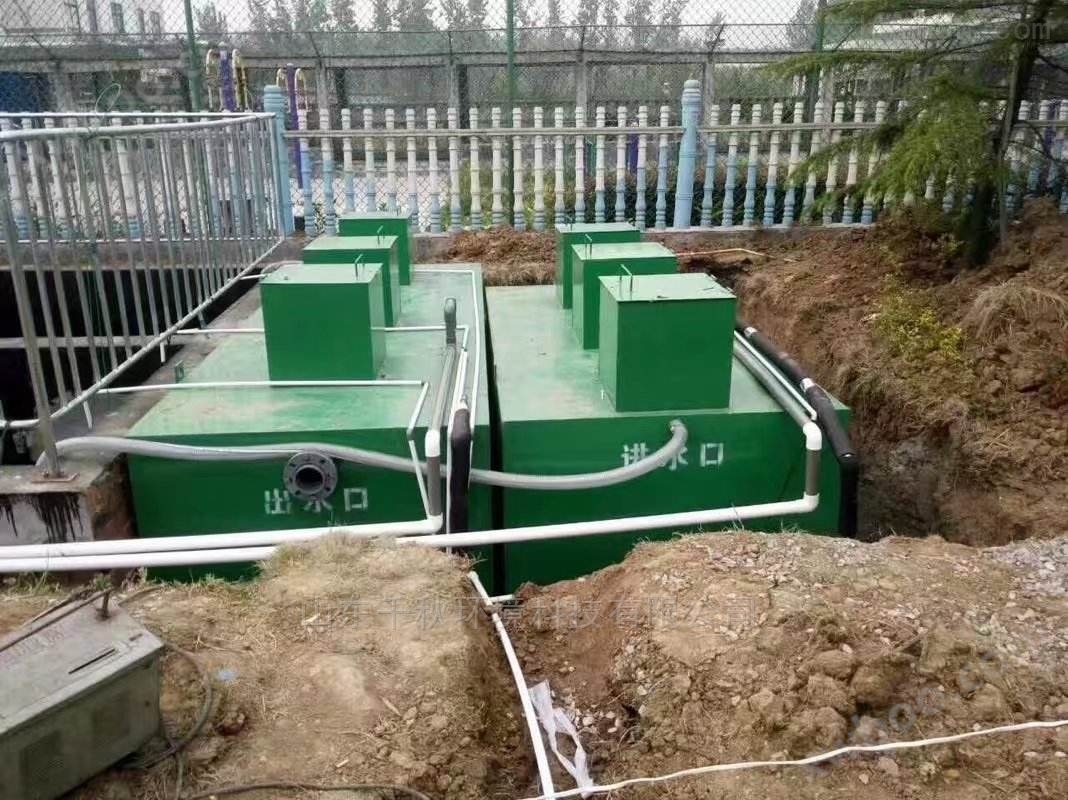
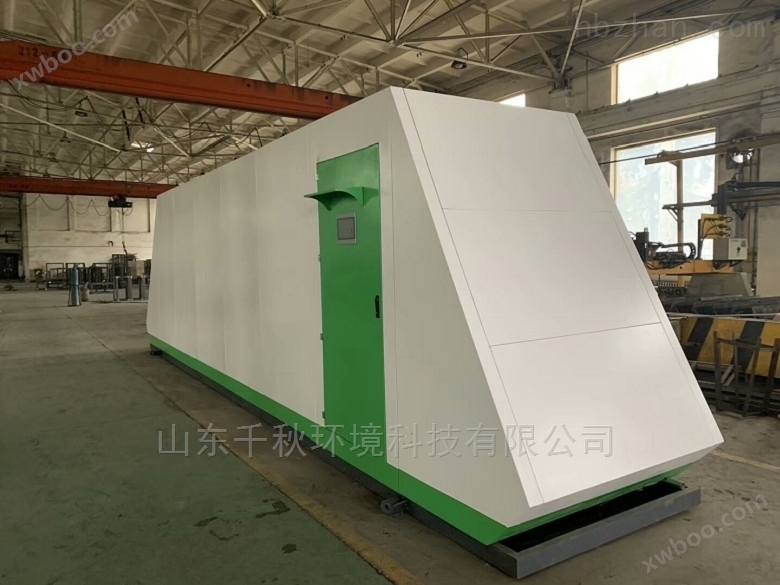
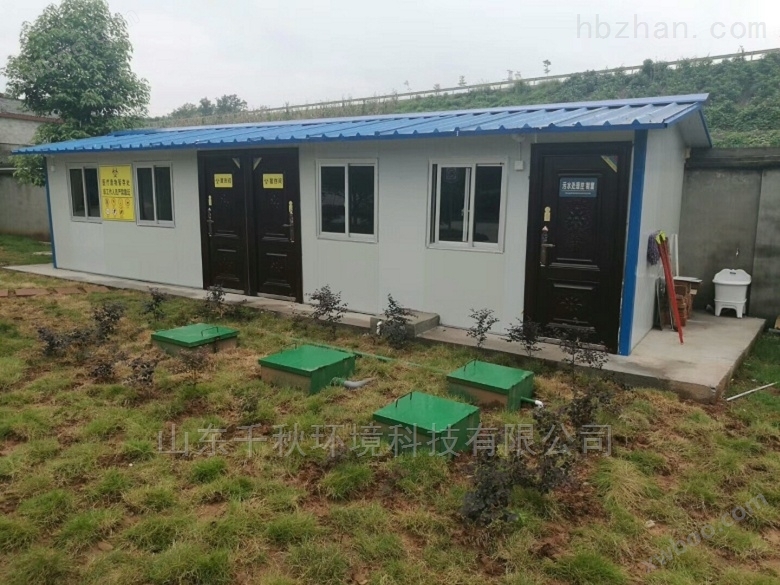
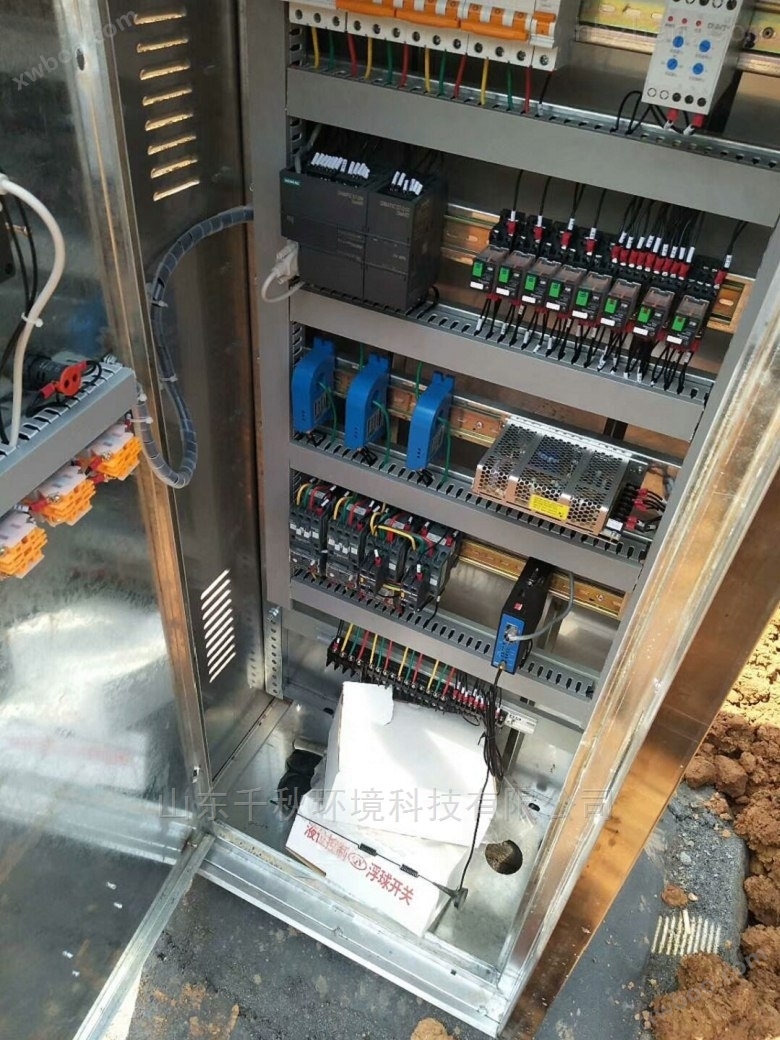
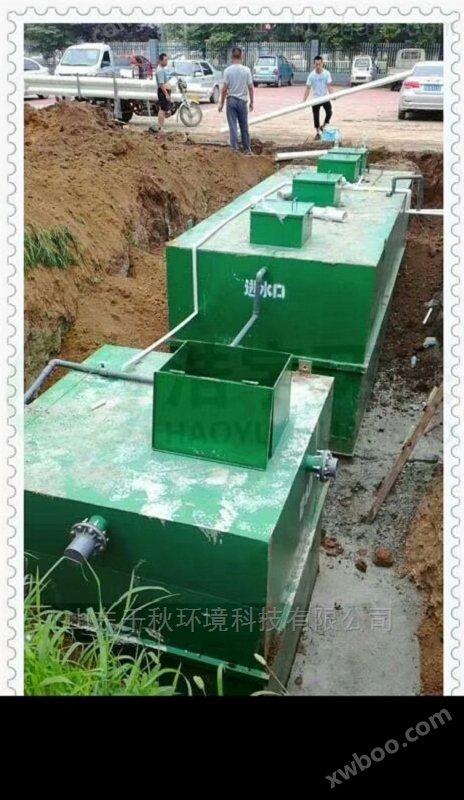
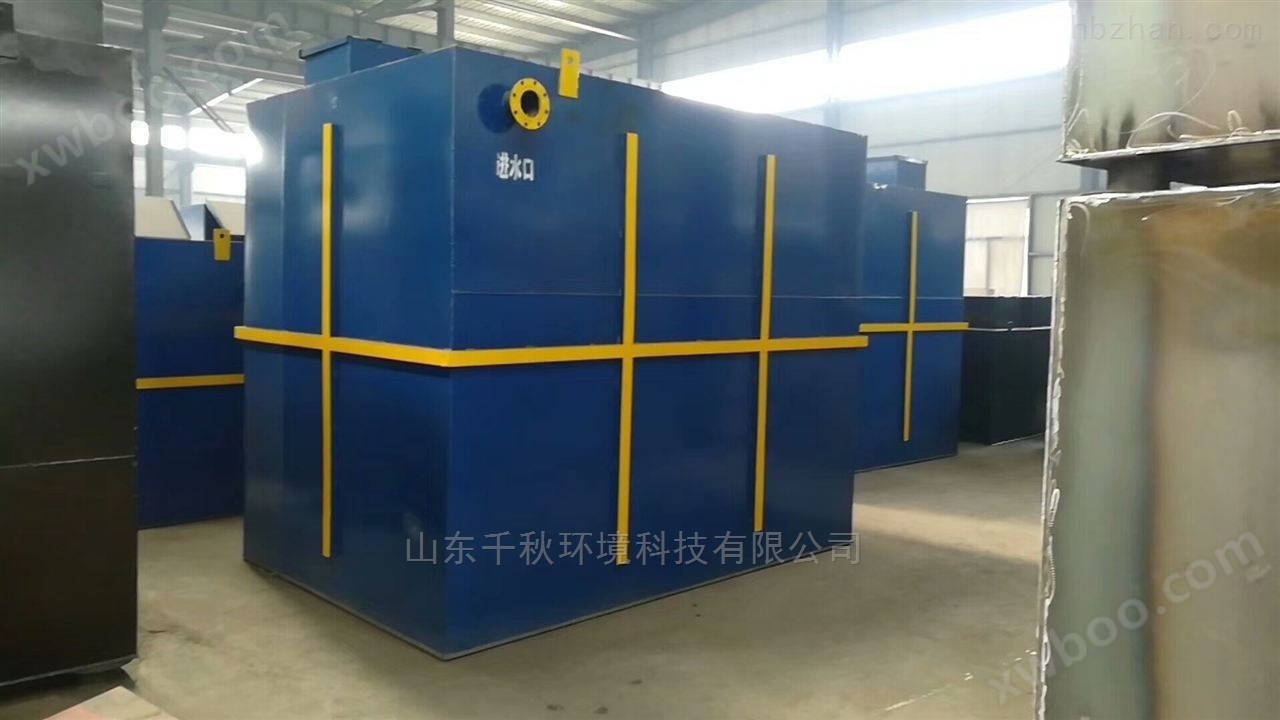
Energy saving and efficient laundry room sewage treatment equipment with simple operation
NegotiableUpdate on 01/21
- Model
- Nature of the Manufacturer
- Producers
- Product Category
- Place of Origin
Overview
Weifang Qianqiu Environmental Technology Co., Ltd., a manufacturer of energy-saving and efficient laundry room sewage treatment equipment with simple operation, is located in * * Kite Capital - Weifang, Shandong Province. The company is located in Weifang High tech Zone and is specialized in the research and development, production, sales, and technical services of various water treatment equipment in this city; The company's products combine multiple advantages, with excellent technology and quality. The company has successively obtained 13 utility models, including integrated sewage treatment equipment and chlorine dioxide generators; The company's products combine various advantages of environmental engineering design, construction, installation, and operation, with excellent technology and quality.
Product Details
Energy saving and efficient laundry room sewage treatment equipment with simple operationWeifang Qianqiu Environmental Technology Co., Ltd., a manufacturer, is located in Weifang, Shandong Province, known as the Kite Capital. The company is situated in the Weifang High tech Zone and specializes in the research and development, production, sales, and technical services of various water treatment equipment; The company's products combine multiple advantages, with excellent technology and quality. The company has successively obtained 13 utility models, including integrated sewage treatment equipment and chlorine dioxide generators; The company's products combine various advantages of environmental engineering design, construction, installation, and operation, with excellent technology and quality.
The company has successively obtained 13 utility models, including integrated sewage treatment equipment and chlorine dioxide generators; The company's products combine various advantages of environmental engineering design, construction, installation, and operation, with excellent technology and quality. A set of wastewater treatment equipment needs to be purchased for laundry wastewater generated by hospital clothing, hotel clothing washing, linen washing, laundry shops, etc. It is required to have a small footprint, low investment, and meet the discharge standards. Now let me introduce the sources of laundry wastewater: With the continuous improvement of people's living standards, large commercial laundry centers and bathing centers have emerged in cities. The workflow of a laundry center is basically similar, generally using cold water to rinse for * * times, mainly to remove surface substances such as floating soil and dust. The second time uses hot water and detergent as the main wash, and the third and fourth times (some even have a fifth time) are for cleaning and dehydration. The entire laundry process requires a lot of water. Therefore, washing wastewater contains surfactants, sodium tripolyphosphate, carboxymethyl cellulose, oil stains, dust particles, and various microorganisms, with a turbid appearance, COD of 300-800mg/l, pH of 6.5-7.5, and high suspended solids content, generally between 500-1200mg/l. Phosphate entering the water will cause eutrophication of the water, while surfactants entering the water will make the water lively and cause plant poisoning and death. Solubilize certain micro pollutants in water; The cleaning wastewater has a large amount of water, a small amount of foam, less suspended solids, smaller COD, and is more transparent; The amount of wastewater discharged is small, and the water quality is slightly better than that of cleaning wastewater.
1、 The source of laundry wastewater
In recent years, with the rapid development of economy, more and more laundries appear in people's vision. These laundries produce a large amount of laundry wastewater every day, including washing wastewater, washing wastewater and dehydration wastewater. The water quality characteristics of each laundry wastewater are: 1. The washing wastewater contains a large number of short fibers and detergent foam, with a high COD value and turbidity; 2. The cleaning wastewater has a large amount of water, a small amount of foam, less suspended solids, small COD value and transparency; 3. Dehydration wastewater has a smaller volume and slightly better water quality than cleaning wastewater.
2、 The hazards of laundry wastewater
The washing wastewater contains surfactants, sodium tripolyphosphate, carboxymethyl cellulose, oil stains, dust particles, and various microorganisms. It has a turbid appearance, a pH of 6.5-7.5, and a high suspended solids content. Phosphate entering the water can cause eutrophication of the water. Surfactants entering the water can make the water lively, cause plant poisoning and death, and solubilize certain micro pollutants in the water.
3、 Laundry wastewater treatment equipment
The treatment of laundry wastewater is imperative, and laundry room sewage treatment equipment has emerged.
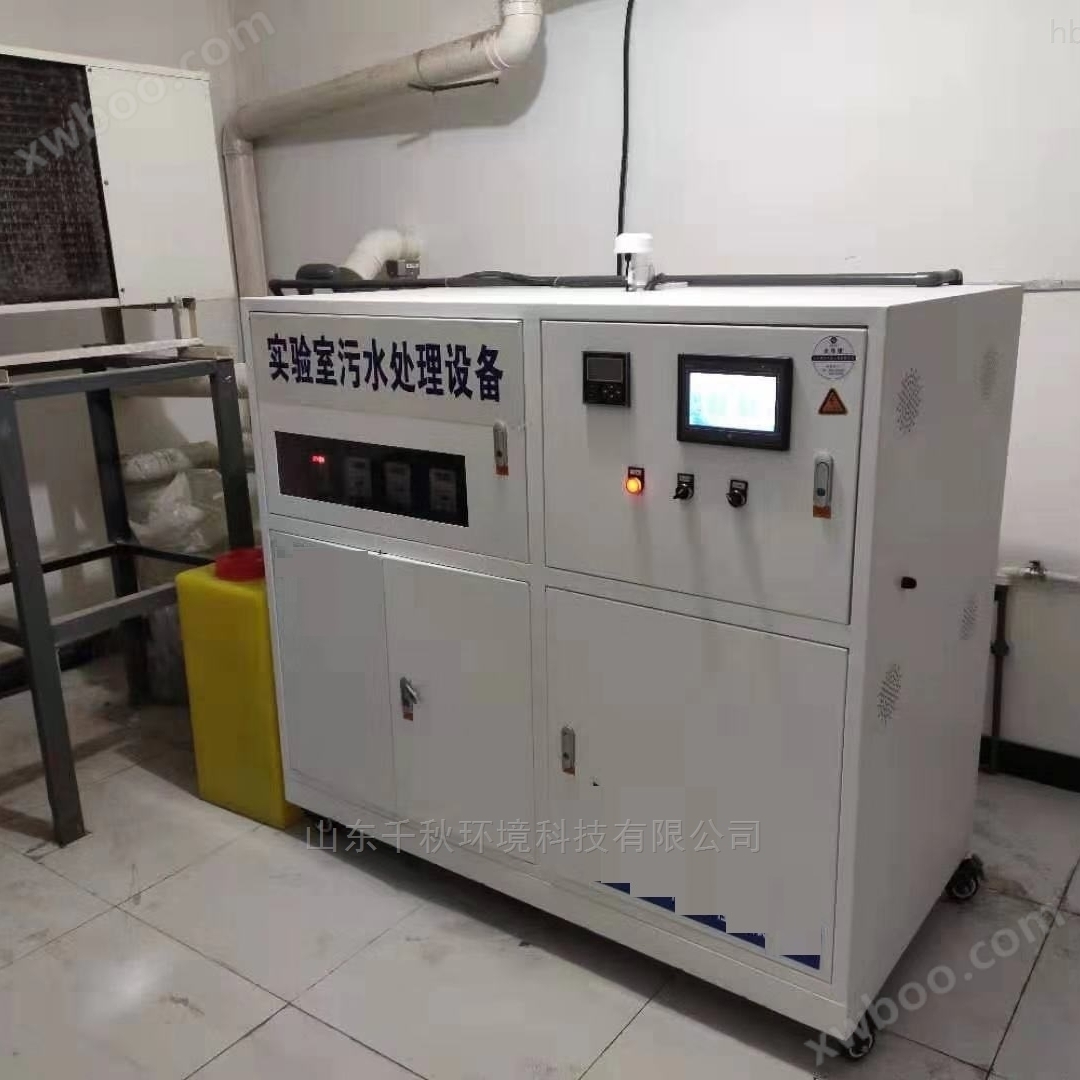
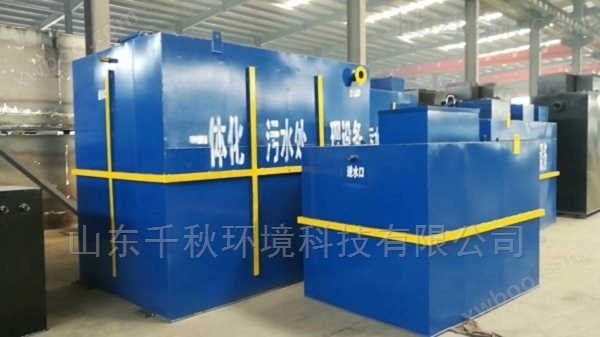
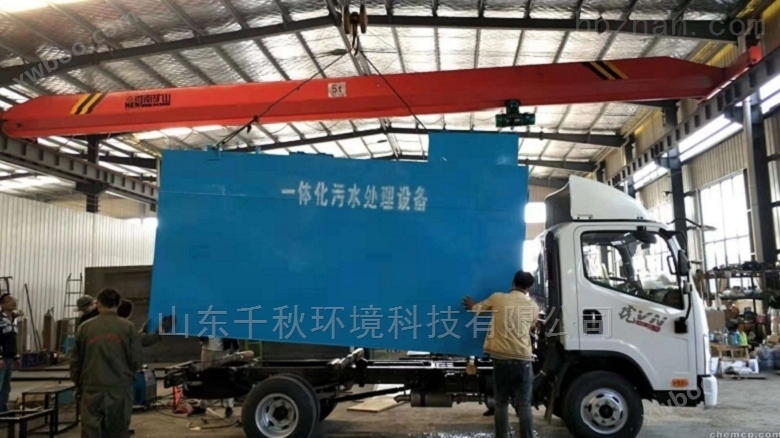
The equipment adopts high-quality carbon steel structure, with high strength and hardness; The main equipment is coated with three layers of epoxy asphalt paint for corrosion prevention, with a long service life; Integrated manufacturing saves resources and occupies less space.
The equipment adopts a coagulation precipitation hydrolysis acidification contact oxidation process. This process nitrifies the sludge produced by biological contact oxidation through hydrolysis acidification, achieving a COD removal rate of 86%, a chromaticity removal rate of 90%, and a BOD5 removal rate of 92%. This process is easy to operate, maintain, generates less sludge, and has good settling properties.
4、 Process flow of laundry wastewater equipment
Laundry wastewater is intercepted by a grid to remove solid suspended solids such as waste residue and fibers from the water. It enters a regulating tank, where it is homogenized and evenly distributed before being pumped to a coagulation and sedimentation tank. After adding a coagulant to the water, the colloids and dispersed particles of the suspended solids form flocs under the interaction of molecular force, and they collide and condense with each other during the sedimentation process. Their size and mass continue to increase, and the sedimentation rate also increases. When the flocs grow to a certain volume, they detach from the aqueous phase and precipitate under the action of gravity. Then they flow into a biological tank, where heterotrophic bacteria hydrolyze soluble organic matter in the wastewater into organic acids, decomposing large organic matter into small organic matter and converting insoluble organic matter into soluble organic matter. Ammoniation of pollutants such as proteins and fats. There are aerobic microorganisms and digestive bacteria in the O-level biological pool section, where aerobic microorganisms decompose organic matter into CO2 and H2O; Under sufficient oxygen supply conditions, the nitrification process of nitrifying bacteria oxidizes NH3-N to NO3-, which is then returned to the biological tank through reflux control. Under anaerobic conditions, the denitrification process of anaerobic bacteria reduces NO3- to molecular nitrogen. The effluent from the contact oxidation tank flows into the sedimentation tank for sedimentation, and the effluent from the sedimentation tank enters the clear water tank. After a brief stay in the clear water tank, it meets the discharge standards.
The process flowchart is as follows:

Characteristics of laundry wastewater treatment equipment: For laundry centers, which generally have small spaces, we have professionally designed small laundry wastewater treatment equipment with a small footprint. Generally, the water volume of laundry centers is not large and the profit is not high. We adopt * efficient biochemical technology, which not only meets * * standards, but also has relatively low investment compared to other enterprises.
The principle of small-scale laundry wastewater treatment equipment is that laundry wastewater is collected through the pipeline network and enters the sewage treatment system. Firstly, fibers and large floating objects are intercepted by the grid, and then the effluent flows automatically into the regulating pool to balance the water quality and quantity of the wastewater; The effluent is pumped to the coagulation reaction tank, PAC is added to stabilize the colloidal phase system of the wastewater, and PAM is added to cause coagulation and sedimentation; The effluent flows automatically into the sedimentation tank and uses gravity to separate the mud and water; The effluent flows automatically into the collection tank and collects the effluent from the sedimentation tank; The effluent is pumped to the HY-BW integrated sewage treatment equipment. In the ZY-HJ1 integrated sewage treatment equipment, it first passes through a hydrolysis acidification tank. The wastewater in the hydrolysis acidification tank is decomposed into small molecule organic matter by anaerobic bacteria, improving the biodegradability of the wastewater and reducing the subsequent aerobic treatment operation load; The effluent flows into the primary contact oxidation tank, where aerobic microorganisms utilize organic pollutants in the water as substrates for aerobic metabolism, stabilizing organic matter as low-energy inorganic substances and achieving harmless processes. After the organic matter is taken up, some is decomposed, stabilized, and provides energy for microorganisms, while others synthesize new cellular substances, namely biological sludge, which needs to be regularly pumped out; The effluent flows automatically into the secondary contact oxidation tank, further reducing the organic matter in the wastewater; The effluent flows automatically into the sedimentation tank, undergoes sedimentation treatment, and separates sludge and water; The effluent meets the standard for discharge. The settled sludge is partially pumped back into the integrated sewage treatment equipment by the sludge pump, while the remaining sludge is pumped into the sludge drying tank by the sludge pump and regularly pumped out for treatment and disposal. 23333333 In this era of winning customers through service, perfect after-sales service is the basic responsibility for customers, and it is also the principle that our company (Weifang Qianqiu Environmental Technology Co., Ltd.) has always adhered to.Energy saving and efficient laundry room sewage treatment equipment with simple operation
Our company * *: 1. Arrange technical personnel to provide equipment installation guidance and maintenance training to customers (including the working principle, process flow, daily operating procedures, common troubleshooting, etc. of sewage treatment systems). 2. During the one-year warranty period, if there are any quality issues with the small-scale laundry wastewater treatment equipment, we will provide free repairs. 3. After the warranty period of the small-scale laundry wastewater treatment equipment ends, paid accessories will be provided and appropriate maintenance fees will be charged. 4. Upon receiving a malfunction of the small-scale laundry wastewater treatment equipment, an emergency plan will be provided within 2 hours, and personnel within 24 hours within the province (48 hours outside the province) will arrive at the scene to handle the malfunction. 5. During the free warranty period, we will conduct periodic follow-up visits to assist the operation and management personnel of small laundry wastewater treatment equipment in managing the equipment.
Similar Product Recommend