-
E-mail
cems2001@163.com
-
Phone
13792457636
-
Address
No. 22 Hechuan Road, Licang District, Qingdao City
Product Categories
Qingdao Laoshan Electronic Instrument Factory
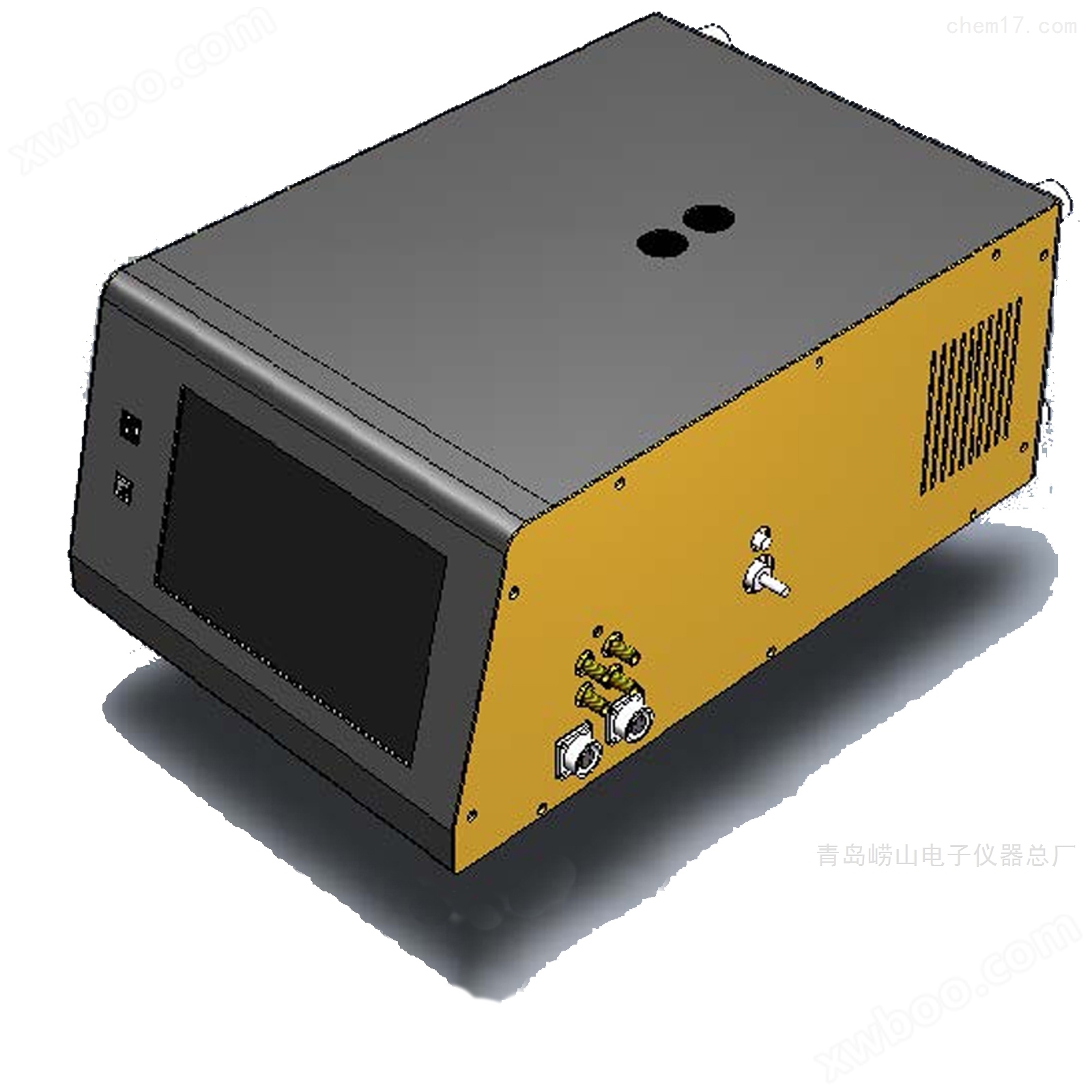

Catalytic FID portable non methane total hydrocarbon VOC analyzer
NegotiableUpdate on 01/22
- Model
- Nature of the Manufacturer
- Producers
- Product Category
- Place of Origin
Overview
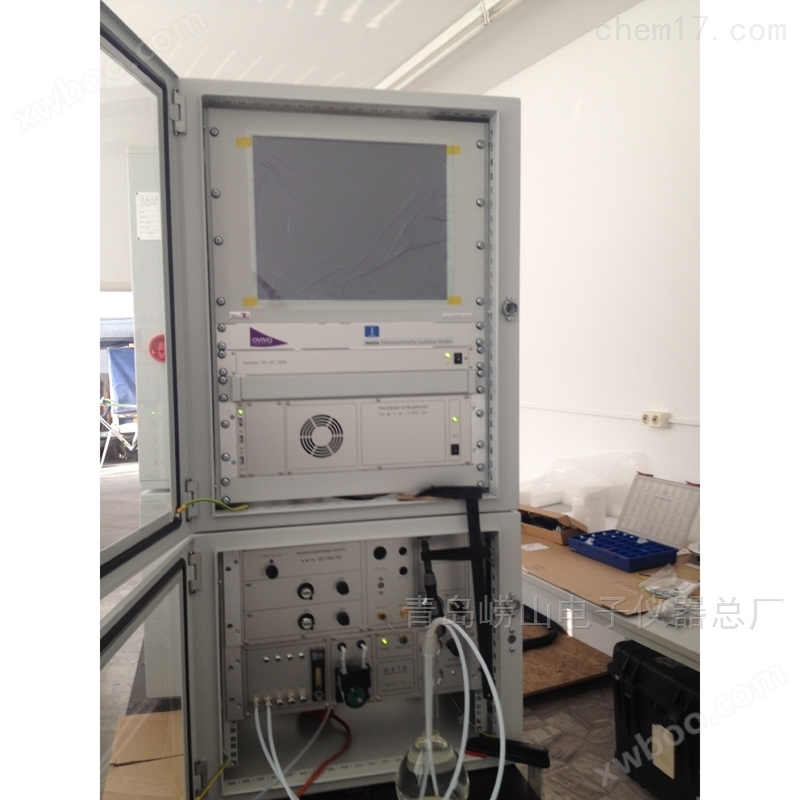
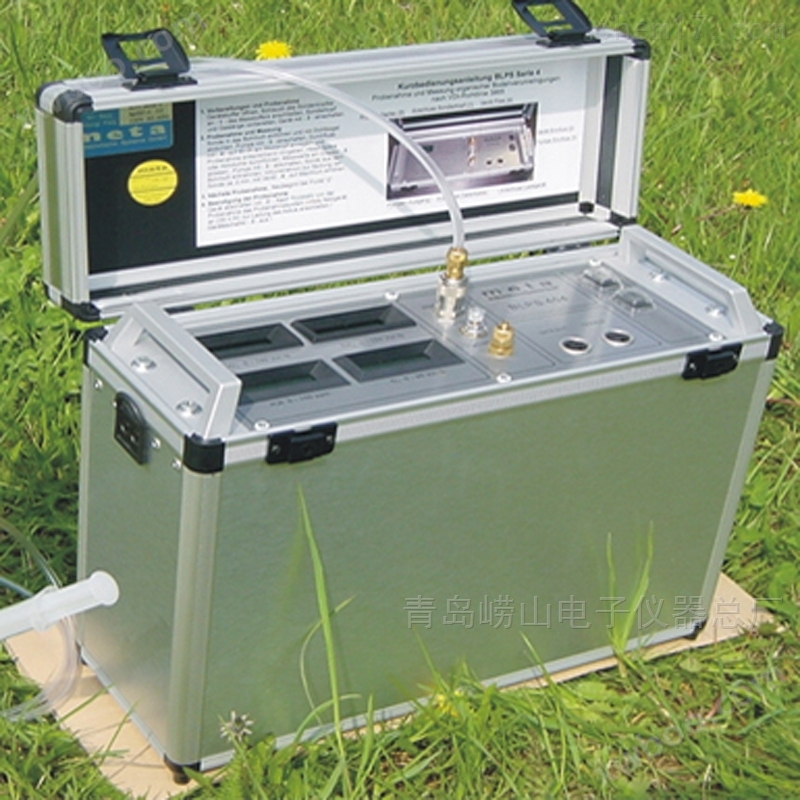
The catalytic FID portable non methane total hydrocarbon VOC analyzer is a catalytic combustion/non methane total chamber portable or hanging wall multi-purpose analyzer. It adopts full heating, no cold point high temperature cycle technology, is equipped with a high-temperature and efficient catalytic device, and uses dual FID detectors to simultaneously detect the concentration values of the total torch and the methane institute in the sample gas. It can display and calculate the concentration values of the total torch, the methane institute, and the non methane institute in real time. LD3001 can be used to monitor the total concentration of non A hospital torches, and is widely used in smoke emission monitoring, engine exhaust analysis, power plant, incineration plant, and mechanical waste treatment plant emission monitoring.
Product Details
Catalytic FID portable non methane total hydrocarbon VOC analyzerIt is a catalytic combustion/non combustion chamber portable or hanging wall multi-purpose analyzer, which adopts full heating, no cold point high-temperature circulation technology, is equipped with a high-temperature and efficient catalytic device, and uses dual FID detectors to simultaneously detect the concentration values of the total torch and non combustion chamber in the sample gas. It can display and calculate the concentration values of the total torch, non combustion chamber and non combustion chamber in real time. LD3001 can be used to monitor the total concentration of non A hospital torches, and is widely used in smoke emission monitoring, engine exhaust analysis, power plant, incineration plant, and mechanical waste treatment plant emission monitoring.
Index of Domestic VOCs Monitoring Standards:
HJ 1012-2018 Technical Requirements and Testing Methods for Portable Monitoring Instruments for Air and Waste Gas Total Garbage, Class A: Civil and Non Class A Delivery Total Monster
HJ 1013-2018 Fixed pollution source waste gas non-A; Technical requirements and testing methods for the continuous monitoring system of Bi Zongyuan
Beijing National Standard: Determination of Total Radiance of Non Armored Kang Portable Hydrogen Flame Ionization Detector Method (0811/T 1367-2016)
Landmarks in Shandong Province: Fixed pollution source waste gas total garbage, Jia Tu Tun, and non Jia; Portable catalytic oxidation of hydrogen flame ions for the determination of total luminescence
Chemical detector method (0837/T 3922-2020)
Landmark of Sichuan Province: National Emission Standards for Atmospheric Volatile Organic Compounds from Pollution Sources (0851/2377-201 7)
Landmark of Jiangxi Province: Emission Standards for Volatile Organic Compounds (08 36/1101.1-2019)
催化法FID原理:
The major difference between using catalytic oxidation FID method and chromatographic FID method is that it does not use chromatographic columns to separate the A hospital,
But instead, a high-temperature catalytic oxidation furnace (cutter) is used to separate the A hospital.
Technical indicators and parameters
Measurement method for composition of hydrocarbons - Catalytic+flame ionization detector (FID)
The measurement range is 0.1-1000mgC/m3 (CH4). The FID detector automatically determines the ignition flame state of the detector,
Detect a limit of 0.1mg/m3 for high automatic ignition and flame detection alarm function
Conversion rate~95%, sampling system fully heated throughout the process
Relative standard deviation:::; 2% (CH4) sampling flow rate 600mL/min
Repetitive 1% hydrogen metal hydride technology
Measurement accuracy three: t 0.2% standard gas A/C+air base gas
Linear i-Wu difference: t2% (CH4) electric j original AC power supply AC-220V, instantaneous total power 300w
Reaction time T90 running for 1.5 seconds (excluding heating of sampling tube)
technical advantage
Using the catalytic FID principle, with a built-in cutting device from the hospital, the entire process is high-temperature and the data is accurate;
The dual detector configuration of * has a measurement response time of less than 3 seconds for non hospital total monsters;
• Single auxiliary gas source, only requiring micro compressed hydrogen gas or solid-state hydrogen gas storage module;
Dual channel EPC pressure controller ensures consistency in the injection volume of the total torch and the first burner;
The USB flash drive directly stores all measurement data and instrument status information in Excel/CSV format;
Low maintenance costs, no consumable parts in the instrument, and a catalyst lifespan of over 2 years.
• Avoid weighing 20 kilograms, with a high handle design that is convenient for a single person to carry, and can be measured horizontally or vertically;
Technical indicators of catalytic FID and chromatographic FID
Comparative Content Catalytic Chromatography
1. Detection method: FID detector, F ID detector
hydrogen
Carrier gas (N2)
Z auxiliary gas source
Built in short air
air
hydrogen
3. Real time continuity detection, real-time interruption detection
4 CH4 detection method, catalytic method, chromatographic separation, using chromatographic column separation
5 Sample Sampling High Temperature Sampling Pump (Built in) High Temperature Sampling Pump (External)
6 FID detector
2 FIDs and 1 FID
Catalytic FID portable non methane total hydrocarbon VOC analyzer
Similar Product Recommend