-
E-mail
2121960783@qq.com
-
Phone
15163670722
-
Address
Manager Li, Gaoxin 2nd Road, Weifang High tech Zone, 15163670722
Product Categories
- Acid washing wastewater treatment equipment
- Underground sewage treatment equipment
- Sewage treatment equipment in gynecological hospitals
- Biological anaerobic filter
- Washing wastewater treatment equipment
- Plastic wastewater treatment equipment
- Enterprise domestic sewage treatment equipment
- Rural sewage treatment equipment
Shandong Qianqiu Environmental Technology Co., Ltd
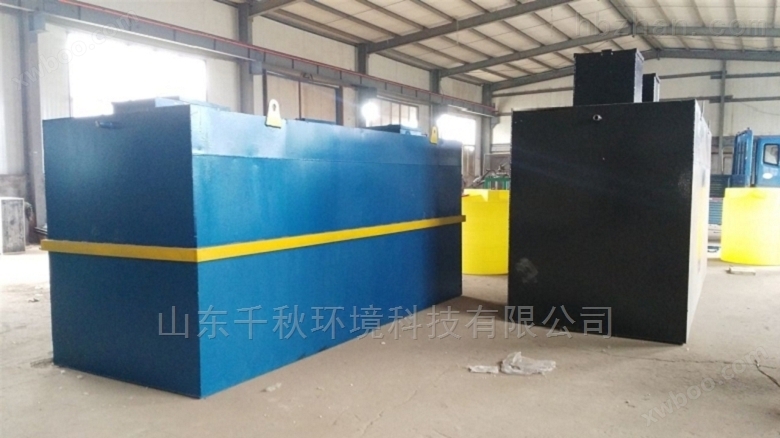
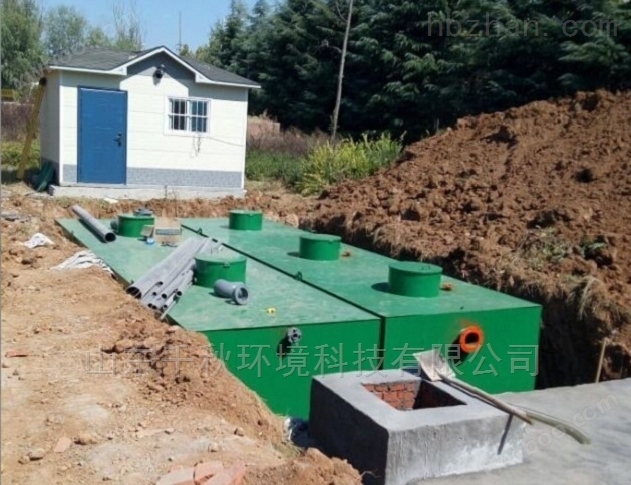
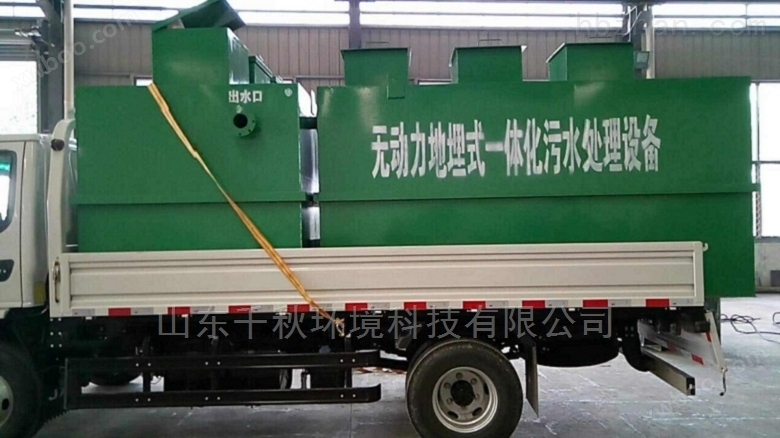
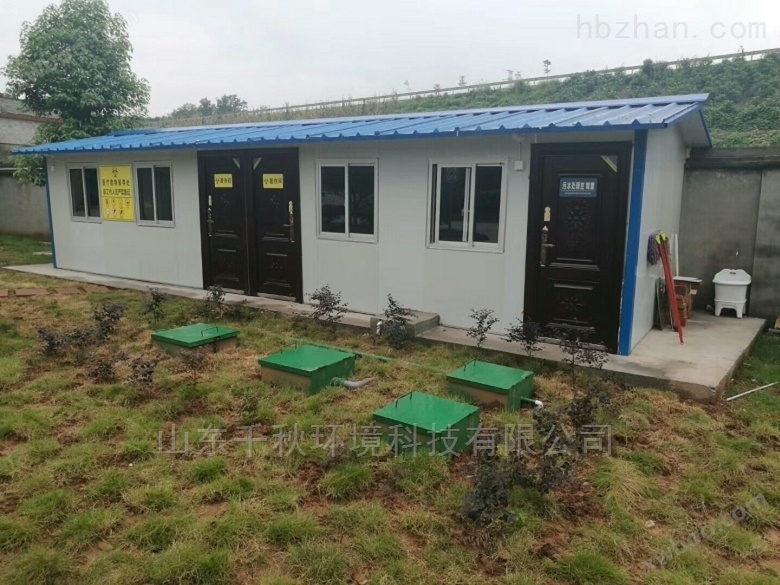
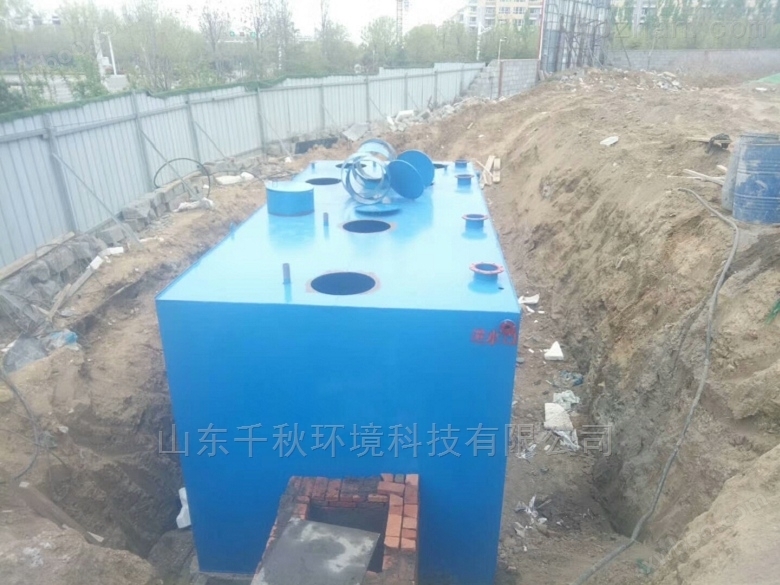
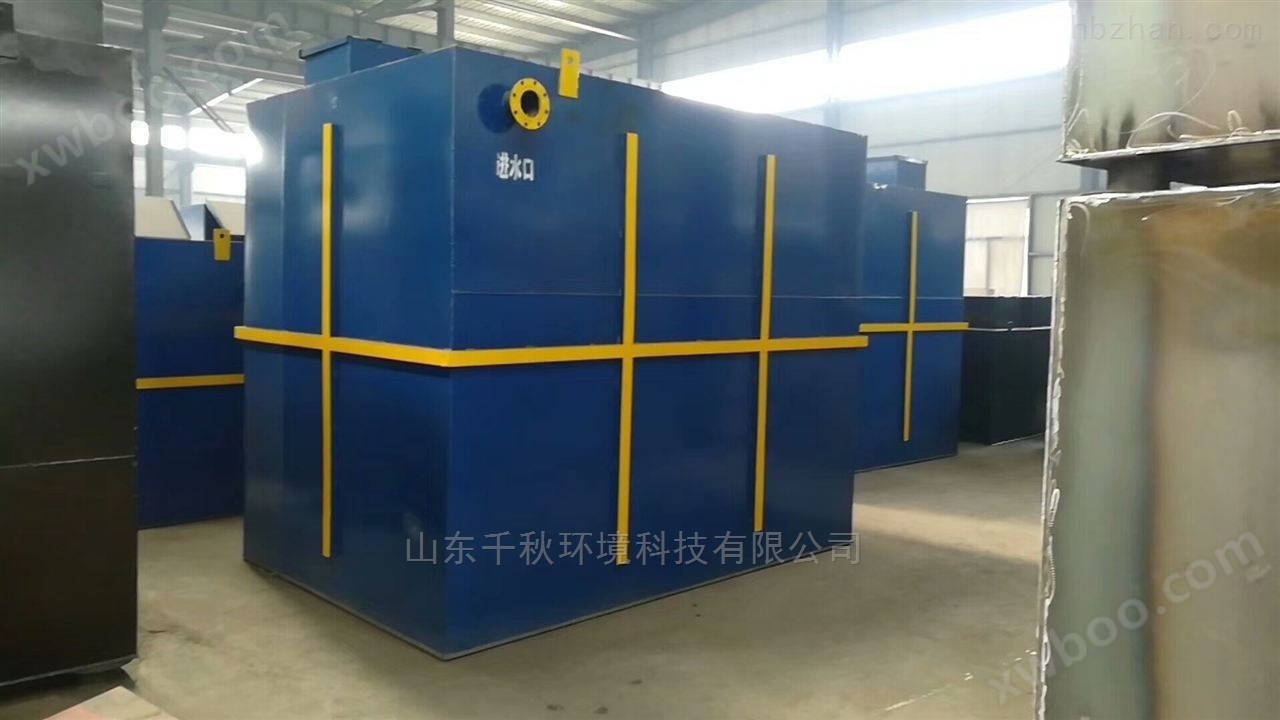
Beautiful New Rural Renovation Sewage Treatment Equipment*
NegotiableUpdate on 01/21
- Model
- Nature of the Manufacturer
- Producers
- Product Category
- Place of Origin
Overview
Weifang Qianqiu Environment Qianqiu Environmental Company has various disinfection methods for medical wastewater, including sodium hypochlorite, chlorine dioxide, ozone, etc. Chlorine dioxide is generally used for disinfection of sewage. Chlorine dioxide has the advantages of good sterilization effect, high efficiency, no reaction with ammonia, and no generation of carcinogenic organic chlorides, so it is widely used.
Product Details
Process DescriptionBeautiful New Rural Renovation Sewage Treatment Equipment*Weifang Qianqiu Environment Qianqiu Environment Company
After being collected by the drainage system, the sewage enters the grid well of the sewage treatment plant to remove particles and debris. It then enters the regulating tank for homogenization and equalization. A liquid level controller is installed in the regulating tank, and signals are transmitted through the liquid level controller. The sewage is then pumped to the biological contact oxidation tank for acidification, hydrolysis, nitrification, and denitrification, reducing the concentration of organic matter and removing some ammonia nitrogen. It then flows into the O-level biological contact oxidation tank for aerobic biochemical reactions. The O-level biological tank is divided into two stages, where the vast majority of organic pollutants are degraded through biological oxidation and adsorption. The effluent flows to the secondary sedimentation tank for solid-liquid separation. The clear liquid on the sedimentation tank flows into the disinfection tank, where it is dissolved by adding chlorine tablets to kill harmful bacteria in the water. After disinfection, the clean water is pumped. The filtered water can be used for watering flowers, flushing toilets, or for external discharge.
The debris intercepted by the grille is regularly loaded into a small car and dumped into the garbage dump. Part of the sludge in the secondary sedimentation tank flows back to the biological treatment tank, while another part of the sludge is digested in the sludge tank and regularly pumped out. The clear liquid on the sludge tank flows back to the regulating tank for further treatment.
Process facilities
(1) Grid well
Setting purpose:
A grille is installed before the domestic sewage enters the regulating tank to remove soft entanglements, large solid particles, and floating debris from the domestic sewage, thereby protecting the service life of the subsequent water pump and reducing the workload of the system treatment.
Setting features:
The grid well is equipped with a brick concrete structure, and the grid is manually framed.
2) Regulating pool
Setting purpose:
After being treated with a grid, domestic sewage enters the regulating tank for water quantity and quality regulation and homogenization, ensuring the balance and stability of water quantity and quality in the subsequent biochemical treatment system. Organic matter in the sewage has a certain degradation effect, improving the impact resistance and treatment effect of the entire system.
Design features:
The regulating pool is designed as a steel-concrete structure.
(3) Regulating pool lifting water pump
Setting purpose:
A submersible sewage pump is installed in the regulating pool to lift the uniformly treated sewage to the later stage.
Design features:
One submersible sewage pump is installed with liquid level control, and the water pump adopts an unobstructed tearing debris pump.
(4) Biological treatment tank (anoxic tank)
Setting purpose:
Further mixing the sewage and fully utilizing the efficient bio elastic packing material in the pool as a bacterial carrier, the difficult to dissolve organic matter in the sewage is converted into soluble organic matter by facultative microorganisms, and the large molecular organic matter is hydrolyzed into small molecular organic matter, which is conducive to further oxidation and decomposition in the O-grade biological treatment tank. At the same time, the refluxed nitrate nitrogen can undergo partial nitrification and denitrification under the action of nitrifying bacteria to remove ammonia nitrogen.
Design features:
Built in high-efficiency bio elastic packing, with hydrolysis and acidification function, and can be adjusted to become an O-grade bio oxidation tank to increase biochemical retention time and improve treatment efficiency.
The pool is designed as a steel structure box.
(5) O-grade biological treatment tank (biological contact oxidation tank)
Setting purpose:
This pool is the core part of this sewage treatment, divided into two sections. In the first section, under high organic load, a large number of microbial communities of different species attached to the packing participate in biochemical degradation and adsorption, removing various organic substances from the sewage and significantly reducing the organic content in the sewage. In the later stage, under low organic load conditions, the action of nitrifying bacteria degrades ammonia nitrogen in sewage under sufficient oxygen conditions, while also reducing the COD value in sewage to a lower level, thus purifying the sewage.
(6) Design features:
The pool consists of a pool body, packing material, water distribution device, and oxygenation and aeration system.
This pool is mainly based on biofilm method, and also has the characteristics of activated sludge method.
The filling material in the pool adopts elastic three-dimensional composite filling material, which has a large specific surface area, long service life, easy film formation, corrosion resistance, and does not clump or block. The filling material can freely stretch in the water, cutting the bubbles in the water in multiple layers, which relatively increases the aeration effect. The filling material is installed in a cage style, which is easy to disassemble and maintain.
The pool is divided into two stages to degrade water quality into gradients, achieving good treatment effects. At the same time, corresponding diversion and turbulence measures are designed to make the overall design more rational.
The aeration pipeline in the pool is made of high-quality ABS pipes, which are corrosion-resistant. The aeration head adopts microporous aeration head, which is non clogging and has high oxygen utilization efficiency.
The pool is designed as a steel structure box.
(7) Sedimentation tank
Setting purpose:
Perform solid-liquid separation to remove the biofilm and suspended sludge peeled off from the biochemical tank, so as to truly purify the sewage.
Design features:
Designed as a vertical flow sedimentation tank, it has good sludge degradation effect.
Adopting a triangular weir to ensure stable water discharge efficiency.
The sludge is regularly discharged into the sludge tank using an air stripping method, and a sludge air stripping reflux device is installed. Part of the sludge is refluxed to the biological treatment tank for nitrification and denitrification, which also reduces the generation of sludge and facilitates the removal of ammonia nitrogen from sewage.
The pool is designed as a steel structure box.
(8) Disinfection pool
Setting purpose:
The effluent from the secondary sedimentation tank flows into the disinfection tank for disinfection, ensuring that the effluent quality meets the hygiene requirements and is discharged as qualified.
Design features:
Design a disinfection device, guide plate, and disinfection design in the disinfection pool using a chlorine contact method. This dosing method has the characteristics of convenient dosing, simplicity, and safety. After disinfection, the water is discharged into the municipal sewage pipeline or nearby water areas.
The pool is designed as a steel structure box.
2、 Design Basis
1. The effluent quality of wastewater discharge shall meet the first level discharge standard of GB8978-1996 "Comprehensive Wastewater Discharge Standard";
2. The emission of odorous gases shall comply with the second level standards in the "Emission Standards for Odor Pollutants" (GB14554-93);
3. The noise emissions shall comply with the Class II standard in the "Industrial Enterprise Boundary Noise Standard" (GB12348-90);
4. The discharge of waste residue shall comply with the corresponding provisions of the "Trial Standards for Industrial 'Three Wastes' Discharge" (GBJ-73);
5. The sludge shall comply with the relevant provisions of the "Control Standards for Pollutants in Agricultural Sludge" (GB4284-84).
Characteristics of Underground Sewage Treatment Equipment
The MBR process will inevitably replace the AO process and become a widely used sewage treatment process in the sewage treatment industry. Our company keeps up with the trend of the times and advances technology. For example, polysaccharides are decomposed into monosaccharides or organic acids, proteins are decomposed into amino acids, and fatty substances are decomposed into fatty acids and glycerol. The MBR membrane bioreactor, also known as membrane bioreactor in Chinese, is currently a technology used in wastewater treatment. It is a technology project approved by China's 863 Program and is used in supporting wastewater treatment plants for large-scale projects such as the Guangzhou Asian Games and Beijing. In the foreseeable future, the main equipment will be elastic packing to maintain facultative microorganisms. The primary function of the hydrolysis tank is denitrification; Next is the release of phosphorus from sludge. Nitrifying bacteria are specialized autotrophic Gram negative aerobic bacteria that utilize the energy released during the conversion of ammonia nitrogen as their own metabolic energy source.
The reaction process is as follows:
NH4++3/2O2 nitrite bacteria NO2-+2H++H2O - Δ E Δ E=278.42kJ
The second step is to convert nitrite into nitrate:
NO-+1/2O2 硝酸盐菌 NO3--ΔE ΔE=278.42kJ
Under appropriate anaerobic conditions, facultative microorganisms are used to reduce nitrate in sewage to molecular nitrogen, which escapes into the atmosphere and plays a role in denitrification. Hydrolysis tanks also play an acidic fermentation role. Currently, commonly used sewage treatment processes include AO process, MBR process, CASS process, oxidation ditch process, wetland process, etc. Here we focus on introducing the widely used and effective AO process and MBR process for treating sewage. AO process is currently widely used in urban sewage treatment plants at home and abroad, such as the large Bailongwan sewage treatment plant in China, which adopts this process. The AO process has developed multiple variants for different water quality conditions, such as AO process, A2O process, AO2 process, etc. Among them, A represents the anaerobic treatment tank, which degrades carbohydrates into fatty acids, and degrades large molecular and solid substances into soluble substances, thereby improving the biochemical performance of the biological contact oxidation tank. Hydraulic retention time is 2.0 hours.
1. Engineering debugging
(1) Pre inspection
Before starting the debugging work, a comprehensive cleaning of the structure (or equipment) should be carried out to remove debris and prepare for water supply and testing.
(2) Clean water test run
After the installation and acceptance of the wastewater and sludge treatment machinery equipment in the sewage treatment plant, single mechanical equipment can be tested under load. Since its establishment, it has focused on researching MBR technology and small-scale sewage treatment technology. Currently, it has become a mature SH-MBR series, integrated system for reclaimed water reuse, and other products. The tracking and use effect greatly exceeds other process products.
(3) Full line linkage
The water supply of each treatment unit in the sewage treatment project has been successful, and it is necessary to carry out full line linkage debugging to degrade difficult to biodegrade organic matter into biodegradable organic matter, improve the biodegradability of the wastewater, and reduce the organic load on the subsequent aerobic section. This pool utilizes facultative microorganisms in nature, which are abundant and reproduce rapidly. It can decompose high molecular weight biodegradable organic compounds into small molecule organic compounds.
(4) Cultivate bacterial strains
According to the characteristics of the sewage, the sewage treatment process adopts the "hydrolysis acidification tank aerobic tank" process. Microorganisms are living organic communities, so debugging work is a gradual process that requires care and patience.
2. Personnel training
Planned training for production operation and management personnel is an important method to ensure smooth operation and improve management level. Our company is responsible for providing free training for technical personnel to users.
(1) Pre training
Training format: Adopting a centralized class format, with our professional personnel (including process, mechanical equipment, and electrical) providing on-site explanations to the operators of the wastewater treatment station.
(2) Post training
After the sewage treatment plant is put into operation, during the commissioning period, we will arrange personnel to work in shifts with the other party's employees to further deepen the training content during the commissioning process, so that employees can deeply grasp various training contents. The 15-20 micron pore filtration process is called microfiltration. Microporous filtration is a mechanical filtration method. It is suitable for maximizing the separation of tiny suspended substances (pulp fibers) present in liquids, achieving the goal of solid liquid separation. The difference between microfiltration and other methods is that the gaps in the filter medium are particularly small, relying on the centrifugal force generated by the rotation of the sieve mesh.

Beautiful New Rural Renovation Sewage Treatment Equipment*Weifang Qianqiu Environment Qianqiu Environment Company
There are various underground sewage treatment processes in rural areas, and the outstanding advantages are:
1. The equipment is buried underground and can be greened on top for a beautiful environment.
2. The entire device generally does not require dedicated management.
3. It can reduce the footprint, and parking lots can be built above the equipment without the need for factory buildings or other facilities.
4. No impact on the surrounding environment, minimal sludge production, and noise levels below the standards of Class II areas.
5. Easy to operate, new technology, good effect, and long service life.
6. The equipment can be arranged according to standards or specially arranged according to terrain requirements.
Similar Product Recommend