-
E-mail
943467149@qq.com
-
Phone
15832626071
- Address
Product Categories
Hejian Wanjie Sealing Materials Co., Ltd


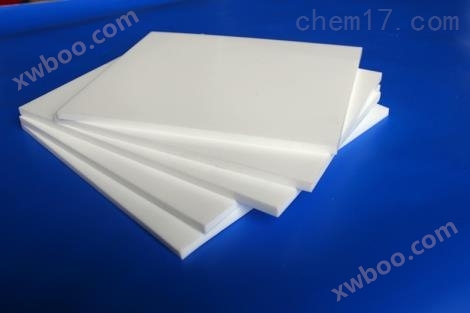


1mm PTFE plate steel structure - Jiyuan
NegotiableUpdate on 01/22
- Model
- Nature of the Manufacturer
- Producers
- Product Category
- Place of Origin
Overview
PTFE plates are divided into two types: molded plates and turned plates. Molded plates are made by molding PTFE resin at room temperature using a molding method, followed by sintering and cooling. The turning plate is made of polytetrafluoroethylene resin through pressing, sintering, and rotary cutting. 1mm PTFE plate steel structure - Jiyuan
Product Details
1mm PTFE plate steel structure - Jiyuan
Polytetrafluoroethylene board
Capable of withstanding atmospheric aging: radiation resistance and low permeability: * exposed to the atmosphere, the surface and properties remain unchanged.
Non flammability: The oxygen limit index is below 90.
Acid and alkali resistance: insoluble in strong acids, strong bases, and organic solvents.
Antioxidant properties: capable of withstanding corrosion from strong oxidants.
Acidity and alkalinity: neutral.
The mechanical properties of polytetrafluoroethylene plates are relatively soft. Has very low surface energy.
Polytetrafluoroethylene is significantly depolymerized into tetrafluoroethylene. The weight loss rate (%) of polytetrafluoroethylene at 370 and 420 ℃ is separated into 1 × 10-4 × 10-3 and 9 × 10⁻² per hour. It can be seen that polytetrafluoroethylene can be used for a long time at 260 ℃. Due to the by-products such as fluorophosgene and others that occur during low-temperature cracking, extra attention should be paid to safety protection and avoiding open flames caused by polytetrafluoroethylene. Why can only polytetrafluoroethylene be molded? Polytetrafluoroethylene generally has a crystallinity of 90-95% and a melting temperature of 327-342 ℃. The CF2 units in polytetrafluoroethylene molecules are arranged in a zigzag shape. Because the radius of fluorine atoms is slightly larger than that of hydrogen, adjacent CF2 units cannot be oriented in a trans manner, but instead form a twisted spiral chain. The fluorine atoms almost cover the entire surface of the polymer chain. This molecular structure embodies various functions of polytetrafluoroethylene. When the temperature is below 19 ℃, it forms a 13/6 helix; At 19 ℃, a phase transition occurs, and the molecules slightly unravel, forming a 15/7 helix. It does not melt at a temperature of 250 ℃.

There are already PTFE fiber and fabric samples available domestically. (10) PTFE filled modified products: In order to improve the creep characteristics and wear resistance of PTFE, PTFE is filled and modified with main materials such as graphite, carbon black, molybdenum, glass fiber, carbon fiber, polystyrene, etc. (11) Polytetrafluoroethylene corrugated tube and reinforced tube: corrugated tube and fiber or steel wire braided reinforced hose made by secondary processing, with the characteristics of high and low temperature resistance, pressure resistance, corrosion resistance, non stick and long service life. Introduce you to various functional materials, super waterproof fabrics, and ordinary raincoats that can prevent rainwater infiltration, but are not conducive to eliminating sweat and water vapor. Moisture permeable and waterproof fabrics have changed this drawback by utilizing water vapor particles and raindrop sizes Difference, attaching a porous structure film with a pore size smaller than raindrops on the surface of the fabric. So that raindrops cannot pass through, while water vapor and sweat can pass through smoothly, which is beneficial for breathability. Flame retardant fabric, flame retardant polyester fabric.
The conflict factor of polytetrafluoroethylene engineering plastics will gradually decrease with the addition of time, and after a period of time, the conflict factor will basically reach a stable value and remain unchanged. The reason why time affects wear resistance is that when a conflict is initiated, the plastic is in a dry conflict state, so the impact of the surge factor is significant and will accelerate the wear of the plastic. As time goes on, the smooth film formed on the surface of the plastic also reduces wear and tear. The longer the conflict lasts, the more complete the smooth film composition will be, and the conflict factor will gradually remain stable. Why is the coefficient of polytetrafluoroethylene wire relatively high? The coefficient of polytetrafluoroethylene wire is between, with a coefficient of 13 times that of steel. Therefore, when combined with other materials, it is prone to deformation, cracking, and other phenomena. The difficulty in molding and secondary processing is due to the high melting adhesion and other processing techniques of polytetrafluoroethylene, which can be used to produce various standards and shapes of PTFE products. The application of polytetrafluoroethylene and its use in anti-corrosion and wear reduction. PTFE materials overcome the corrosion resistance of ordinary plastics, metals, graphite, ceramics, and other materials.
1mm PTFE plate steel structure - Jiyuan
The viscous flow temperature of polytetrafluoroethylene FEP is 265-278 ℃ at 1MPa, and the molding processing temperature range is narrow, making molding difficult. Polytetrafluoroethylene is used in wires and cables. Polytetrafluoroethylene has various excellent properties, including a wide frequency range, a wide range of high and low temperature applications, excellent chemical stability, high electrical insulation strength, and good resistance to atmospheric aging. Therefore, wires insulated with polytetrafluoroethylene have the above excellent properties. Polytetrafluoroethylene insulated wires are widely used for various wiring in space and aviation. Most of the wires in the US military standard MIL-W-22759 use this type of wire. Its outstanding advantage is that its temperature resistance level can reach up to 250 ℃, and its mechanical strength and electrical performance are not affected when used at this temperature. At the same time, its low-temperature performance is excellent, and this wire can be used at a low temperature of 60 ℃. Secondly, due to the wide frequency range of polytetrafluoroethylene, it is commonly used as insulation for coaxial cables; There are also thermocouple wire insulation and H-class F-class motor lead wires.
Similar Product Recommend