-
E-mail
mingsheng2020@qq.com
- Phone
-
Address
Liangshan
Product Categories
Liangshan Mingsheng Second hand Equipment Purchase and Sales Department
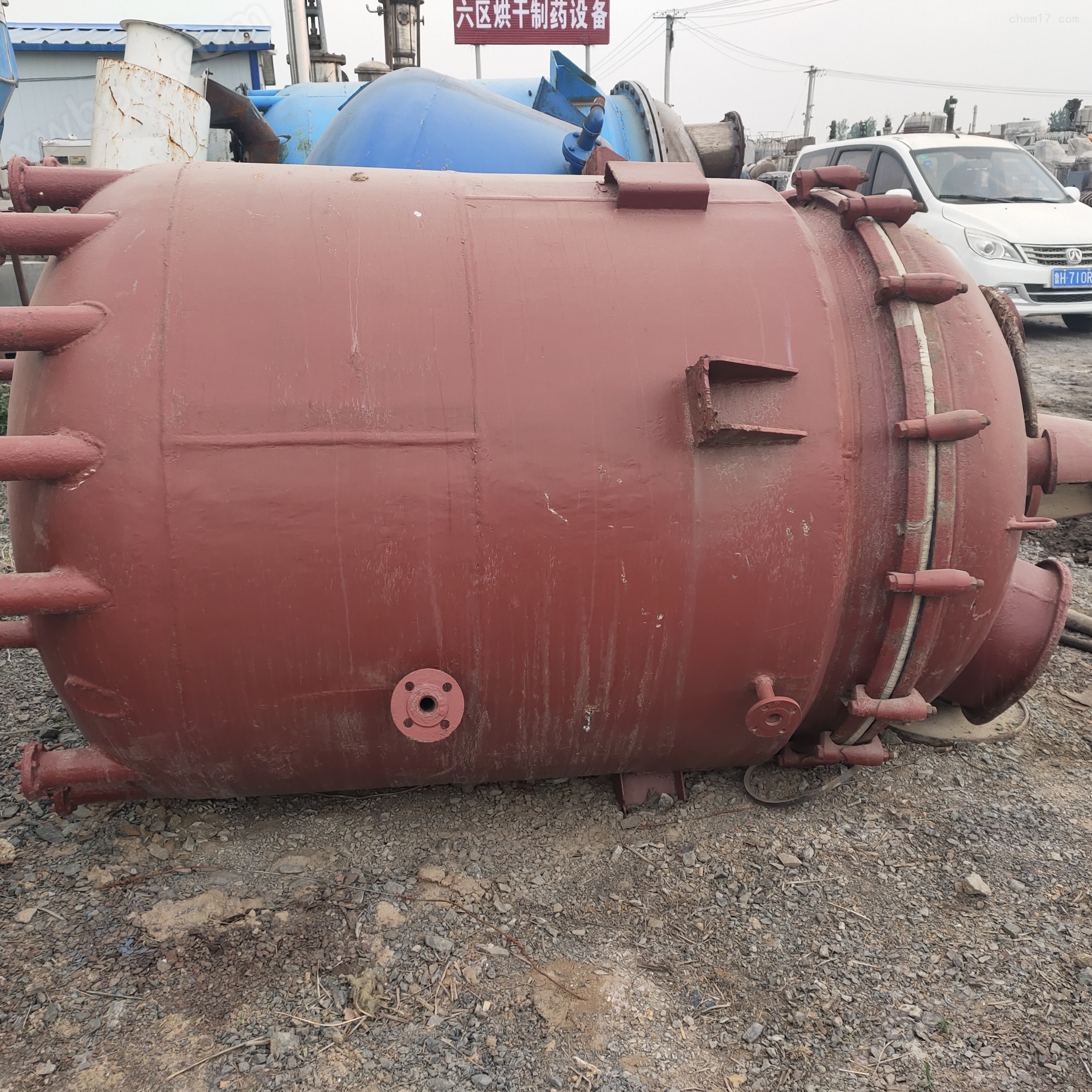
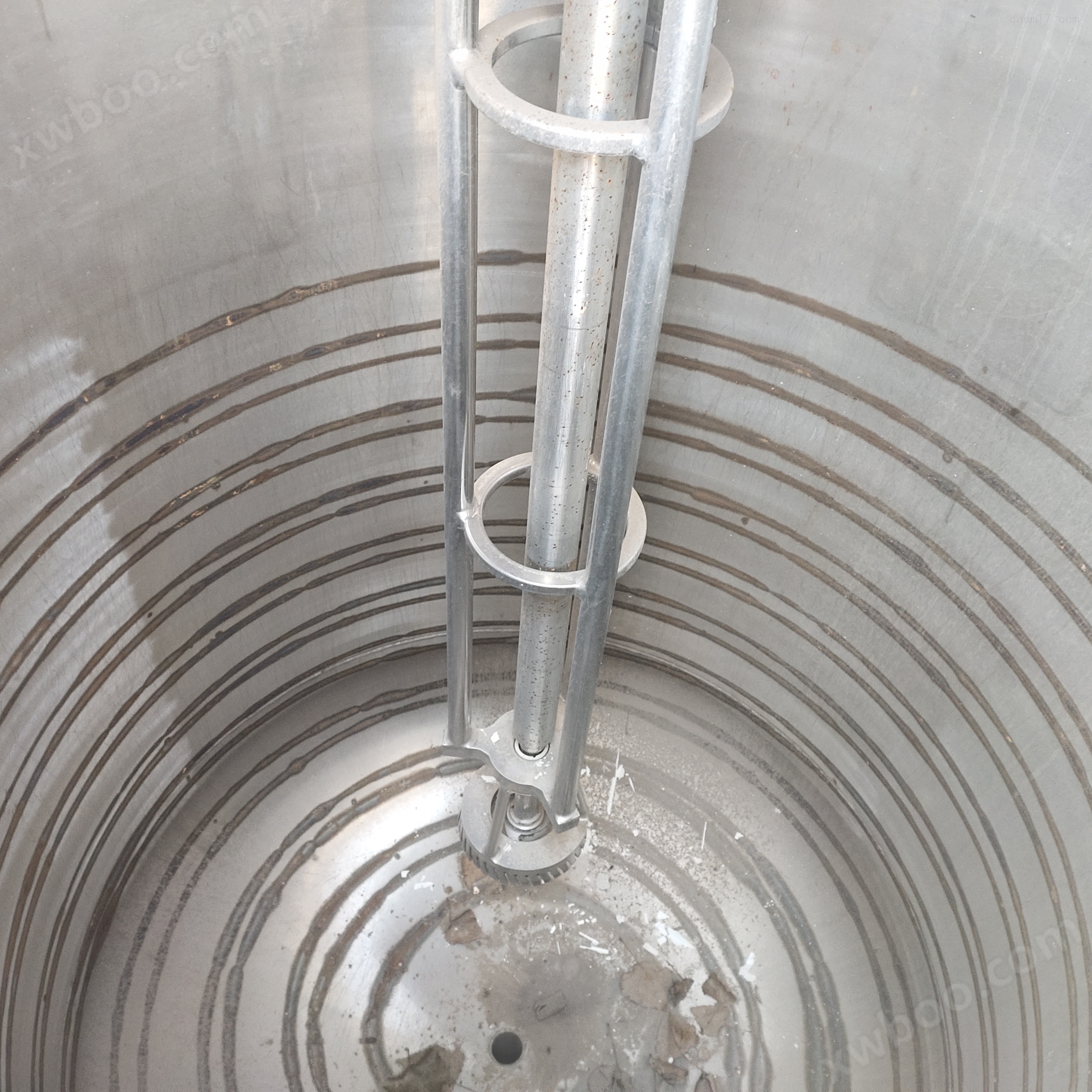
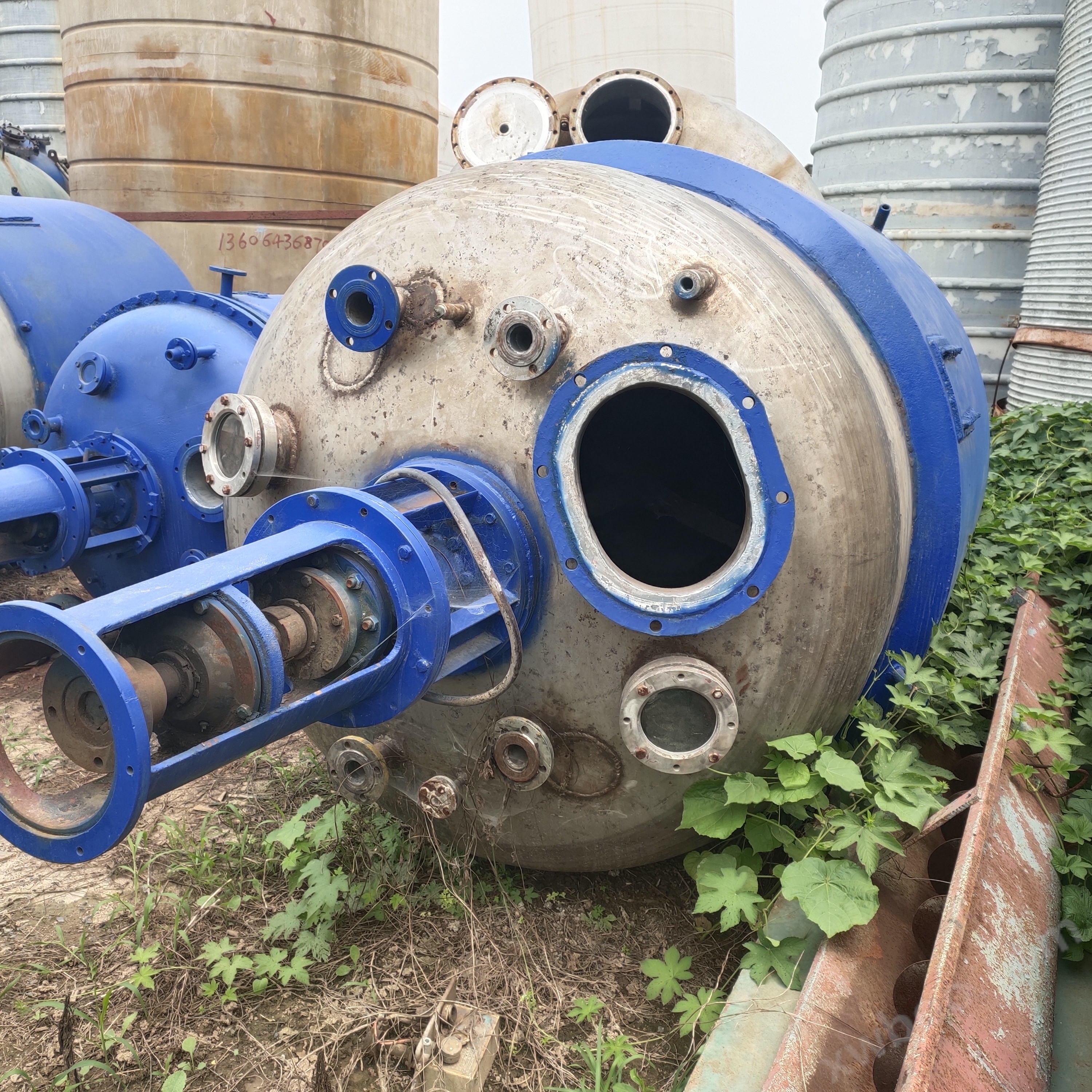
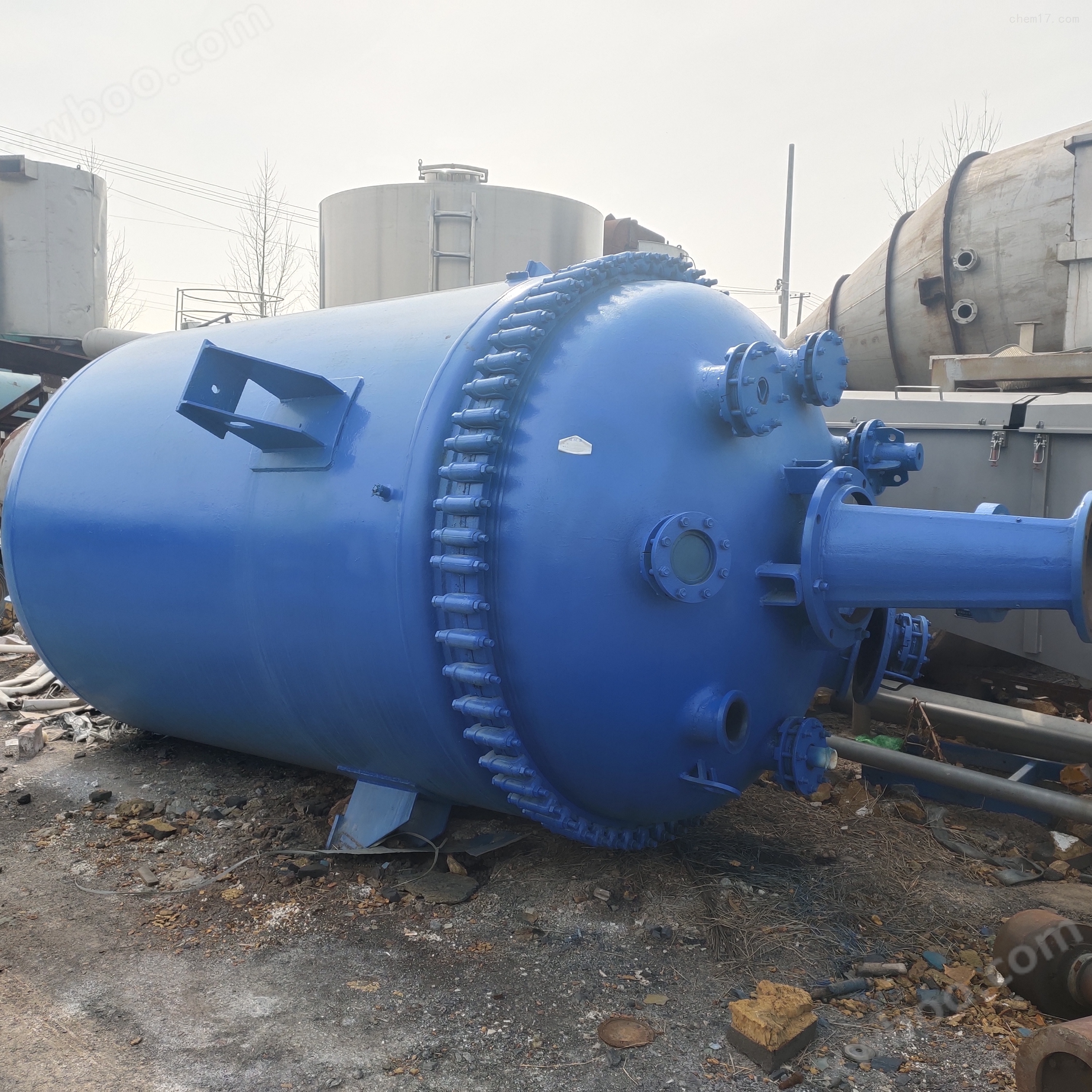
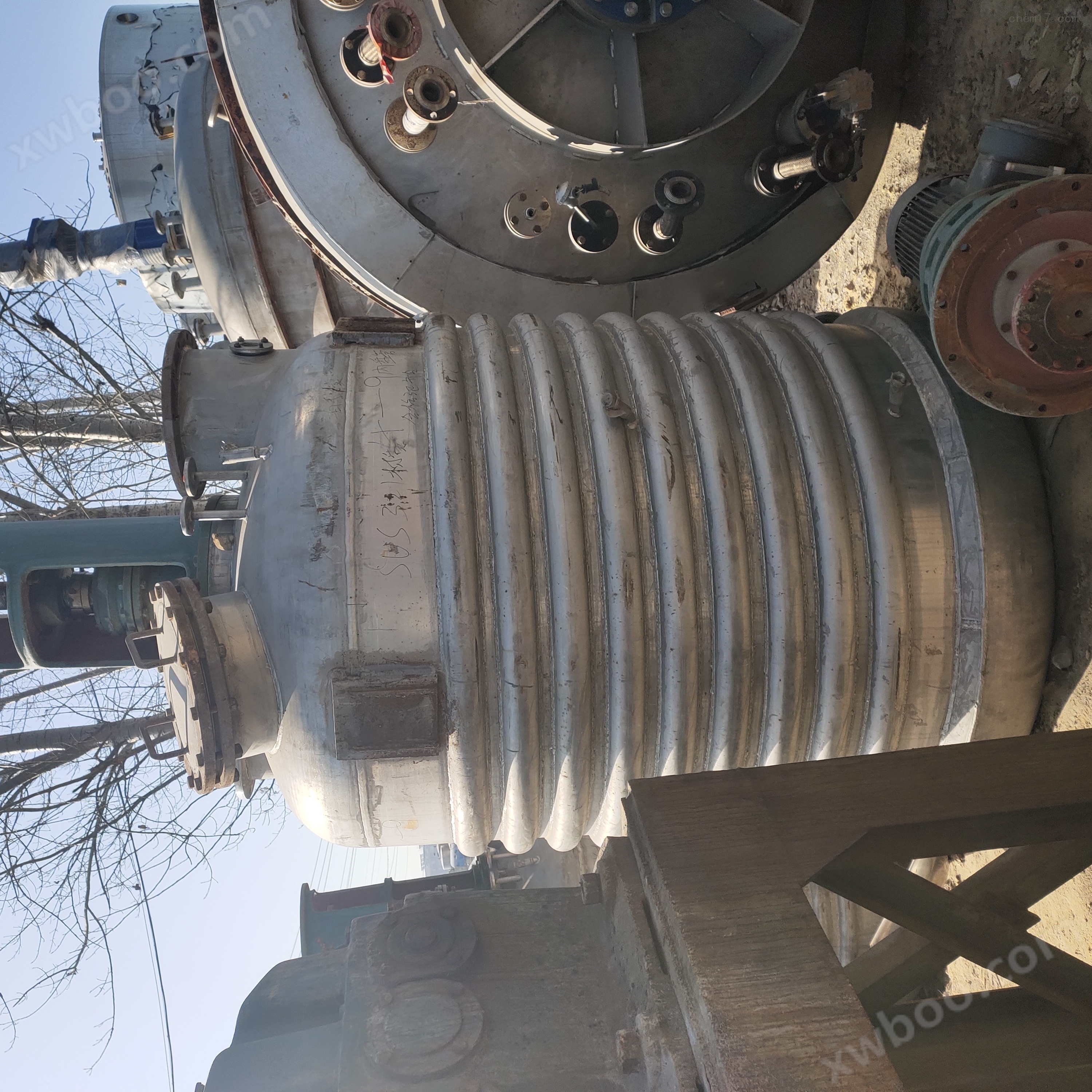
100-500 liter stainless steel enamel reaction kettle for sale
NegotiableUpdate on 01/21
- Model
- Nature of the Manufacturer
- Producers
- Product Category
- Place of Origin
Overview
100L -500L Stainless Steel Enamel Reactor for Sale $r $n Reactor: Used Enamel Reactor Used Stainless Steel Reactor Used High Pressure Reactor Used Electric Heating Reactor Used Electric Heating Stainless Steel Reactor Used 1 ton Stainless Steel Reactor Used 2 tons Stainless Steel Reactor 3 tons Stainless Steel Reactor 5 tons Stainless Steel Reactor 10 tons Stainless Steel Reactor Stainless Steel Reactor All Made of 304 Material 90% New Used Enamel Reactor Capacity: 100L 200L 500L 1000L 2000L 3000L 5000L 6300L Enamel Reactor
Product Details
100-500 liter stainless steel enamel reaction kettle for sale
Overview
Enamel reaction kettle, with two types of structures: separated and closed. The open type has a separate body and lid, connected by a cushion and clip in the middle. Generally, it has a capacity of less than 5000L; Closed type with integrated body and cover, generally with a capacity of over 5000L. These two structures each have their own advantages. Open disassembly is more convenient, and if there is a problem with the pipe opening on the can cover, it is easy to remove and repair separately. Closed disassembly has better sealing performance. Generally speaking, there are two types of open structures: flat welding butt flange connection and flat cover connection. Enamel reaction kettle is a composite material product made by lining glass containing high silica on the inner surface of a steel container and firmly adhering it to the metal surface through high-temperature burning. So, it has the dual advantages of glass stability and metal strength, making it an excellent corrosion-resistant equipment.
Cause of damage
Enamel pot is formed by spraying porcelain glaze with high silicon content onto the surface of low-carbon steel body, and then baking it at a high temperature of about 900 ℃ to make the glaze tightly adhere to the surface of the metal steel body. Due to the different mechanical and physical properties of these two materials, there are various reasons for the damage of enamel pot, generally including the following reasons:
Mechanical damage to enamel reaction kettle
Enamel has very poor impact resistance, and any metal or hard object that impacts it can cause enamel damage. Therefore, during the use of enamel pots, it is necessary to strictly prevent any metal or hard objects from falling into the pot. In case of blockage, a plastic rod must be used to clear it, and the pot cover must be covered during maintenance to prevent small pits or ceramic explosions caused by welding slag melting the ceramic surface.
The influence of working temperature on enamel reaction kettle
The enamel reaction kettle is fired at a high temperature of 900 ℃, and after cooling, the enamel is bonded to the steel plate. Due to the lower coefficient of linear expansion and elongation of enamel compared to steel plates, the deformation of enamel glass after cooling is smaller than that of steel plates, and enamel is constrained by steel plates to generate compressive stress. After the enamel kettle is made, its enamel glass has pre compressive stress, while the steel plate has pre tensile stress. Due to the correlation between prestress and coefficient of linear expansion and elongation, which are closely related to temperature, the working temperature of enamel pots has a significant impact on their use. If the stress generated by the enamel exceeds its service stress due to large temperature changes, the enamel will be damaged.
Therefore, the enamel layer of the enamel kettle undergoes rapid changes when exposed to cold or heat, making it extremely explosive. Therefore, the enamel kettle has a temperature limit of 200 ℃, a resistance to sudden temperature changes with cold shock<110~C, and a resistance to thermal shock<120 ℃. Excessive temperature difference between the material and the kettle body during feeding, as well as excessive steam during heating and rapid cooling, can also lead to porcelain explosion. Therefore, the enamel kettle should rise and fall slowly and evenly during use, and be cooled in stages..
Therefore, effective measures should be taken during transportation, storage, and installation of enamel reaction vessels to ensure the performance of the equipment. During transportation, only the can ears are allowed to be subjected to force (referring to non packaging), and rolling or using pry bars is not allowed to avoid vibration and collision. It is strictly prohibited to subject vulnerable parts such as pipe clamps and clips to force. If conditions permit, store the equipment indoors. When storing equipment outdoors, attention should be paid to covering it to avoid people knocking or objects hitting it, as well as exposure to sunlight and rain. During winter storage, special attention should be paid to checking whether the tank and thermometer sleeve are waterlogged to avoid damage due to freezing. For reaction tanks or polymerization reactors equipped with mechanical seals, the sealing parts should be protected and kept clean.
Stress explosion or damage of enamel reaction kettle
Stress explosion of ceramics is mainly caused by the significant difference in thermal expansion coefficients between the ceramic layer and the metal body. In most cases, the thermal expansion coefficient of the metal body is greater than that of the ceramic layer, which means that there is always residual stress in the ceramic layer at room temperature. The influence of factors such as thermal expansion coefficient difference, temperature, glaze layer thickness, and substrate thickness on residual stress. Theoretical calculations were conducted on the thermal residual stress of enamel glass equipment. When the compressive stress on the porcelain layer is high enough, the porcelain layer will peel off.
Therefore, when designing porcelain glaze, the thermal expansion coefficient of the glaze should be as close as possible to that of the substrate, while improving the adhesion between the substrate and the porcelain layer. The adhesion of porcelain glaze is directly related to its ability to wet metals. The stronger the wettability of porcelain glaze melt and glaze slurry on metals, the more favorable it is for the mutual attraction of interfaces during spraying and firing, accelerating chemical reactions to form chemical bonds and enhancing adhesion. In addition, the porcelain layer is usually uneven and generally contains inclusions, which is a characteristic of the enamel coating process. Due to the fact that the glaze slurry is mixed with melt grinding and enamel additives, and the final firing is limited by time, this hinders the homogenization of the glass body. Generally speaking, these added particles and bubbles are the cause of stress and cracks in the porcelain layer. Even if the strength of the enamel decreases, it can lead to various defects.
During the processing of the kettle body, a large amount of internal stress is generated due to rolling, stamping, and welding, which should be eliminated before enamel coating. Failure to eliminate these stresses can lead to enamel explosion. This type of damage often occurs in the first three months after being put into use. So heat treatment or aging treatment of the embryo can prevent certain stress from bursting the porcelain. Enamel has a hard and brittle surface, low mechanical strength, and a relatively high surface hardness. It will break under the action of impact force. During the transportation and installation of equipment, the enamel surface often experiences delamination, causing corrosion of the tank body and rendering it unusable.
Enamel reaction kettle electrostatic puncture
Mixing a liquid with suspended solids in an enamel pot results in strong friction between the suspended solids and the enamel, as well as friction between the suspended solids themselves. This generates a large amount of static charges, which have a strong piercing effect on the enamel, leading to enamel pitting corrosion. Therefore, the stirring speed should not be too fast.
Enamel reaction kettle hydrogen evolution corrosion
Hydrogen evolution corrosion is a common cause of porcelain explosion, also known as scale explosion phenomenon. There are many factors that can cause scale explosion, including the surface and internal quality of the steel billet, the composition and uniformity of the porcelain glaze, and the enamel firing process, such as the concentration of degreasing sulfuric acid, acid washing time, enamel firing temperature and time. In addition, the phenomenon of scale explosion is strongly influenced by seasonality.
The formation of scale explosion is mainly caused by the absorption, diffusion, aggregation, and overflow of hydrogen in the steel plate. According to foreign measurements, the pressure of gaseous hydrogen precipitated from the metal substrate during scale explosion can reach up to 11MPa. When the metal substrate of enamel equipment is fired, the steel is in an austenitic state and has solubility for hydrogen. It can absorb a large amount of hydrogen generated during the firing process. During the cooling process of steel, there is a phase transition from austenite to ferrite, which greatly reduces the ability of the metal matrix to dissolve hydrogen. Hydrogen precipitated from the steel accumulates at the interface between the steel billet and the enamel layer, as well as at the defect sites inside the steel. As time goes on, the concentration of hydrogen increases and the pressure increases. When the pressure exceeds the mechanical strength of the ceramic layer, the ceramic layer will produce scale explosion. From the analysis of the scale explosion process, it can be seen that the microstructure of the enamel steel plate is the internal factor that determines whether the porcelain explosion occurs, and external factors only play a role in promoting changes in the internal factor. These microstructures include macroscopic structures such as bubbles, shrinkage cavities, cracks, etc., as well as microscopic structures such as grain size, shape, size, and distribution of cementite. Wait. The corrosion damage of enamel equipment is mostly caused by varying degrees of scale explosion and porcelain detachment of the enamel layer on the surface of the weld, as the metallographic structure of the weld metal is ferrite and pearlite. There are defects such as bubbles, shrinkage cavities, and cracks at the welding site, which have a strong absorption effect on hydrogen. So it is advisable to avoid hot processing of the billet as much as possible. In addition, to prevent scale explosions, it is necessary to reduce the sources of hydrogen or provide a space for hydrogen to gather. When fired at high temperatures of 800-900 ℃, the water in the porcelain glaze reacts with the metal Fe as follows: Fe+H2The effect of O → FeO+2H on the hydrogen content of steel billets is significant, which is a serious factor in hydrogen evolution in steel plates. Therefore, during product firing, it is necessary to minimize the moisture content in the glaze, the adsorbed moisture on the surface of the steel billet, and the moisture in the firing environment as much as possible, in order to reduce hydrogen production.
In addition, the jacket of the enamel kettle will scale and rust after a period of use. If acidic descaling agents are used to remove the dirt or the coolant in the jacket is acidic, it will cause hydrogen evolution corrosion of the metal (Fe+2HCl=FeCl)2+H2Part of the H atoms diffuse into the holes inside the metal, and due to the density of the enamel, these H atoms cannot diffuse outward anymore. Therefore, when H accumulates to a certain degree and forms a certain dynamic force, the enamel will break. Therefore, when cleaning scaling with acid washing, buffering agents must be added. If the enamel kettle is of high value or difficult to replace, or if corrosive perforation occurs, high-quality cleaning agents with low corrosion rates must be used to avoid serious consequences caused by improper cleaning operations.
The base material of the enamel reaction kettle is unqualified
In order to reduce costs, some manufacturers use Q235 steel as a substitute for the embryo body, which directly causes carbon and sulfur in the steel to vaporize during the enamel firing process, resulting in the formation of a large number of bubbles between the enamel layer and the substrate, as well as inside the enamel layer, leading to a decrease in the bonding strength of the enamel. The enamel layer is highly explosive when subjected to sudden changes in temperature. So the enamel kettle uses steel with low carbon and sulfur content as the embryo to prevent porcelain explosion.
Poor enamel firing quality of enamel reaction kettle
Some enamel kettle manufacturers have simple production environments and fail to meet the standards for rust removal and dust prevention, resulting in poor bonding between the base glaze and the substrate. Some reduce the number of enamel firing cycles and increase the thickness of each layer, causing excessive internal force and affecting the service life of the enamel kettle. Therefore, strict adherence to manufacturing procedures is necessary to ensure the quality of the enamel kettle.


100-500 liter stainless steel enamel reaction kettle for sale
Second hand chemical equipment Pharmaceutical equipment Starch equipment Flour equipment Drying equipment Feed equipment Dairy equipment Beverage equipment Food equipment Oil and grease equipment Alcohol equipment Environmental protection equipment Biomass pellet equipment Plastic environmental protection equipment Biological fermentation equipment Centrifuge. reaction kettle. evaporator Extraction tank Fermentation tank. Drying machine Filter press. Laboratory equipment. Fiberglass storage tank Stainless steel storage tank Recycling Demolition and sale of second-hand drum dryers, second-hand stainless steel reaction vessels, second-hand stainless steel condensers, second-hand stainless steel storage tanks, second-hand centrifuges, second-hand filter presses, second-hand mixing tanks, and other second-hand chemical equipment, second-hand beverage equipment, second-hand environmental protection equipment, second-hand pharmaceutical equipment, second-hand food equipment, second-hand drying equipment, second-hand granulation equipment, sewage treatment equipment, sludge treatment equipment, complete models
Similar Product Recommend