-
E-mail
760175302@qq.com
-
Phone
15163622234
-
Address
Weicheng District, Weifang City
Product Categories
Shandong Quanwei Environmental Protection Water Treatment Equipment Co., Ltd
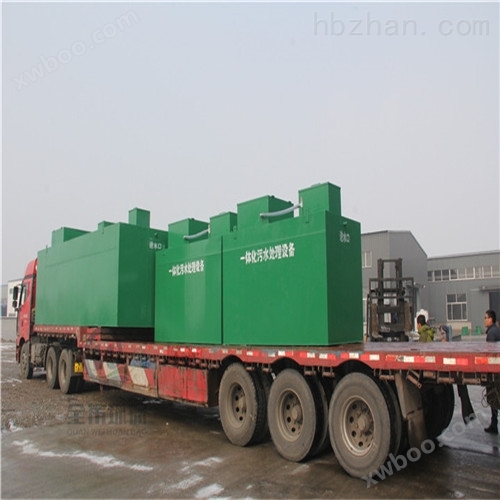
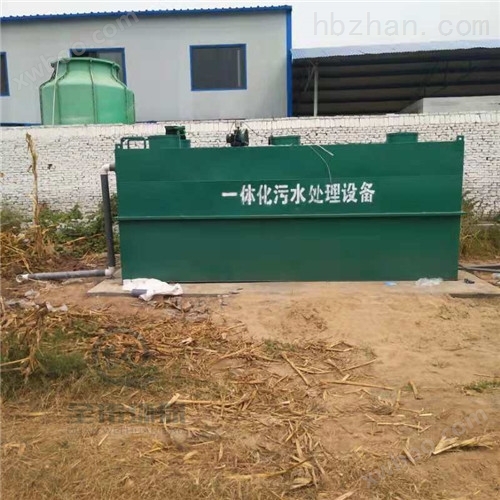
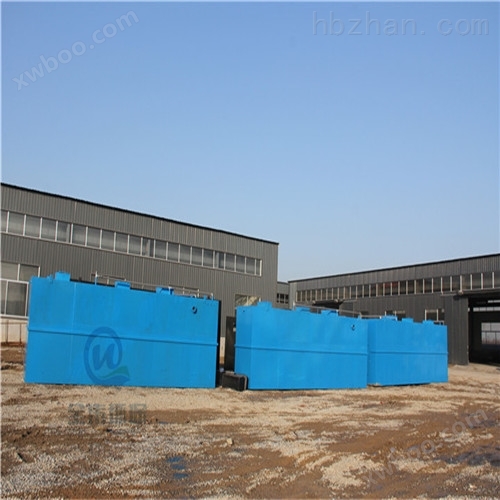
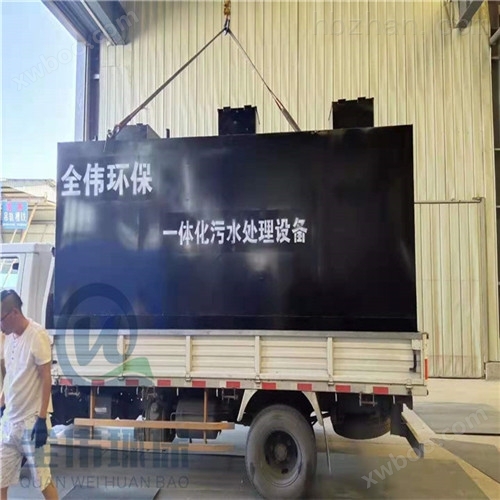
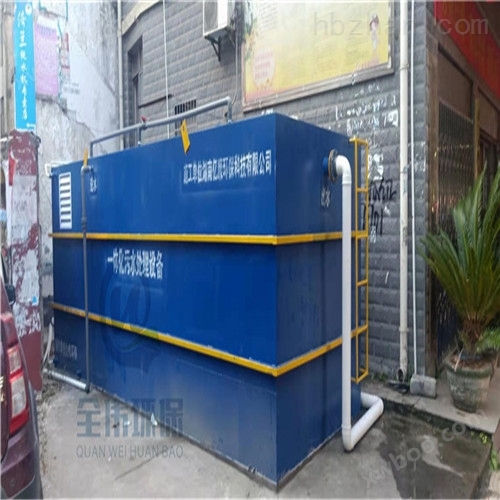
The technology of Shangrao integrated sewage treatment equipment is mature
NegotiableUpdate on 01/21
- Model
- Nature of the Manufacturer
- Producers
- Product Category
- Place of Origin
Overview
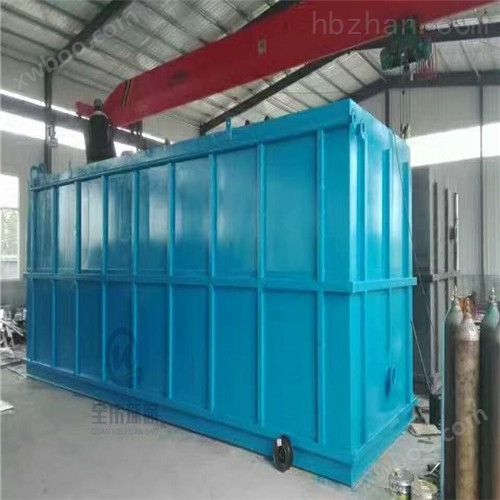
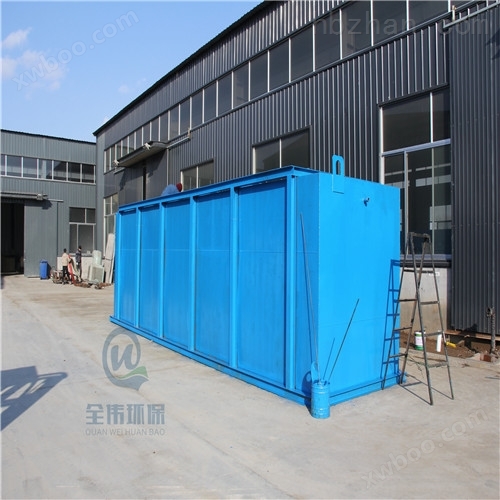
The technology of Shangrao integrated sewage treatment equipment is mature, and the sedimentation tank includes five parts: inlet zone, sedimentation zone, buffer zone, sludge zone, and outlet zone. The function of the inlet and outlet zones is to ensure uniform flow of water through the sedimentation tank, avoiding short flow and reducing the adverse effects of turbulence on sedimentation and cattle production. Sedimentation tank is a treatment structure that uses gravity settling to remove suspended particles with a higher density than water from water. It is one of the widely used treatment units in wastewater treatment, which can be used for wastewater treatment, post-treatment of biological treatment, and deep treatment.
Product Details
The technology of Shangrao integrated sewage treatment equipment is mature-Shandong Quanwei Environmental Protection Water Treatment Equipment Co., Ltd
Sedimentation tank is a treatment structure that uses gravity settling to remove suspended particles with a higher density than water from water. It is one of the widely used treatment units in wastewater treatment, which can be used for wastewater treatment, post-treatment of biological treatment, and deep treatment. The sedimentation tank consists of five parts: inlet zone, sedimentation zone, buffer zone, sludge zone, and outlet zone. The function of the inlet and outlet zones is to ensure uniform flow of water through the sedimentation tank, avoiding the adverse effects of short flow and reducing turbulence on sedimentation and cattle production, while reducing stagnant water areas and improving the capacity utilization of the sedimentation tank; The sedimentation zone, also known as the clarification zone, refers to the working area of the sedimentation tank, which is sufficient for separating sediment particles from wastewater; The sludge area is the area where sludge is stored, concentrated, and discharged; The buffer zone is a water layer area that separates the sedimentation zone and the sludge zone, ensuring that particles that have already settled do not float again due to water flow agitation. Due to the high efficiency and wide range of air volume regulation of single-stage centrifugal blowers, the energy consumption of aeration in general biological tanks accounts for more than 50% of the total water treatment unit consumption. Low maintenance volume and low noise, commonly used in small and medium-sized processing plants. Multi stage centrifugal blowers have low efficiency and narrow air volume adjustment range, but due to their lower price, membrane element air scrubbing blowers with relatively fixed air flow requirements are commonly used. Regardless of the type of blower, it has its adaptability, advantages, and disadvantages, which need to be analyzed and selected differently, but all should have adjustability. For example, in terms of aeration valves, linear air regulating valves have a curve that approximates a straight line due to changes in gas flow rate and valve opening.
The technology of Shangrao integrated sewage treatment equipment is mature-Shandong Quanwei Environmental Protection Water Treatment Equipment Co., Ltd
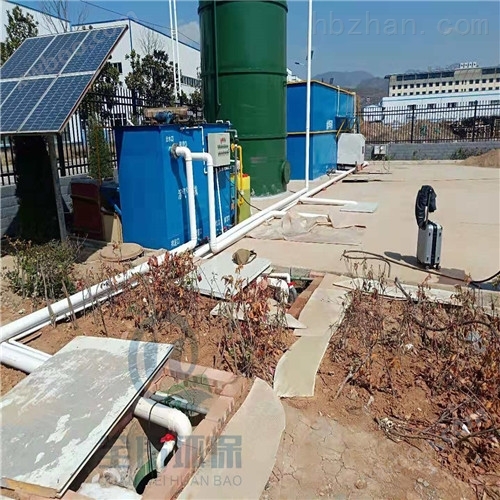
The water-saving effect is very significant in some large water treatment systems. Secondly, the cost of this system is relatively low, and the requirements for the water quality of the system's inlet are relatively low, making it easy to promote (and competitive in some water treatment projects of enterprises or factories that require high recovery rates but cannot invest a lot of funds). What types of water pumps are needed in water treatment system engineering? How to choose water pumps from different manufacturers? Answer: Generally, ordinary pumps, booster pumps, and corrosion-resistant pumps are required in water treatment system engineering. Ordinary pumps generally use IS type cast iron water pumps; Generally, stainless steel water pumps such as the Danish Granff imported high-pressure pump are used for booster water pumps (depending on the specific situation); Anti corrosion water pumps generally use IH chemical pumps or engineering plastic water pumps. The models of water pumps from different manufacturers vary. Firstly, select the flow rate of the water pump according to the process requirements of the system; Secondly, select the head of the water pump according to the process requirements (1 kilogram is approximately equal to a head of 10 meters, and 1 MPa is approximately equal to 10 kilograms); Select the material of the water pump again according to the process requirements (mainly referring to the material of the pump head); Afterwards, select the ones that can meet the process requirements and save system energy consumption based on the power consumption of various water pumps. In the design of oxidation ponds and artificial wetlands for treating aquaculture wastewater, it is generally based on the data of oxidation ponds or artificial wetlands for treating other types of wastewater, or designed arbitrarily. However, for livestock and poultry breeding wastewater, there is still a lack of in-depth research and standardization on how much area is needed for oxidation ponds and artificial wetlands to meet the standards, and the impact of seasonal temperature changes on the effectiveness of natural treatment systems. The sludge is returned from the sedimentation tank, which ensures the stable operation of the reflection system, maintains a high organic matter removal rate, effectively prevents sludge expansion, and discharges physical and biochemical residual sludge into the sludge concentration tank. The clear liquid on the concentration tank flows into the regulating tank, and the concentrated sludge is pumped into the sludge filter press for dewatering treatment. Quanwei Environmental Protection Commitment 1. Raw Materials: We insist on using various types of steel produced by large steel mills, whose quality and mechanical properties meet the standards, which can better ensure the quality and performance of the products. 2. Service: With a comprehensive service system and professional service personnel, we provide customers with fast and efficient services.
During this process, measure various water quality indicators and control parameters daily. When the SV% reaches 10% or more, the cultivation of activated sludge is considered successful. The cultivation method of reciprocating circulation in four stages, including aeration, sedimentation, and removal of supernatant, is a cultivation method that cannot meet continuous operation due to small water inflow. Its characteristics are long microbial accumulation cycle, long domestication time, and large operational workload. The specific operation method is to simultaneously turn on the inlet pump, grid machine, and sedimentation tank. After the biological tank is filled with water, aeration begins while stopping the inflow. The biological tank is measured regularly, and aeration is stopped when COD and SS are significantly lower than the inflow. After settling for 2 hours, inflow is resumed while removing the supernatant. COD and other indicators can generally meet the design requirements. Intermittent cultivation of activated sludge: Intermittent cultivation is based on the measurement and completion of water quality indicators and control parameters of the effluent BODSS at the time of inflow, as well as the indicators of continuous cultivation. Comparison between conventional activated sludge process, oxidation ditch, and SBR process. This will lead to severe membrane fouling and reduce methane production. When the temperature drops to 20 ℃, the solubility of methane in the effluent also increases. In addition, the viscosity of water also increases with decreasing temperature, which requires more energy to be used for stirring the water.
Similar Product Recommend