-
E-mail
1154374272@qq.com
-
Phone
13564046696
-
Address
No. 4-2-1, Unit 3, Building 4, Vanke Jinshang, Vanke 023 Creative World, No. 27, Arhat Valley, Jiulongpo District, Chongqing
Product Categories
Chongqing Solia Electrical Equipment Co., Ltd
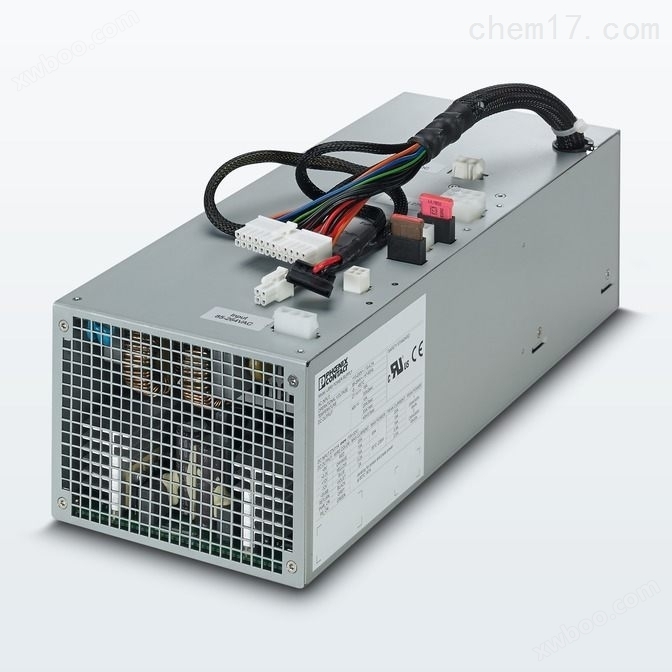

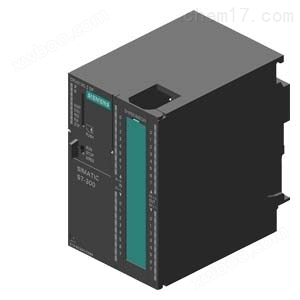
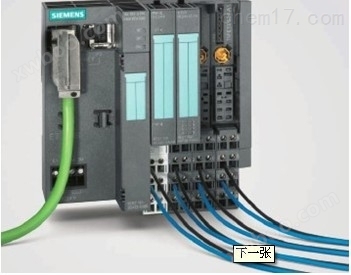
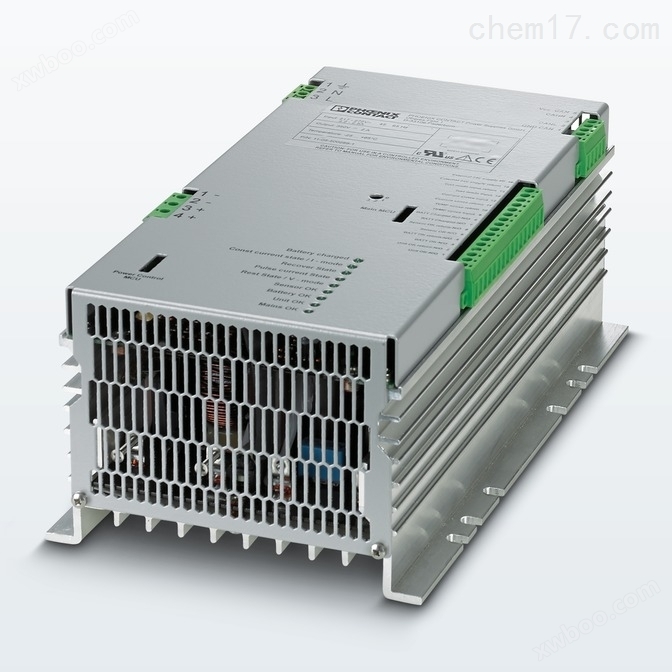
Siemens power module 6ES7505-0RA00-0AB0
NegotiableUpdate on 01/23
- Model
- Nature of the Manufacturer
- Producers
- Product Category
- Place of Origin
Overview
Siemens power module 6ES7505-0RA00-0AB0 $r $n In the current field of starting control, soft starters still have great advantages. So, what are the advantages of frequency converters compared to them? High starting torque and high power factor. Because the power factor of an electric motor is related to its operating frequency, the power factor under power frequency power supply is much lower than that under low-frequency power supply when the motor is running at low speed.
Product Details
Siemens power module 6ES7505-0RA00-0AB0
Siemens power module 6ES7505-0RA00-0AB0
|
6ES7505-0RA00-0AB0
SIMATIC S7-1500, System power supply PS 60W 24/48/60V DC, providing operating voltage for the S7-1500 backplane bus
| |||||||||||||||||||||||||||||||

The frequency converter can control the motor to start from low frequency and maintain a relatively high power factor and output torque close to the rated torque throughout the entire starting process under conditions close to the rated current. Under light or no-load conditions, or when measures such as load reduction and unloading are taken during startup, the capacity of the frequency converter can be smaller than that of the motor.

Of course, after the startup is completed, the frequency converter needs to be shut down. The starting current is small. The allowable starting time for the frequency converter motor drive system can be very long. Because during this period, the motor current can not exceed the rated current of the motor, so neither the frequency converter motor nor other components generate abnormal heat. Due to the small starting current, the required distribution capacity is also small among all starting methods. Electric motors controlled by frequency converters have good dynamic and static performance. Since the frequency converter itself is a device used for motor speed regulation, controlling the speed of the motor is its basic function. The starting process can be controlled arbitrarily, and theoretically, any starting speed curve can be set arbitrarily, which is an advantage that other methods do not have.

Why does the frequency converter cause interference. Firstly, everyone should know that frequency converters are used to change the frequency. A frequency converter includes a rectifier circuit and an inverter circuit. The input AC power is converted into DC voltage through the rectifier circuit and the smoothing circuit, and then converted into pulse voltages of different widths through the inverter, which is called pulse width modulation voltage, PWM)。 By driving the motor with this PWM voltage, the purpose of adjusting the motor torque and speed can be achieved. This working principle can cause the following three types of electromagnetic interference: harmonic interference. The rectifier circuit will generate harmonic currents, which cause voltage drops in the impedance of the power supply system, resulting in voltage waveform distortion. This distorted voltage can cause interference to many instruments, and the common voltage distortion is the flattening of the top of the sine wave.

When using a frequency converter to drive multiple motors to start, even if there is a significant difference in the capacity of the motors being driven, it will not affect their starting performance. After the start-up is completed, a power supply switching process is required for the electric motor, from the frequency converter to the power grid. During the entire process, there may be safety current surges such as in the frequency converter. Issues such as changes in rotational speed. In short, there is a switching problem, and soft switching refers to safe and smooth switching. There are still some disadvantages of frequency converters that cannot be overcome for a period of time. Only after overcoming these disadvantages can frequency converters have the possibility of replacing soft starters. Alarm parameter check method: A certain frequency converter has a fault and cannot operate, and the LED displays the abbreviation "UV" undervoltage. The alarm in the manual is for DC bus undervoltage.