-
E-mail
419027962@qq.com
-
Phone
18366752565
-
Address
Shandong Jining Liangshan
Product Categories
Kunte (Liangshan) Industrial Equipment Co., Ltd
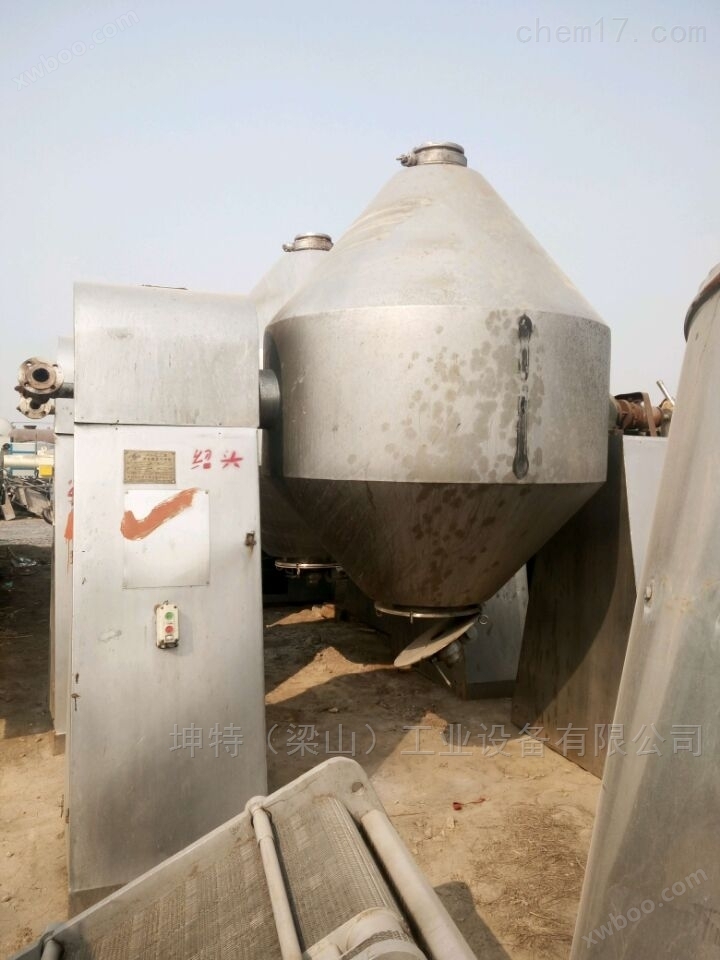
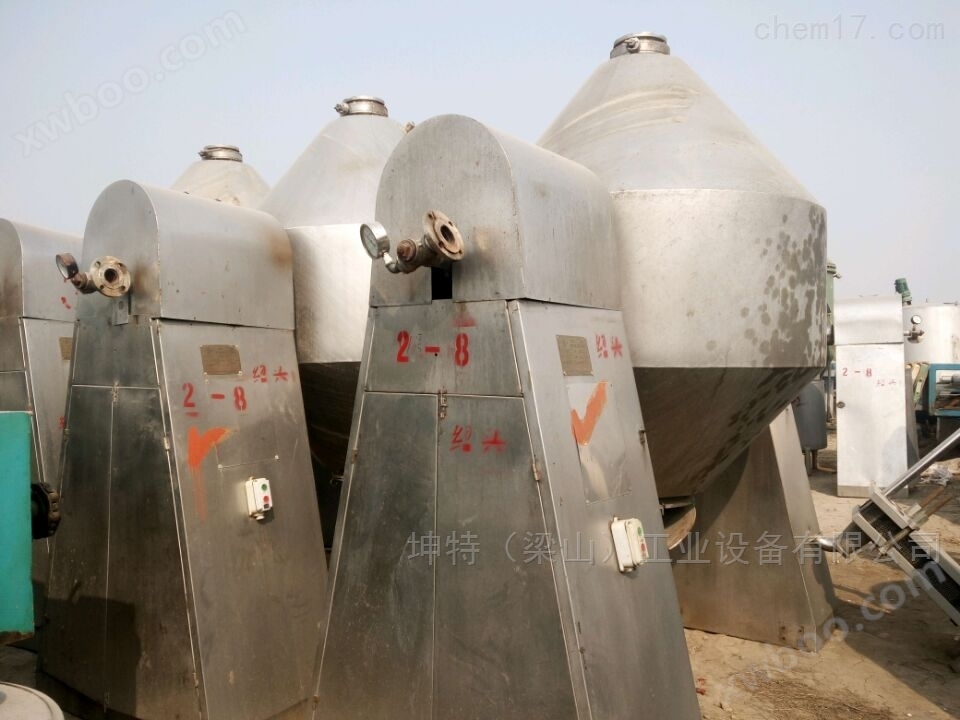
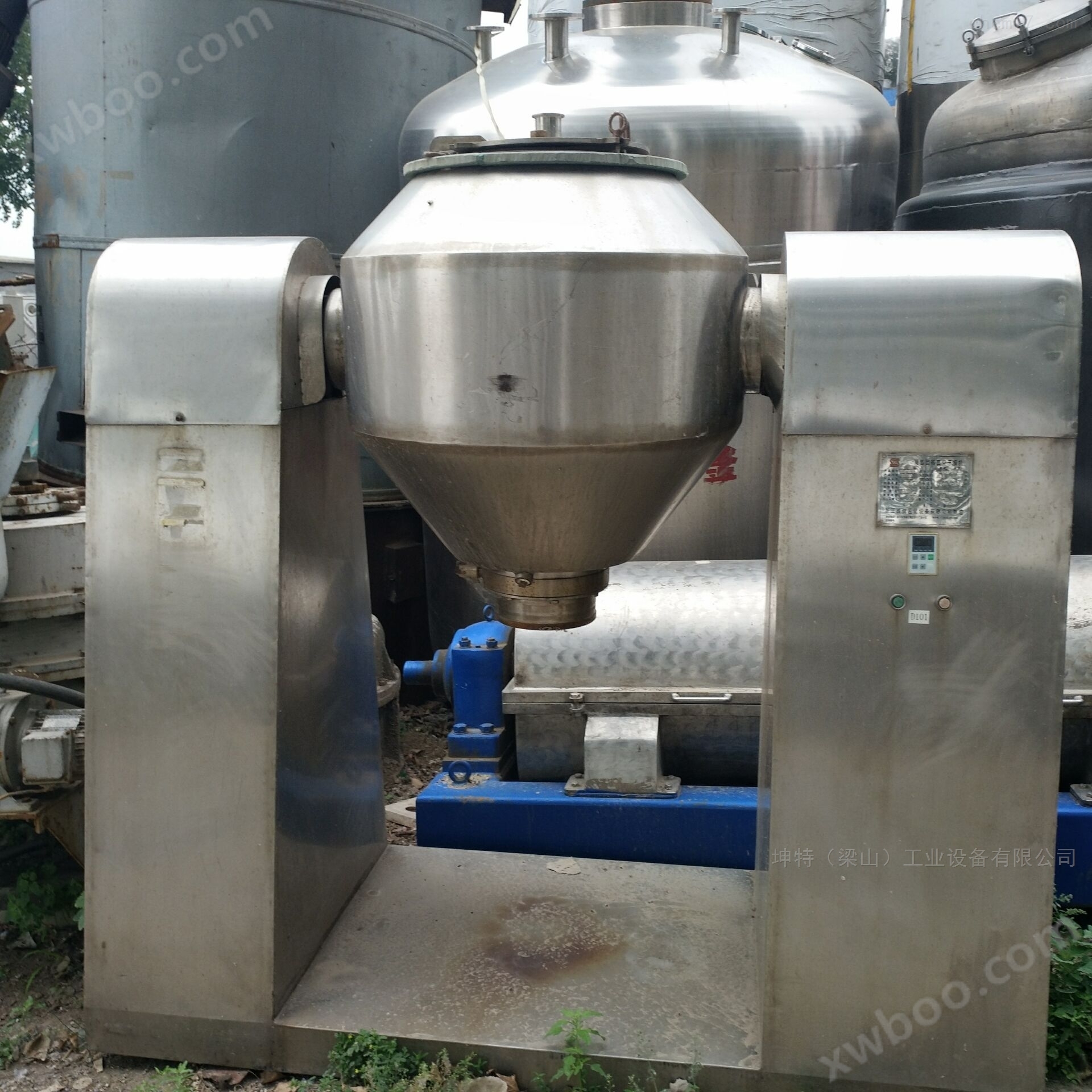
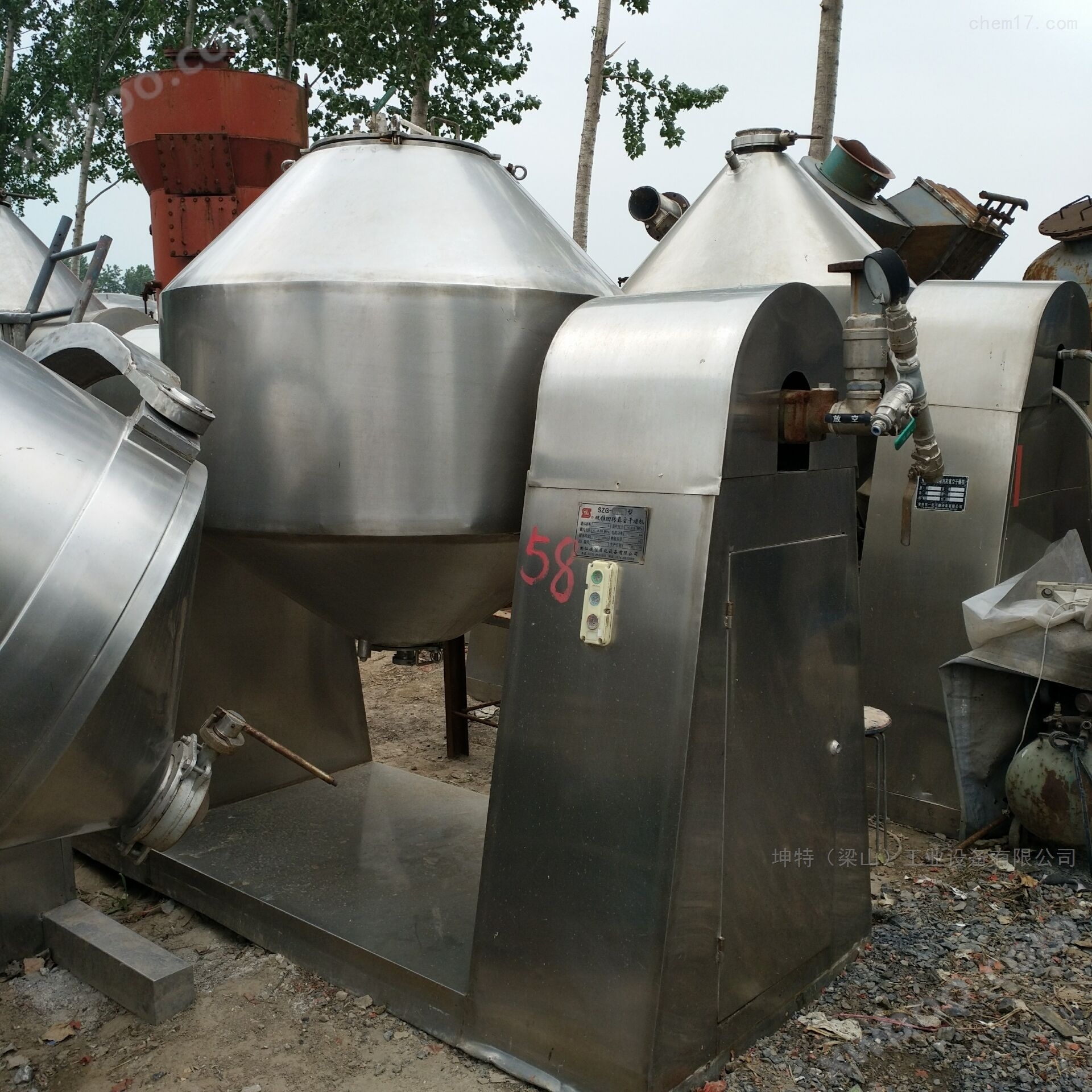
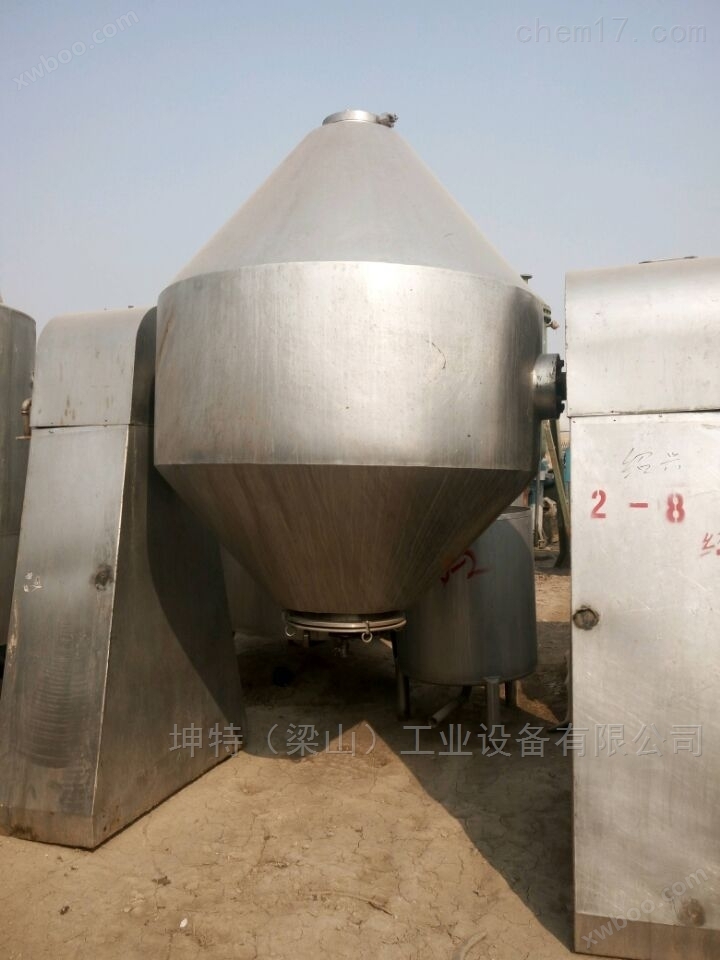
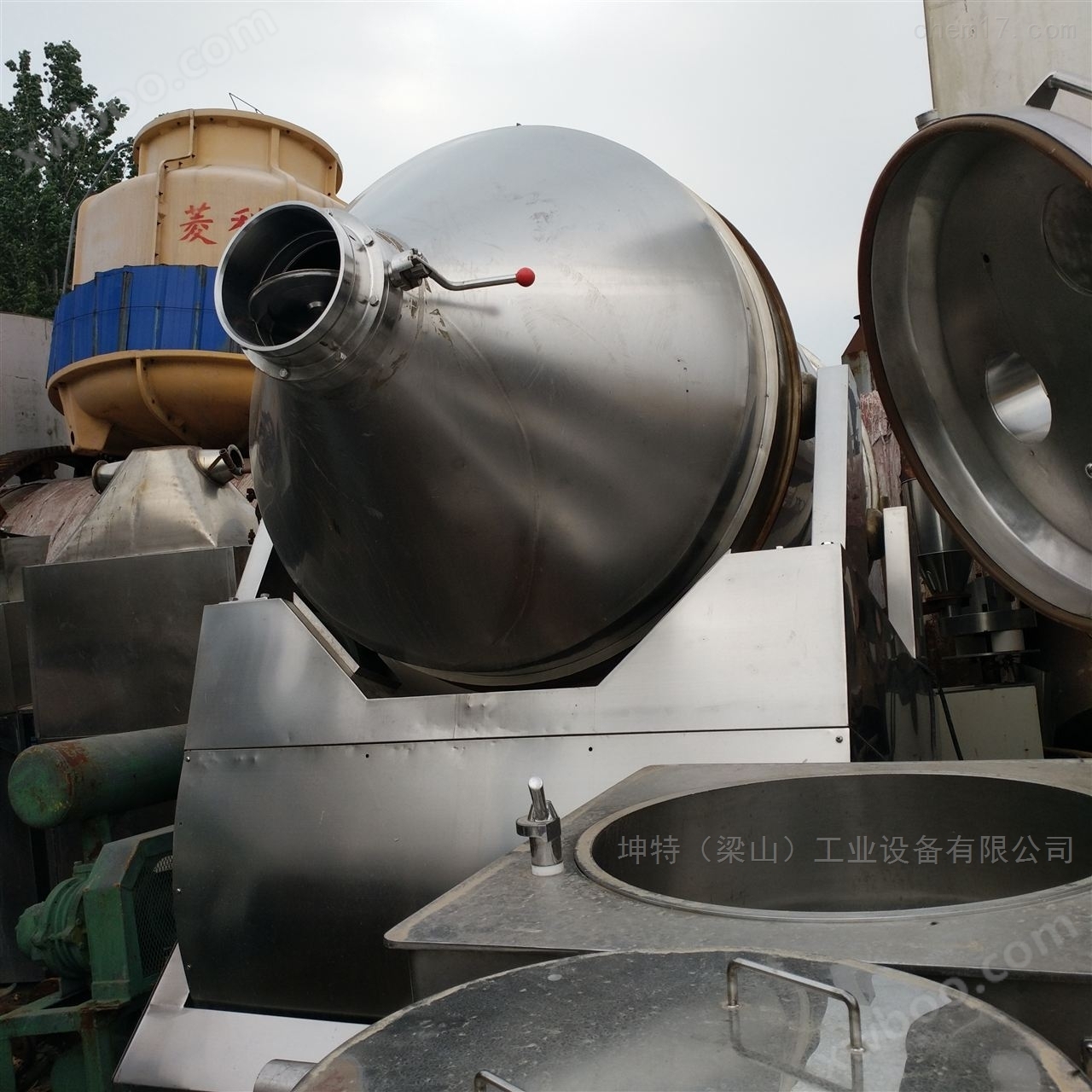
Second hand stainless steel double cone rotary vacuum dryer
NegotiableUpdate on 01/22
- Model
- Nature of the Manufacturer
- Producers
- Product Category
- Place of Origin
Overview
Second hand stainless steel double cone rotary vacuum dryer Kunte (Liangshan) Industrial Equipment Co., Ltd. specializes in second-hand chemical equipment, pharmaceutical equipment, starch equipment, flour equipment, drying equipment, agricultural equipment, feed equipment, dairy equipment, beverage equipment, food equipment, oil and fat equipment, alcohol equipment, environmental protection equipment, biomass pellet machine equipment, laboratory equipment, plastic environmental protection equipment, biomass fermentation equipment, centrifuges, reaction kettles, evaporators, extraction tanks. Seed tank, fermentation tank, dryer, filter press, fiberglass tank, stainless steel storage tank,
Product Details
Second hand stainless steel double cone rotary vacuum dryer

1) The viscosity of the material. The viscosity of the material varies with its moisture content, which can cause the material to aggregate into blocks and adhere to the cylinder. After drying, it is easy to adhere to the dust collector and pipe wall. Pneumatic vibration and crushing devices can be used.
Moreover, during multi process deep drawing, since the fillet radius of the edge pressing ring in the subsequent process should be equal to the fillet radius of the punch in the previous process, when it is too small, the resistance of the blank along the edge pressing ring will increase in the subsequent deep drawing process, which is unfavorable for deep drawing. Therefore, the fillet radius of the convex mold cannot be too small. If the fillet radius of the convex mold is used, it will cause the material to not align with the surface of the convex mold during the early stage of deep drawing, leading to thinning and internal wrinkles at the bottom, as shown in Figure 4.6.8.
2) The allowable temperature of the material. The allowable temperature is the temperature that the material can withstand. Beyond this temperature, the potency of the material will change, decompose, or discolor.
3) Bulk density of materials The material per unit volume is called bulk density. Due to the fact that the material is a mixture of dry and wet materials, dry materials are often in the form of particles, powders, or solid blocks, and the gaps between dry material particles vary with the moisture content in the material. There is a significant difference in bulk density between raw wet materials and dry materials, and attention should be paid when choosing a dryer.
For example, when I suddenly say to you, 'It's okay not to have hamburgers at noon, McDonald's is not good.' Everyone understands what this sentence means, but machines find it difficult to understand. It can recognize every word correctly, but still cannot 'understand'. For example, the iron should not be touched when it is turned on, and hands that have been wet should not touch the electricity. We all know these things without mentioning them.
4) When stacking granular or powdered materials, when the angle between the inclined surface of the material pile and the bottom surface increases to a certain angle, the phenomenon of lateral material sliding down will occur. The angle between the inclined surface where the material slides and the bottom surface is called the sliding angle of the material. The slip angle is related to material composition, moisture content, particle size, and viscosity. When choosing a double cone dryer, you can refer to the slip angle of the material and select the angle size of the cone
Second hand stainless steel double cone rotary vacuum dryer
Of course, for operators of shared agricultural machinery, they also need to account for it. At the same time, the major pain points of agricultural machinery and agriculture that urgently need to be addressed in agricultural machinery projects are: 1. Low utilization rate of individual agricultural machinery and massive waste of resources. Taking wheat machines as an example: the annual utilization rate is less than one month. 2. Some agricultural machinery has a low yield and still relies on manual harvesting.
Similar Product Recommend