-
E-mail
874810998@qq.com
-
Phone
18366738999
-
Address
Liulijing, Quanpu Town, Liangshan County, Jining City
Product Categories
Liangshan Jiyoupin Machinery Equipment Co., Ltd
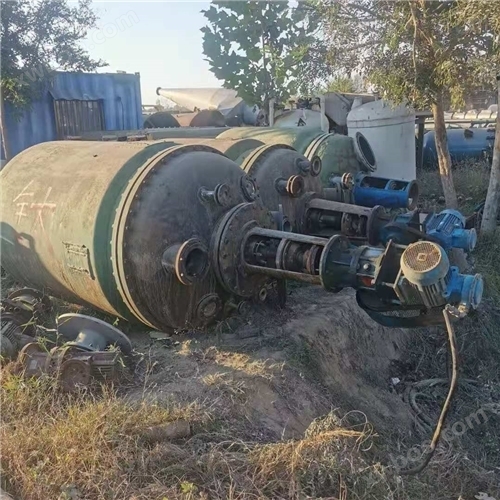
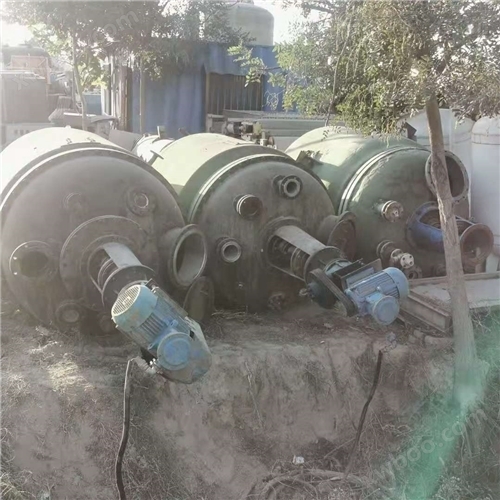
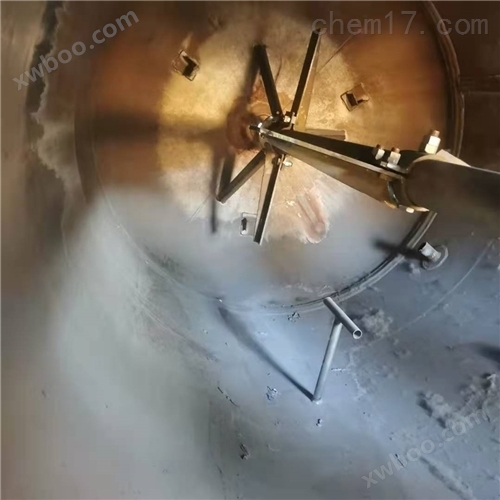
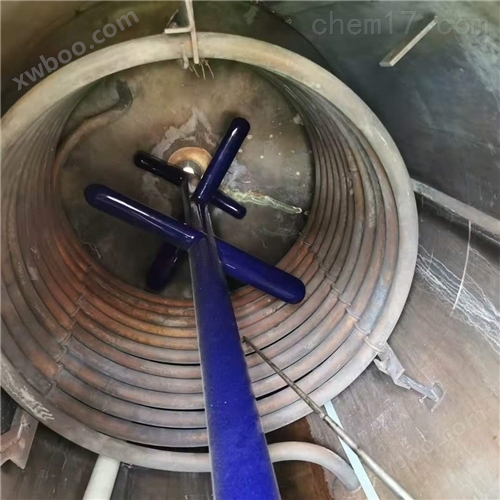
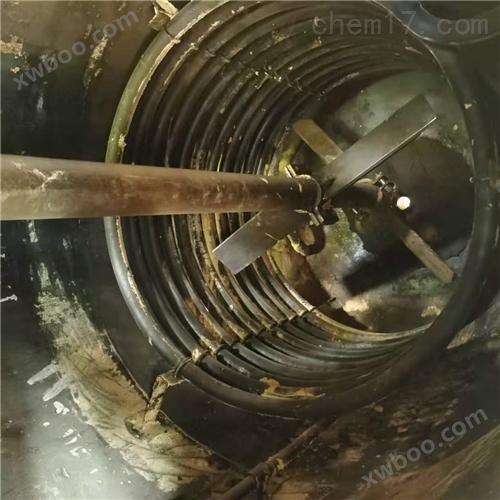
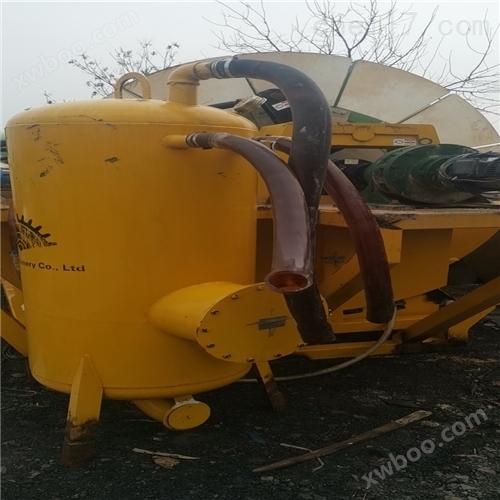
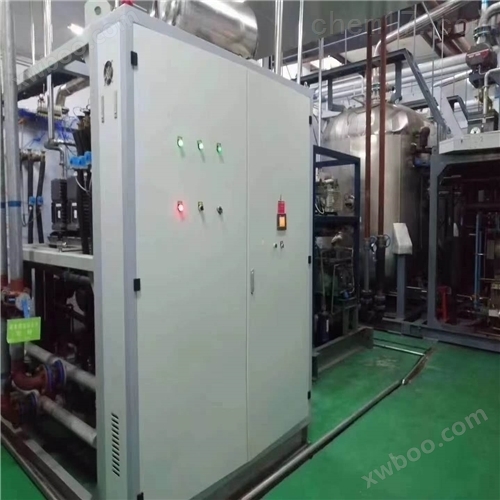
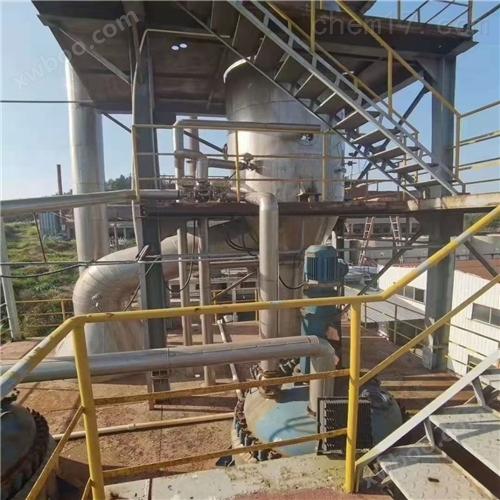
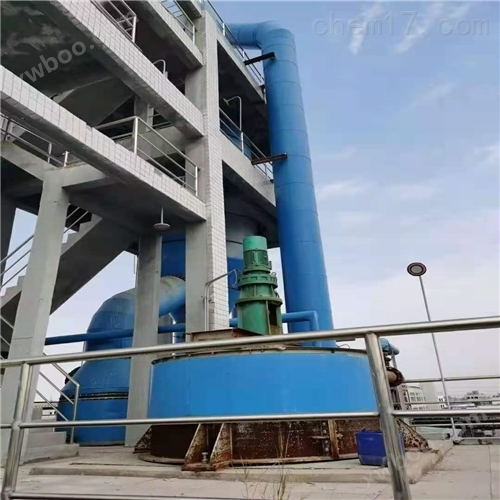
Second hand 4-cube titanium reactor - complete procedures
NegotiableUpdate on 01/21
- Model
- Nature of the Manufacturer
- Producers
- Product Category
- Place of Origin
Overview
Second hand 4-cube titanium reaction kettle - complete procedures Liangshan Jiyoupin Machinery Equipment Co., Ltd. is engaged in the production of second-hand pharmaceutical equipment, second-hand chemical equipment, second-hand grain and oil processing equipment, as well as various equipment related spare parts. All second-hand equipment is imported and domestically produced. Our main products include second-hand equipment, PP environmental protection equipment processing, environmental purification towers, PP storage tanks, stainless steel storage tanks, fiberglass storage tanks, various types of drying machines, dryers, reaction kettles, etc. We specialize in customized processing of starch equipment, flour equipment, agricultural equipment, feed equipment, emulsification equipment, beverage equipment, food equipment, drying equipment, alcohol equipment, environmental protection equipment, and plastic environmental protection equipment
Product Details


Second hand 4-cube titanium reactor - complete proceduresOperating procedures for reaction kettle: Before starting the stainless steel reaction kettle, 1. Check whether the inside of the kettle, agitator, rotating parts, auxiliary equipment, indicating instruments, safety valves, pipelines and valves meet safety requirements. 2. Check if water, electricity, and gas meet safety requirements. During the start-up of the stainless steel reactor, the agitator of the reactor should be turned on before adding materials. When there is no noise and it is normal, the materials should be added to the reactor, and the amount of materials added should not exceed the process requirements. 2. Before opening the steam valve, first open the return valve, and then open the intake valve. The steam valve should be opened slowly to preheat the jacket and gradually increase the pressure. The pressure inside the jacket should not exceed the specified value. 3. The steam valve and cooling valve cannot be started simultaneously, and hammering and collision are not allowed when the steam pipeline is out of air. 4. When opening the cooling water valve, first open the return valve, and then open the inlet valve. The cooling water pressure shall not be lower than 0.1 megapascals, nor shall it be higher than 0.2 megapascals. 5. The water ring vacuum pump should be started before supplying water. When stopping the pump, the pump should be stopped first and then the water should be stopped, and the accumulated water in the pump should be drained. 6. Check the operation of the reaction kettle at any time and stop for maintenance if any abnormalities are found. 7. When cleaning the titanium epoxy (enamel) reaction vessel, do not use alkaline water to brush the reaction vessel, and be careful not to damage the enamel. After stopping the stainless steel reactor, 1. Stop stirring, cut off the power, and close all valves. 2. When shoveling the pot, the power supply of the mixer must be cut off, warning signs must be hung, and someone must be assigned to supervise. 3. Stainless steel reaction vessels must undergo regular technical inspections in accordance with pressure vessel requirements. If the inspection fails, they cannot be operated.Reaction kettleClassification selection;1. Product Name: Glass lined Reactor 2. Product Name: Multi functional Dispersion Reactor 3. Product Name: Magnetic Stirring Reactor (Chemical Reactor) 4. Product Name: Electric Heating Reactor 6. Product Name: Reactor;Suitable fields: Suitable for conducting high-temperature and high-pressure chemical reaction tests in departments such as petroleum, chemical, pharmaceutical, metallurgy, scientific research, and universities. It can achieve high stirring effect on viscous and granular substancesstainless steel reactormaintenance and repair;When using a stainless steel reactor, the refrigerant inlet valve must be closed, the remaining refrigerant in the pot and jacket must be drained, and then the material must be input. The mixer should be started, and then the steam valve and electric power supply should be turned on. After reaching the desired temperature, the steam valve and electric power supply should be turned off first. After 2-3 minutes, the mixer should be turned off. After processing is completed, the remaining condensed water in the pot and jacket should be drained, and the sticky material should be washed away as soon as possible with warm water. Then, the inner wall of the container should be thoroughly cleaned with 40 ℃ -50 ℃ alkaline water, and rinsed with clean water. Especially when there is no material (heat absorbing medium) in the stainless steel reactor pot, the steam valve and electric power supply should not be turned on. Pay special attention to the use of steam pressure. Do not exceed the rated work pressure.Regular attention should be paid to the working condition of the entire equipment and reducer when maintaining the reaction kettle. If the reducer lubricating oil is insufficient, it should be replenished immediately. The electric heating medium oil should be replaced every six months. Safety valves, pressure gauges, distillation holes, electric heating rods, electrical instruments, and other parts such as the jacket and lid should be regularly inspected. If there is a malfunction, they should be replaced or repaired immediately. When the equipment is not in use, it is necessary to thoroughly clean the inner and outer walls of the container with warm water, regularly scrub the pot body, keep the exterior clean and the inner pot bright, and achieve the purpose of durability.Stainless steel reaction vessels have the characteristics of rapid heating, high temperature resistance, corrosion resistance, hygiene, no environmental pollution, no need for boiler automatic heating, and easy use. They are widely used in petroleum, chemical, rubber, pesticide, dye, medicine, food, and are used to complete processes such as vulcanization, nitration, hydrogenation, alkylation, polymerization, and condensation. The premise is to fully mix the reactants. For physical changes such as heating, cooling, liquid extraction, and gas absorption, stirring devices are required to achieve good results. We can also design and process external coil reaction vessels for customers. Installation details of stainless steel reaction kettle; 1. The high-pressure stainless steel reactor should be placed indoors. When equipping multiple high-pressure reactors, they should be placed separately. Each operating room should have an exit directly leading to the outside or passage, and the equipment grounding point should be ensured to have good ventilation. 2. When installing the kettle cover, it is necessary to prevent the sealing surfaces between the kettle body and the kettle cover from colliding with each other. Carefully place the kettle lid in a fixed position on the kettle body, and when tightening the main nut, it must be tightened diagonally and symmetrically in multiple steps. Apply even force and do not allow the kettle lid to tilt to one side to achieve a good sealing effect. 3. At the joint of the positive and negative nuts, only the positive and negative nuts are allowed to be rotated, and the sealing surfaces of the two circular arcs must not be rotated relative to each other. When all nut pattern connections are assembled, lubricating oil should be applied.The needle valve system is sealed with a thread. Simply rotate the valve needle gently and press the cover tightly to achieve a good sealing effect. 5. Rotate the rotating body on the kettle by hand to check if it operates flexibly. 6. The controller should be placed flat on the operating platform, with a working environment temperature of 10-40 ℃ and a relative humidity of less than 85%. The surrounding medium should not contain conductive dust or corrosive gases. 7. Check whether the movable parts and fixed contacts on the panel and back panel are normal, remove the cover, and check whether the connector contacts are loose, whether there is damage or rust caused by poor transportation and storage. 8. After the operation is completed, it can be cooled naturally, cooled with water, or placed on a bracket for air cooling. After the temperature drops, release the pressurized gas inside the kettle to reduce the pressure to atmospheric pressure (the pressure gauge shows zero). Then, loosen the main nut symmetrically and evenly, remove the main nut, and carefully remove the kettle cover and place it on the bracket. 9. After each operation, any residue on the stainless steel reactor body and lid should be removed. The main seal should be cleaned regularly and kept clean. It is not allowed to wipe it with hard objects or rough surfaces.
Second hand 4-cube titanium reactor - complete proceduresShandong Jiyoupin Machinery Equipment Co., Ltd. provides product details and supplies products.
Similar Product Recommend