-
E-mail
874810998@qq.com
-
Phone
18366738999
-
Address
Liulijing, Quanpu Town, Liangshan County, Jining City
Product Categories
Liangshan Jiyoupin Machinery Equipment Co., Ltd
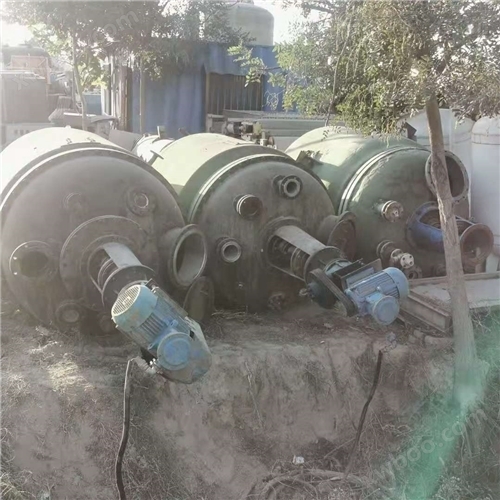
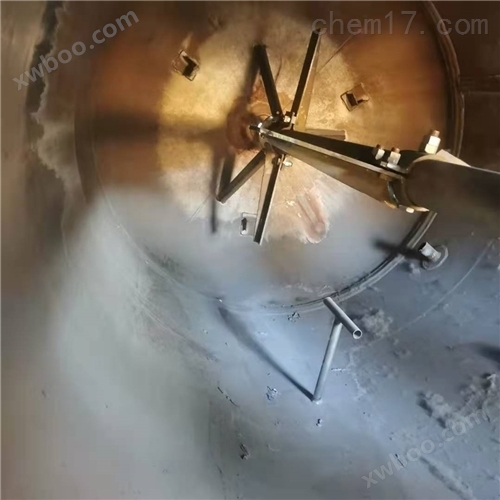
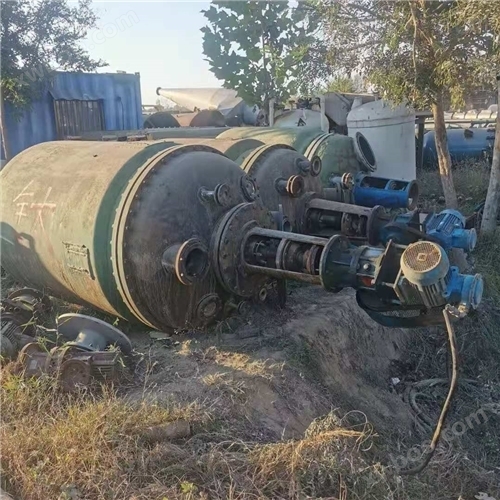
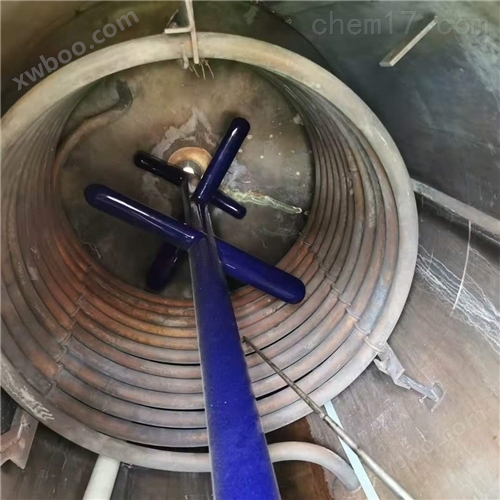
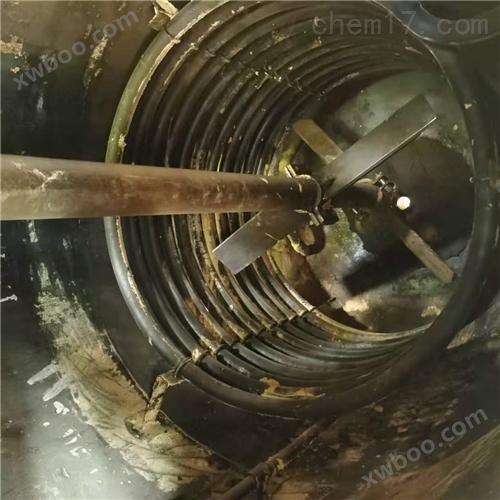
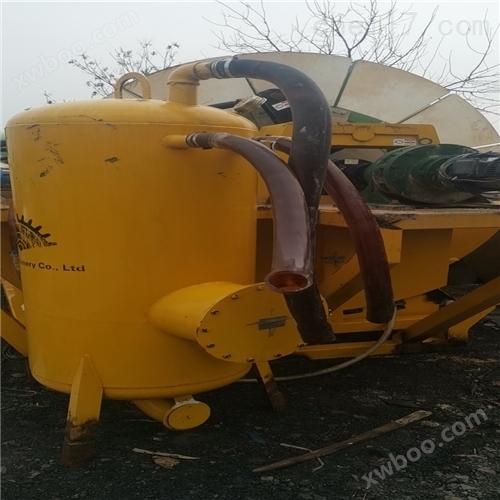
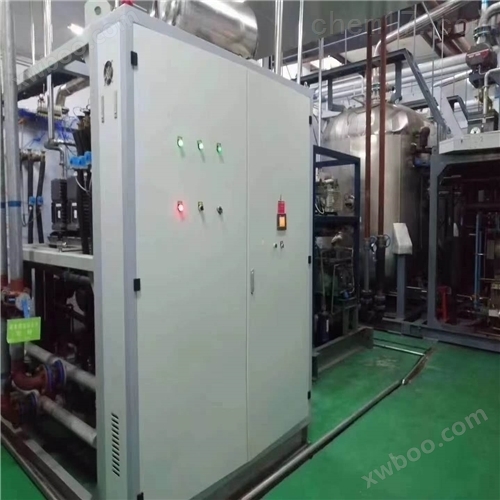
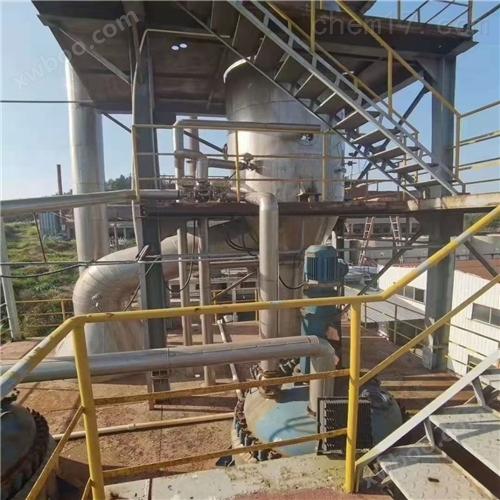
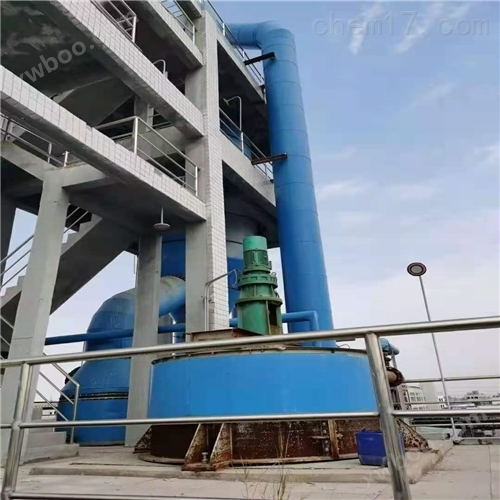
Second hand 3-ton built-in titanium coil titanium reaction kettle for sale
NegotiableUpdate on 01/21
- Model
- Nature of the Manufacturer
- Producers
- Product Category
- Place of Origin
Overview
Second hand 3-ton built-in titanium coil titanium reaction kettle sales: Jiyoupin Machinery Equipment Co., Ltd. specializes in the production of second-hand pharmaceutical equipment, PP environmental protection equipment processing, environmental purification towers, PP storage tanks, stainless steel storage tanks, various models of drying machines, drying machines and other customized processing. We also offer starch equipment, flour equipment, agricultural equipment, feed equipment, emulsification equipment, beverage equipment, food equipment, drying equipment, alcohol equipment, environmental protection equipment, plastic environmental protection equipment, biomass pellet equipment, biological fermentation equipment, reaction kettles, centrifuges, filters, dryers, condensers, dryers, boilers, heat exchangers, evaporators, etc. Repair, recycling, dismantling, installation, and
Product Details


Second hand 3-ton built-in titanium coil titanium reaction kettle for saleThe materials of reaction vessels generally include carbon manganese steel, stainless steel, zirconium, nickel based (Hastelloy, Monel) alloys, and other composite materials. The reaction vessel can be made of stainless steel materials such as SUS304 and SUS316L.stirMixers come in anchor, frame, paddle, turbine, scraper, and combination types. The rotating mechanism can use cycloidal pinwheel reducers, continuously variable speed reducers, or variable frequency speed reducers to meet the special reaction requirements of various materials. The sealing device can adopt sealing structures such as mechanical seals and packing seals. Heating and cooling can be achieved through structures such as jackets, half tubes, coils, and Miller plates. Heating methods include steam, electric heating, and thermal oil to meet acid resistance, high temperature resistance, and wear resistance requirements Process requirements for different working environments such as corrosion resistance. Design and manufacture according to user process requirements.Stainless steel reaction vessels have the characteristics of rapid heating, high temperature resistance, corrosion resistance, hygiene, no environmental pollution, no need for boiler automatic heating, and easy use. They are widely used in petroleum, chemical, rubber, pesticide, dye, medicine, food, and are used to complete processes such as vulcanization, nitration, hydrogenation, alkylation, polymerization, and condensation. The premise is to fully mix the reactants. For physical changes such as heating, cooling, liquid extraction, and gas absorption, stirring devices are required to achieve good results. We can also design and process external coil reaction vessels for customers.The atmospheric pressure stainless steel electric heating reaction kettle has the characteristics of rapid heating, high temperature resistance, corrosion resistance, hygiene, no environmental pollution, electric heating stainless steel reaction kettle, no need for boiler automatic heating, convenient use, and low price. Widely used in industries such as chemical, pharmaceutical, and food, the material is made of 304 stainless steel.stainless steelThe construction principle and characteristics of a reaction kettle: The reaction kettle consists of a pot body, a pot cover, a stirrer, a jacket, a support and transmission device, a shaft seal device, etc. The material and opening can be customized according to the user's process requirements. Heating methods include electric heating, oil heating, gas heating, water heating (or cooling), open flame heating, etc. The jacket forms are divided into jacket type and outer half tube type, and the jacket oil heating type is equipped with a flow guide device. The mixing forms generally include paddle type, anchor type, frame type, screw type, scraping wall type, etc. The high-speed category includes dispersed impeller, turbine, high shear, and thruster types, for customers to choose according to the process. The transmission forms include ordinary motors, explosion-proof motors, electromagnetic speed regulating motors, frequency converters, etc. The reducers include cycloidal pinwheel, worm gear, and planetary infinitely variable speed. The shaft seal includes ordinary water-cooled packing seal, combined PTFE packing seal, and mechanical seal. The discharge forms include ball valves and downward expansion valves.Stainless steel reaction vessels are widely used as pressure vessels for processes such as reactions, evaporation, synthesis, polymerization, saponification, sulfonation, chlorination, nitration, etc. in chemical, food, coating, hot melt adhesive, silicone, paint, pharmaceutical, and petrochemical production, such as reactors, reaction vessels, decomposition pots, polymerization pots, etc. The reaction pot is mainly composed of four components: an inner tank body, a jacket, a stirring device, and a support seat (insulation structure can be used according to process requirements). The inner tank body is made of stainless steel (SUS304, SUS316L or SUS321) and other materials according to the process requirements. The inner surface is mirror polished and can be cleaned online with CIP and sterilized with SIP, meeting the requirements of hygiene standards. The jacket shall be made of stainless steel (SUS304) or carbon steel (Q235-B) according to the process requirements. Suitable diameter to height ratio design, customized mixing device as needed; The mixing shaft seal adopts a pressure resistant sanitary mechanical seal device to maintain the working pressure inside the tank and prevent unnecessary pollution and material loss caused by material leakage inside the tank. The support type shall be suspended ear type or floor standing leg type according to operational requirements.stainless steel reactorstructural performance;The equipment mainly consists of three parts: tank body, jacket, and mixing system. 1. The materials and contact parts of the stainless steel reaction kettle are made of high-quality stainless steel such as 304 or 316L, which complies with GMP standards. 2. The accessories of stainless steel reaction vessels often use frame mixing to ensure uniform mixing of materials in a short period of time; At the same time, sanitary mechanical seals such as frame, anchor, and slurry seals can be selected as needed to ensure the pressure inside the tank and prevent unnecessary pollution caused by material leakage; The interface adopts ISO standard quick release clamp type, which is convenient for hygiene; Aseptic respirator, CIP cleaning nozzle, sight glass, flange, sanitary quick opening manhole, etc. 3. The surface treatment of the stainless steel reaction kettle adopts mirror polishing on the inner surface to ensure no hygiene dead corners. The fully enclosed design ensures that the material is always in a sterile state. The outer surface can be sandblasted, frosted, or cold-rolled with natural color matte treatment. Heating and cooling: The heating methods can be steam, electric heating, or thermal oil to meet the process needs of different working environments such as acid resistance, alkali resistance, high temperature resistance, wear resistance, and corrosion resistance. Example of Stainless Steel Reactor;1. Plan the output of each batch or the full capacity of the reaction vessel. 2. Determine the physical and chemical properties of the working medium. 3. The working pressure, temperature, etc. required for the corresponding production process. 4. Choose the sealing form of stainless steel reaction kettle (mechanical seal/packing seal). 5. Choose heating method (steam heating/thermal oil circulation heating/electric heating/resistance far-infrared heating). 6. Design of reactor agitator. Stainless steel reaction vessels are widely used as pressure vessels for processes such as reactions, evaporation, synthesis, polymerization, saponification, sulfonation, chlorination, nitration, etc. in chemical, food, coating, hot melt adhesive, silicone, paint, pharmaceutical, and petrochemical production, such as reactors, reaction vessels, decomposition vessels, polymerization vessels, etc.
Second hand 3-ton built-in titanium coil titanium reaction kettle for saleProvided by Shandong Jiyoupin Machinery Equipment Co., Ltd.
Similar Product Recommend