-
E-mail
760175302@qq.com
-
Phone
15163622234
-
Address
Weicheng District, Weifang City
Product Categories
Shandong Quanwei Environmental Protection Water Treatment Equipment Co., Ltd
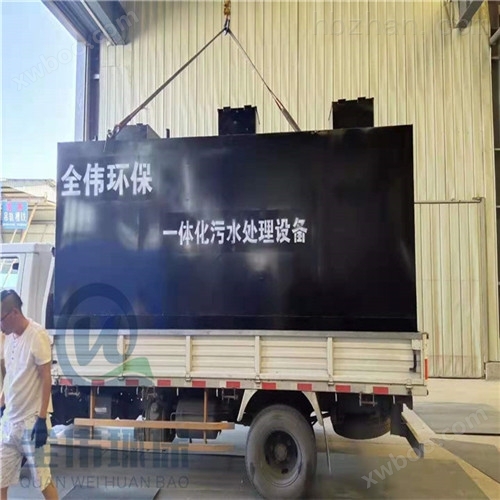
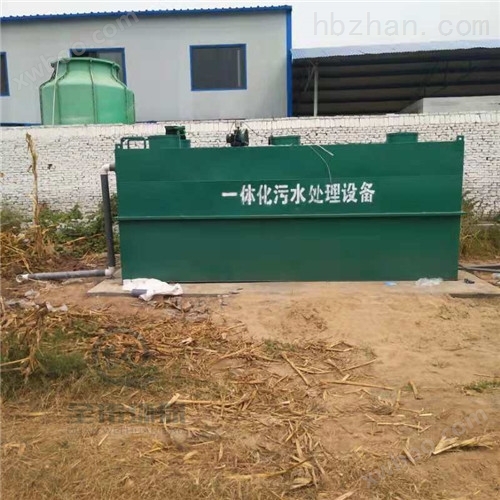
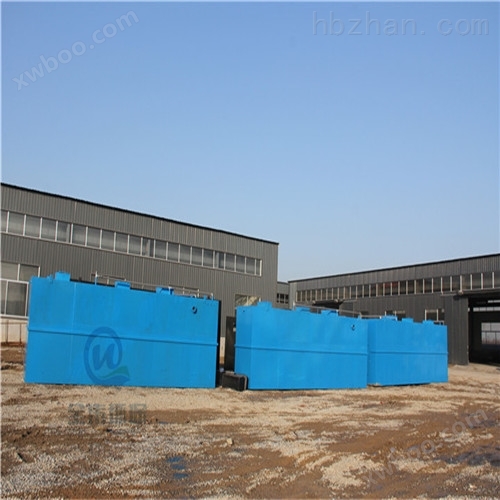
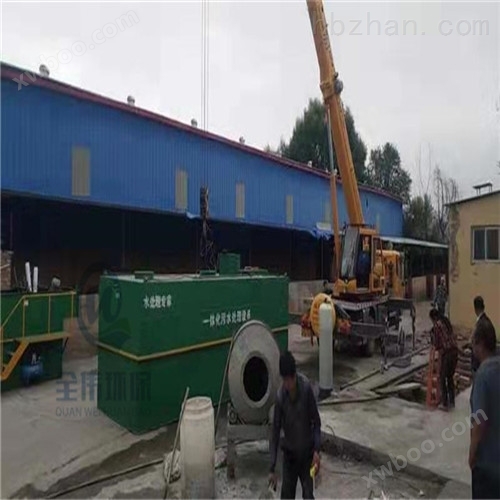
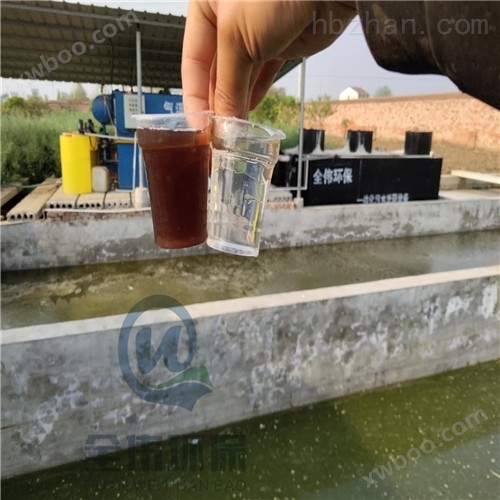
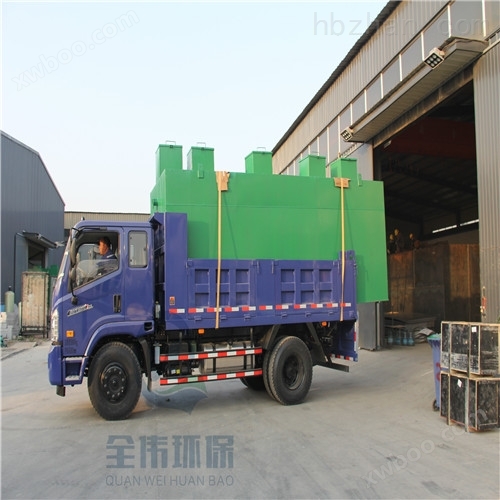
Sales price of Foshan integrated sewage treatment equipment
NegotiableUpdate on 01/21
- Model
- Nature of the Manufacturer
- Producers
- Product Category
- Place of Origin
Overview
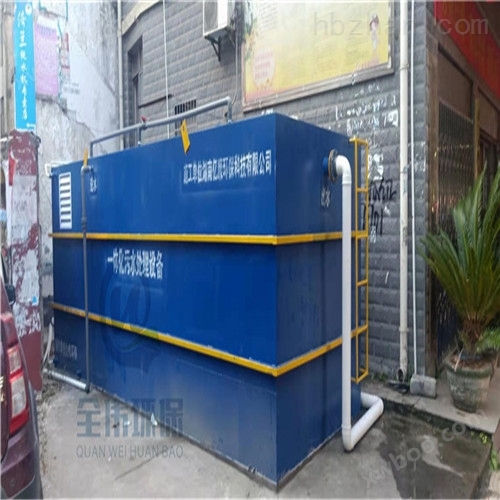
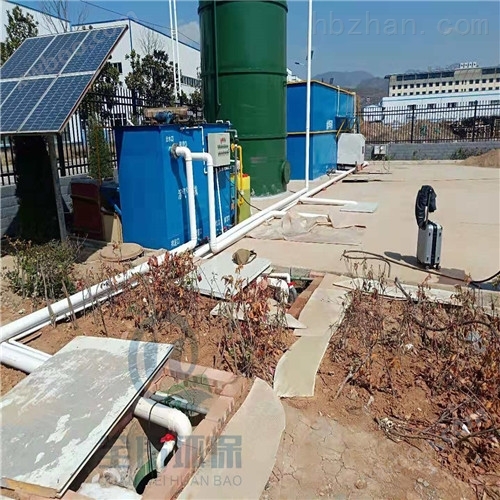
The sales price of Foshan integrated sewage treatment equipment effectively prevents sludge expansion, and the physical and chemical sludge and biochemical residual sludge are discharged into the sludge concentration tank. The clear liquid on the concentration tank flows into the regulating tank, and the concentrated sludge is pumped into the sludge filter press for dewatering treatment.
Product Details
Sales price of Foshan integrated sewage treatment equipment-Shandong Quanwei Environmental Protection Water Treatment Equipment Co., Ltd
A2/O process, also known as A-A-O process, is the abbreviation of the letters Anaerobic Anoxic Oxic in English (biological nitrogen and phosphorus removal). In essence, this process is called anaerobic anoxic aerobic method, abbreviated as biological nitrogen and phosphorus removal process.
The A2/O process is the simplest and most widely used denitrification and phosphorus removal process. The sewage enters the anaerobic tank first, and facultative anaerobic bacteria convert easily degradable organic matter in the sewage into VFAs. The polyphosphate accumulating bacteria brought in by the returned sludge decompose the polyphosphate in the body, which releases phosphorus. Part of the energy released can be used for aerobic polyphosphate accumulating bacteria to survive in anaerobic environments, while the other part can be used for polyphosphate accumulating bacteria to actively absorb VFAs and store PHB in the body. Upon entering the anoxic zone, denitrifying bacteria utilize the nitrate brought in by the mixed solution reflux and the organic matter in the influent for denitrification and denitrification. Then, they enter the aerobic zone, where polyphosphate accumulating bacteria not only absorb and utilize the easily degradable BOD remaining in the wastewater, but also mainly decompose the PHB stored in their bodies to produce energy for their own growth and reproduction. They actively absorb dissolved phosphorus in the environment, which is called phosphorus absorption and stored in the form of polyphosphate in their bodies.
Secondary enhanced treatment of sewage treatment plant equipment:
1. The secondary enhanced treatment process refers to a treatment process that not only effectively removes carbon source pollutants, but also has strong phosphorus and nitrogen removal functions.
2. In areas where there are control requirements for nitrogen and phosphorus pollutants, sewage treatment facilities with a daily treatment capacity of over 100000 cubic meters generally use technologies such as A/O and A/A/O, but other equally effective technologies can also be carefully selected.
3. For sewage treatment facilities with a daily processing capacity of less than 100000 cubic meters, in addition to using A/O and A/A/O methods, oxidation ditch method, ABR method, hydrolysis aerobic method, and biological filter method with phosphorus and nitrogen removal effects can also be selected.
Sales price of Foshan integrated sewage treatment equipment-Shandong Quanwei Environmental Protection Water Treatment Equipment Co., LtdDepartment
Process performance characteristics
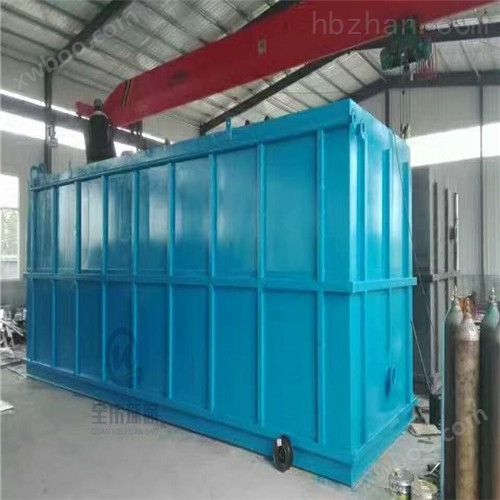
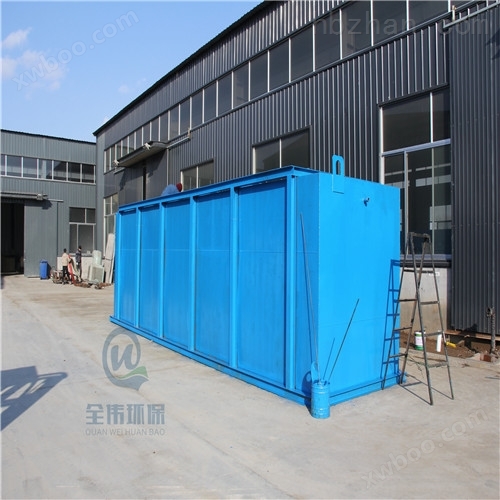
1. The shell of the sewage treatment equipment is made of carbon steel.
2. The biological treatment tank is equipped with biological elastic packing and has hydrolysis and acidification functions. It can also be adjusted to a biological oxidation tank to increase the biochemical retention time and improve treatment efficiency.
The filling material in the O-grade biochemical tank adopts a three-dimensional mesh composite filling material, which has a large specific surface area, a long service life, and is prone to film formation, corrosion resistance, and blockage. The filling material can freely stretch and diffuse in water, cutting the bubbles in the water in multiple layers, which relatively increases the aeration effect and oxygen utilization rate. The installation, disassembly, and inspection of the filling material in a cage style are convenient.
4. The aeration pipeline in the pool is made of high-quality ABS pipes, which are corrosion-resistant. The aeration head adopts a membrane type microporous aeration head, which is non clogging and has high oxygen utilization efficiency.
5. The fan design uses a high-pressure fan, which has the characteristics of small size, low noise, sufficient air volume, stable and reliable performance.
Anchor bolt: The bare part of the anchor bolt must be clean and free of oil stains. If necessary, it should be grilled with an open flame to remove oil stains. The threaded part should be coated with grease. After tightening the bolt, it must expose 1.5 to 5 pitches. The distance between the anchor bolt and the foundation hole wall should be greater than 15mm. A distance of 30-50mm should be left between the anchor bolt and the bottom of the hole.
Pad iron: There should be at least one set of pad iron near each anchor bolt, as close as possible to the anchor bolt without affecting the secondary grouting. The spacing between adjacent sets of shims is generally 500mm, and for heavy equipment with large load-bearing capacity, the spacing should be 250mm. Diagonal shims must be used in pairs, with a slope of generally 1/20 to 1/10. For equipment with high center of gravity or large vibration, a slope of 1/20 is recommended. Each group of shims should reduce the number of blocks, generally not exceeding three. When placing them, pairs of diagonal shims should be placed on top, and flat shims should be placed below. The paired diagonal pad iron should have stable contact, with a lap contact length of not less than 3/4 of the total length. Use a 0.25kg hammer to strike each group of pad iron, and the sound should be solid and there should be no looseness. Use a 0.05mm feeler gauge to check that it should not be inserted into 1/5 of the width. After aligning and leveling the equipment, the shim should be exposed from the outer edge of the equipment base, the flat shim should be exposed by 10-30mm, and the diagonal shim should be exposed by 10-50mm.

The start-up of the submersible sewage pump in the regulating pool is controlled by the liquid level float signal in the regulating pool. The float switch is made of fully sealed rubber material and is divided into high, medium, and low switch level signals according to the liquid level in the pool. It is automatically controlled by the PLC control system.
1) When the regulating pool reaches the middle water level, the system is in normal operation and one water pump is turned on;
2) When the water level in the regulating pool is too high (reaching the alarm level), both submersible sewage pumps in the regulating pool are started simultaneously.
When the water level in the regulating tank is at a low level, the compressed air inlet valve of the first and second contact oxidation tanks should be kept open for 10 minutes at intervals of 30 minutes.
The sludge reflux is lifted by the sludge pump and flows back to the hydrolysis acidification tank, controlled by time. The air lift sludge discharge and sludge pump reflux time are staggered.
All types of electrical equipment are equipped with overvoltage, phase loss, short current protection, and alarm functions.
Operating Procedures for Sludge Dehydration Workshop Process
In order to better utilize the equipment, ensure that the sludge treatment meets the design and corresponding discharge standards, and meet the production requirements of the entire plant, the process operation instructions are provided.
Operators should strive to learn this instruction and continuously summarize their experience in production practice, propose rational suggestions for sludge treatment, and improve the level of sludge treatment. During the sludge treatment process, operators should closely monitor the operation of equipment and the effectiveness of sludge treatment, and record in detail the operation process and any malfunctions encountered during operation.
Similar Product Recommend