-
E-mail
smtyb1718@163.com
-
Phone
18252322828
-
Address
No. 238-3 Haiyan Road, Daxing Industrial Concentration Zone, Jinhu County
Product Categories
Jinhu Simite Instrument Co., Ltd

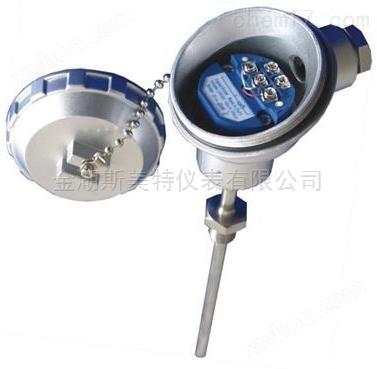
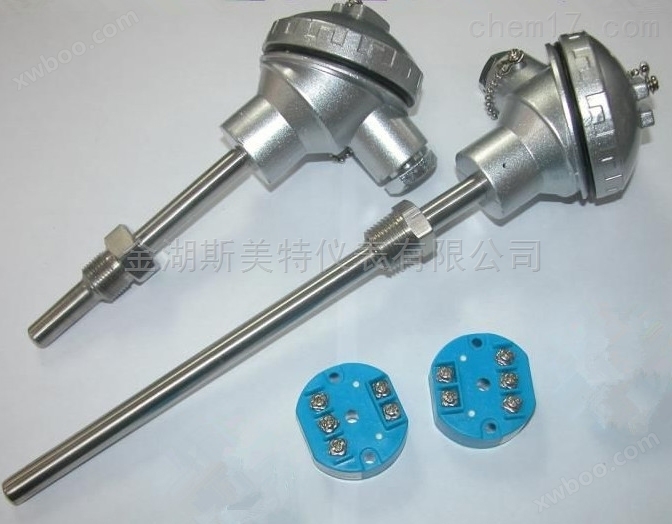
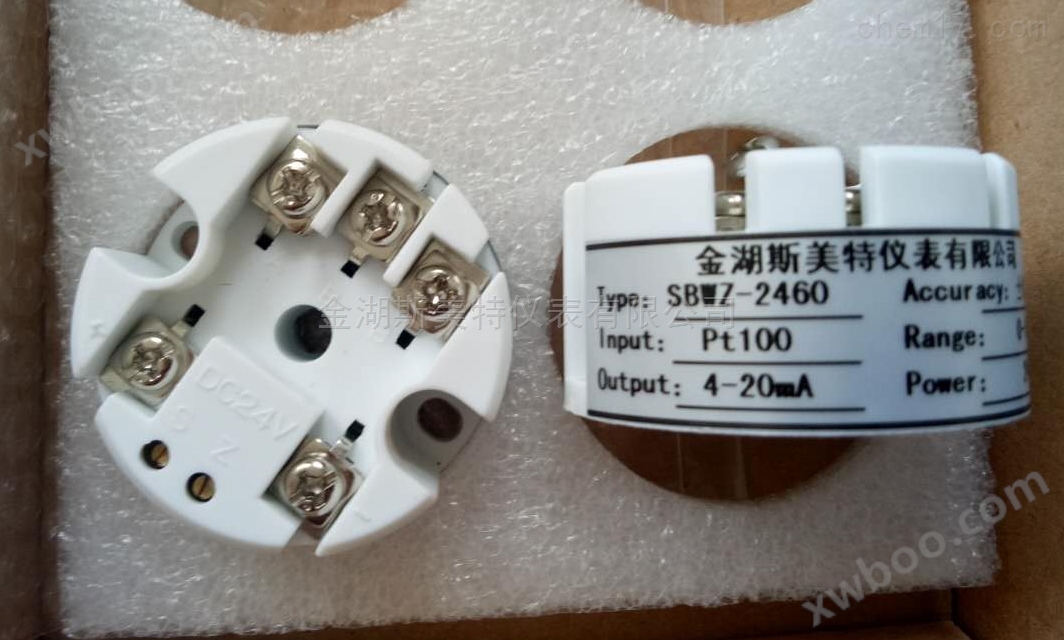
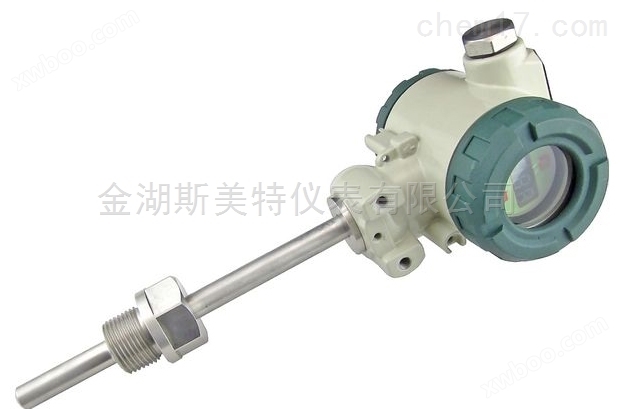
SBWZP-230 integrated temperature transmitter
NegotiableUpdate on 01/22
- Model
- Nature of the Manufacturer
- Producers
- Product Category
- Place of Origin
Overview
The SBWZP-230 integrated temperature transmitter is an instrument that converts temperature variables into standardized output signals that can be transmitted. It is mainly used for measuring and controlling temperature parameters in industrial processes. The current transmitter converts the AC current of the measured main circuit into a constant current loop standard signal, which is continuously transmitted to the receiving device.
Product Details
SBWZP-230 integrated temperature transmitterWidely used in various departments such as metallurgy, petroleum, chemical, power, light industry, textile, food, national defense, and scientific research.
SBWZP-230 integrated temperature transmitterfeature
1. Two wire output 4-20mA, strong resistance to * *;
2. Save the cost of compensating wires and installing temperature transmitters;
3. Safe and reliable, with a long service life;
4. Automatic compensation for cold end temperature and non-linear correction circuit.
5. Convert the measured environmental temperature into a single standard DC voltage or DC current output in linear proportion;
6. Low power consumption and high reliability;
7. Excellent resistance;
8. Plug and unplug terminal interfaces, standard rail installation;
9. Small size;
Main technical indicators
thermocouple
Allowable deviation of electromotive force
Thermocouple category |
graduation mark |
level |
Operating temperature range ℃ |
Allowable deviation △ t ℃ |
Nickel chromium copper nickel |
E |
Ⅰ |
0~600 |
± 1.5 ℃ or ± 0.004t |
Ⅱ |
± 2.5 ℃ or ± 0.0075t |
|||
Nickel chromium nickel silicon |
K |
Ⅰ |
0~800 |
± 1.5 ℃ or ± 0.004t |
Ⅱ |
± 2.5 ℃ or ± 0.0075t |
|||
platinum-rhodium10- Platinum |
S |
Ⅱ |
0~600 600~1300 |
± 1.5 ℃ or ± 0.0025t |
platinum-rhodium30Platinum rhodium 6 |
B |
Ⅱ |
600~800 800~1600 |
±0.0025t |
Ⅲ |
± 4 ℃ or ± 0.005t |
|||
|
Copper Copper Nickel (Kangtong) |
T |
Ⅰ |
-40~350 |
± 0.5 ℃ or ± 0.004t |
Ⅱ |
± 1 ℃ or ± 0.0075t |
|||
Nickel chromium silicon nickel silicon |
N |
Ⅰ |
-40~1200 |
± 1.5 ℃ or ± 0.004t |
Ⅱ |
± 2.5 ℃ or ± 0.0075t |
Note: 1) t is the measured temperature (℃)
2) Allowable deviation, take the larger of the two values.

platinum resistance thermometer
Accuracy level of platinum thermistor: A or B level
Scale mark: Pt100 Resistance value at 0 ℃: R0=100 ± 0.06 Ω (*)
R0=100 ± 0.12 Ω (Class B)
Allowable deviation Δ t (℃):
Pt100±(0.15+0.002∣t∣)(*)
Pt100 ± (0.30+0.005 ∣ t ∣) (Grade B)
Cu50±0.1%R0
Cu100±0.1%R0
Thermal response time: Т 0.5<90S
Transmitter components
Input: Thermistor: Pt100, Cu50, Cu100
Thermocouple: K.E.S.B.T.N
Output: Within the range of measurement, output a 4-20mA DC signal that is linear with the input resistance signal of the thermistor and linear with the millivolt signal input by the thermocouple.
Basic error: Calculation formula Δ=Δ 1+Δ 2
The allowable deviation of Δ 1 thermocouple (resistance) corresponds to the basic output error.
Δ 2 transmitter output basic error Δ 2=± 0.5% FS
Transmission method: two-wire system
Load: The maximum load resistance is calculated according to the following formula:
RL (max)=50 × (Vmin-12) (i.e. the load resistance can be selected within the range of 0-600 Ω at 24V, with a rated load of 250 Ω). )
Normal working environment:
a. Environmental temperature: -25 ℃ to 80 ℃ (not higher than 70 ℃ in hazardous areas).
b. Relative humidity: 5% to 95%.
c. Mechanical vibration: f ≤ 55Hz, amplitude<0.15mm
d. There is no medium in the surrounding air that can cause corrosion of the transmitter.
e. Environmental temperature impact: ≤ 0.05%/1 ℃
Model Number
S |
B |
W |
Specifications |
content |
||||||||||
|
electricity move single yuan group combine, synthesize ceremony table
|
change send single yuan |
Wen degree |
none |
|
Universal |
|||||||||
R |
|
thermocouple |
||||||||||||
Z |
|
thermal resistor |
||||||||||||
|
- |
|
|
|||||||||||
|
2 |
|
The output is linear with the corresponding temperature |
|||||||||||
4 |
|
The output is linear with the corresponding input signal |
||||||||||||
Output properties |
0 |
|
Universal |
|||||||||||
thermocouple |
|
|
||||||||||||
1 |
|
E nickel chromium copper nickel |
||||||||||||
2 |
|
K nickel chromium nickel silicon |
||||||||||||
3 |
|
S Platinum Rhodium10- Platinum |
||||||||||||
4 |
|
B Platinum Rhodium10Platinum rhodium6 |
||||||||||||
5 |
|
T Copper Copper Nickel |
||||||||||||
8 |
|
N nickel chromium silicon nickel silicon |
||||||||||||
thermal resistor |
|
|
||||||||||||
1 |
|
Cu50 copper resistor |
||||||||||||
4 |
|
Pt100 platinum resistor |
||||||||||||
|
biography feel device |
8 |
|
Non isolated type with temperature measuring element |
|||||||||||
Circuit category |
0 |
|
Conventional type |
|||||||||||
1 |
|
intelligent type |
||||||||||||
Device category |
/ |
|
|
|||||||||||
|
Press WR WZ Series suffix arrangement |
|
|
|||||||||||
|
Press WR WZ Series suffix arrangement |
|
|
||||||||||||
|
Press WR WZ Series suffix arrangement |
|
|
||||||||||||
none |
Conventional type |
|||||||||||||
K |
Armored type |
|||||||||||||
Additional notes |
|
|||||||||||||
S |
B |
W |
□ |
- |
□ |
□ |
□ |
□ |
/ |
□ |
□ |
□ |
□ |
|
Example SBWR-2180/where 230 is equivalent to WRE230

Attention to use:
1. Wiring: The wiring of the safety spark circuit (input signal line) must be insulated or shielded wires, and isolated from the wiring of non safety spark circuits to avoid mutual contact.
2. Different models of temperature transmitters should be wired according to the instructions. When wiring explosion-proof instruments with safety spark circuits, they must not be connected incorrectly and carefully checked for short circuits or incorrect connections.
3. When using temperature transmitters, special attention should be paid to the distinction between ordinary and intrinsic safety types. Ordinary types cannot be installed in hazardous areas, while intrinsic safety types can be installed in hazardous areas.
4. The input of the thermal resistance transmitter is a three wire system, and the line resistance of each connecting wire should be equal and within the same ambient temperature.


