-
E-mail
2100680668@qq.com
-
Phone
13661889606
-
Address
Shanghai
Product Categories
- Specialized chromatograph for non methane total hydrocarbon determination
- gas generator
- Chromatography accessories and consumables
- Chromatography of Acetaldehyde Content in Medicinal Polyester Bottles
- 26 types of gas chromatography for pesticide residue detection
- Industry specific gas chromatograph
- Special gas chromatograph for hydrogen sulfide analysis
- Analysis of residual solvents in plastic flexible packaging
- Cigarette pack VOC analysis gas chromatograph
- Industry specific chromatographic column
- Determination of water content in wall coatings by chromatography
Shanghai Xinuo Instrument Co., Ltd
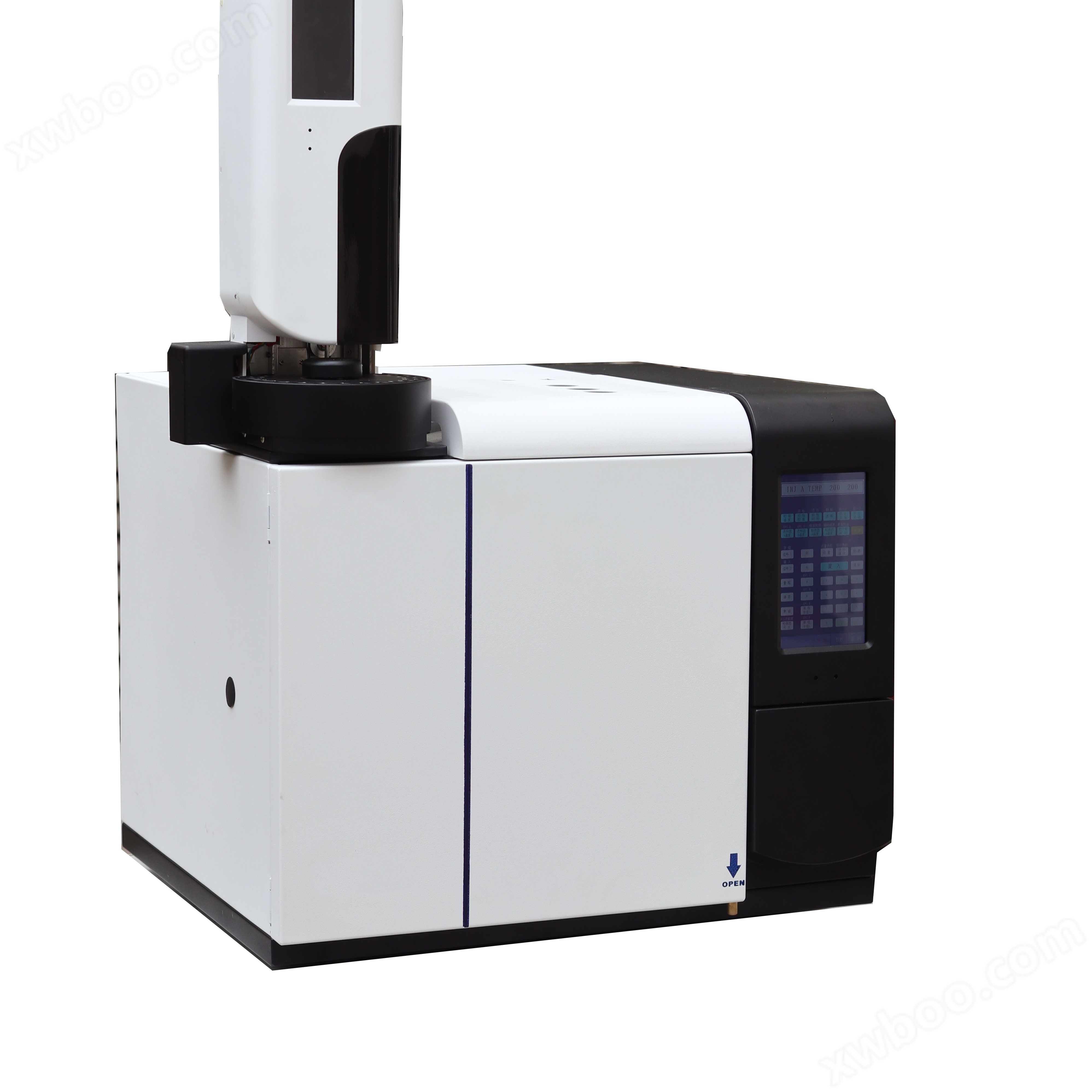
Pesticide residue detection (26 types) analysis by gas chromatography
NegotiableUpdate on 01/22
- Model
- Nature of the Manufacturer
- Producers
- Product Category
- Place of Origin
Overview
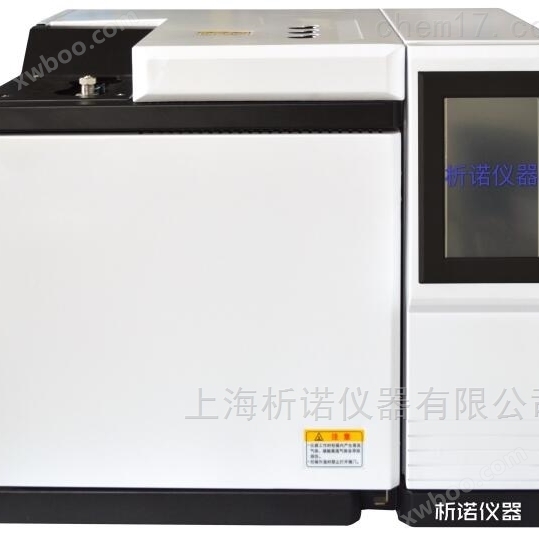
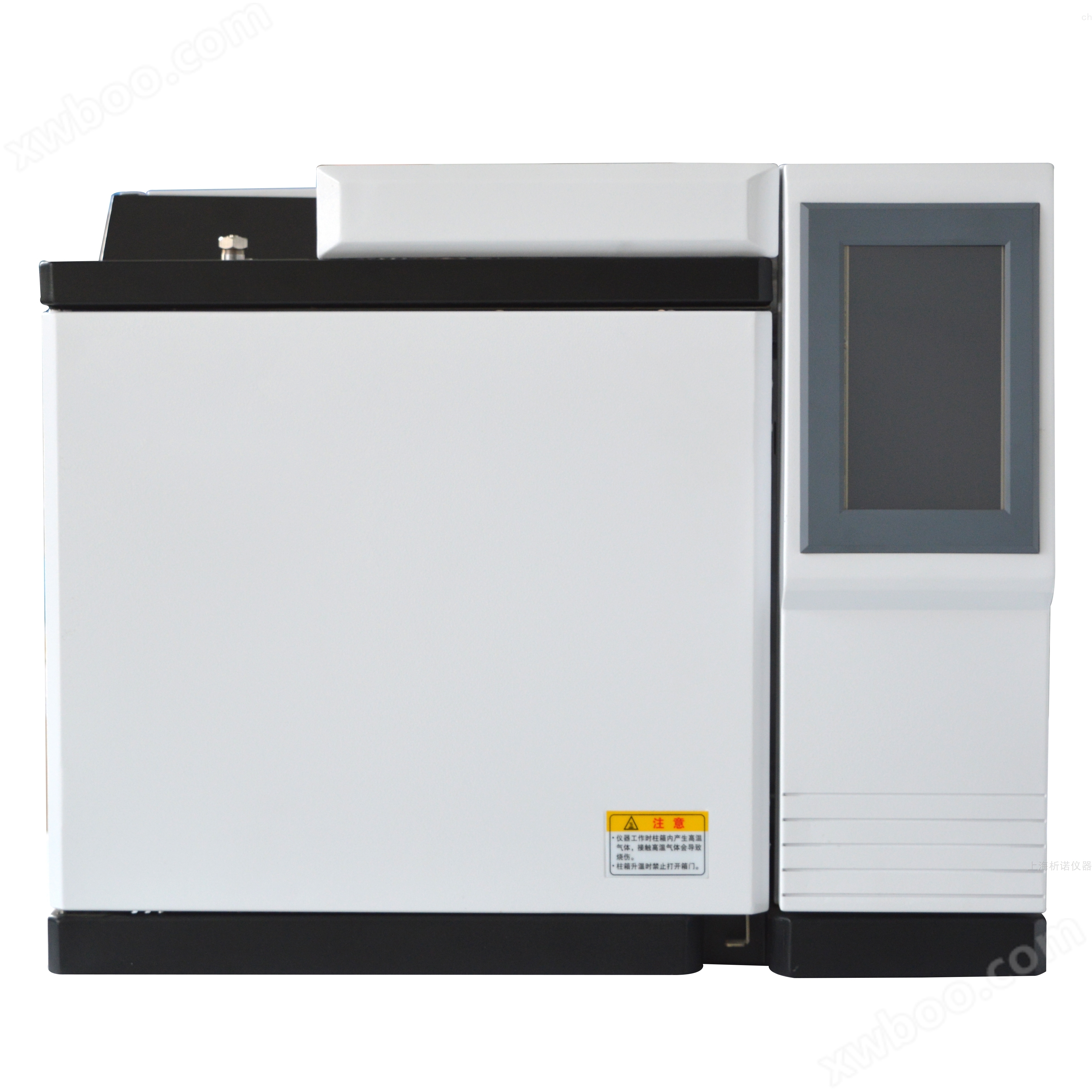
The GC9980N pesticide residue chromatographic detector developed by Shanghai Xinuo Instrument Co., Ltd. based on national standards and its own technical conditions can efficiently detect 26 types of pesticide residues. Pesticide residue pollution is an important factor affecting food safety and has become the primary indicator for measuring food hygiene, safety, and quality. Organophosphorus and pyrethroid pesticides are widely used for pest control in vegetables due to their high insecticidal activity. Organochlorine pesticides have a long half-life, are not easily degraded and metabolized, so the analysis and research of various pesticide residues in vegetables are particularly important.
Product Details
Pesticide residue detection (26 types) analysis by gas chromatographyThe GC9980N pesticide residue chromatographic detector developed by Shanghai Xinuo Instrument Co., Ltd. based on national standards and its own technical conditions can efficiently detect 26 types of pesticide residues. Pesticide residue pollution is an important factor affecting food safety and has become the primary indicator for measuring food hygiene, safety, and quality. Organophosphorus and pyrethroid pesticides are widely used for pest control in vegetables due to their high insecticidal activity. Organochlorine pesticides, due to their long half-life, difficulty in degradation and metabolism, still exist in nature. Therefore, the analysis and research of various pesticide residues in vegetables are particularly important.
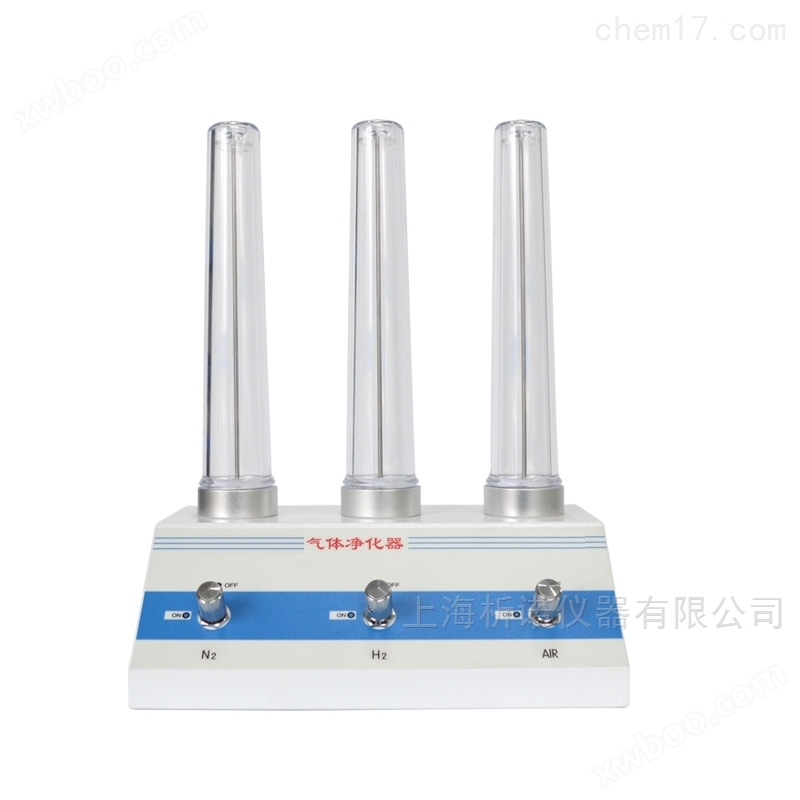
Xinuo GC9980N mainframe with flame photometric detector(FPD)And electron capture detector(ECD), Supporting XinuoHS series headspace samplerAnd chemical workstations; Organizational crusher; Vortex mixer; High speed homogenizer; Nitrogen blower; Solid phase extraction column; Acetyl; Methyl pyrimidine phosphate; Chlorpyrifos;; Quinthion;Kill phosphorus; α-666Baijunqing; β-666;δ-666;o,p-DDT;p,p-DDT; Bifenthrin;; Fluchlorocyhalothrin; Chlorfenapyr; Cypermethrin;Dilute each standard mixture to the desired concentration before use. Acetone, acetonitrile, and n-hexane are all pesticide residue grade, while sodium chloride is analytical grade.
sampleSample preparation process:
1Extraction: The sample is homogenized using a tissue crushing mechanism and accurately weighed20gJoin in50mlAcetonitrile, homogenized at high speed in a homogenizer1minAfter filtering with filter paper, the filtrate is collected in a container containing5~10gsodium chloride100mlCollect the filtrate in the measuring cylinder, cover it with a stopper, and shake vigorously1minLet it stand at room temperature30minSeparate the acetonitrile phase and aqueous phase clearly.
2Sample purification:Purification of Organophosphorus Pesticides: From100mlSuck from the measuring cylinder5mlAcetonitrile solution, put in10mlConcentrate to near dryness on a nitrogen blower in a graduated test tube. Transfer2mlAcetone is mixed evenly in a graduated centrifuge tube using a vortex mixer and analyzed by gas chromatographyPurification of organochlorine and pyrethroid pesticides: from100mlSuck from the measuring cylinder10mlAcetonitrile solution, put in10mlConcentrate to near dryness on a nitrogen blower in a graduated test tube. Transfer2mlDissolve the residue in n-hexane and mix well on a vortex mixer for purification.
Use solid-phase extraction in sequence5mlacetone/N-hexane5mlConditional pre washing with n-hexane, when the solvent level reaches the surface of the column adsorption layer, immediately add the sample solution and use10mlCollect eluent with a graduated centrifuge tube and use5mlAcetone: Wash the graduated centrifuge tube with n-hexane and pass it through a solid-phase extraction column, repeating the process once. Place the centrifuge tube on the nitrogen blower and adjust the water bath temperature50℃Nitrogen is blown and evaporated to less than4mlDetermine the volume accurately with n-hexane4mlAfter mixing on a vortex mixer, analyze by gas chromatography.
Chromatographic analysis conditions:Pesticide residue detection (26 types) analysis by gas chromatography
3.1 organophosphorus pesticides Analytical chromatographic column:DB-1701 30m*0.53mm*1.0MmCapillary chromatography column; High purity nitrogen is used as the carrier gas; Program heating up; inlet temperature200℃No split injection; detector temperature250℃Quantitative analysis using peak area external standard method.
3.2 Organochlorine and pyrethroid pesticides Analytical chromatographic column:DB-1701 30m*0.32mm*0.25MmCapillary chromatography column; High purity nitrogen gas is used for the carrier; Program heating up; inlet temperature200℃No split injection; detector temperature320℃Peak area external standard quantitative analysis
HJ 38-2017 Determination of Total Hydrocarbons, Methane and Non Methane Total Hydrocarbons in Waste Gas from Fixed Pollution Sources Gas Chromatography Method
HJ 760-2015 Solid Waste Determination of Volatile Organic Compounds Headspace Gas Chromatography Method
HJ 768-2015 Solid Waste - Determination of Organophosphorus Pesticides - Gas Chromatography Method
HJ 869-2017 Determination of Phthalates in Waste Gas from Fixed Pollution Sources by Gas Chromatography
HJ 874-2017 Solid Waste Determination of Acrylonitrile and Acetonitrile Headspace Gas Chromatography
HJ 583-2010 Determination of Benzene Compounds in Environmental Air Solid Adsorption Thermal Desorption Gas Chromatography Method
HJ 584-2010 Determination of Benzene Compounds in Environmental Air Activated Carbon Adsorption/Carbon Disulfide Desorption Gas Chromatography Method
HJ 604-2011 Determination of total hydrocarbons in ambient air by GC method
HJ 738-2015 Environmental Air Determination of Nitrobenzene Compounds Gas Chromatography Method
HJ 604-2017 Determination of Total Hydrocarbons, Methane, and Non Methane in Environmental Air - Direct Injection Gas Chromatography Method
HJ 901-2017 Determination of Organochlorine Pesticides in Environmental Air Gas Chromatography Method
HJ 903-2017 Determination of Polychlorinated Biphenyls in Environmental Air Gas Chromatography Method
HJ 904-2017 Determination of Polychlorinated Biphenyls Mixtures in Environmental Air Gas Chromatography Method
HJ 621-2011 Determination of Chlorobenzenes in Water Quality Gas Chromatography Method
HJ 648-2013 Determination of Nitrobenzene Compounds in Water Quality Liquid Liquid Extraction Solid Phase Extraction Gas Chromatography Method
HJ 676-2013 Determination of Phenolic Compounds in Water Quality Liquid Liquid Extraction Gas Chromatography Method
HJ 686-2014 Determination of Volatile Organic Compounds in Water Quality - Gas Chromatography with Sweep Capture (Draft)
Similar Product Recommend