-
E-mail
shkelan@vip.163.com
-
Phone
13381792575
-
Address
No. 492 Xinchuan Road, Pudong New Area, Shanghai
Product Categories
Shanghai Kelan Instrument Technology Co., Ltd

ORP monitoring device
NegotiableUpdate on 04/06
- Model
- Nature of the Manufacturer
- Producers
- Product Category
- Place of Origin
Overview
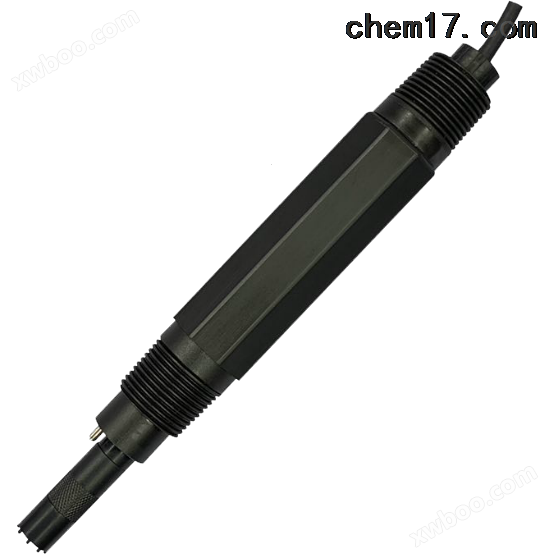
The pH/ORP monitor is an online water quality monitor with a microprocessor. This instrument is equipped with different types of high-quality pH electrodes. Widely used in industries such as power plants, petrochemicals, metallurgical electronics, environmental water treatment, biological fermentation, pharmaceuticals, food, and beverages to continuously monitor the pH or ORP value of aqueous solutions.
Product Details
pH/ORP monitoring device
1、 Main functions and features
■ Large LCD display screen ■ Single chip intelligent, Chinese menu ■ Isolated output current 4-20mA ■ Two sets of relay outputs for automatic control ■ Optional with RS485//232//Modbus RTU communication ■ Optional with 220VAC or 24VDC ■ Automatic temperature compensation function ■ Calibration and correction of electrodes, etc
II pH/ORP monitoring deviceMain technical parameters
1) Measurement range: pH: 0-14.00pH, temperature: 0-100 ℃; ORP: ± 1900mv (with ORP electrode configuration)
2) Basic error of electronic unit: ± 0.01 pH/resolution 0.001, temperature: ± 0.5 ℃; ORP: ± 5mv (equipped with ORP electrode)
3) Electronic unit output current: 4-20mA or 0-10mA
4) Two sets of relay contacts: 3A 240VAC, 6A 28VDC or 120VAC
5) Power supply and power: 65-260VAC, 50Hz; ≤3W
6) External dimensions of electronic unit: 150 × 150 × 125 mm deep, embedded (disk mounted) installation opening size: 91 × 91mm
Can be converted into protective or wall mounted installation styles, see also
7) Electronic unit mass: 600g
8) Working conditions: Environmental temperature: 0-45 ℃; Relative humidity: not exceeding 90%
9) Electrode withstand water sample pressure: ≤ 0.6MPa
10) Multiple pH electrodes can be selected for configuration, and ORP electrode can be configured for ORP measurement mv; its structure and installation are described in the electrode introduction
3、 Selection Guide
★ Monitoring of water quality in various fields such as power stations ★ High precision
□ Notice: The online pH acidity meter has an instrument (electronic unit), which is a secondary instrument, and a pH electrode (or sensor or probe), which is a primary instrument, connected by a professional cable. There are multiple electrode choices based on the temperature of the tested medium, on-site installation method, etc.
Basic understanding is required for selection: (1) Temperature of the measured medium? (2) How to install the electrode? (3) Instrument style or installation requirements? (4) What is the distance between the electrode and the instrument (length of the electrode cable?)? (5) Usage and other requirements?