-
E-mail
xhyb888@163.com
-
Phone
18603192192,13643293003
-
Address
No. 08, Chengxi Industrial Zone, Xinhe County, Hebei Province
Product Categories
Xinhe County Changjiang Hydraulic Machinery Co., Ltd
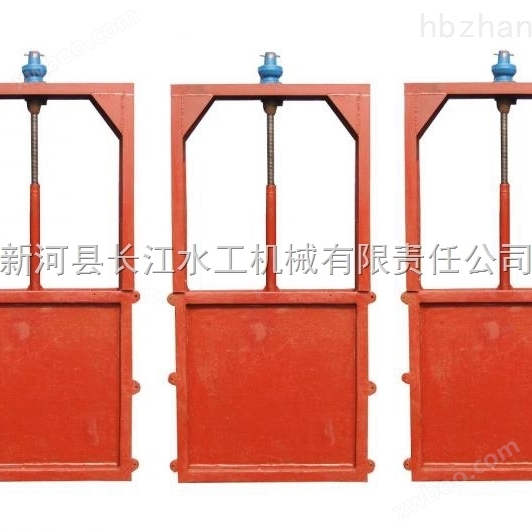
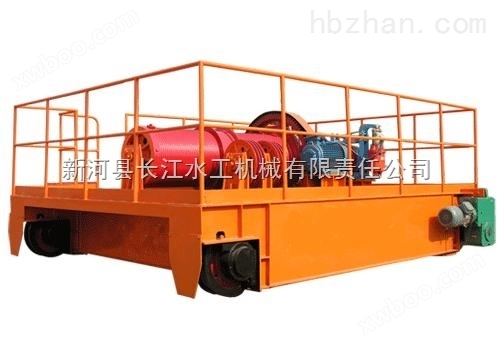
Manufacturer of arc gate winch type opening and closing machine
NegotiableUpdate on 03/19
- Model
- Nature of the Manufacturer
- Producers
- Product Category
- Place of Origin
Overview
The operators of the arc gate hoisting hoist manufacturer must master the structure, performance, and operation methods of the hoist, and have certain mechanical knowledge to ensure the normal operation of the machine.
Product Details
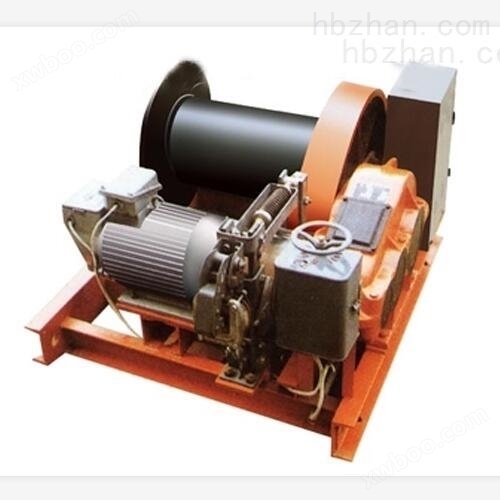
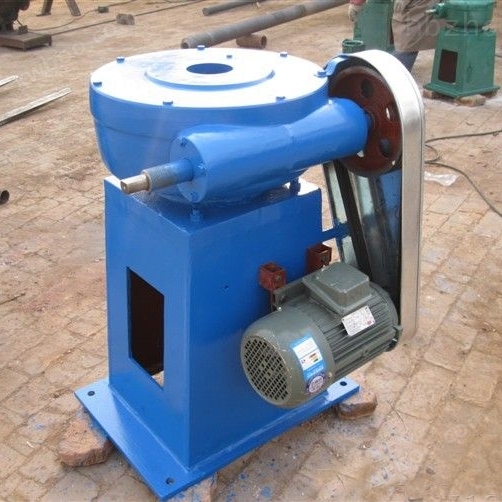
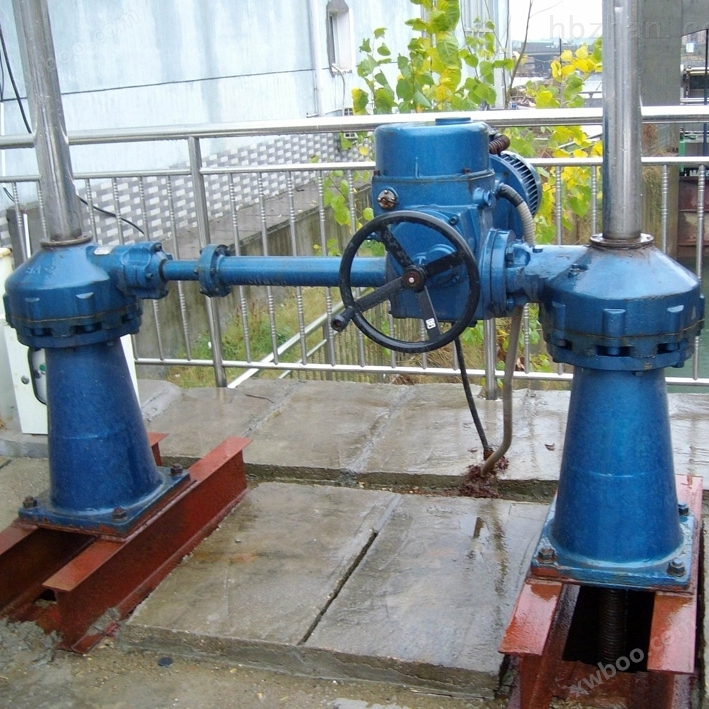
Manufacturer of arc gate winch type opening and closing machineThis product is divided into fixed and mobile types, and has single and double lifting points for users to choose from.
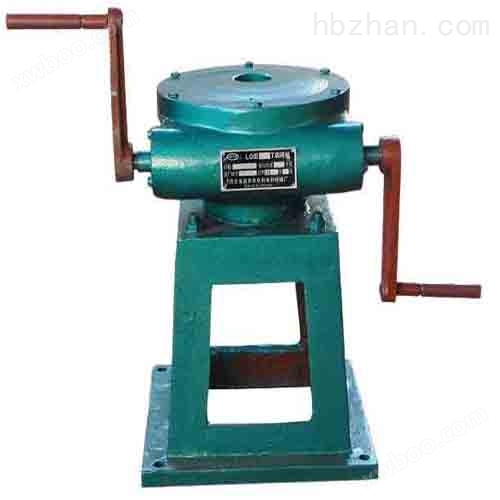
Its specifications mainly include: QPQ ordinary winch hoist, QPK fast winch hoist, QPG high head winch hoist, QHQ arc gate winch hoist, and QPT mobile winch hoist. Hand cranking devices can be added according to user needs. The above products have a lifting capacity of 6-125T and can be used in conjunction with flat and curved gates.
Suitable for large, medium, and small reservoirs, rivers, and water conservancy and hydropower projects.
Manufacturer of arc gate winch type opening and closing machineInstallation precautions;
1. During installation, the foundation of the base should be firm and flat, leaving a position for the foot screws. After the opening and closing machine is in place, it should be leveled and poured into shape.
2. First, wrap the steel wire rope around the balance wheel, with the rope length evenly distributed on both sides. Then, wrap the steel wire rope around the pulley assembly and fix both ends at the end of the drum.
Installation and maintenance of hoisting hoist;
Debugging of the opening and closing machine
1. Under no-load conditions, ensure that the three-phase current imbalance does not exceed plus or minus 10%, and measure the current value. 2. Adjustment of upper and lower limits: When the gate is fully closed, press the upper limit switch tightly and fix it on the screw. When the gate is fully open, press the lower limit plate down on the travel switch and fix it on the screw. 3. The adjustment of the main controller of the hoist must ensure that the error when the gate is raised and lowered to the upper and lower limits does not exceed 1cm. 4. After installation, a trial run must be carried out, and a no-load test must be conducted, which involves allowing the screw to travel in two strokes, listening for any abnormal sounds, and checking whether the installation meets technical requirements. Conduct a load test, perform two strokes under rated load, observe the operation of the screw and gate, and check for any abnormal phenomena. Only after confirming that there are no errors can it be officially put into operation.
Similar Product Recommend