-
E-mail
1554177591@qq.com
-
Phone
18001498990 13616133077
-
Address
Jiangsu Jintan Jindong Industrial Park
Product Categories
- Constant temperature stainless steel electric heating plate
- Electric heating plate series
- High speed homogenizer
- Electric digestion apparatus
- Digital constant temperature digestion instrument
- Sand and Dust Test Chamber
- Waring blender
- Hernia weather resistance test chamber
- UV resistant climate test chamber
Jintan Shuibei Kanghui Experimental Instrument Factory
High speed homogenizer
NegotiableUpdate on 01/22
- Model
- Nature of the Manufacturer
- Producers
- Product Category
- Place of Origin
Overview
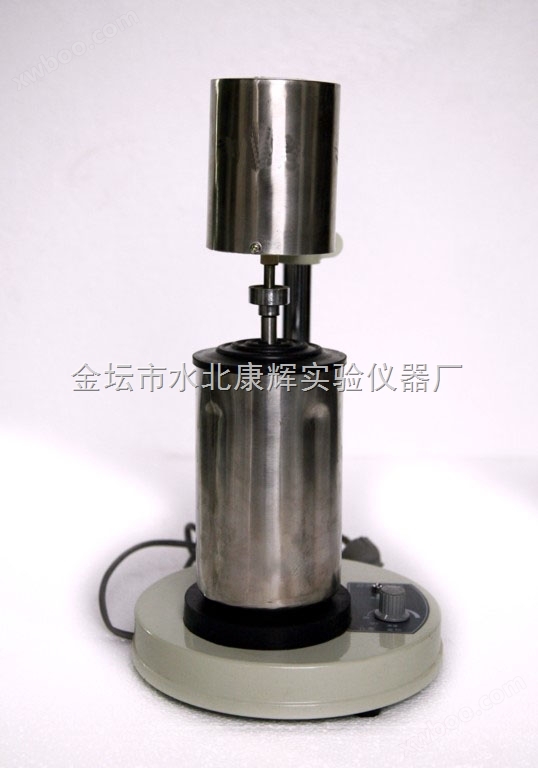
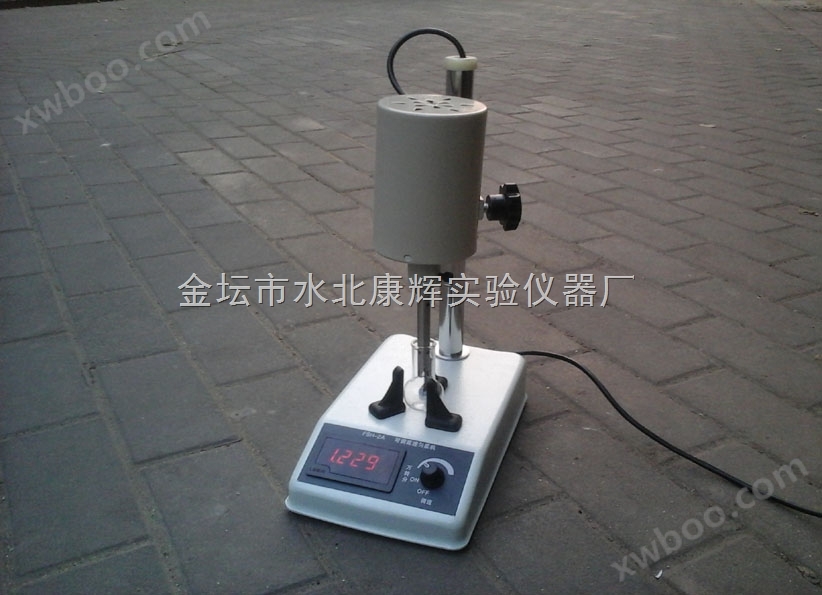
The FSH-2A high-speed homogenizer (also known as high-speed homogenizer, adjustable, high-speed disperser, homogenizer, tissue mashing machine, homogenizer, homogenizer, tissue homogenizer, high-speed cell disperser) is an innovation based on the FS-1 and FS-2 models. In addition to the traditional functions, it adopts a thyristor high-speed adjustment system, and the photoelectric speed measurement adopts an electronic circuit with digital display. FSH-2A is mainly used for animal and plant tissue homogenization and mixing, as well as cell dispersion.
Product Details
FSH-2AHigh speed homogenizerProduct Introduction
1.FSH-2AHigh speed homogenizerisFS-2On the basis of the model, innovation has been carried out, in addition to havingFS-2In addition to its functions, it adopts a controllable silicon high-speed adjustment system, and the photoelectric speed measurement adopts * electronic circuit and digital display. To provide reliable speed basis for the research results, the panel display is clear, the readings are intuitive, and it is easy to use.
2Adopting an internal suction homogenizer structure. Efficient homogenization, emulsification, and extraction of trace organic compounds and lipid soluble substances in water between two immiscible liquids.
3Can achieve homogenization and mixing of various animal and plant tissues.
4Can rupture the cell membrane until nuclear separation, and can use different speeds toDNAChain breakage or breaking down large molecular substances into small molecular substances.
FSH-2ATechnical Indicators:
Model:FSH-2A
Power supply voltage:220V±10% 50Hz
Motor speed:20000turn/divide(FSH-2AFor the upgraded versionFSH-2Motor speed: 22000turn/divide)
Large homogenizer knife:8000-18000turn/divide
Small homogenizer knife:8000-20000turn/divide
place reason Quantity:5ml, 10ml, 15ml, 20ml
When working continuously: ≤5minute
merit Rate:185W
Ambient temperature-10℃~45℃
Whole machine heavy machinery:5kg
Overall dimensions:270mm×170mm×460 mm
FSH-2Ahigh-speedStandard configuration of homogenizer:
(1)Homogenizer mainframe1Taiwan
(2)5mlThe10mlThe15mlThe20mlHomogenization cups each1a
(3)Stainless steel homogenizer knife2pay (Homogenizer knife)1:8000-18000turn/divide,Homogenization knife2:8000-20000turn/Score)
FSH-2AUsage:
1The instrument should be placed on a horizontal workbench.
2The homogenizer blade required for installation must be in place.
3When connecting the power to test the machine, first use a cup or container filled with water to submerge the plum blossom blade in the water. Turn on the power switch and adjust the speed knob slowly to quickly without any obvious metal friction sound( If there is a metal friction sound, turn off the switch and release the supporting blade6m/mTighten the gong nail and randomly rotate the external fixing sleeve upwards to install it in place, then tighten it. Work can only begin after completion.
4Cut the plants or organisms that need to be experimented into small pieces or pieces, place them in randomly equipped glassware, and clamp them on a magnetic bracket In the middle of the (seven character), loosen the fixed motor base8m/mTighten the gong nail and slowly align it with the mouth of the vessel, moving it downwards until the homogenizer head is at the bottom of the vessel2-3m/mFor the sake of profit, tighten it again8m/mLuoTalk.
5The working time for each experiment shall not exceed5minute
FSH-2AMaintenance of:
FSH-2AThe PTFE sleeve inside the blade is a worn part and needs to be replaced after use. First, insert the dispersing head into the polyvinyl fluoride sleeve. At this point, the dispersing head step exceeds the sleeve length0.2Millimeters, if you find the sleeve too long, you can use a trowel to roll one end of the small head to the size, then manually press the polyvinyl fluoride sleeve into the fixed head, and then insert the dispersing head into the sleeve. At this time, the dispersing head must be able to rotate freely in the sleeve. If the sleeve is found to be tight, you can use a φ5Insert the drill bit into the sleeve and pull it, then insert the dispersing head into the sleeve and fasten it to the small shaft. Finally, tighten the fixing sleeve and fixing head.
Attention: After each work is completed, remove the blade and rinse with clean water to dry.
Similar Product Recommend