-
E-mail
1330689358@qq.com
-
Phone
133-3360-8079
-
Address
No.1 South Ring Road, Traffic Road, No. 018 Industrial Park, Dengzhou City, Henan Province
Product Categories
Dengzhou Bangnong (Heerkang) Agricultural Technology Co., Ltd
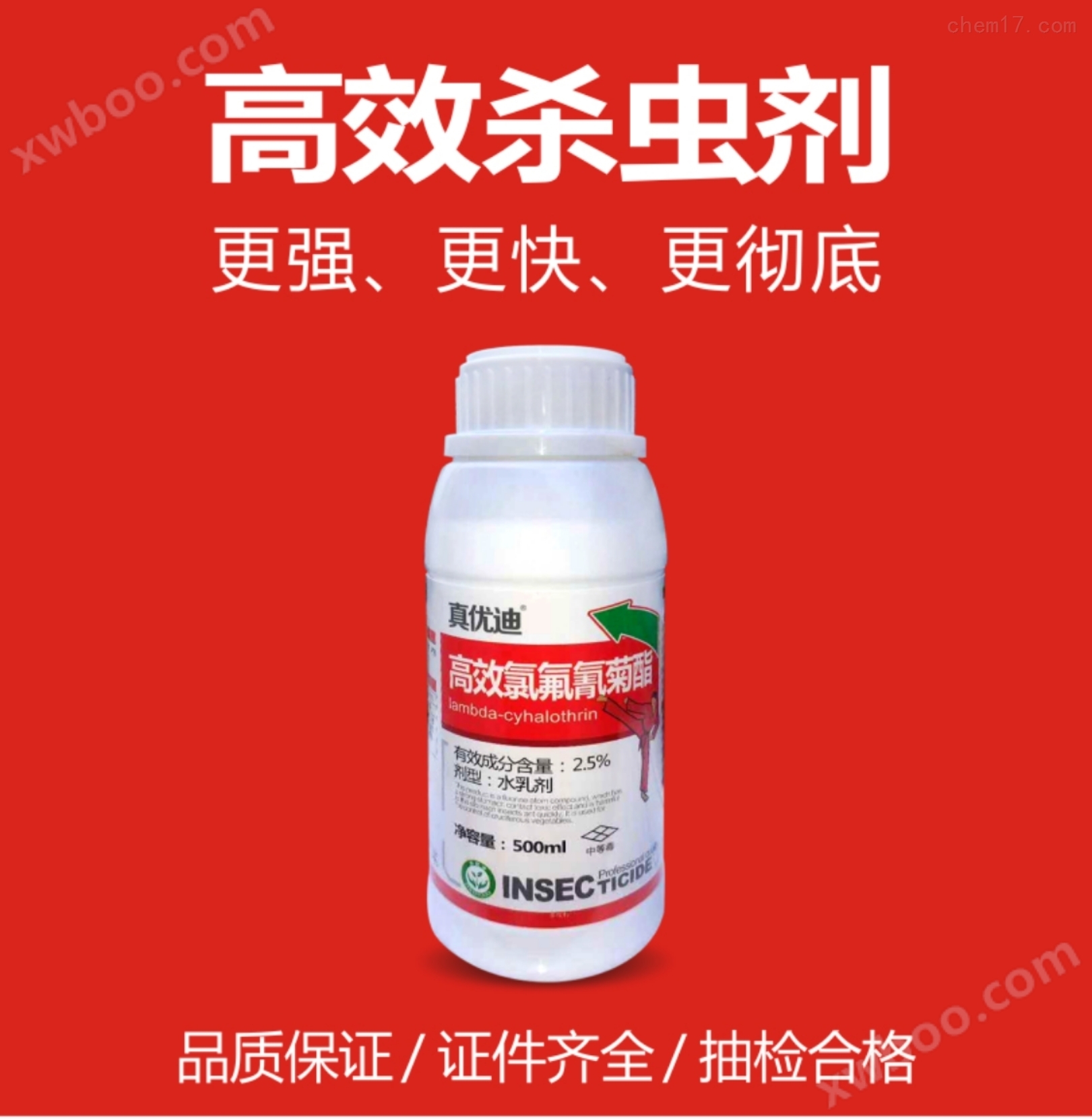
He'erkang insecticide - efficient chlorpyrifos
NegotiableUpdate on 01/21
- Model
- Nature of the Manufacturer
- Producers
- Product Category
- Place of Origin
Overview
He'erkang Chlorfenapyr, also known as Trifluorocypermethrin or Kung Fu Fenpropathrin. Its pharmacological characteristics include inhibiting the conduction of insect nerve axons, exhibiting avoidance, knockdown, and poisoning effects on insects. It has a wide insecticidal spectrum, high activity, rapid efficacy, and is resistant to rainwater erosion after spraying. However, it is prone to developing resistance when used and has a certain preventive effect on pests and mites that prick and suck mouthparts. The difference is that it has a good inhibitory effect on mites. When used in the early stages of mite occurrence, it can suppress the increase in mite numbers. When mites have already occurred in large numbers, their numbers cannot be controlled, so it can only be used for combined treatment of mites and mites
Product Details
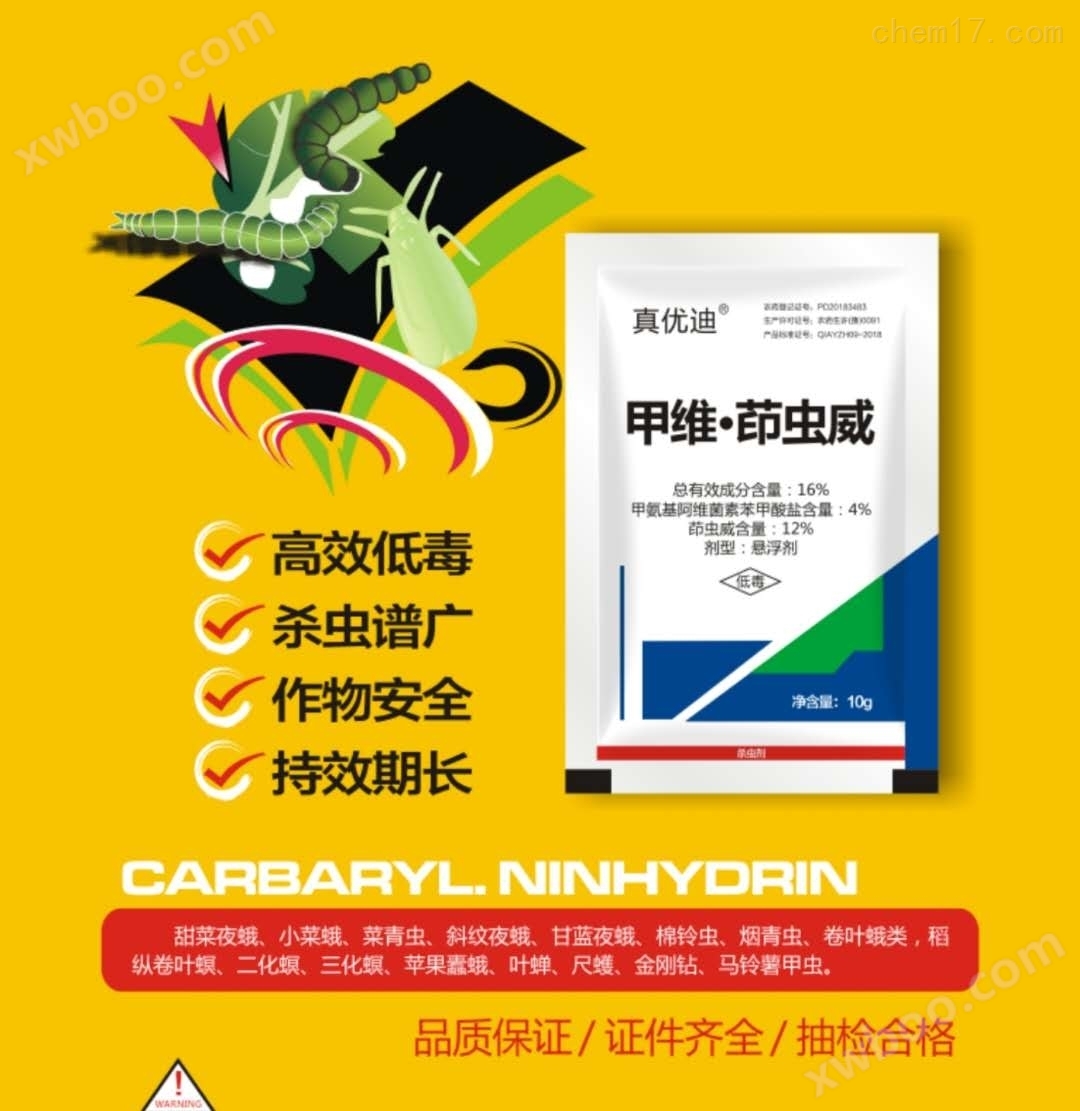
He'erkangApplication of high-efficiency cyhalothrin pesticide
Highly efficient, broad-spectrum, insecticidal and acaricidal agents, mainly with contact and stomach toxicity effects, without systemic absorption. It has good effects on various pests and other pests such as Lepidoptera, Coleoptera, Hemiptera, as well as leaf mites, rust mites, gall mites, tarsal mites, etc. It can be used to treat both pests and mites, and can prevent and control cotton bollworm and cotton bollworm, cabbage caterpillar, vegetable aphid, tea geometer, tea caterpillar, tea orange gall mite, leaf gall mite, citrus leaf moth, orange aphid, as well as citrus leaf mites, rust mites, peach fruit moth and pear fruit moth. It can also be used to prevent and control various surface and public health pests. For example, to control cotton bollworm and cotton bollworm, in the second and third generation egg peak period, 2.5% emulsifiable concentrate shall be spray with 1000~2000 times of liquid, and red spider, bridge worm and cotton bug shall also be treated; The concentrations of 6 ~ 10mg/L and 6.25 ~ 12.5mg/L spray were used to control cabbage caterpillar and cabbage aphid respectively; Control citrus leaf miner by spray with concentration of 4.2~6.2mg/L.
target of prevention and control
Used for preventing and controlling wheat malt, corn, fruit trees, cotton, cruciferous vegetables, and other pests such as corn borer, beet armyworm, corn borer, beet armyworm, heart worm, leaf roller moth, armyworm, butterfly, fruit sucking armyworm, cotton bollworm, red instar worm, cabbage caterpillar, etc. It is also used for preventing and controlling grass moths in grasslands, grasslands, and dry fields.
Half life: 4-12 weeks
Usage:
1. 2000-3000 times spray for fruit trees;
2. Wheat aphid: 20 ml/15 kg water spray, sufficient water;
3. Corn borer: 15ml/15kg water spray, focusing on corn core;
4. Underground pests: 20 ml/15 kg water spray, sufficient water; Not suitable for use due to soil drought;
5. Rice stem borer: 30-40 milliliters/15 kilograms of water, applied during the early or early stages of pest damage.
Prevention and control methods
1. The ground tiger, spray, requires sufficient water;
2. Grubs and golden needle worms: seed dressing can be the main method of prevention. When pests occur, spray can be used to irrigate the roots, but the amount of water per mu is not less than 45kg;
3. It contains special attractants, which have a more prominent effect on preventing ground tigers and can achieve the effect of dead insects on the ground;
4. Due to its large usage, this type of product is safer and more environmentally friendly to use than organic phosphorus;
5. To prevent and control jumping beetle larvae, root irrigation treatment is required during the seedling stage.

Similar Product Recommend