-
E-mail
2100680668@qq.com
-
Phone
13661889606
-
Address
Shanghai
Product Categories
- Specialized chromatograph for non methane total hydrocarbon determination
- gas generator
- Chromatography accessories and consumables
- Chromatography of Acetaldehyde Content in Medicinal Polyester Bottles
- 26 types of gas chromatography for pesticide residue detection
- Industry specific gas chromatograph
- Special gas chromatograph for hydrogen sulfide analysis
- Analysis of residual solvents in plastic flexible packaging
- Cigarette pack VOC analysis gas chromatograph
- Industry specific chromatographic column
- Determination of water content in wall coatings by chromatography
Shanghai Xinuo Instrument Co., Ltd

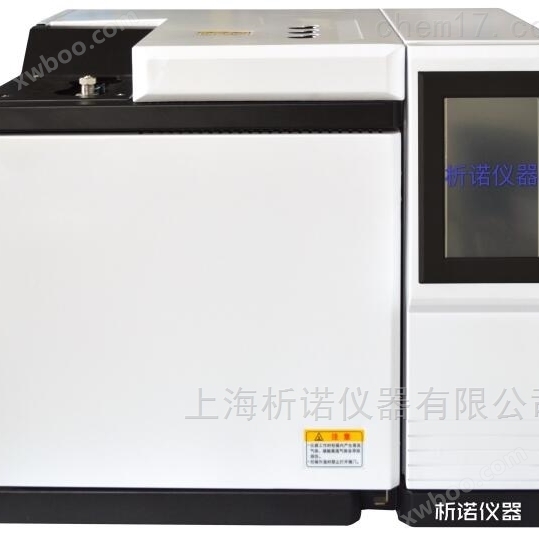
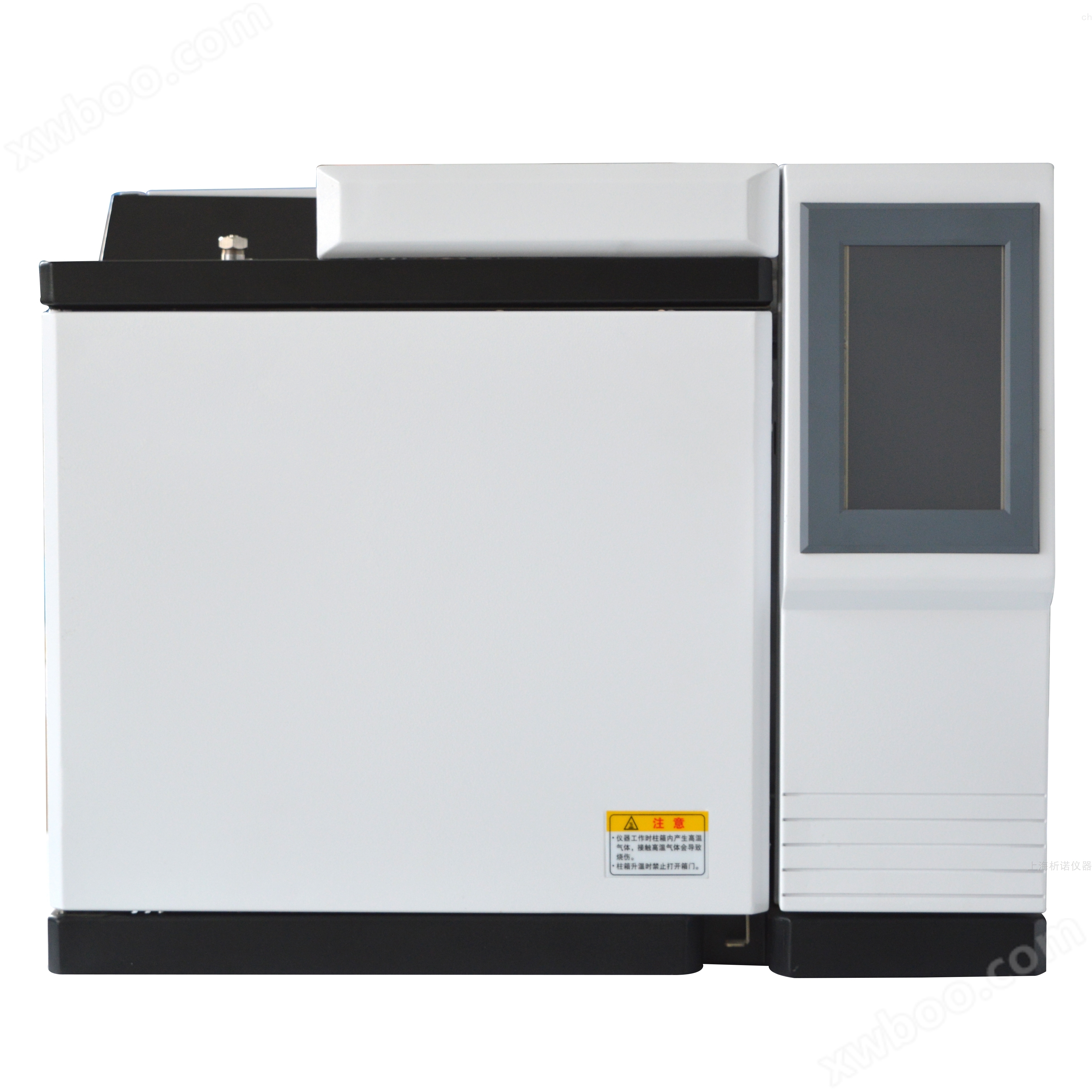
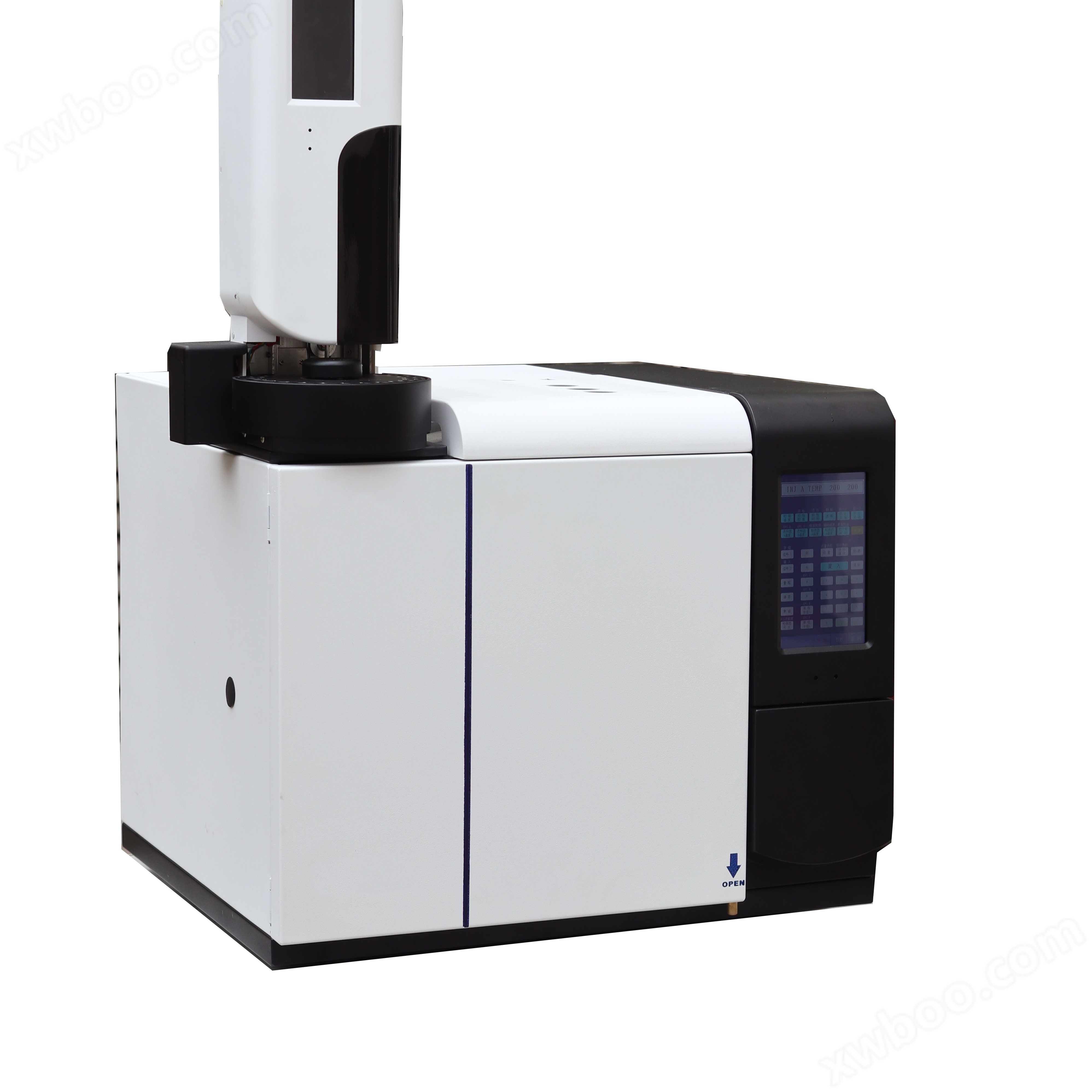
Gas chromatograph for residual solvents in plastic flexible packaging
NegotiableUpdate on 01/22
- Model
- Nature of the Manufacturer
- Producers
- Product Category
- Place of Origin
Overview
Gas chromatograph for residual solvents in plastic flexible packaging. Plastic flexible packaging uses a large amount of organic solvents in printing, compounding, and coating processes, such as toluene, xylene, ethyl acetate, butanone, butyl acetate, ethanol, isopropanol, etc. These solvents will more or less remain in the composite packaging. If the solvent residue is high and used to package food, drugs, etc., it will not only affect the taste of the food, but also harm people's health. Therefore, the residual solvent amount in the composite film should be detected.
Product Details
Gas chromatograph for residual solvents in plastic flexible packagingPlastic flexible packaging uses a large amount of organic solvents in printing, lamination, and coating processes, such as toluene, xylene, ethyl acetate, butanone, butyl acetate, ethanol, isopropanol, etc. These solvents will more or less remain in the composite packaging. If the solvent residue is high and used to package food, drugs, etc., it will not only affect the taste of the food, but also harm people's health. Therefore, the residual solvent amount in the composite film should be detected.
This machine adopts a 5.7-inch LCD vertical display with a large Chinese screen, providing clear and intuitive images. 10 temperature control values can be displayed simultaneously on the same interface, with reserved areas for fault alarm location and time display.The PID temperature control system utilizes the characteristics of bus development technology, adopts control chips, and dual over temperature protection of temperature control software and hardware to ensure the operation of the temperature control system.
Main technical parameters:
Pressure protection method: The carrier gas has pressure protection function. When the gas pressure drops to 0.1mpa, the instrument automatically cuts off the power supply to effectively protect the safety of the chromatographic column.
FID has automatic ignition function, no need for manual ignition
Display mode: 320 × 240 Chinese vertical LCD display
Temperature control area: 10 temperature control channels
Temperature control accuracy: ± 0.1 ℃ - ± 0.2 ℃
Temperature control range: Room temperature ± 8 ℃ -450 ℃, with increments of 1 ℃
Program heating: 16 stage program heating, heating rate 0.1-40 ℃/min, with increments of 0.1 ℃,
Initial and termination time range: 0-6000min, with increments of 1min.
Extreme temperature: protection value 450 ℃
External events: 8-channel external events can be installed with solenoid valves, etc
Power supply: 220V 50HZ 2000W
Gas chromatograph for residual solvents in plastic flexible packaging
Technical specifications of detector
Hydrogen flame ionization detector (FID)
Detection limit: Mt ≤5×10-12G/s (n-hexadecane-isooctane solution);
Noise: ≤ 5 × 10-14A
Drift: ≤ 1 × 10-13A/30min
● Linear range: ≥ 106
● Ignition mode: manual or automatic (customer requirement)
Thermal conductivity detector (TCD):
Sensitivity: S ≥ 3500mV • ml/mg (conventional)
5000mV • ml/mg (highly sensitive) (benzene toluene solution)
Noise: ≤ 10 μ V
Baseline drift: ≤ 30 μ V/30min
● Linear range: ≥ 104
Electron Capture Detector (ECD):
Detection limit: ≤ 1 × 10-14g/s
Noise: ≤ 0.03mV
Baseline drift: ≤ 0.2mV/30min
● Linear range: ≥ 103
● Radioactive source: 63Ni
Flame photometric detector (FPD):
Detection limit: (S) ≤ 5 × 10-11g/s ,(P)≤1×10-12g/s;
Noise: ≤ 0.03mV
Baseline drift: ≤ 0.2mV/30min
● Linear range: ≥ 103(S),102(P)
For more gas chromatography application methods, please consult if needed!
HJ 38-2017 Determination of Total Hydrocarbons, Methane and Non Methane Total Hydrocarbons in Waste Gas from Fixed Pollution Sources Gas Chromatography Method
HJ 760-2015 Solid Waste Determination of Volatile Organic Compounds Headspace Gas Chromatography Method
HJ 768-2015 Solid Waste - Determination of Organophosphorus Pesticides - Gas Chromatography Method
HJ 869-2017 Determination of Phthalates in Waste Gas from Fixed Pollution Sources by Gas Chromatography
HJ 874-2017 Solid Waste Determination of Acrylonitrile and Acetonitrile Headspace Gas Chromatography
HJ 583-2010 Determination of Benzene Compounds in Environmental Air Solid Adsorption Thermal Desorption Gas Chromatography Method
HJ 584-2010 Determination of Benzene Compounds in Environmental Air Activated Carbon Adsorption/Carbon Disulfide Desorption Gas Chromatography Method
HJ 604-2011 Determination of total hydrocarbons in ambient air by GC method
HJ 738-2015 Environmental Air Determination of Nitrobenzene Compounds Gas Chromatography Method
HJ 604-2017 Determination of Total Hydrocarbons, Methane, and Non Methane in Environmental Air - Direct Injection Gas Chromatography Method
HJ 901-2017 Determination of Organochlorine Pesticides in Environmental Air Gas Chromatography Method
HJ 903-2017 Determination of Polychlorinated Biphenyls in Environmental Air Gas Chromatography Method
HJ 904-2017 Determination of Polychlorinated Biphenyls Mixtures in Environmental Air Gas Chromatography Method
HJ 621-2011 Determination of Chlorobenzenes in Water Quality Gas Chromatography Method
HJ 648-2013 Determination of Nitrobenzene Compounds in Water Quality Liquid Liquid Extraction Solid Phase Extraction Gas Chromatography Method
HJ 676-2013 Determination of Phenolic Compounds in Water Quality Liquid Liquid Extraction Gas Chromatography Method
HJ 686-2014 Determination of Volatile Organic Compounds in Water Quality - Gas Chromatography with Sweep Capture (Draft)
HJ 697-2014 Water Quality - Determination of Acrylamide - Gas Chromatography Method (Draft)
HJ 698-2014 Determination of Baijunqing in Water Quality Gas Chromatography Method (Draft)
HJ 758-2015 Determination of Haloacetic Acid Compounds in Water Quality Gas Chromatography Method
Similar Product Recommend