-
E-mail
2179629483@qq.com
-
Phone
15618637748
-
Address
No. 2 Base, 466 Xintang Road, Zhelin Town, Fengxian District, Shanghai
Product Categories
Shuoxiang Valve (Shanghai) Co., Ltd
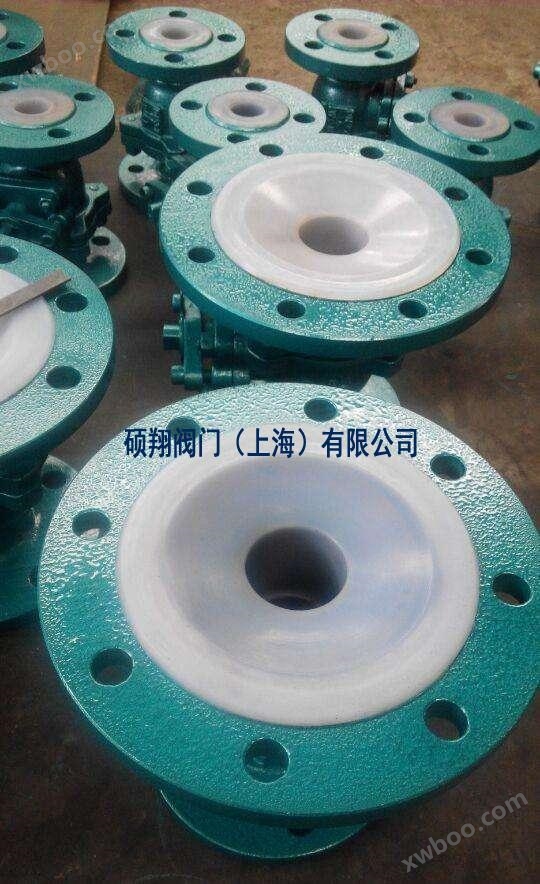
Fluorine lined discharge ball valve FQ41F46/FQ41PFA
NegotiableUpdate on 01/21
- Model
- Nature of the Manufacturer
- Producers
- Product Category
- Place of Origin
Overview
GB12237HG20592FQ41F46 Fluorine lined Discharge Ball Valve Brief Introduction FQ41F46 Fluorine lined Discharge Ball Valve Series Products are extension products of fluorine lined ball valves
Product Details

GB12237
HG20592
HG20592
A Brief Introduction to FQ41F46 Fluorine lined Discharge Ball Valve
The FQ41F46 fluorine lined discharge ball valve series is an extension product of fluorine lined ball valves, designed for opening and closing control of various highly corrosive media. The two ends of the valve have flanges of different sizes, with one end being a standard flange and the other end being a flange that matches the discharge hole at the bottom of the reaction vessel, making it easy to connect to the bottom of the reaction vessel
Detailed information of FQ41F46 fluorine lined discharge ball valve
FQ41F46 fluorine lined discharge ball valve
Nominal diameter: DN15~250 (mm) perfluoroethylene propylene FEP F46
Nominal pressure: PN1.0 (Mpa) soluble tetraPFA FA
Operating temperature: -20~180 ℃ Polyvinylidene fluoride PVDF F2
Structural form: Straight through tetrafluoroethylene/ethylene ETFE F40
Connection method: flange
Valve body material: cast steel, carbon steel, stainless steel
Drive device: manual, pneumatic actuator, electric actuator
Applicable media: strong acid, strong alkali, strong oxidizing media
1、 Overview of FQ41F46 Fluorine lined Discharge Ball Valve
The FQ41F46 fluorine lined discharge ball valve series products are an extension of fluorine lined ball valves, designed for the opening and closing control of various highly corrosive media. The flange sizes of the valve's two ends are different, with one end being a standard flange and the other end being a flange that matches the discharge hole at the bottom of the reaction vessel, making it easy to connect to the bottom of the reaction vessel. Its structural form is a floating straight through type, with a flange connection form. The valve shell is made of carbon steel lined with fluoroplastic, and the valve ball is made of metal embedded parts that are integrated with the valve stem and wrapped in fluoroplastic technology. It has the characteristics of good corrosion resistance, flexible opening and closing, fast operation, beautiful appearance, high strength, and durability. It is a widely used corrosion-resistant valve in modern chemical processes.
2、 Application of FQ41F46 fluorine lined discharge ball valve
The Q41F-F series fluorine lined discharge ball valve adopts fluoroplastic lining technology, and the valve body is precision cast by investment casting, with high strength and smooth appearance. All the overcurrent components in contact with the liquid are made of fluoroplastic, so it can be used for any concentration of corrosive pipelines and pipeline work in the range of -50 ℃ to 180 ℃ for a long time.
FQ41F46, FEP (F46), PCTFE (F3) fluorine lined discharge ball valve is suitable for use in pipelines with various concentrations of aqua regia, sulfuric acid, hydrochloric acid, hydrofluoric acid, and various organic acids, strong acids, and strong oxidants from -50 ℃ to 150 ℃. FEP is also suitable for use in pipelines with various concentrations of strong alkaline organic solvents and other corrosive gases and liquid media.
3、 Working principle of FQ41F46 fluorine lined discharge ball valve
The working principle of the Q41F-F series fluorine lined discharge valve is to rotate the valve disc to make the valve smooth or closed. The valve disc and the inner side of the valve body are all made of fluoroplastic lining technology, which has the advantages of lightweight switch, small volume, reliable sealing, simple structure, easy maintenance, and wide range of use.
4、 Design Features of FQ41F46 Fluorine lined Discharge Ball Valve
The basic series of discharge ball valves is Q41F type, which has the advantages of low fluid resistance, fast opening and closing speed, and simple structure that general ball valves have. In addition, it also has the following advantages:
1. The ball valve with fluoroplastic lining layer has chemical stability and can be applied to any highly corrosive chemical medium;
2. Adopting a full bore and floating ball structure, the valve can be closed without leakage throughout the entire pressure range, which is more convenient for ball cleaning and pipeline maintenance of the pipeline system;
3. The spherical opening and closing components are integrated with the valve stem through casting (forging), eliminating the possibility of the valve stem impacting the pressure bearing components due to pressure changes, fundamentally ensuring safety during use;
4. The structure is compact and reasonable, with the smallest internal space of the valve body, reducing medium retention. In addition, the special molding process ensures good density of the sealing surface, and the combination of herringbone ring PTFE packing enables the valve to achieve zero leakage.
The FQ41F46 fluorine lined discharge ball valve series is an extension product of fluorine lined ball valves, designed for opening and closing control of various highly corrosive media. The two ends of the valve have flanges of different sizes, with one end being a standard flange and the other end being a flange that matches the discharge hole at the bottom of the reaction vessel, making it easy to connect to the bottom of the reaction vessel
Detailed information of FQ41F46 fluorine lined discharge ball valve
FQ41F46 fluorine lined discharge ball valve
Nominal diameter: DN15~250 (mm) perfluoroethylene propylene FEP F46
Nominal pressure: PN1.0 (Mpa) soluble tetraPFA FA
Operating temperature: -20~180 ℃ Polyvinylidene fluoride PVDF F2
Structural form: Straight through tetrafluoroethylene/ethylene ETFE F40
Connection method: flange
Valve body material: cast steel, carbon steel, stainless steel
Drive device: manual, pneumatic actuator, electric actuator
Applicable media: strong acid, strong alkali, strong oxidizing media
1、 Overview of FQ41F46 Fluorine lined Discharge Ball Valve
The FQ41F46 fluorine lined discharge ball valve series products are an extension of fluorine lined ball valves, designed for the opening and closing control of various highly corrosive media. The flange sizes of the valve's two ends are different, with one end being a standard flange and the other end being a flange that matches the discharge hole at the bottom of the reaction vessel, making it easy to connect to the bottom of the reaction vessel. Its structural form is a floating straight through type, with a flange connection form. The valve shell is made of carbon steel lined with fluoroplastic, and the valve ball is made of metal embedded parts that are integrated with the valve stem and wrapped in fluoroplastic technology. It has the characteristics of good corrosion resistance, flexible opening and closing, fast operation, beautiful appearance, high strength, and durability. It is a widely used corrosion-resistant valve in modern chemical processes.
2、 Application of FQ41F46 fluorine lined discharge ball valve
The Q41F-F series fluorine lined discharge ball valve adopts fluoroplastic lining technology, and the valve body is precision cast by investment casting, with high strength and smooth appearance. All the overcurrent components in contact with the liquid are made of fluoroplastic, so it can be used for any concentration of corrosive pipelines and pipeline work in the range of -50 ℃ to 180 ℃ for a long time.
FQ41F46, FEP (F46), PCTFE (F3) fluorine lined discharge ball valve is suitable for use in pipelines with various concentrations of aqua regia, sulfuric acid, hydrochloric acid, hydrofluoric acid, and various organic acids, strong acids, and strong oxidants from -50 ℃ to 150 ℃. FEP is also suitable for use in pipelines with various concentrations of strong alkaline organic solvents and other corrosive gases and liquid media.
3、 Working principle of FQ41F46 fluorine lined discharge ball valve
The working principle of the Q41F-F series fluorine lined discharge valve is to rotate the valve disc to make the valve smooth or closed. The valve disc and the inner side of the valve body are all made of fluoroplastic lining technology, which has the advantages of lightweight switch, small volume, reliable sealing, simple structure, easy maintenance, and wide range of use.
4、 Design Features of FQ41F46 Fluorine lined Discharge Ball Valve
The basic series of discharge ball valves is Q41F type, which has the advantages of low fluid resistance, fast opening and closing speed, and simple structure that general ball valves have. In addition, it also has the following advantages:
1. The ball valve with fluoroplastic lining layer has chemical stability and can be applied to any highly corrosive chemical medium;
2. Adopting a full bore and floating ball structure, the valve can be closed without leakage throughout the entire pressure range, which is more convenient for ball cleaning and pipeline maintenance of the pipeline system;
3. The spherical opening and closing components are integrated with the valve stem through casting (forging), eliminating the possibility of the valve stem impacting the pressure bearing components due to pressure changes, fundamentally ensuring safety during use;
4. The structure is compact and reasonable, with the smallest internal space of the valve body, reducing medium retention. In addition, the special molding process ensures good density of the sealing surface, and the combination of herringbone ring PTFE packing enables the valve to achieve zero leakage.


Similar Product Recommend