-
E-mail
13918317606@163.com
-
Phone
13918317606
-
Address
Shanghai Songjiang District Sijing Town
Product Categories
Shanghai Hengyu Instrument Co., Ltd
Electronic fatigue testing machine
NegotiableUpdate on 01/22
- Model
- Nature of the Manufacturer
- Producers
- Product Category
- Place of Origin
Overview
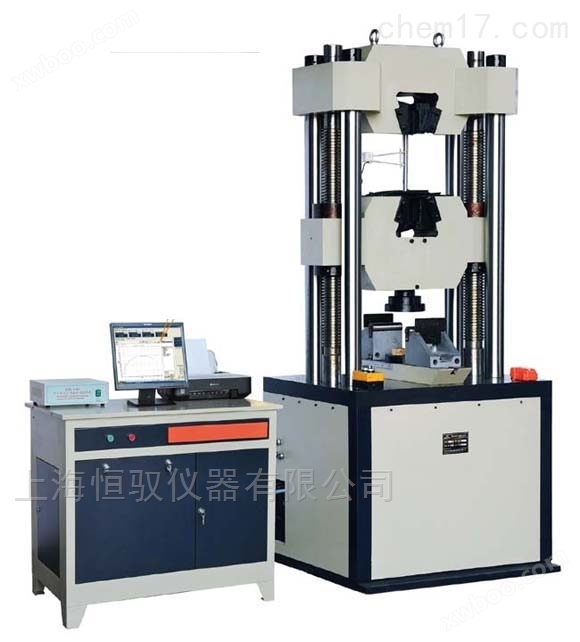
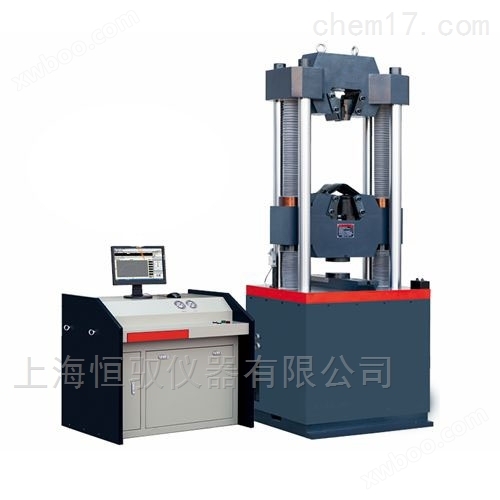
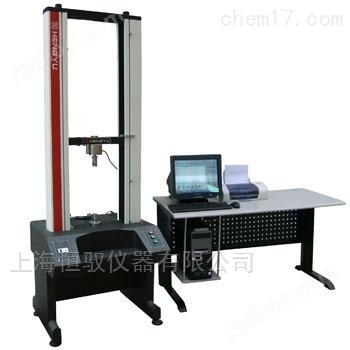
The electronic fatigue testing machine for measurement and control production consists of an electronic servo drive system with a high rigidity host, a fully digital controller, a high-precision testing system, and a microcomputer control system.
Product Details
Electronic fatigue testing machineIntroduction
The electronic fatigue testing machine for measurement and control production is composed of a high rigidity host electronic servo drive system, a fully digital controller, a high-precision testing system, a microcomputer control system, etc. It is a fatigue durability testing system for various biomaterials, surgical implant materials, materials, elastic materials, and other specimens. The system is mainly used for mechanical performance testing such as tensile fatigue, compression fatigue, three-point bending fatigue, and four point bending fatigue durability life. And it can conduct tests and provide data according to GB, ISO, DIN, ASTM, JIS, YY and other standards or industry standards. It can automatically obtain test parameters such as fatigue strength, fatigue load, fatigue cycle times, fatigue limit values, etc., automatically draw various test curves, such as sine wave, triangular wave, square wave, oblique wave, random wave and other waveform curves, automatically print test reports and test curves, and is widely used in quality inspection departments such as research institutes, colleges and universities, medicine, and biotechnology. According to the standards GB/T2611-2007 "General Technical Requirements for Testing Machines" and JB9397-2002 "Technical Conditions for Tensile and Compressive Fatigue Testing Machines".
Electronic fatigue testing machineMain technical parameters
1. Maximum testing force: 5000N;
2. Accuracy of test force indication: within the range of 1% -100% FS;
3. Dynamic indication fluctuation of test force: ± 0.5% FS;
4. Maximum displacement of actuator: ± 50mm; indication accuracy ± 0.5% FS;
5. Main test waveforms: sine wave, square wave, triangular wave, oblique wave, and sine block wave, etc.
6. Control method: displacement or test force closed-loop control;
7. Test frequency range: 0.1-15Hz,
8. Experimental space: height adjustable space ≥ 600mm;
9. T-shaped workbench, which can easily connect various testing fixtures;
10. The actuator is an electronic servo system with exquisite appearance, easy operation, and excellent performance;
11. Real time display, playback, amplification, analysis, storage, and output functions of experimental data;
working conditions
1. Environmental temperature: 10-30 ℃
2. Relative humidity: ≤ 80%
3. Power supply: three-phase five wire system, 380V ± 10% 50Hz well grounded, power of approximately 5kW
4. The testing machine should be installed on a stable foundation with a levelness of 0.2/1000
Similar Product Recommend