-
E-mail
402069558@qq.com
-
Phone
13812049825
-
Address
No. 8, Jingfa 6th Road, Shuofang Town, New District, Wuxi City
Product Categories
Wuxi Zhongya Environmental Testing Equipment Co., Ltd
Cryogenic treatment equipment
NegotiableUpdate on 01/22
- Model
- Nature of the Manufacturer
- Producers
- Product Category
- Place of Origin
Overview
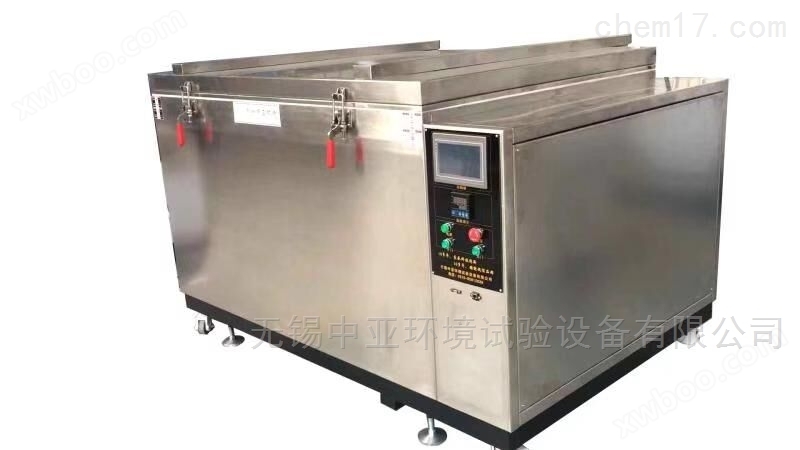
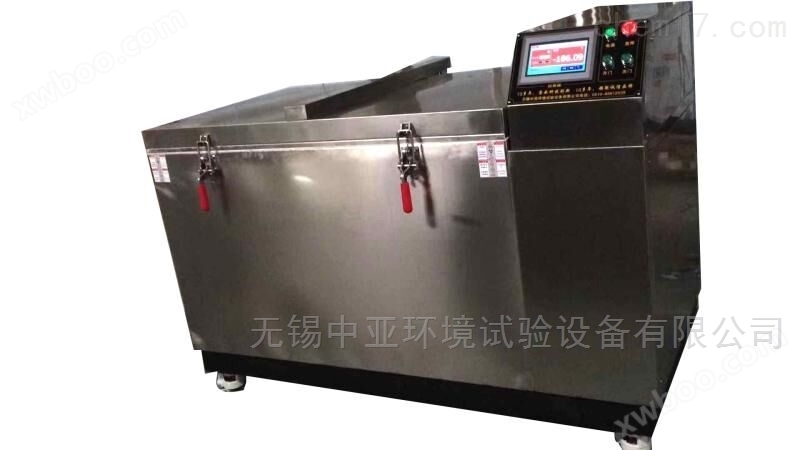
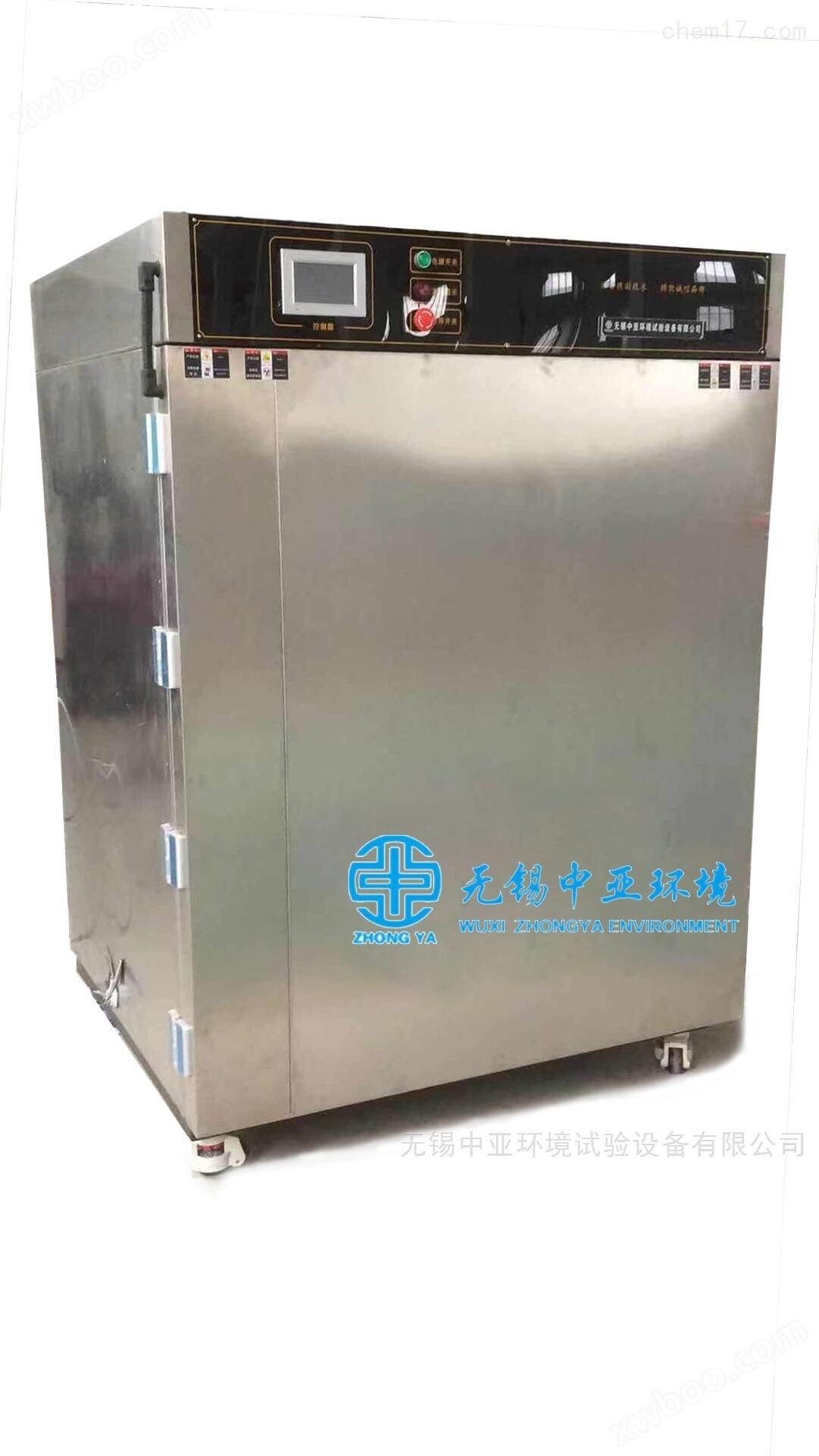
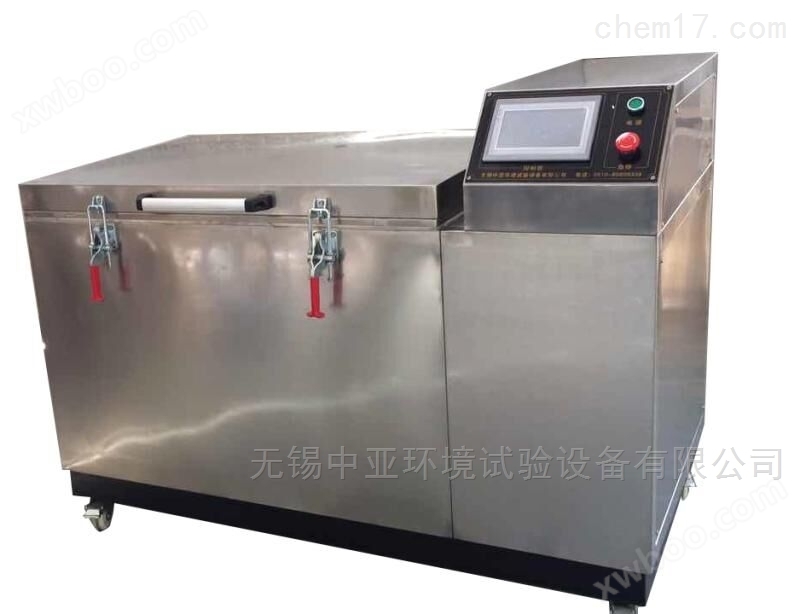
Cryogenic treatment equipment utilizes cryogenic treatment technology to improve the service life of molds and increase the economic benefits of enterprises. Therefore, low-temperature modification technology has been applied in the mold industry, achieving good economic benefits, and has great practical value. Ultra deep cryogenic boxes have broad application prospects in aerospace, weapons, engineering machinery, roads and bridges, semiconductors, electrical appliances, computers and other fields.
Product Details
Cryogenic technology can improve the performance of metal materials, which is an effective and economical technical indicator. During the cryogenic process, martensite transforms residual austenite, while fine dispersed carbides can hinder the movement of dislocations and precipitate ultrafine carbides in the material's properties, thereby strengthening the matrix structure and exerting the strengthening effect of grain boundaries, resulting in improvements in the following three aspects: impact toughness, wear resistance, and dimensional stability.
In industry, the treatment method of further cooling materials that have undergone ordinary heat treatment to 100 ℃~196 ℃ is called cryogenic treatment. It can reduce the residual oxygen content, promote the precipitation of small carbides, reduce intergranular tensile stress, and thereby improve the following macroscopic properties:
Improve hardness: High speed steel and mold steel increase Rockwell hardness by 1-2 degrees.
Improve wear resistance: The wear resistance of Cr12MoV steel is increased by 30%, and the wear resistance of 20Ni3Mo carburizing steel is increased by 89%.
Improve bending strength: The bending strength of 440A cast stainless steel has been increased from 1135MPa to 1355MPa.
Improve toughness: The impact energy of W6Mo5Cr4V2 has been increased from 18J to 40J.
Improve red hardness: The hardness of W18Cr4V increased from Rockwell hardness 57.9 to 63.9 at 625 ℃.
Improve dimensional stability: The residual austenite of 95Crl8 stainless steel is reduced from 35% to 10%.
Improving conductivity: The resistivity of copper alloy Cu-15Ni-8Sn decreased from 286 × l0-7 Ω. m to 1.5l × l0-7 Ω. m.
With the development of liquid nitrogen low-temperature technology and the improvement of experimental methods, research on cryogenic treatment has gradually deepened, and the research scope has now extended from iron production to powder metallurgy, copper, aluminum alloys, and other non-metallic materials. The application industry covers many fields such as aerospace, hardware, tools, molds, friction parts, precision machining, measuring tools, textiles, automobiles, etc.
Cryogenic technology is currently the most effective and economical way to improve the performance of metal material workpieces. Characterized by consumables, low power consumption, and no environmental pollution, it is a new type of environmental protection technology. At present, this technology has been widely applied in industries such as aerospace, shipbuilding, military, manufacturing, automotive, hardware tools, sports equipment, etc.