-
E-mail
760175302@qq.com
-
Phone
15163622234
-
Address
Weicheng District, Weifang City
Product Categories
Shandong Quanwei Environmental Protection Water Treatment Equipment Co., Ltd
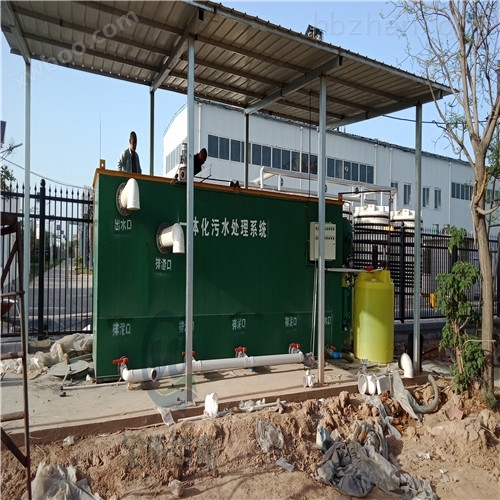
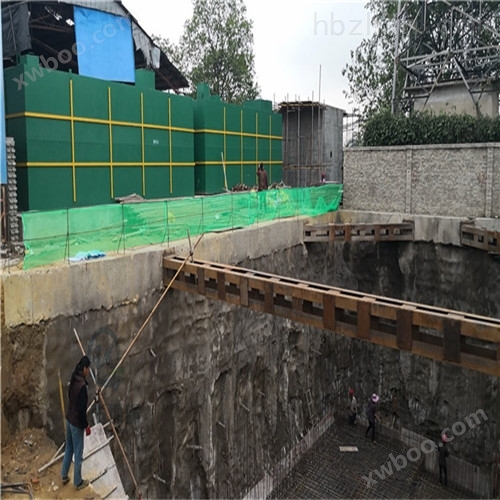
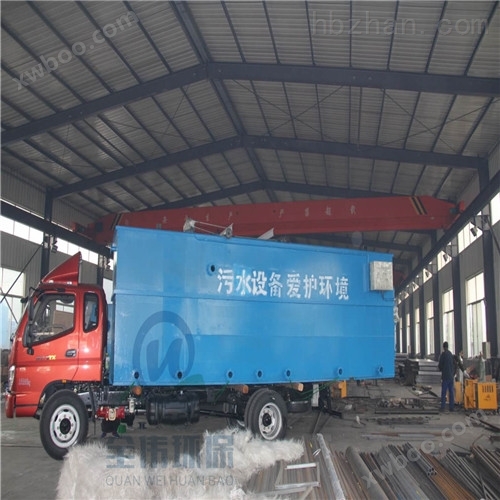
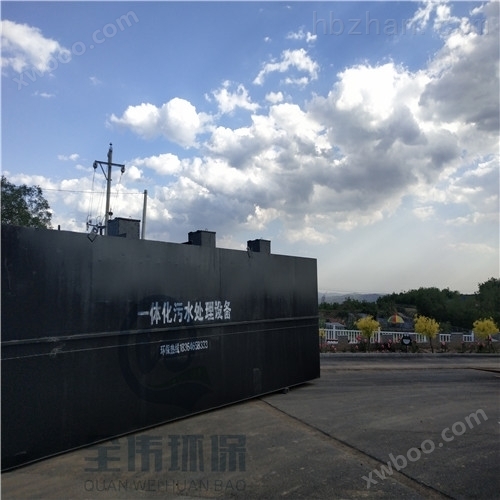
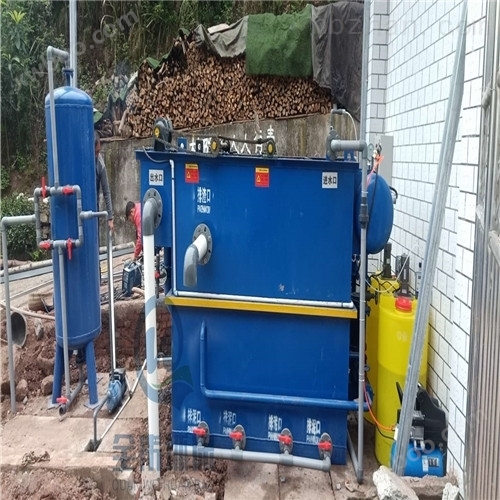
Case study of Jiuquan ink wash wastewater treatment equipment project
NegotiableUpdate on 01/21
- Model
- Nature of the Manufacturer
- Producers
- Product Category
- Place of Origin
Overview
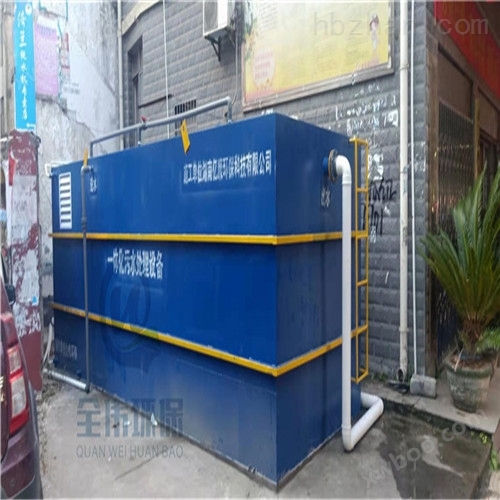
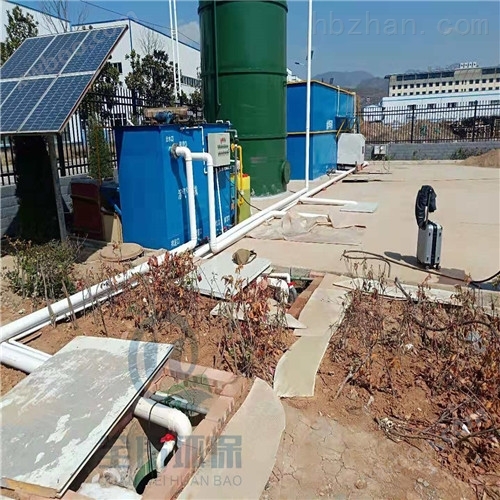
Case study of Jiuquan ink wash wastewater treatment equipment project, in order to control the dissolved oxygen in the biochemical tank below 0.2mg/l, intermittent aeration is used in the tank. *The packing material for the biochemical tank adopts a new type of spherical packing material. The integrated sewage treatment equipment process adopts an integrated sewage treatment equipment without increasing civil engineering investment. It is a steel composite equipment mainly used for the treatment of domestic sewage, and the main treatment method adopts the currently mature biochemical treatment technology contact oxidation method.
Product Details
Case study of Jiuquan ink wash wastewater treatment equipment project-Shandong Quanwei Environmental Protection Water Treatment Equipment Co., Ltd
Integrated sewage treatment equipment
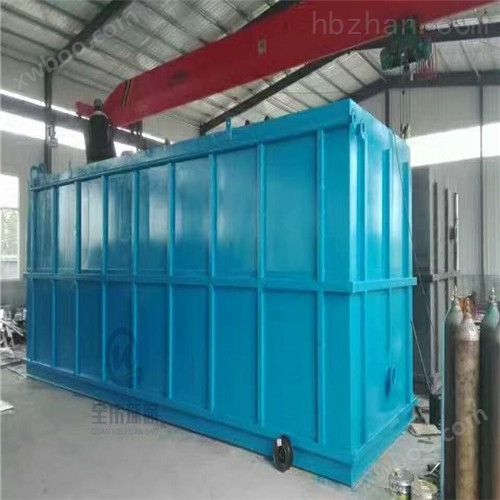
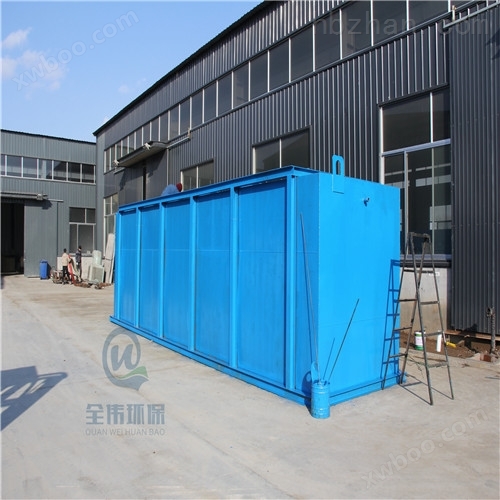
This process adopts an integrated sewage treatment equipment without increasing civil engineering investment. It is a steel composite equipment mainly used for the treatment of domestic sewage. The main treatment method adopts the currently mature biochemical treatment technology contact oxidation method, which consists of six parts:
(1) Biochemical pool
In order to control the dissolved oxygen in the biochemical tank below 0.2mg/l, intermittent aeration is used in the tank. *The packing material for the biochemical tank adopts a new type of spherical packing material. This type of filler has the advantages of being difficult to block, lightweight, having a large specific surface area, stable treatment effect, and easy to maintain and replace, with a retention time of ≥ 7 hours.
(2) O-level biochemical pool
The packing material for the O-grade biochemical tank adopts spherical biological carrier packing set in the tank, which has a larger specific surface area than general biological packing, 16-20 times (same unit volume), thus maintaining a high biomass in the tank and achieving the goal of high-speed removal of organic pollutants. The aeration equipment adopts blowers and microporous aerators, with an oxygen utilization rate of over 30, effectively saving operating costs. The residence time is ≥ 7 hours, and the gas water ratio is around 12:1.
(3) Sedimentation tank
The inclined plate sedimentation tank is a combined sedimentation tank designed based on the shallow pool sedimentation theory. Set up many dense inclined plates in the settling area to allow suspended impurities in the water to settle in the inclined plates or inclined pipes. The water rises and flows along the inclined plates or inclined pipes, and the separated sludge slides down along the inclined plates to the bottom of the pool under the action of gravity, and is then discharged in a concentrated manner. This type of pond can improve sedimentation efficiency by 50-60% and increase processing capacity by 3-5 times on the same area.

Case study of Jiuquan ink wash wastewater treatment equipment project-Shandong Quanwei Environmental Protection Water Treatment Equipment Co., Ltd
sedimentation tank
The sedimentation tank is used to remove relatively dense particles such as sand and coal slag from water. The sedimentation tank is generally located in front of the sewage treatment plant to prevent wear and tear on other mechanical equipment used for treating sewage.
A sedimentation tank uses the force of gravity to separate suspended impurities from water. It can separate particles with a diameter of 20-100 μ m or larger. According to the direction of water flow in the sedimentation tank, it can be divided into three types: horizontal flow, radial flow, and vertical flow.
① Horizontal sedimentation tank. Wastewater flows into the pool from one end and flows horizontally within the pool. Suspended solids in the water gradually sink to the bottom of the pool, while clarified water overflows from the other end.
② Radial flow sedimentation tank. Pools are mostly circular with larger diameters, generally ranging from 20 to 30 meters, and are suitable for large water treatment plants. After entering the central cylinder through the inlet pipe, the raw water flows radially towards the periphery of the sedimentation tank through the holes on the cylinder wall and the annular perforated baffle on the periphery. Due to the increasing cross-section of the water passage, the flow velocity gradually decreases, and particles settle down. Clear water overflows from its surroundings and flows into the collection tank for discharge.
③ Vertical flow sedimentation tank. The cross-section is mostly circular, but there are also square and polygonal shapes. Water flows into the pool from the bottom of the central pipe, and is blocked by the reflection plate to distribute around the entire horizontal section, slowly flowing upwards. Particles with a settling speed exceeding the rising flow rate sink into the sludge hopper, and the clarified water overflows from the surrounding buried ports outside the pool.
In the methods of sewage treatment and utilization, sedimentation (or flotation) is often used as a pretreatment before other treatment methods. When using biological treatment methods to treat wastewater, it is generally necessary to first pass through a pre sedimentation tank to remove most of the suspended substances, in order to reduce the load during biological treatment. The effluent after biological treatment still needs to go through a secondary sedimentation tank for sludge water separation to ensure the quality of the effluent.

Similar Product Recommend