-
E-mail
1914312640@qq.com
-
Phone
13256363899
-
Address
1003, Building 2, Weifang Financial Service Area, No. 5087 Shengli East Street, Kuiwen District, Weifang City
Product Categories
Shandong Runchuang Environmental Protection Equipment Co., Ltd
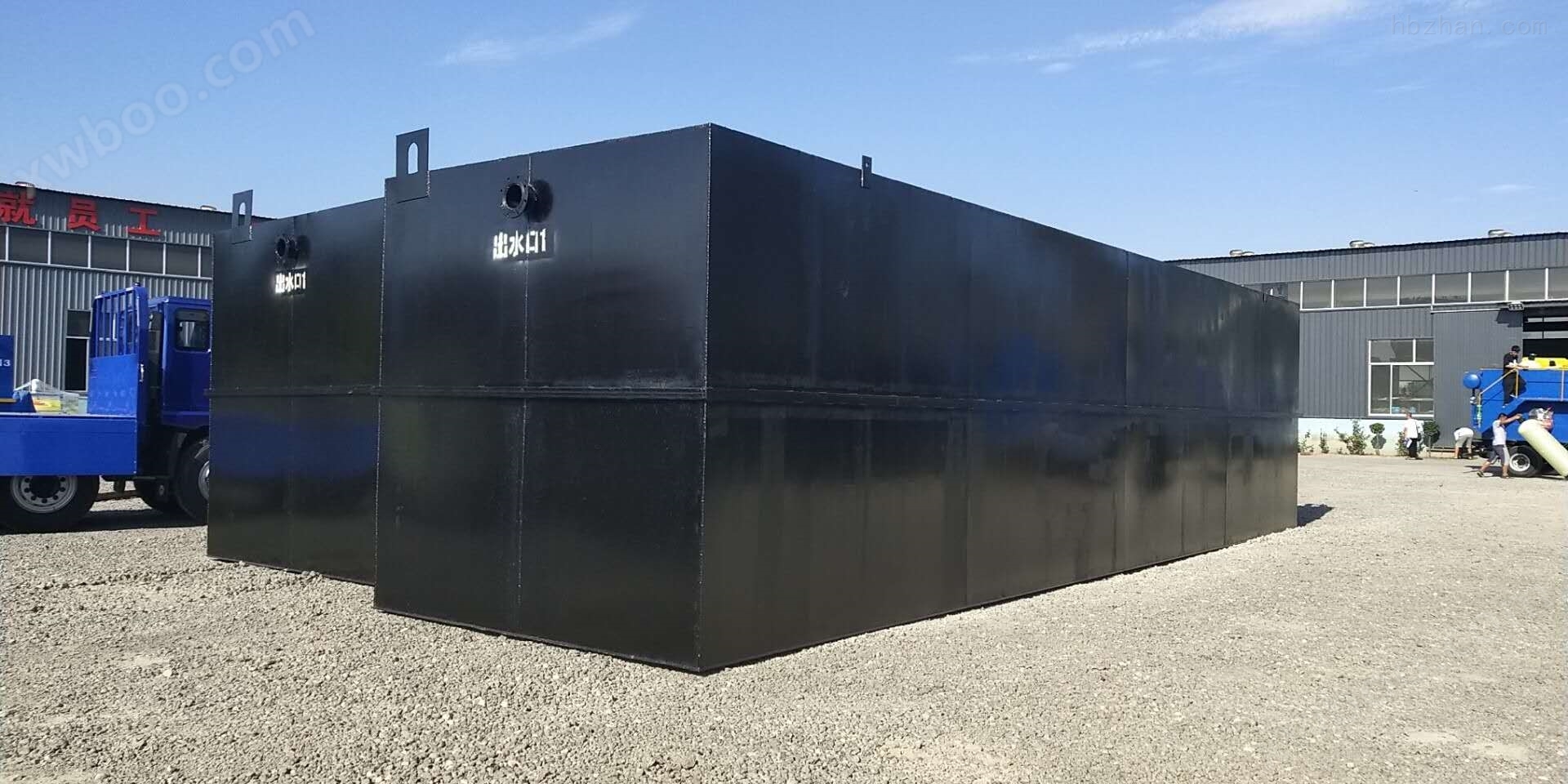
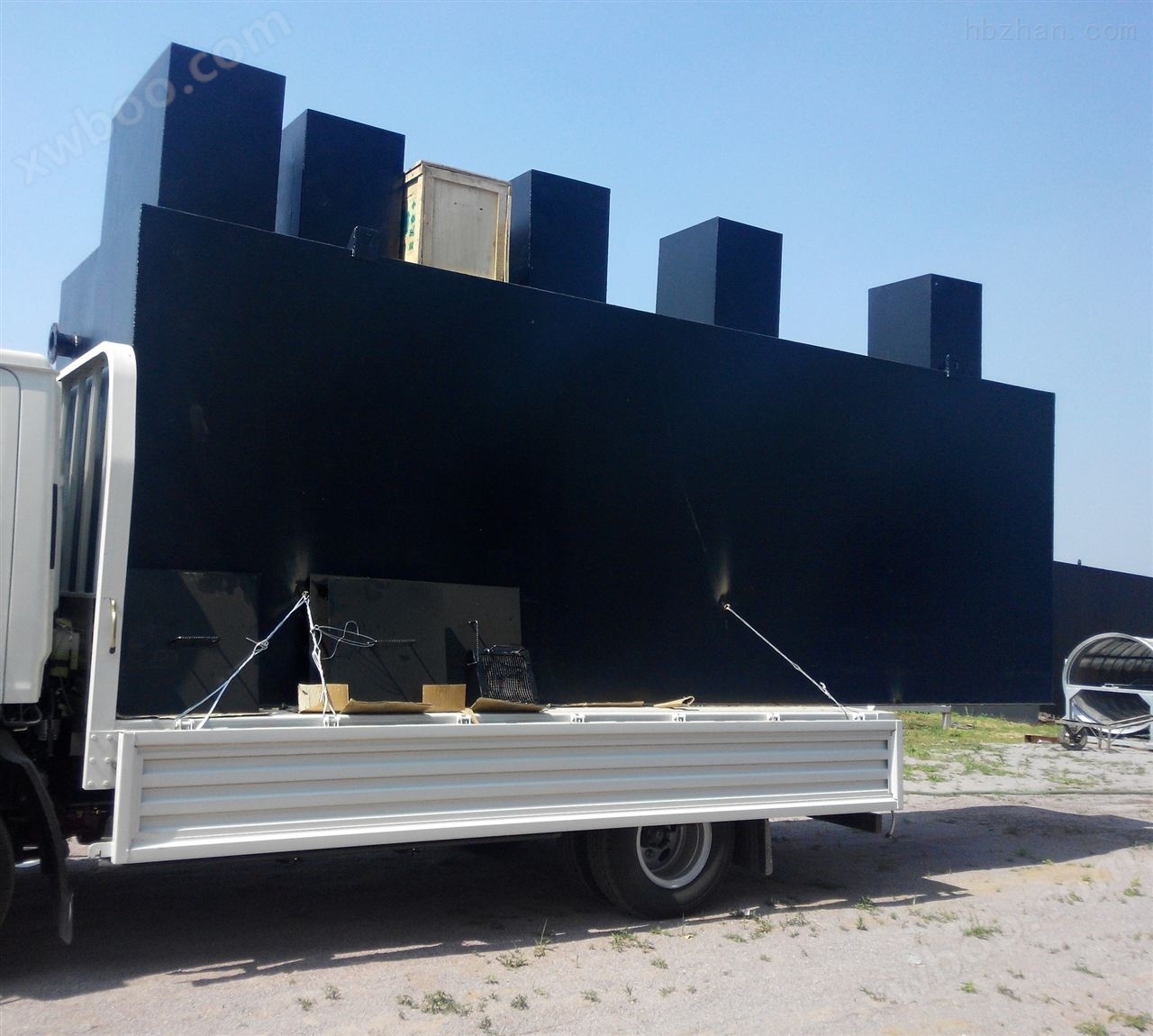
Bed sheet and quilt cover wastewater treatment equipment
NegotiableUpdate on 01/21
- Model
- Nature of the Manufacturer
- Producers
- Product Category
- Place of Origin
Overview
The wastewater treatment equipment for washing bed sheets and covers is equipped with chemical oxidation, sterilization and disinfection, and further treats the effluent from mechanical filtration to ensure that the water quality meets the reuse water quality standards.
Product Details
Bed sheet and quilt cover wastewater treatment equipment
There are two main ways to discharge wastewater from the washing industry: one is to discharge wastewater from washing plants in urban areas to urban sewage treatment plants (municipal pipe network sewers), and the other is to discharge it directly into rivers and the land in suburban or rural areas. In the absence of low-cost underground well water, it is recommended to treat it to reuse standards, which can greatly save the operating costs of enterprises while meeting environmental requirements. According to the different discharge standards of the region and the receiving water body, priority should be given to meeting the relevant discharge standards, followed by meeting the requirements of the local environmental protection department's Environmental Impact Assessment Report. In small and medium-sized enterprises without environmental impact assessment reports,Washing wastewater dischargeThe standard should comply with the following requirements:
Grade III standards in Table 4 of the Comprehensive Wastewater Discharge Standard (GB8978-1996)
B-level standard in Table 1 of the "Water Quality Standards for Sewage Discharged into Urban Sewers" (CJ343-2010)
If hospital linen washing is included, the emission standards should also meet the following requirements:
The pre-treatment standards in Table 2 of the "Discharge Standards for Water Pollutants in Medical Institutions" (GB18466-2005).
Xu Yanqing
:
Fax number:

Bed sheet and quilt cover wastewater treatment equipment
1、 Source of sewage
The discharged sewage is mainly washing sewage, among which COD, BOD, ammonia nitrogen and other indicators exceed the standard. If discharged directly without treatment, it will have a great impact on the environment. Therefore, the washing wastewater needs to be collected through pipelines before entering the sewage treatment system, and the treated wastewater can be discharged.
2、 Sewage properties
Comprehensive washing wastewater.
3、 Equipment process
According to the laundry process, the sewage of the laundry mainly includes laundry sewage, cleaning sewage and dump dry sewage. Each sewage has different characteristics: laundry sewage contains a large number of short fibers and detergent foam, with a high COD value, turbidity, and sometimes a very dark color. The amount of cleaning sewage is large, with a small amount of foam, and less suspended solids, CODThe value is also relatively small and transparent: the amount of wastewater discharged is small, and the water quality is slightly better than that of cleaning wastewater.The current laundry wastewater treatment mainly includes biochemical treatment, membrane treatment, physical and chemical treatment, etc. For laundry wastewater, although the use of biochemical treatment technology has lower operating costs, the treatment effect is unstable, and biological bacteria need to be cultivated and domesticated, which also requires the water temperature of the wastewater; The membrane treatment process has an ideal treatment effect, but the effluent capacity of membrane treatment is poor and the investment cost is high. According to the characteristics of laundry wastewater, physical and chemical treatment processes can be selected. The characteristics of this process are stable treatment effect and low equipment investment cost. To ensure the effluent quality of wastewater treatment, the physical and chemical processes mainly adopt the following measures:
(1) Regarding these 3Concentrate the wastewater to ensure a relatively stable source of wastewater for process treatment.
(2) When discharging sewage into the centralized pool, add a grille to eliminate short fibers and some suspended solids in the water.
(3) Select appropriate flocculants based on the quality of wastewater for flocculation and sedimentation, reduce color, remove suspended solids and some harmful impurities.
(4) By mechanically filtering the upper clear liquid after flocculation and sedimentation of sewage, the effluent is ensured to be clear and transparent.
(5) Add chemical oxidation, sterilize and disinfect, further treat the effluent from mechanical filtration to ensure that the water quality meets the reuse water quality standards.
(6) Adjust pHAfterwards, it enters the clear water reservoir and can be used for laundry.The specific process to be used for treatment should be adjusted according to the specific situation.
fourWastewater volume
According to the estimation of the design unit, the average drainage capacity is 40T/D, so this plan is designed and operated according to the 40T/D washing wastewater treatment.
fiveDesign the effluent quality
serial number |
Project |
Water outlet |
1 |
COD(mg/l) |
50 |
2 |
BOD(mg/l) |
10 |
3 |
SS(mg/l) |
10 |
4 |
Ammonia nitrogen (mg/l) |
8 |
5 |
PH value |
6-9 |
The sewage discharge standards shall comply with the first level discharge standards of the pollutant discharge standards for urban sewage treatment plants (GB18918-2002).
6、 Operating procedures
Preparation before starting:
1. Rotate the motor fan blades by hand, and the impeller should rotate flexibly without any jamming or rubbing phenomenon;
2. Fully open the inlet valve, open the exhaust valve to fill the pump chamber with liquid, and then close the exhaust valve;
3. Check whether all parts are normal: whether the bearings are well lubricated, whether the bolts in each part are tightened, and whether the suction pipe is unobstructed;
7、 Start up and operation
1. Fully open the inlet valve and close the discharge pipe door;
2. Start the motor (pay attention to whether the rotation direction is correct);
3. Adjust the opening of the outlet valve, observe the pressure gauge and check the leakage of the shaft seal after the rotating speed of the standby group is stable;
4. The temperature rise at the motor and bearing should be ≤ 70 ℃. If there are any abnormalities, the machine should be stopped and dealt with in a timely manner.
8、 Maintenance procedures
Maintenance and upkeep during operation
1. The inlet pipeline must be highly sealed and must not leak or leak water;
2. Do not operate the pump under cavitation conditions;
3. Try to avoid operating the pump under high flow conditions as much as possible;
4. Regularly check the motor current value, which must not exceed the rated current value of the motor;
5. The pump should be supervised by a dedicated person during operation to avoid accidents;
6. The pump should lubricate the bearings every 5000 hours of operation;
7. After the pump * is running, if the noise and vibration of the unit increase due to mechanical wear, it should be stopped for inspection. If necessary, vulnerable parts should be replaced. The maintenance period of the unit is generally one year. If it is not * working, the maintenance period can be extended appropriately.
For backup pumps, in order to avoid shaft bending, deformation, and other phenomena caused by the shutdown of the backup pump, and to maintain and repair the running pump normally, it is necessary to switch the pump regularly.
The principle of normal switching is to start first and then stop.
9、 The steps are as follows
Start the standby pump according to the driving operation. After the standby pump runs normally, it is inconvenient to maintain the pressure and flow rate of the system(Observe the pressure gauge and flow meter)Slowly open the outlet valve of the standby pump, while closing the outlet valve of the small pump until it is fully closed.
During the operation of the pump, if any of the following situations occur, emergency switching or emergency stop should be taken: the motor current is too high, or one phase is burnt out or the motor catches fire. The temperature of the bearing suddenly rises, causing smoke and posing a risk of holding the shaft. When there is a sound of breakage or fracture between the shafts. When there is a serious cracking sound inside the pump. When a personal safety accident occurs. When the process requires emergency switching or emergency shutdown.
The principle of emergency switching is to stop first and then start. The steps are as follows: immediately press the "stop" button to stop the operation of the accident pump. Immediately activate the backup pump according to normal driving operations. Close the outlet valve of the accident pump. If maintenance is required, please have an electrician turn off the power and hang a sign. The maintenance worker repaired the decommissioned pump to put it in good standby condition.

Proper use of dosing equipment
To ensure the treatment effect, regardless of the type of coagulant or dosing equipment used, the following points should be noted.
① Ensure the proper functioning of all devicesmedicineAdequate supply of agents;
② Quantitatively calibrate the measuring device of the dosing equipment to ensure that the dosage of the medication meets the process requirements;
③ Fully ensure that the medication meets the quality standards required by the process;
④ Regularly inspect the quality of raw sewage to ensure that the dosage of chemicals is suitable for changes in water quality and effluent requirements;
⑤ During shift handover, it is necessary to clearly explain the concentration of the storage tank and dosing tank;
⑥ Regularly check the dosing pipeline to prevent pipeline breakage and ensure the normal operation of the pumping system;
⑦ When there is a disconnection phenomenon, it should be checked and repaired as soon as possible.
Similar Product Recommend