-
E-mail
liujiabin@xyichuang.com
-
Phone
13723416768
-
Address
4th Floor, No. 120 Tangxi Xijing Industrial Zone, Gushu Community, Xixiang Street, Bao'an District, Shenzhen
Product Categories
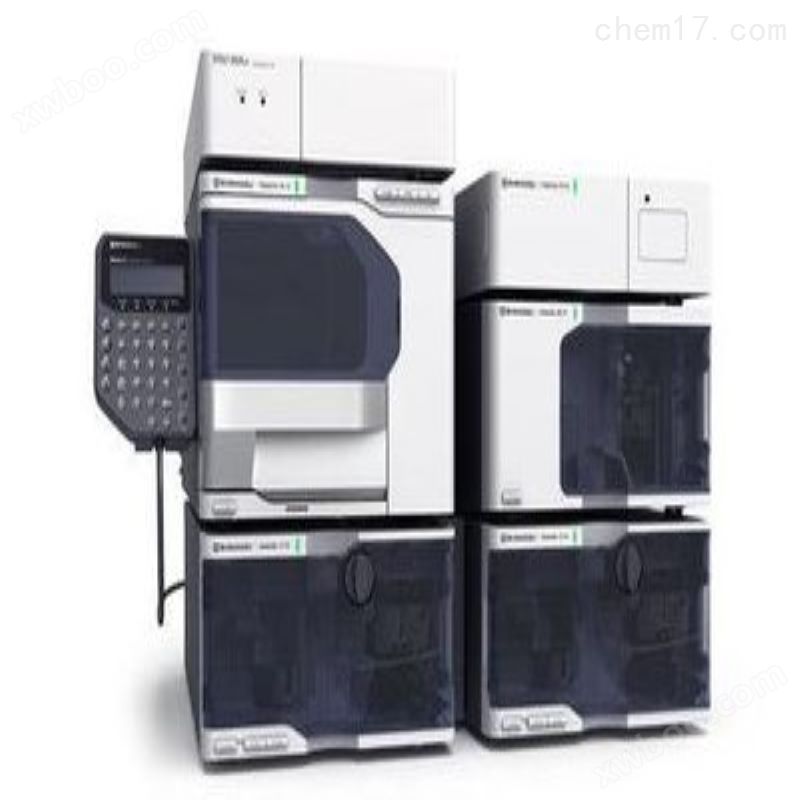
- Renting Shimadzu EDX-LE
- Shimadzu liquid chromatography LC
- Atomic fluorescence spectrophotometer
- ROHS2.0PY-GCMS
- Shenzhen Analytical Instrument Recycling
- Total Organic Carbon Analyzer TOC-V Series
- Shimadzu liquid chromatography rental for sale
- Gas chromatography-mass spectrometer
- Spectral Recovery ICP
- GCMS 2.0 Ten Testing Equipment
- ICP-MS recovery
- Liquid chromatograph LC-16
Shenzhen Xinyichuang Technology Co., Ltd

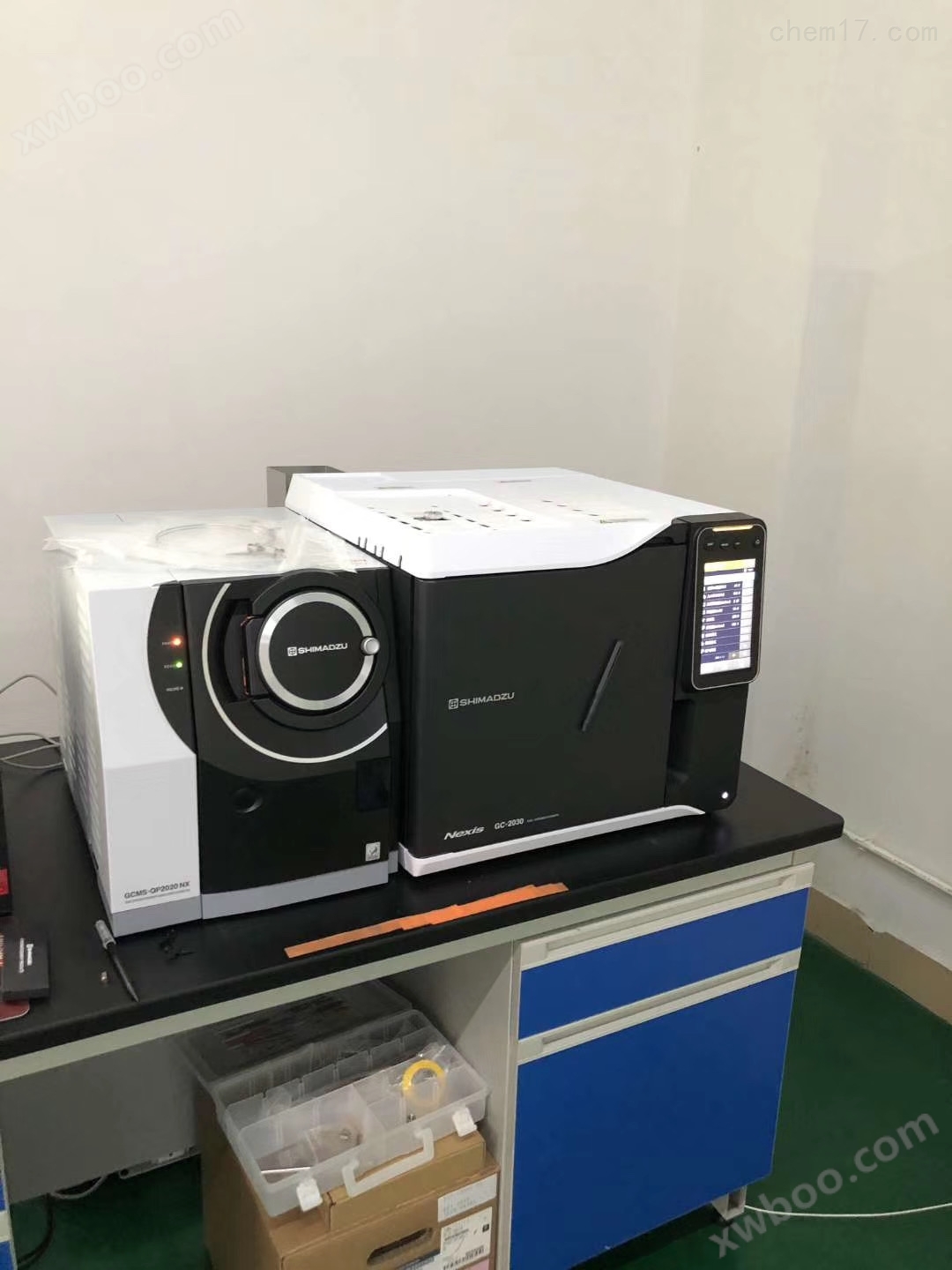
Ten detection devices for GC-MS 2.0
NegotiableUpdate on 01/22
- Model
- Nature of the Manufacturer
- Producers
- Product Category
- Place of Origin
Overview
The GC-MS 2.0 ten item detection equipment is an integrated device of GC and MS, which is a precision analytical instrument for detecting what (qualitative) and how much (quantitative) compounds are. GC separates the vaporized sample by entering it into a chromatographic column, and the separated compound is then detected in MS
Product Details
Ten detection devices for GC-MS 2.0GCMS EU has issued a new directive (EU) 2015/863 in its bulletin, revising Appendix II and officially adding four phthalates (DEHP, BBP, DBP, and DIBP) to the list of restricted substances in Appendix II, with a limit of 1000ppm (0.1%). Unlike the previously proposed four priority assessment substances, HBCDD has been removed and DIBP has been added as a controlled substance, as DIBP may be used to replace DEHP, DBP, and BBP in the future. All electronic and electrical products (excluding medical equipment and monitoring devices) must meet all new requirements starting from July 22, 2019.

Ten detection devices for GC-MS 2.0China RoHS
The "Management Measures for Pollution Control of Electronic Information Products", also known as "China RoHS", came into effect on March 1, 2007. It imposes restrictions on harmful substances such as mercury, lead, hexavalent chromium, cadmium, polybrominated biphenyls, and polybrominated diphenyl ethers in electronic information products released into the Chinese market.
The use of thermal cracking PY-GCMS technology can effectively determine the restricted use of certain harmful substances in electronic and electrical equipment, and develop corresponding solutions for the determination of these harmful substances to solve related detection technology problems.
Thermal cracking PY-GCMS technology
Polymers have almost no vapor pressure, making it difficult to imagine that they can be analyzed by mass spectrometry using GC. However, high polymers can be broken down into volatile small molecules through high-temperature cracking, which can then be introduced into a GC/MS system for analysis. The determination of the structure of high polymers is achieved by relying on the chromatogram profile of the pyrolysis products and the product attribution determined by the mass spectra of each peak on the chromatogram. Compared with infrared absorption spectroscopy, it plays an irreplaceable role in analyzing various forms of polymer samples, including identifying non melting thermosetting resins, identifying homopolymers with similar compositions, and distinguishing copolymers and blends.
Cracking principle
At a certain cracking temperature, the fracture mode of polymers has special characteristics, forming characteristic fracture fragments. These specific fracture fragments are used for structural analysis of polymers.

Experimental Section
Plasticizer (phthalate ester)
1. List of items to be used:
Thermal cracking device
Sampling tool (used to cut samples of appropriate specifications)
One hundred thousandth scale (accurate to 0.01mg) or better performance
3. Sample pre-treatment process
(1) Use a sampling tool to extract a representative sample of 0.50mg, accurate to 0.01mg or better
(2) Place the sample into the sample cup of the thermal cracking apparatus, and place the sample cup into the automatic sampler of the thermal cracking apparatus
4. Experimental instruments and conditions
(1) Gas chromatography-mass spectrometer
(2) Chromatography column: TG-5HT 15m × 0.25mm × 0.10um
(3) GCMS test conditions:
Column temperature: 80 ° C for 0 minutes, 20 ° C/min Program heating to 300 ° C for 3 minutes
Injection mode: Split injection, split ratio 120:1
Injection volume: 0.50mg
Injection port temperature: SSL injection port, 300 ℃
Carrier gas: helium (99.999%), constant current mode, 1.3 mL/min
Ion source temperature: 320 ℃, transmission line temperature: 280 ℃
Scanning method: Full scan m/z 29-1000, quantitative ion potential m/z 799, qualitative ion m/z 7959
(4) Experimental conditions for thermal cracking apparatus (center cutting)

5. Calculation method

6. Methodological data


Part 2: Brominated flame retardants (decabromodiphenyl ether)
1. List of items to be used:
(1) Thermal cracking device
(2) Sampling tool (used to cut samples of appropriate specifications)
(3) Decabromodiphenyl ether PS matrix solid standard (312mg/kg) or other suitable solid matrix standard
(4) One hundred thousandth scale (accurate to 0.01mg) performance
2. Sample pre-treatment process
(1) Use a sampling tool to extract a representative sample of 0.50mg, accurate to 0.01mg or better
(2) Place the sample into the sample cup of the thermal cracking apparatus, and place the sample cup into the automatic sampler of the thermal cracking apparatus
3. Experimental instruments and conditions
(1) Gas chromatography-mass spectrometer
(2) Chromatography column: TG-5HT 15m × 0.25mm × 0.10um
(3) GCMS test conditions:
Column temperature: 100 ° C for 0 minutes, 20 ° C/min Program heating to 340 ° C, hold for 4 minutes
Injection mode: Split injection, split ratio 10:1
Injection volume: 0.50mg
Injection port temperature: SSL injection port, 340 ℃
Carrier gas: helium (99.999%), constant current mode, 1.2 mL/min
Ion source temperature: 320 ℃, transmission line temperature: 340 ℃
(4) Experimental conditions for thermal cracking apparatus (center cutting)

5. Calculation method (partial)
6. Methodological data

Comparison between Soxhlet Extraction and Thermal Cracking

Part 3: Chlorinated Short Chain Paraffin SCCP
1. List of items to be used:
(1) Thermal cracking device
(2) Sampling tool (used to cut samples of appropriate specifications)
(3) One hundred thousandth scale (accurate to 0.01mg) or better performance
2. Sample pre-treatment process
(1) Use a sampling tool to extract a representative sample of 0.50mg, accurate to 0.01mg or better
(2) Place the sample into the sample cup of the thermal cracking apparatus, and place the sample cup into the automatic sampler of the thermal cracking apparatus
3. Experimental instruments and conditions
(1) Gas chromatography-mass spectrometer
(2) Chromatography column: TG-5HT 15m × 0.25mm × 0.10um
(3) GCMS test conditions:
Column temperature: 100 ° C for 1 minute, 25 ° C/min Program heating to 300 ° C, hold for 9 minutes
Injection mode: Split injection, split ratio 10:1
Injection volume: 0.50mg
Injection port temperature: SSL injection port, 300 ℃
Carrier gas: helium (99.999%), constant current mode, 1.2 mL/min
Ion source temperature: 320 ℃, transmission line temperature: 300 ℃
Full scan monitoring: m/z 30-600, quantitative ion sites of SCCP are m/z 95, and qualitative ions are m/z 55,67,81,89
(4) Experimental conditions for thermal cracking apparatus (center cutting)

5. Calculation method (same section)
6. Methodological data

Part Four: Flame retardants
1. List of items to be used:
(1) Thermal cracking device
(2) Sampling tool (used to cut samples of appropriate specifications)
(3) Standard product (purity 99.999%), Amphenol
(4) One hundred thousandth scale (accurate to 0.01mg) or better performance
(5) *, pure analysis
(6) Vibration ball mill GT200 or equivalent performance
(7) Drying dish
2. Standard working curve concentration: Accurately weigh 1g of standard sample (accurate to 0.01g), add 9g *, grind and mix to form a standard sample with a content of 0.1%, and use the same method to grind and mix in sequence to obtain standard working curves of 0.02%, 0.05%, and 0.1%. Special attention should be paid to quickly placing it in a drying dish after configuration to prevent water absorption.
3. Sample pre-treatment process
(1) Use a sampling tool to extract a representative sample of 0.50mg, accurate to 0.01mg or better
(2) Place the sample into the sample cup of the thermal cracking apparatus, and place the sample cup into the automatic sampler of the thermal cracking apparatus
4. Experimental instruments and conditions
(1) Gas chromatography-mass spectrometer
(2) Chromatography column: TG-5HT 15m × 0.25mm × 0.10um
(3) GCMS test conditions:
Column temperature: 50 ° C for 1 minute, 25 ° C/min Program heating to 320 ° C for 0 minutes
Injection mode: Split injection, split ratio 10:1
Injection volume: 0.50mg
Injection port temperature: SSL injection port, 300 ℃
Carrier gas: helium (99.999%), constant current mode, 1.2 mL/min
Ion source temperature: 320 ℃, transmission line temperature: 300 ℃, selected ion scanning: m/z 124, 62, 93, quantitative ion position: m/z 124
(4) Experimental conditions for thermal cracking reactor
Use single shot mode with a temperature of 600 ℃ and an interface temperature of 310 ℃. 600 ℃ cracking temperature can ensure * cracking.
5. Calculation method (same section)
6. Methodological data