-
E-mail
1785946665@qq.com
-
Phone
15821038832
-
Address
Shanghai Fengxian Industrial Zone
Product Categories
Shanghai Xianyi Valve Co., Ltd
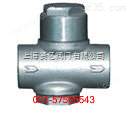
Supply CS19W-16P instrument stainless steel drain valve
NegotiableUpdate on 01/21
- Model
- Nature of the Manufacturer
- Producers
- Product Category
- Place of Origin
Overview
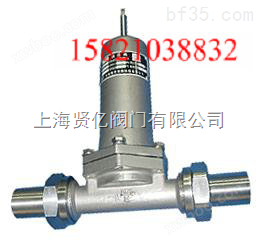
Introduction to CS19W-16P Thermal Power Drain Valve: This drain valve utilizes thermodynamic properties. When the condensate discharge is low, a second evaporation occurs, and there are differences in viscosity, sealing, and other aspects compared to steam to drive the opening and closing components.
Product Details
CS19W-16P Thermal Power Drain Valve Introduction: This drain valve utilizes the thermodynamic properties. When the condensate discharge is low, a second evaporation occurs, and there are differences in viscosity, sealing, and other aspects compared to steam to drive the opening and closing components.
Introduction to CS19W-16P Thermal Power Drain Valve Selection: CS19W-16P Thermal Power Drain Valve (Y-shaped) Structural Features:
1. Equipped with steam or air insulation devices, unaffected by environmental temperature, reducing operating frequency and extending lifespan.
2. Equipped with filters and sewage.
3. The valve is sensitive and reliable in action, with a large drainage capacity.
Working principle of CS19W-16P thermal power drain valve (Y-type):
This drain valve utilizes the thermodynamic properties to cause a second evaporation when the condensate discharge is low, and there are differences in viscosity, sealing, and other aspects compared to steam to drive the opening and closing components.
Shanghai Xianyi Valve products are widely used in water treatment equipment, chemical equipment, petrochemical equipment, petroleum equipment, papermaking equipment, mining equipment, power equipment matching, liquefied gas equipment, food equipment, pharmaceutical equipment, water supply and drainage equipment, municipal valves, mechanical equipment valves, electronic industrial valves, urban construction valves, industrial pipeline valves, general components, industrial equipment, fire HVAC, * air conditioning, filtration equipment, environmental protection equipment and other fields. Welcome to purchase and customize!
Nominal pressure: PN0.5-16Mpa
Working temperature: 0-550 ℃
Nominal diameter: DN15-150mm
Connection method: flange, thread,
welding
Materials: 304, 316, 304L, 316L, SS316, WCB, WC6, WC9, CF3, CF8, cast steel, cast iron, ductile iron, forged steel, stainless steel, etc.
The basic function of a steam trap is to quickly remove condensed water, air, and carbon dioxide gas from the steam system; Simultaneously, it automatically prevents steam leakage to the maximum extent possible. There are many types of drain valves, each with different performance. When selecting a steam trap, the first thing to consider is its characteristics that can meet the operation requirements of steam heating equipment, and then other objective conditions should be taken into account. Only in this way can you choose the steam trap you need correctly and effectively.
Working principle of drain valve
The steam trap is installed between the steam heating equipment and the condensate return pipe. When driving, the bucket is at the bottom and the valve is fully open. After entering the drain valve, the condensed water flows to the bottom of the bucket, fills the valve body, and completely submerges the bucket body. Then, the condensed water is discharged to the return water collection pipe through the fully open valve. Steam also enters the drain valve from the bottom of the barrel, occupying the top of the barrel and generating buoyancy. The barrel slowly rises and gradually moves the lever towards the valve seat until the valve is closed. Air and carbon dioxide gases gather at the top of the drain valve through the exhaust holes in the barrel. The steam discharged from the exhaust hole will condense due to the heat dissipation of the drain valve. When the incoming condensate begins to fill the barrel, the barrel begins to exert a pulling force on the lever. As the condensation water level continues to rise, the force generated increases until the pressure difference can be overcome and the valve can be opened. When the drain valve starts to open, the pressure difference acting on the valve disc will decrease. The barrel will rapidly descend, causing the valve to fully open. The non condensable gas accumulated at the top of the drain valve is first discharged, and then the condensed water is discharged. When the water flows out of the bucket, it drives the pollutants to flow out of the drain valve together. At the same time as the condensate is discharged, steam begins to enter the drain valve again, and a new cycle begins.
Similar Product Recommend