-
E-mail
1926064237@qq.com
-
Phone
18202926787
-
Address
Room 2910, Building 1, Tongshuwan, No. 106 Dongyuan Road, Weiyang District, Xi'an City (southwest corner of the intersection of East Second Ring Road and Mining Road)
Product Categories
Lanster (Wuhan) Automation System Engineering Co., Ltd. (Xi'an Office)
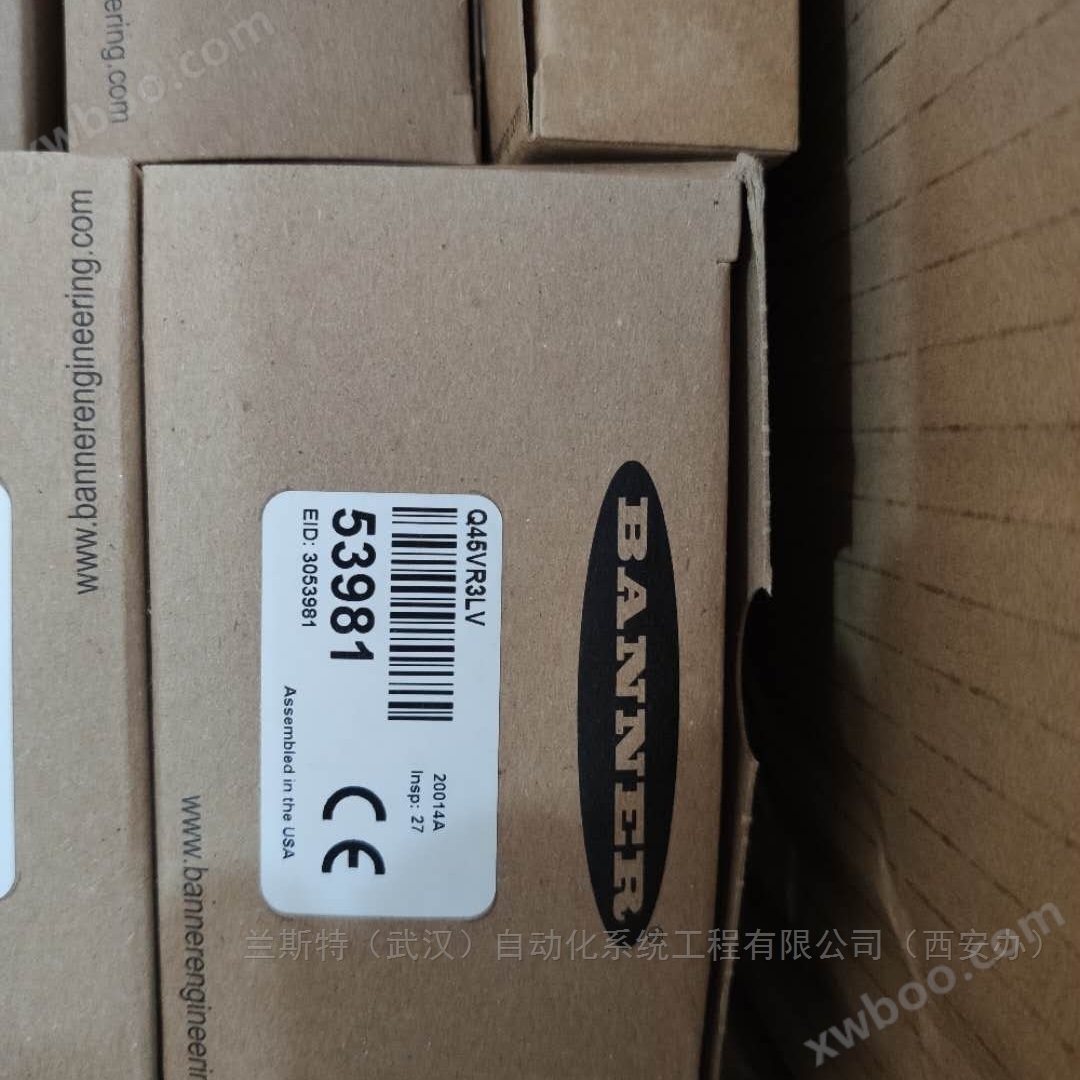


Siemens controller***
NegotiableUpdate on 01/22
- Model
- Nature of the Manufacturer
- Producers
- Product Category
- Place of Origin
Overview
The Siemens controller * * 6ES7510-1DJ01-0AB0 $r $n causes the resistance value to change accordingly. There are mainly two types of resistance strain gauges: metal and semiconductor. Metal strain gauges can be divided into wire type, foil type, and thin film type. Semiconductor strain gauges have advantages such as high sensitivity (usually tens of times that of wire and foil) and small lateral effects. A piezoresistive sensor is a device made by diffusing resistance on a semiconductor substrate based on the piezoresistive effect of the semiconductor material. The substrate can be directly used as a measuring sensing element, and the diffusion resistance is connected in the form of a bridge inside the substrate. When the substrate is exposed to external factors
Product Details
Siemens controller***6ES7510-1DJ01-0AB0
Make the resistance value change accordingly. There are mainly two types of resistance strain gauges: metal and semiconductor. Metal strain gauges can be divided into wire type, foil type, and thin film type. Semiconductor strain gauges have advantages such as high sensitivity (usually tens of times that of wire and foil) and small lateral effects. A piezoresistive sensor is a device made by diffusing resistance on a semiconductor substrate based on the piezoresistive effect of the semiconductor material. The substrate can be directly used as a measuring sensing element, and the diffusion resistance is connected in the form of a bridge inside the substrate. When the substrate is subjected to external force and undergoes deformation, the resistance values will change, and the bridge will produce corresponding unbalanced outputs as the substrate for the piezoresistive sensor
Siemens controller***6ES7510-1DJ01-0AB0
Make the resistance value change accordingly. There are mainly two types of resistance strain gauges: metal and semiconductor. Metal strain gauges can be divided into wire type, foil type, and thin film type. Semiconductor strain gauges have advantages such as high sensitivity (usually tens of times that of wire and foil) and small lateral effects. A piezoresistive sensor is a device made by diffusing resistance on a semiconductor substrate based on the piezoresistive effect of the semiconductor material. The substrate can be directly used as a measuring sensing element, and the diffusion resistance is connected in the form of a bridge inside the substrate. When the substrate is deformed by external force, the resistance values will change, and the bridge will produce corresponding unbalanced outputs. The substrate used as a piezoresistive sensor will cause the resistance values to change accordingly. There are mainly two types of resistance strain gauges: metal and semiconductor. Metal strain gauges can be divided into wire type, foil type, and thin film type. Semiconductor strain gauges have advantages such as high sensitivity (usually tens of times that of wire and foil) and small lateral effects. A piezoresistive sensor is a device made by diffusing resistance on a semiconductor substrate based on the piezoresistive effect of the semiconductor material. The substrate can be directly used as a measuring sensing element, and the diffusion resistance is connected in the form of a bridge inside the substrate. When the substrate is deformed by external force, the resistance values will change, and the bridge will produce corresponding unbalanced outputs. The substrate used as a piezoresistive sensor will cause the resistance values to change accordingly. There are mainly two types of resistance strain gauges: metal and semiconductor. Metal strain gauges can be divided into wire type, foil type, and thin film type. Semiconductor strain gauges have advantages such as high sensitivity (usually tens of times that of wire and foil) and small lateral effects. A piezoresistive sensor is a device made by diffusing resistance on a semiconductor substrate based on the piezoresistive effect of the semiconductor material. The substrate can be directly used as a measuring sensing element, and the diffusion resistance is connected in the form of a bridge inside the substrate. When the substrate is subjected to external force and undergoes deformation, the resistance values will change, and the bridge will produce corresponding unbalanced outputs as the substrate for the piezoresistive sensor